To drain windshield washer fluid from a Tesla, use a fluid extractor through the reservoir filler opening if the opening and equipment allow access, or have a qualified technician remove the fluid through the appropriate service procedure. Most Tesla owners do not need to remove the reservoir or disconnect the pump just to replace the fluid.
In the United States, Tesla owners may need to remove windshield washer fluid when switching to a winter-rated formula, correcting an accidental fluid mixture, or addressing contamination. The correct procedure depends on the model, model year, reservoir design, and reason for draining. A Tesla is an electric vehicle, but its windshield washer system still contains a conventional reservoir, pump, hoses, and spray nozzles.
Before starting, consult the owner’s manual for your specific Tesla and confirm which washer fluid is approved. Do not assume that every Model 3, Model Y, Model S, or Model X has the same reservoir access or service procedure. Avoid removing underbody panels or disconnecting components unless the applicable service instructions call for it.
Why Would You Need to Drain Tesla Windshield Washer Fluid?
Draining the reservoir is usually necessary only when the wrong fluid has been added, the fluid has become contaminated, or you need to change formulas for seasonal conditions. If the reservoir is simply low, topping it up with a compatible, approved washer fluid is generally easier than draining it.
The reason for draining matters because ordinary washer fluid replacement is different from correcting a chemical contamination problem. If an unknown liquid, concentrated cleaner, household detergent, or other incompatible substance has entered the reservoir, avoid spraying it onto the windshield until you have confirmed the appropriate cleanup procedure.
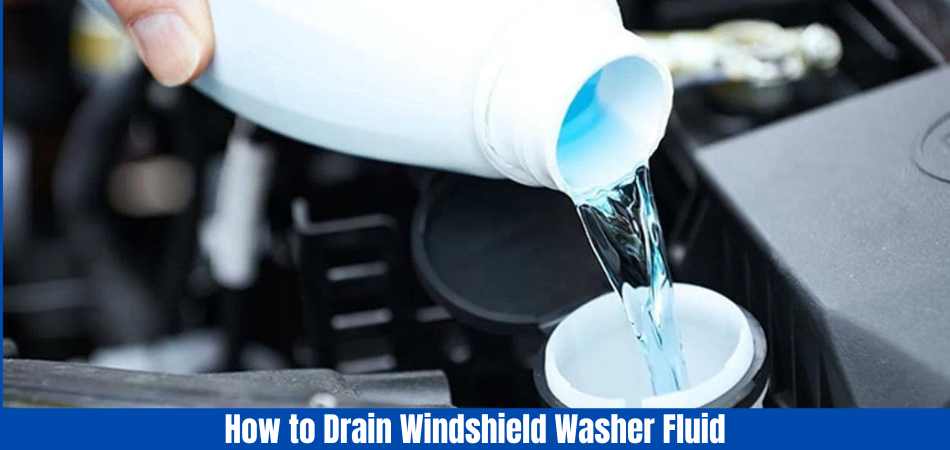
Source: smartvehiclecare.com
Switching to winter fluid
Removing some or all of the existing fluid may help when changing to a formula rated for colder temperatures. Mixing products can change the resulting freeze protection, so follow the new product’s instructions.
Incorrect fluid added
If you added water or an incompatible product, determine what entered the reservoir and how much was added before deciding whether extraction and rinsing are appropriate.
Contamination or debris
Visible particles, unusual deposits, or recurring nozzle blockages may require more than draining. A technician may need to inspect the reservoir, filter, pump, and hoses.
Suspected freezing
Do not operate a frozen washer system repeatedly. Allow the vehicle and fluid to warm safely, then have the system checked if the pump does not operate normally or leaks appear.
What You Need Before Draining Washer Fluid
Prepare the right equipment before opening the reservoir. A suitable hand-operated fluid extractor with clean, washer-fluid-compatible tubing may work when the filler opening provides safe access to the liquid. Not every Tesla reservoir can be fully emptied through its filler neck, so do not force tubing past bends, screens, or internal components.
Park on a level surface, place the vehicle in Park, and follow the owner’s manual instructions for preparing the vehicle for service. Work in a well-ventilated area away from children, pets, food, and ignition sources. Wear protective gloves and eye protection, and keep a suitable container ready for the recovered fluid.
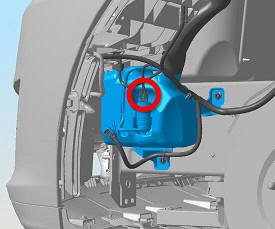
Source: youcanic.com
Fluid extractor
Choose a clean hand-operated extractor intended for automotive fluids. Do not use equipment that has previously contained oil, fuel, coolant, or other chemicals.
Waste container
Use a stable, clearly labeled container that is compatible with the washer fluid and large enough to hold the amount removed.
Approved replacement fluid
Check the Tesla owner’s manual for the applicable model and year, and choose a washer fluid suitable for the local climate.
Vehicle-specific instructions
Confirm the reservoir location and access requirements before removing trim, covers, or service panels.
How to Drain Windshield Washer Fluid From a Tesla
The least invasive approach is to extract accessible fluid through the filler opening, provided the vehicle’s reservoir design permits it. The following steps describe a general method, not a model-specific Tesla repair procedure. Stop if access is restricted or the service instructions require a different method.
Source: teslamx.net
Step 1: Identify the reservoir
Use the owner’s manual for your exact Tesla model and year to locate the windshield washer fluid filler. Open the hood or front trunk only as instructed, and identify the correct cap before proceeding.
Step 2: Inspect the fluid
If the fluid’s identity is known, determine why it needs removal. If an incompatible chemical or unknown substance was added, do not operate the washer pump merely to empty the tank.
Step 3: Position the extractor
Insert compatible extractor tubing through the filler opening only if it fits freely and the vehicle’s service instructions permit it. Never force the tubing or push it past an obstruction.
Step 4: Remove the accessible fluid
Operate the hand pump according to the extractor manufacturer’s instructions and transfer the fluid into the prepared waste container. Monitor the container level to prevent overflow.
Step 5: Check what remains
Some fluid may remain in the bottom of the reservoir or in the pump and hoses. Do not assume that the reservoir is completely empty just because extraction slows or stops.
Step 6: Refill if appropriate
If the reason for draining has been resolved, add the correct washer fluid according to the owner’s manual. Secure the cap and restore any covers that were removed according to the service instructions.
Can You Drain the Reservoir by Operating the Washer Pump?
The washer pump normally draws fluid from the reservoir and sends it through hoses to the spray nozzles. On some vehicles, operating the system can lower the fluid level, but this is not the preferred method for removing contaminated fluid or correcting an incompatible mixture. It can discharge the unwanted liquid onto the windshield and surrounding surfaces, and extended operation with insufficient fluid can damage the pump.
Use the vehicle’s normal washer controls only when the fluid is suitable to spray, the system is not frozen or damaged, and the owner’s manual permits normal operation. Do not repeatedly run the pump to force out the last drops.
Reasonable use
Normal washer operation may consume remaining compatible fluid during routine use.
Avoid
Do not spray unknown chemicals, detergents, or contaminated fluid onto the windshield or surrounding paint.
Stop if the pump runs dry
If fluid stops spraying or the pump sounds abnormal, release the control and inspect the system rather than continuing.
When Reservoir Removal Is Necessary
If the filler opening does not allow adequate extraction, the fluid contains substantial debris, or a chemical contamination issue requires thorough cleaning, reservoir removal may be necessary. The exact procedure can involve access panels, electrical connections, hoses, and model-specific fasteners.
Do not disconnect the pump or remove vehicle panels based on instructions for a different Tesla model. Use the applicable Tesla service procedure or arrange service with a qualified technician, especially if the work involves difficult access or damaged components.
Use vehicle-specific service information
Verify component locations, approved disassembly steps, and any precautions for electrical connectors.
Inspect the pump and seals
If the reservoir is being removed because of a leak or contamination, check related seals, hoses, and the pump as directed by the service procedure.
Does the Draining Method Differ Between Tesla Models?
The basic washer system works similarly across Tesla vehicles, but the reservoir’s location, filler access, trim, and service requirements can vary. Model 3 and Model Y instructions should not automatically be applied to Model S or Model X, and different model years may also have design changes.
Use the vehicle identification information and owner’s manual to identify the correct procedure. If the reservoir is hidden behind panels or the filler opening prevents extraction, a qualified technician can determine whether partial extraction or reservoir removal is appropriate.
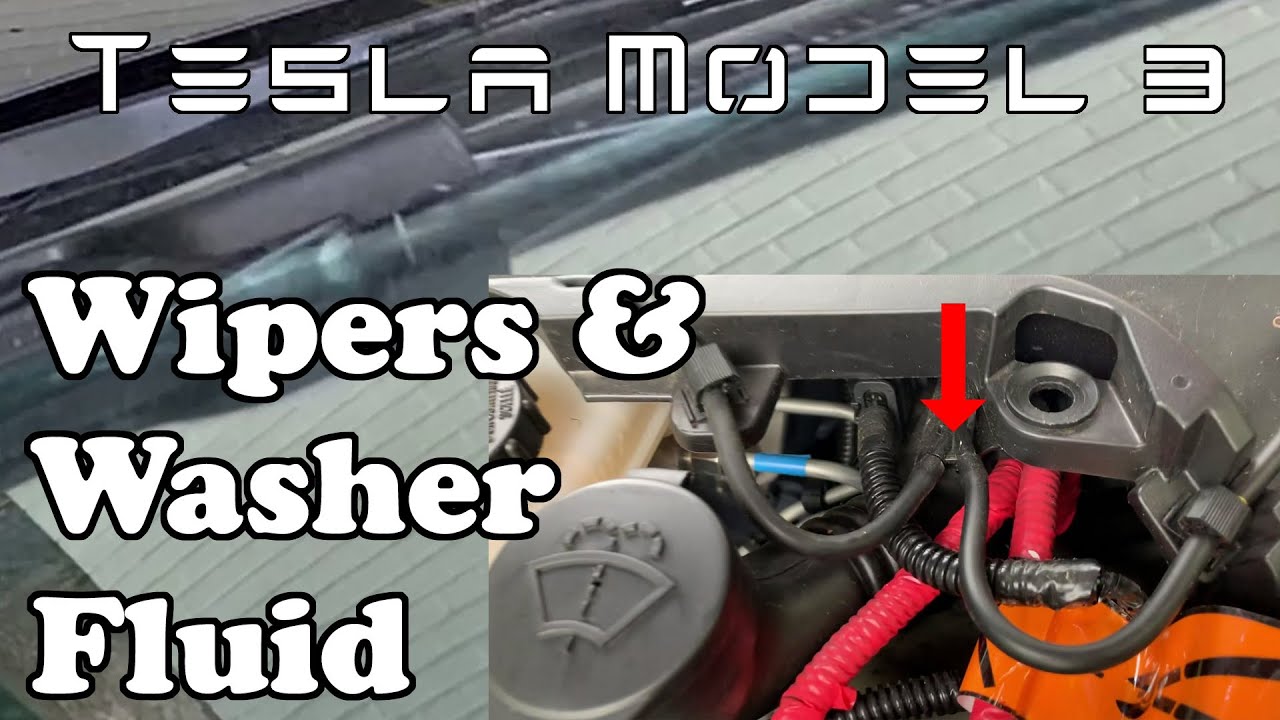
Source: i.ytimg.com
Tesla Model 3
Confirm the filler location and permitted access for your specific model year before inserting an extractor.
Tesla Model Y
Check the current owner’s manual and service information rather than assuming the reservoir arrangement matches the Model 3.
Tesla Model S
Use model-specific service instructions if access requires removing trim or other components.
Tesla Model X
Confirm the reservoir and pump arrangement for the vehicle’s model year; illustrations from another year may not match.
How to Refill and Check the Washer System After Draining
After removing the unwanted fluid, refill the reservoir only when the remaining contamination has been addressed. Use a compatible washer fluid with freeze protection appropriate for the coldest conditions you expect to encounter. Plain water can freeze in the reservoir, hoses, or nozzles and may lead to system damage.
Close the filler cap securely and check the accessible area for spills or leaks. If the system is safe to operate and the fluid is suitable for spraying, briefly test the washers according to the owner’s manual. Confirm that the spray reaches the windshield and that the pump sounds normal.
Source: i.ytimg.com
Use the correct fluid
Follow the Tesla manual and the fluid manufacturer’s compatibility and temperature guidance.
Check for leaks
Look for fluid around the filler area and beneath accessible parts of the vehicle. A continuing leak needs diagnosis.
Test spray performance
If operation is permitted, verify that the nozzles spray normally and the windshield is cleaned effectively.
Recheck the fluid level
If the level falls unexpectedly after refilling, inspect for a leak or another system fault instead of repeatedly topping it up.
Common Mistakes to Avoid
The most common mistakes are using an unsuitable draining method, mixing incompatible fluids without understanding the consequences, and dismantling components unnecessarily. A washer reservoir is not designed to be serviced using improvised tools, and forcing equipment into the filler can damage internal parts.
Source: i.ytimg.com
Do not siphon by mouth
Washer fluid can contain chemicals that are harmful if swallowed or inhaled. Use appropriate extraction equipment.
Do not use a shop vacuum
A standard vacuum is not intended for extracting chemical liquids and may be damaged or create additional hazards.
Do not use household detergent
Dish soap and other household cleaners may cause excessive foaming, deposits, or washer-system problems.
Do not run a frozen pump
A frozen reservoir or hose can prevent fluid movement. Repeatedly activating the pump may worsen the problem.
Do not pour waste fluid onto the ground
Collect removed fluid and follow local waste-management guidance. Keep it away from storm drains, soil, children, and animals.
Troubleshooting After Draining the Reservoir
If the washer system does not work normally after refilling, check the fluid level, temperature conditions, cap, and visible leaks before assuming that the pump has failed. The symptom helps narrow the likely cause, but diagnosis may require model-specific service information.
Source: i.ytimg.com
No spray from either nozzle
Possible causes include an empty reservoir, frozen fluid, a pump or electrical fault, or a blocked supply line. Stop operating the pump if it sounds abnormal.
Weak or uneven spray
Check for unsuitable fluid, partially blocked nozzles, or restricted hoses. Avoid inserting sharp objects into the nozzles because they can cause damage.
Fluid leaking under the vehicle
A loose hose, damaged reservoir, or leaking pump seal may be responsible. Arrange inspection if the leak persists.
Pump noise without fluid delivery
The reservoir may be empty, the fluid may be frozen, or the supply path may be blocked. Do not keep running the pump while troubleshooting.
Unusual odor or visible deposits
If the fluid was contaminated, further cleaning or reservoir inspection may be necessary. Do not keep spraying it while the cause remains uncertain.
How Should You Dispose of Used Washer Fluid?
Treat recovered windshield washer fluid as a chemical product rather than ordinary drinking water or harmless rainwater. Its composition varies by product, and some formulations contain alcohols or other ingredients that require careful handling.
Keep the waste in a closed, labeled, compatible container and consult the product label and local waste authority for disposal instructions. Do not mix the recovered fluid with engine oil, coolant, fuel, or other waste chemicals, and never pour it into a storm drain or onto the ground.
Source: vautobasics.com
Prevent exposure
Keep the container away from children and pets and clean up spills using the product label’s safety guidance.
Follow local rules
Disposal requirements depend on the product formulation and local regulations. Contact a household hazardous-waste program if the instructions are unclear.
Frequently Asked Questions
Q
Can I drain Tesla windshield washer fluid without removing the reservoir?
Often, you can remove at least some fluid with a compatible hand-operated extractor if the filler opening allows safe access. Complete drainage is not guaranteed because the reservoir shape, internal components, and filler design vary. If extraction is not possible, consult the model-specific service procedure.
Q
Can I use the Tesla washer pump to empty the reservoir?
Normal washer operation may use up compatible fluid, but it is not the preferred method for removing unknown or contaminated liquids. Spraying contaminated fluid can spread chemicals, and operating the pump without enough fluid may damage it. Follow the owner’s manual and avoid prolonged operation.
Q
Do I need to drain washer fluid before adding winter fluid?
Not always. If the existing fluid is compatible and its freeze protection is adequate for expected temperatures, a full drain may be unnecessary. If you are switching products, check their instructions and avoid assuming that mixing two formulas preserves the temperature rating printed on either container.
Q
What happens if I accidentally put water in my Tesla washer reservoir?
Water may dilute the washer fluid and reduce freeze protection. In cold weather, that can allow the reservoir, hoses, or nozzles to freeze. If freezing temperatures are expected, correct the mixture before operating the system in those conditions, following Tesla’s guidance for your vehicle.
Q
Can I use a hose or compressed air to flush the reservoir?
Do not assume that a hose or compressed air is suitable for the job. Water may introduce more contamination or leave a mixture that can freeze, while compressed air can damage components or force fluid into unwanted areas. Use a vehicle-specific cleaning procedure, particularly after adding an incompatible chemical.
Q
How do I know whether the reservoir is completely empty?
A fluid extractor may stop drawing liquid while some remains in a low section of the reservoir or the connected hoses. Do not force tubing into the tank to reach residual fluid. If complete removal is necessary because of serious contamination, a technician can determine whether the reservoir needs to be removed and cleaned.
Q
Should I take my Tesla to a service center to drain washer fluid?
Professional service is advisable if the reservoir is difficult to access, the wrong chemical was added, the system is frozen or leaking, or the pump does not work normally. For a routine fluid change, follow the owner’s manual and use the least invasive method that is appropriate for your exact vehicle.
✦ Wrapping Up
Conclusion
Draining windshield washer fluid from a Tesla usually does not require dismantling the system. A compatible hand-operated extractor may remove accessible fluid through the filler opening, but the correct method depends on the model, model year, and reason for draining. Reservoir removal or specialized cleaning may be necessary when access is restricted or the fluid is contaminated.
After draining, use an approved washer fluid suited to the expected temperatures, check for leaks, and test the spray system only when it is safe to do so. If you cannot confirm the correct procedure or the washer system develops a fault, consult Tesla’s vehicle-specific service information or a qualified technician.
💡 Key Takeaway
Check your Tesla owner’s manual first. If the filler opening permits safe access, extract the fluid with a clean, compatible hand-operated tool, collect it for proper disposal, and refill with approved washer fluid. Do not force tools into the reservoir or run the pump to remove unknown or contaminated fluid.