A windshield washer reservoir is a tank in your vehicle that stores washer fluid until you need to clean your windshield. It supplies fluid to a pump, which sends it through small tubes to spray nozzles near the windshield.
For drivers across the United States, a clear windshield is vital on busy highways, city streets, and rural roads. Dust, road salt, pollen, bugs, and rain can all affect your view. A working windshield washer system helps remove this dirt when normal wiper movement is not enough.
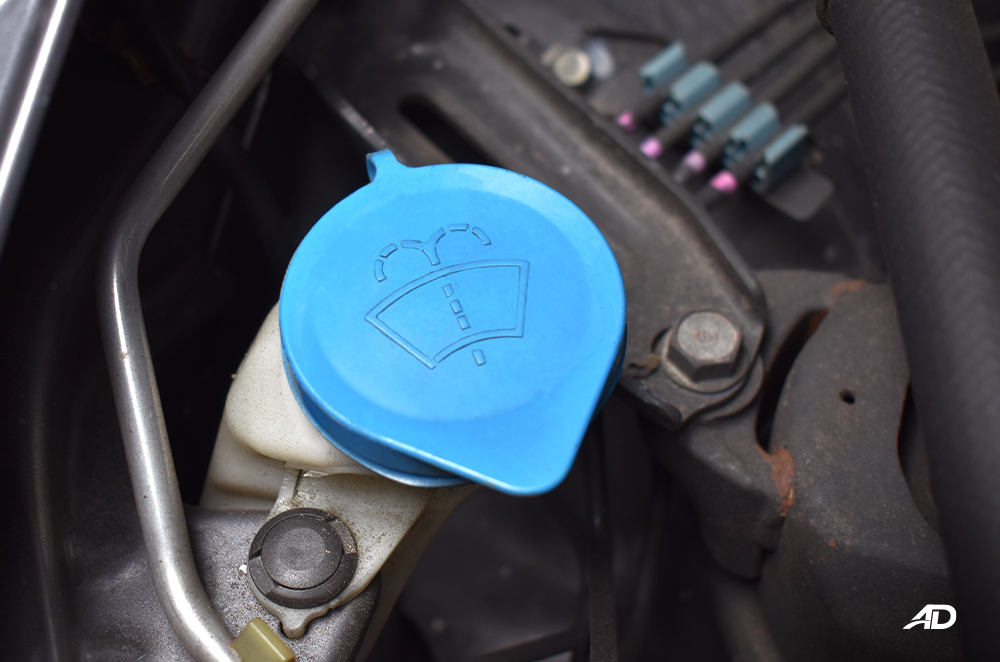
The windshield washer reservoir is the storage part of this system. It is often made of white or translucent plastic and sits under the hood, although its exact location depends on the vehicle. A cap with a windshield and water spray symbol often marks the filling point.
Knowing what the reservoir does makes routine car care easier. You can check the fluid level, refill the tank, spot signs of a leak, and decide when a repair is needed. The right fluid and proper care also help the system work in different weather conditions across the United States.
A windshield washer reservoir is a container that holds windshield washer fluid. It forms part of the vehicle’s windshield cleaning system. When you activate the washer control, the system draws fluid from this tank and sprays it onto the glass.
The reservoir is also called a windshield washer tank or washer fluid reservoir. These names usually refer to the same part. It is separate from the engine coolant reservoir, brake fluid reservoir, and other fluid containers under the hood.
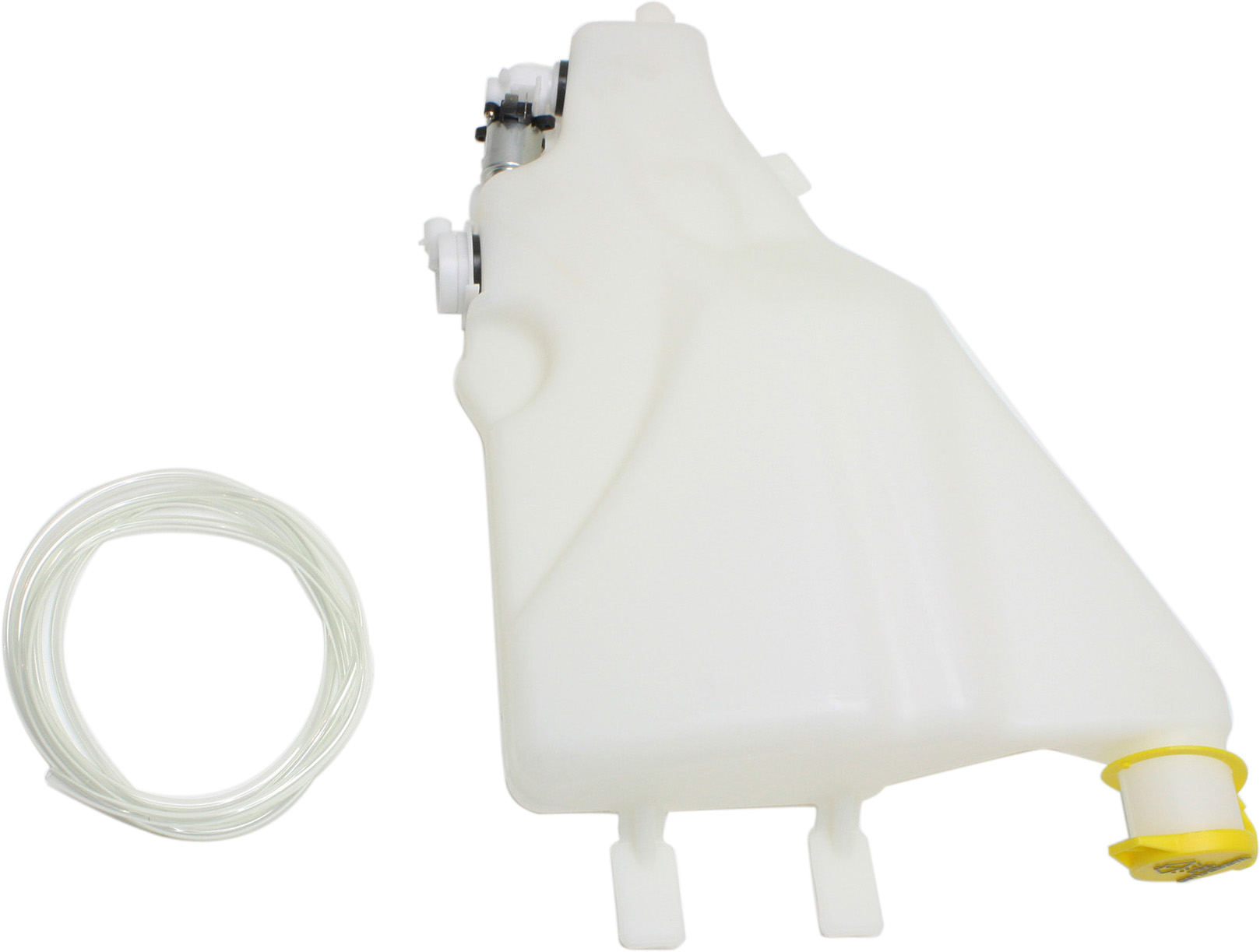
Many modern vehicles use a molded plastic tank that can resist normal heat, vibration, and exposure to automotive fluids. Some tanks are translucent, so you can see the fluid level through the side. Others have shapes or locations that make the level hard to see.
The tank does more than hold liquid. It keeps a ready supply of cleaning fluid available whenever road grime builds up. Without enough fluid, the washer pump may not deliver a useful spray, even if the wipers still move.
Source: m.media-amazon.com
Main purpose
Stores washer fluid so the system can clean the windshield when needed.
Common material
Usually molded plastic designed for use in the engine bay or another protected area.
Common location
Often under the hood, near a front fender or headlight, depending on the vehicle design.
Related parts
Works with a pump, electrical connections, hoses, spray nozzles, and the windshield wipers.
Is the Reservoir the Same as the Washer Pump?
No. The reservoir stores the fluid, while the washer pump moves it through the system. The pump is often attached near the bottom of the tank, where it can draw fluid into the outlet hose.
Some vehicles use one pump for the front windshield and another for the rear window. Others use a reversible pump or a different hose arrangement to direct fluid where it is needed. The exact design varies by make and model.
Reservoir
Holds the washer fluid.
Pump
Moves fluid from the tank into the washer lines.
Nozzles
Direct the fluid onto the glass.
Where Is the Windshield Washer Reservoir Located?
The windshield washer reservoir is usually under the hood, often near the front corner of the engine bay. In many cars, it sits behind a headlight or near a front fender. Some vehicles place part of the tank behind a bumper or wheel-well liner to save space.
There is no single location that applies to every vehicle. Engine layout, body style, and equipment can change where the tank sits. Your owner’s manual is the best source for the correct location and filling instructions.
Look for a plastic cap marked with a windshield and water spray symbol. The cap may be blue, black, or another color. Color alone is not a reliable way to identify the correct tank, so check the symbol and manual before adding fluid.
Before opening the hood, park on level ground, switch off the engine, and allow hot parts to cool. Keep loose clothing and hands away from moving parts. Never remove a cap until you are sure it belongs to the washer system.
Source: m.media-amazon.com
Open the hood safely
Park, turn off the engine, secure the vehicle, and follow the hood-opening instructions in the owner’s manual.
Find the washer symbol
Look for a cap with a windshield and spray marking rather than relying only on its color.
Check the manual
Use the vehicle-specific diagram if the tank is hidden or difficult to reach.
Avoid fluid mix-ups
Do not add washer fluid to the engine coolant, brake fluid, or engine oil system.
How Can You Tell the Washer Reservoir Apart From Other Tanks?
The washer reservoir usually has a cap with a windshield spray symbol. The coolant tank often has temperature warnings, while brake fluid and engine oil have their own labels or symbols. The shapes and locations also differ between vehicles.
If a cap is unmarked or you cannot identify the container with confidence, stop and consult the owner’s manual. Adding the wrong fluid can cause expensive damage and may create a safety risk.
Washer fluid tank
Usually marked with a windshield and spray symbol.
Coolant reservoir
Often carries a coolant or temperature warning and may be pressurized when hot.
Brake fluid reservoir
Usually sits near the brake master cylinder and has brake-related markings.
How Does a Windshield Washer Reservoir Work?
The reservoir supplies washer fluid to the pump whenever you use the washer control. The pump then pushes fluid through hoses and out of the spray nozzles. The fluid wets the glass, helping the wipers remove loose dirt and road film.
The process starts when you pull or press the washer control, depending on your vehicle. An electrical signal activates the pump. Fluid travels from the tank through a hose, reaches the nozzle, and sprays onto the windshield.
The windshield wipers often move automatically during a wash cycle. Their job is to spread the fluid and carry away loosened grime. Washer fluid and wipers work together, but neither can fully replace the other.
Some vehicles also use a separate washer system for the rear window or headlight lenses. A vehicle may have more than one reservoir, or it may use a shared tank with separate pumps and lines. Check the manual to understand your vehicle’s layout.
Source: cld.partsimg.com
Step 1: Fluid storage
The reservoir holds enough washer fluid for repeated cleaning cycles.
Step 2: Pump activation
The washer switch signals the pump to move fluid.
Step 3: Fluid delivery
Hoses carry fluid from the reservoir to the spray nozzles.
Step 4: Glass cleaning
The nozzles spray the glass, and the wipers clear away loosened dirt.
Why Does the Reservoir Need to Be Near the Pump?
The reservoir must supply fluid to the pump through an intake. Placing the pump near the tank can reduce the length of the intake path and help the system fit within the vehicle’s design.
The pump also needs enough fluid to work as intended. Running the washer system with an empty tank can prevent normal fluid delivery and may stress some pump designs. Refill the tank when the level is low rather than repeatedly running the pump without fluid.
Reliable fluid supply
A filled tank allows the pump to draw fluid into the washer lines.
Reduced interruptions
Checking the level before a trip helps prevent an empty tank when the glass becomes dirty.
What Is the Windshield Washer Reservoir Made Of?
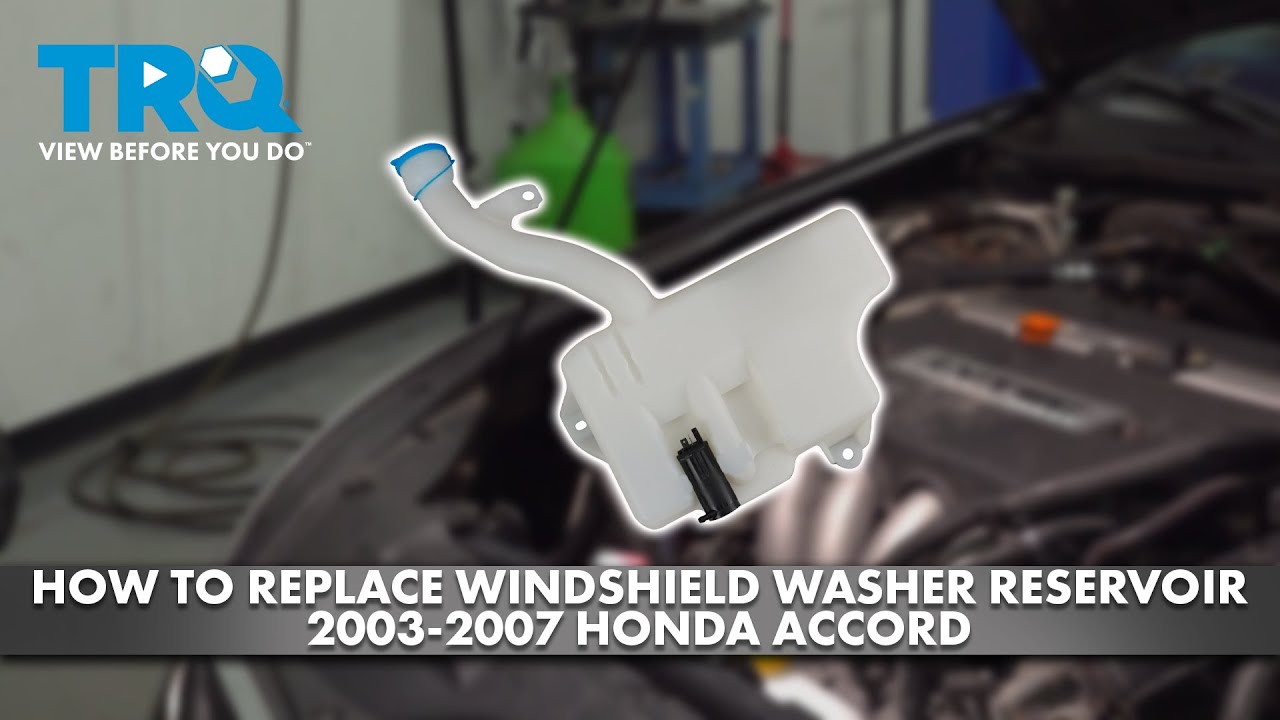
Most windshield washer reservoirs are made from molded plastic. This material allows manufacturers to shape the tank around other parts in the engine bay. Plastic also keeps the assembly relatively light and can be formed with mounting points and hose connections.
The tank must handle normal vehicle vibration, temperature changes, and contact with approved washer fluid. Even so, plastic can become damaged by age, impact, incorrect installation, or exposure to unsuitable chemicals.
Some reservoirs are translucent, while others are partly or fully hidden. A translucent tank may let you check the fluid level without removing the cap. If you cannot see the fluid, use the fill markings or the method listed in the owner’s manual.
Source: i.ytimg.com
Lightweight construction
Plastic helps keep the assembly light while allowing complex shapes.
Molded connections
The tank can include ports for the pump, hoses, sensors, and mounting hardware.
Potential wear
Cracks, damaged fittings, or a worn sealing surface can lead to leaks.
Can a Plastic Washer Reservoir Crack?
Yes. A reservoir can crack after an impact, from stress around a mounting point, or as the material ages. Freezing can also contribute to damage if unsuitable fluid expands inside the tank or lines.
A cracked tank may leak slowly while parked or lose fluid quickly after a refill. Small cracks can be hard to see when the reservoir is installed, so a mechanic may need to inspect it from below or remove nearby parts.
Visible crack
A split or damaged section may show where fluid escapes.
Wet tank surface
Fresh moisture around the tank or a fitting can point to a leak.
Repeated fluid loss
A falling fluid level without normal use suggests that the system needs inspection.
How to Check and Refill a Windshield Washer Reservoir
Checking and refilling the reservoir is a simple maintenance task for many vehicles. You need the correct washer fluid and safe access to the filling point. Read the owner’s manual first if the reservoir is hidden, the cap is unclear, or the vehicle has special filling instructions.
Use a washer fluid that suits your climate and vehicle. In colder parts of the United States, choose a product rated for the temperatures you expect. In warmer areas, a suitable all-season fluid may be enough, but local weather and the product label should guide the choice.
Do not assume that plain water is a good year-round replacement. It may freeze in cold weather, and it generally lacks the cleaning agents found in washer fluid. Water may also leave deposits in some conditions, while a freezing tank or hose can interrupt the system and cause damage.
Source: highlinewarren.com
Step 1: Park safely
Switch off the engine, park on level ground, and let hot engine parts cool.
Step 2: Identify the tank
Find the reservoir cap marked with the windshield spray symbol.
Step 3: Check the level
Look through the tank if it is translucent, or follow the manual’s instructions.
Step 4: Add the correct fluid
Open the washer cap and pour in the approved fluid carefully, using a clean funnel if needed.
Step 5: Close the cap
Secure the cap and wipe away any spilled fluid.
Step 6: Test the system
Use the washer control briefly when it is safe to do so and check that fluid reaches the windshield.
How Much Washer Fluid Does the Reservoir Hold?
Reservoir capacity depends on the vehicle. Small cars, large SUVs, pickup trucks, and vehicles with headlight washers can have different tank sizes. There is no single capacity that applies to every model.
Check your owner’s manual for the stated capacity when you need an exact amount. In many cases, you can refill the tank until it reaches the recommended fill level without measuring the total volume. Do not force more fluid into a full tank or ignore a maximum fill mark.
Check vehicle specifications
Use the manual or service information for the exact reservoir capacity.
Fill carefully
Pour slowly to avoid spills and stop at the stated fill level.
Watch for leaks
If the tank will not hold fluid, inspect the tank and its connections instead of continuing to refill it.
Can You Mix Different Washer Fluids?
Some washer fluids can be mixed, but compatibility depends on their formulas and labels. Mixing products with different temperature ratings may also reduce the usefulness of the mixture in freezing weather.
When changing fluid types, follow the product instructions and vehicle manual. Avoid adding household cleaners, dish soap, or other unapproved chemicals. These products may cause excess foam, leave residue, damage components, or impair visibility.
Read the label
Check dilution directions, temperature ratings, and compatibility instructions.
Avoid household products
Use automotive washer fluid rather than improvised cleaning mixtures.
Common Windshield Washer Reservoir Problems
A washer system that fails to spray does not always have a bad reservoir. The tank may be empty, but a failed pump, blocked nozzle, loose hose, damaged wire, or frozen fluid can produce similar symptoms. Check the simple and safe causes before replacing parts.
Start by checking the fluid level and looking for visible leaks. Then listen for the pump when you activate the washer control, provided it is safe to do so. These checks can help narrow down the cause, but they cannot confirm every internal fault.
If the tank loses fluid while the vehicle is parked, inspect the ground and the area around the reservoir for fresh wet spots. Washer fluid may run along panels or underbody parts, so the place where it drips is not always directly below the leak.
Source: i.ytimg.com
Low or empty tank
The pump may have no fluid to draw into the hoses. Refill with suitable washer fluid and test the system.
Cracked reservoir
A damaged tank may leak after filling and may need replacement.
Loose or split hose
Fluid may escape before reaching the spray nozzles.
Failed pump
The pump may not run or may fail to move fluid even when the tank is full.
Ice can block the tank outlet, hoses, or nozzles when the fluid is not suited to the temperature.
Why Is Washer Fluid Leaking From the Reservoir?
A leak may come from a cracked tank, a loose pump seal, a damaged hose, or a poorly seated connection. A tank can also leak after an impact from road debris or a minor collision. The fluid level and location of the wet area help guide further checks.
If the reservoir empties soon after you fill it, avoid repeated refills until the source is found. A mechanic can inspect the tank, pump seal, hoses, and connections. Replacing the reservoir alone will not fix a leak caused by a damaged hose or seal.
Fluid leaks from the tank body
Look for cracks or damage to the plastic, including areas hidden behind nearby components.
Fluid leaks near the pump
The pump seal, outlet, or nearby hose may be damaged or loose.
Fluid leaks along a hose
A split line or loose fitting may let fluid escape before it reaches the nozzles.
What If the Washer Pump Makes No Sound?
If the tank has fluid but the pump makes no sound, possible causes include a failed pump, a blown fuse, a damaged wire, a faulty switch, or a control issue. A silent pump does not prove that the reservoir is defective.
Check the owner’s manual for the correct fuse information if you are comfortable doing so. Do not replace a fuse with one of a higher rating. If the fuse blows again, or if electrical testing is needed, have a qualified technician diagnose the fault.
Confirm the fluid level
Make sure the tank contains suitable fluid and is not frozen.
Check the fuse information
Use the correct vehicle-specific diagram and fuse rating.
Seek further diagnosis
A technician can test the pump, wiring, switch, and related controls.
Why Does the Pump Run but No Fluid Come Out?
A running pump with no spray can indicate an empty tank, a blocked intake, a frozen hose, a disconnected line, or clogged nozzles. The pump may also be worn and unable to create enough pressure to deliver fluid.
Check the tank level and look for obvious hose disconnections when the vehicle is off. If freezing is suspected, allow the system to thaw in a suitable warm environment and use fluid rated for the expected temperature. Do not pour boiling water onto the tank or use an open flame to thaw it.
Check for an empty tank
Refill with the correct fluid and test again.
Inspect visible hoses
Look for loose connections, splits, or signs of leakage.
Check for blockage or freezing
Use the approved cleaning or thawing method rather than sharp tools or direct heat.
When Should You Replace a Windshield Washer Reservoir?
A windshield washer reservoir usually needs replacement when the tank is cracked, badly damaged, or unable to hold fluid because of a defect in the tank body. A damaged mounting point may also make replacement necessary if the reservoir cannot be secured safely.
Not every washer problem requires a new tank. A faulty pump, worn seal, loose hose, blocked nozzle, or electrical issue may be repaired separately, depending on the vehicle’s design. Correct diagnosis can prevent the cost of replacing a part that still works.
Replacement difficulty varies widely. Some tanks are easy to reach from the engine bay, while others sit behind a bumper, wheel-well liner, or headlight. A repair may require removing trim or nearby parts, so check the service procedure before starting the job.
Source: i.ytimg.com
Replace when the tank is cracked
A damaged tank body may not hold fluid reliably, even if a temporary seal appears to work.
Inspect the mounting points
Broken mounts can let the tank move and put stress on hoses and electrical connections.
Check the pump and seals first
A leak around the pump may need a seal or pump repair rather than a complete tank replacement.
Confirm the correct replacement
Match the part to the exact vehicle, model year, engine, and equipment where required.
Can You Repair a Cracked Washer Reservoir?
A repair may seem possible for a small crack, but its success depends on the plastic type, crack location, and repair method. Washer fluid, vibration, and temperature changes can weaken an unsuitable patch. Some adhesives do not bond well to the plastic used in automotive tanks.
For a tank that must hold fluid reliably, replacement is often the more dependable option when the tank body is damaged. Follow vehicle service guidance and use a repair method specifically approved for the material if a repair is permitted.
Small surface damage
A technician can assess whether the tank material and damage permit a lasting repair.
Large cracks or broken mounts
Replacement is often more practical than trying to patch a structurally damaged tank.
What Should You Check Before Buying a Replacement?
The replacement must fit the vehicle’s mounting points and accept the correct pump, seals, hoses, and sensors. A tank that looks similar may have different connections or a different shape. Compare the original part number with the replacement listing or ask a parts professional to verify compatibility.
Check whether the vehicle uses a fluid-level sensor, a rear-window washer connection, or headlight washer equipment. These features can change the tank design. Use the vehicle identification number when a parts supplier offers a fitment check, and confirm the result before ordering.
Vehicle fitment
Confirm the make, model, year, trim, and relevant equipment.
Pump and sensor openings
Make sure the tank supports the components used by the original system.
Included parts
Check whether the replacement includes only the tank or also supplies a pump, seal, cap, or other hardware.
How to Maintain a Windshield Washer Reservoir
Basic maintenance helps the washer reservoir remain ready for use. Check the fluid level regularly, especially before long trips, during pollen season, and after driving on roads treated with salt. Refill the tank when needed instead of waiting until the windshield becomes dirty.
Use washer fluid that matches the weather. Drivers in northern states may need a winter-rated product to reduce the risk of freezing, while drivers in warmer regions should still consider seasonal temperature changes. Read the product label for its intended use and temperature limits.
Inspect the visible tank and hoses from time to time. Look for cracks, loose fittings, damaged wiring, and wet areas around the pump. Do not reach near moving belts or fans while the engine is running, and let hot parts cool before working under the hood.
Keep the filling cap clean and secure it after each refill. Dirt that enters the tank may contribute to blockage, while a loose cap can allow contaminants to enter. If the fluid becomes cloudy or the system repeatedly clogs, follow the vehicle maker’s guidance for cleaning or servicing the system.
Source: i.ytimg.com
Check before travel
Verify the fluid level before road trips or driving in conditions likely to dirty the windshield.
Use seasonal fluid
Choose a product rated for the coldest conditions you expect to encounter.
Inspect for leaks
Look for visible damage and fluid around the tank, pump, and hoses.
Keep the cap secure
Close the filling point properly to reduce contamination.
Address problems early
Investigate repeated fluid loss, weak spray, or unusual pump noise before the system stops working.
Does Washer Fluid Expire?
Washer fluid does not have one universal shelf life for every formula. Storage conditions, packaging, and product instructions matter. Check the label and follow the manufacturer’s storage guidance.
Do not use a product that has been contaminated or stored in a damaged container. If a fluid looks unusual or has been mixed with an unknown substance, consult the manufacturer before putting it into the vehicle.
Check the label
Follow the stated storage and use instructions.
Avoid contamination
Keep the container closed and use clean filling equipment.
Can You Use Water Instead of Washer Fluid?
Water alone is not a dependable year-round substitute for automotive washer fluid. It lacks the same cleaning formula, may freeze in cold weather, and can leave deposits depending on the water and conditions. Frozen fluid can block the system and may damage the tank or hoses.
Use washer fluid designed for vehicles and suited to the expected temperature. If an emergency leaves you without washer fluid, stop somewhere safe and clean the windshield by another suitable method before continuing when visibility is poor. Do not rely on a dry wiper to clear heavy grime.
Cold weather
Water can freeze in the tank, hoses, and nozzles.
Cleaning performance
Automotive washer fluid is formulated to help remove common road film and dirt.
Best practice
Use a compatible product and follow the vehicle and product instructions.
Windshield Washer Reservoir vs. Other Vehicle Fluid Tanks
Vehicles have several fluid containers, and their similar appearance can cause confusion. The windshield washer reservoir is designed for cleaning fluid, not for cooling the engine, lubricating parts, or supplying the brakes. Each system uses its own fluid and has different service needs.
The table below explains the basic differences. Because layouts vary, use the labels and owner’s manual to identify each container before adding or removing fluid.
Source: i.pinimg.com
Key Differences Between Common Reservoirs
The safest way to identify a reservoir is to check its label, cap symbol, and location against the vehicle manual. Never identify a fluid container by its shape or cap color alone.
Windshield washer reservoir
Stores washer fluid for cleaning the windshield and, on some vehicles, other glass or headlight lenses.
Engine coolant reservoir
Holds coolant used by the engine cooling system. It may be pressurized and can cause burns if opened while hot.
Brake fluid reservoir
Holds brake fluid for the hydraulic braking system. Use only the specified fluid and seek help if the level is low without a clear service explanation.
Engine oil filling point
Allows engine oil to be added to the engine. It is usually a filler opening with an oil symbol rather than a washer-fluid tank.
Safety Tips for Working With Washer Fluid
Washer fluid should be handled according to the product label. Some formulas contain alcohols or other ingredients that can be harmful if swallowed or misused. Keep the container away from children and pets, and avoid contact with your eyes.
Park safely before checking the tank, and never perform under-hood work in a traffic lane. Turn off the engine and allow hot components to cool. Keep hands clear of fans, belts, and other moving parts.
Do not confuse the washer reservoir with the coolant expansion tank. Coolant systems can remain hot and pressurized after the engine stops. Opening a hot coolant cap can release scalding liquid or steam.
If you spill washer fluid, follow the product label for cleanup. Keep it away from drains and areas where children or animals may come into contact with it. If fluid enters the eyes or is swallowed, follow the label’s first-aid guidance and contact an appropriate poison control or medical service.
Source: autodeal.com.ph
Read the product label
Follow instructions for use, storage, first aid, and disposal.
Do not mix unknown fluids
Avoid adding household chemicals or unidentified liquids to the reservoir.
Protect your hands and eyes
Avoid splashes and use protective equipment when the product label calls for it.
Stop if visibility is poor
Pull over at a safe location before trying to clean a dirty windshield or diagnose a washer problem.
Get professional help when needed
Seek a qualified mechanic for hidden leaks, difficult access, electrical faults, or uncertain repairs.
Frequently Asked Questions
Q
What Does a Windshield Washer Reservoir Do?
A windshield washer reservoir stores the fluid used to clean your windshield. When you activate the washer control, a pump sends fluid through hoses to the spray nozzles. The wipers then help clear the loosened dirt from the glass.
Q
Can I Drive With an Empty Windshield Washer Reservoir?
The vehicle may still operate with an empty washer reservoir, but you lose the ability to spray washer fluid when needed. This can become a visibility problem if mud, road salt, bugs, or other grime covers the windshield. Refill the tank before driving when possible, and stop safely if poor visibility makes continued driving unsafe.
Q
How Do I Know if My Windshield Washer Reservoir Is Broken?
Signs include repeated fluid loss, visible cracks, wet areas around the tank, and fluid leaking after a refill. However, a worn pump seal or damaged hose can produce similar symptoms. Inspect the tank and connections or have a mechanic identify the source before buying a replacement.
Q
How Much Does It Cost to Replace a Windshield Washer Reservoir?
The total cost depends on the vehicle, replacement part, labor rate, and how much surrounding equipment must be removed. A tank that is easy to reach may cost less to replace than one hidden behind a bumper or wheel-well liner. Ask for a quote that separates the part, labor, and any needed pump, seal, or sensor.
Q
Does Every Car Have a Windshield Washer Reservoir?
Most modern passenger vehicles with a powered windshield washer system have a reservoir. The tank size, location, and number of pumps vary by model. Some vehicles also provide washer fluid to the rear window or headlight cleaning system.
Q
Can a Windshield Washer Reservoir Freeze in Winter?
Yes. Fluid can freeze when its temperature rating is too warm for the conditions. Ice can block the pump intake, hoses, or nozzles and may damage components as it expands. Use washer fluid rated for the temperatures you expect, and allow a frozen system to thaw safely rather than applying direct flame or boiling water.
Q
Why Does My Washer Fluid Run Out So Quickly?
Frequent use can empty a small reservoir, especially on dirty or salt-treated roads. If the fluid level drops while the washer is not being used, a cracked tank, leaking pump seal, or damaged hose may be responsible. Check for visible leaks and have the system inspected if fluid loss continues.
✦ Wrapping Up
Conclusion
A windshield washer reservoir is a simple but useful part of your vehicle. It stores washer fluid and supplies the pump that sends the fluid to the windshield. Together, the tank, pump, hoses, nozzles, and wipers help keep your view clear on American roads.
Routine checks can help you catch an empty tank, a leak, or a damaged connection before the washer system fails. Use the right fluid for your climate, identify the correct cap before filling, and follow your owner’s manual for service details. If the reservoir cannot hold fluid or the system still fails after basic checks, have the cause diagnosed before replacing parts.
💡 Key Takeaway
Before your next trip, locate the washer reservoir, check its fluid level, and top it up with compatible washer fluid rated for your local weather. If the fluid leaks or the spray does not work, inspect the system safely or ask a qualified mechanic for help.
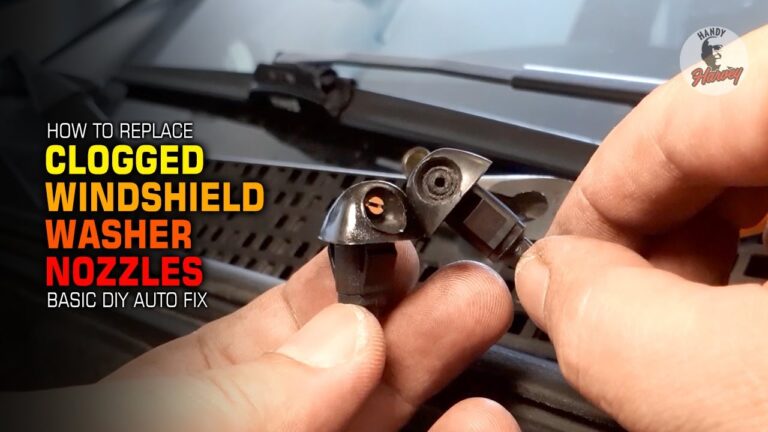
Learn how to install a windshield washer nozzle on a U.S. vehicle, including tools, removal, hose connection, aiming, testing, troubleshooting, and safety tips.
Learn how to wash inside car windshield glass without streaks using microfiber towels, a suitable glass cleaner, and simple steps for a clear driving view.