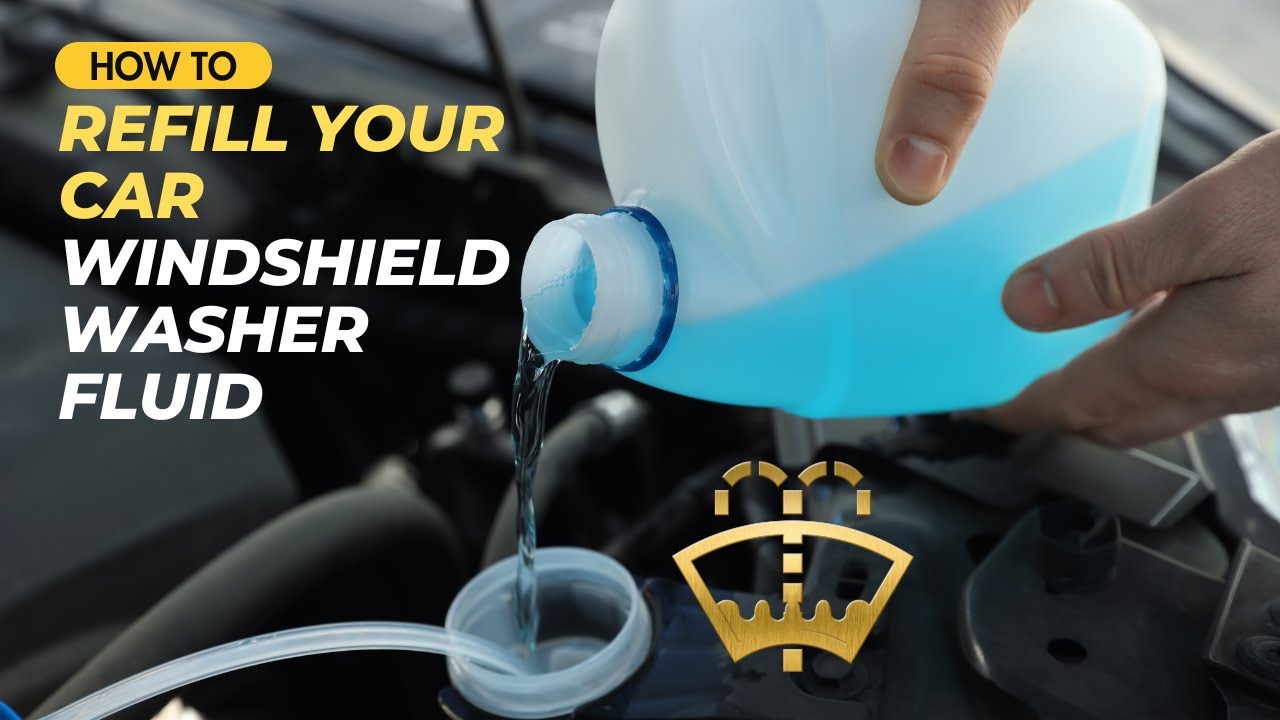
Windshield washer fluid cleans your vehicle’s windshield by loosening dirt, dust, road grime, bugs, and other debris so your wipers can clear the glass and help you see the road.
Across the United States, drivers face many kinds of windshield grime. Spring brings pollen, summer roads leave bug splatter, and rain can mix dust and oil into a film on the glass. Winter may add road salt, slush, and ice. Windshield washer fluid helps remove these deposits while you drive, keeping your view clearer when traffic, weather, or road conditions demand your full attention.
The fluid works with your vehicle’s washer pump, spray nozzles, and wiper blades. When you activate the washer control, the system sprays fluid onto the windshield and the wipers sweep it across the glass. The right fluid can clean more effectively than plain water and may also resist freezing in cold weather. However, washer fluid does not replace worn wiper blades, repair damaged glass, or make it safe to drive when visibility is too poor.
Windshield washer fluid removes surface grime from your windshield so you can see more clearly while driving. It wets the glass, helps loosen stuck-on material, and allows the wiper blades to sweep away the dirty liquid. This can improve visibility when dust, bugs, pollen, or road spray builds up during a trip.
The fluid is more than colored water. Many automotive formulas contain water, cleaning agents, and other ingredients selected for the product’s intended use. Some formulas also contain substances that lower the freezing point, helping the liquid remain usable in cold weather. The exact ingredients and performance vary by product.
A clean windshield matters because glare, sunlight, headlights, and rain can make a dirty surface harder to see through. Washer fluid can help remove the film that contributes to this problem. It cannot guarantee clear vision in every condition, so drivers should also slow down, leave more space, and stop when they cannot see safely.
Source: evpulsecms.com
Removes everyday dirt
It helps clear dust, mud splashes, pollen, and road grime that collect on the windshield.
Loosens bug residue
Cleaning agents help wet and loosen insect remains that may dry onto the glass, particularly during warm-weather driving.
Helps clear road film
Suitable automotive formulas can help remove oily deposits and traffic residue that plain water may not lift well.
Supports cold-weather use
A winter-rated formula can reduce the risk of the fluid freezing in the reservoir and washer lines under its stated temperature conditions.
Works with the wipers
The fluid and wiper blades work as a system. The liquid loosens grime, while the blades move it off the glass.
Why Clean Glass Matters for Driving Safety
A dirty windshield can scatter light and make details harder to distinguish. That can be a problem when facing low morning sun, bright headlights at night, or spray from a truck ahead. Cleaning the glass helps reduce one avoidable source of visual obstruction.
Washer fluid is a driving aid, not a reason to keep going through severe weather. If the windshield remains blocked by ice, heavy spray, or stubborn dirt, find a safe place to stop and clean it properly before continuing.
What Washer Fluid Cannot Do
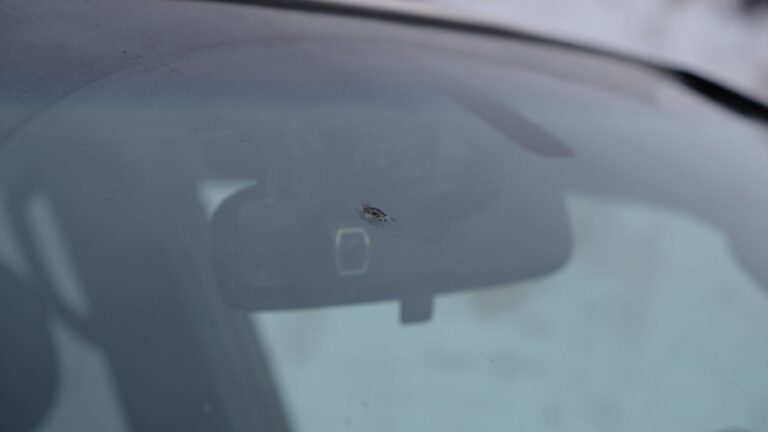
Windshield washer fluid cannot fix scratches, chips, cracks, or worn wiper blades. It also cannot correct a failed washer pump or a blocked fluid line. If the glass remains smeared after cleaning, the problem may be the blades, the glass surface, or the type of deposit rather than the amount of fluid.
It does not replace wiper maintenance
Blades that skip, chatter, or leave broad streaks may need cleaning or replacement.
It does not make driving through ice safe
Do not rely on washer fluid alone to remove thick ice. Use the vehicle’s approved defrosting method and remove ice before driving.
How the Windshield Washer System Works
A windshield washer system uses a reservoir, an electric pump, hoses, spray nozzles, and wiper controls to deliver fluid to the glass. When you activate the washer control, the pump moves liquid through the hoses and out of the nozzles. The wipers usually move across the windshield to spread the fluid and remove the loosened dirt.
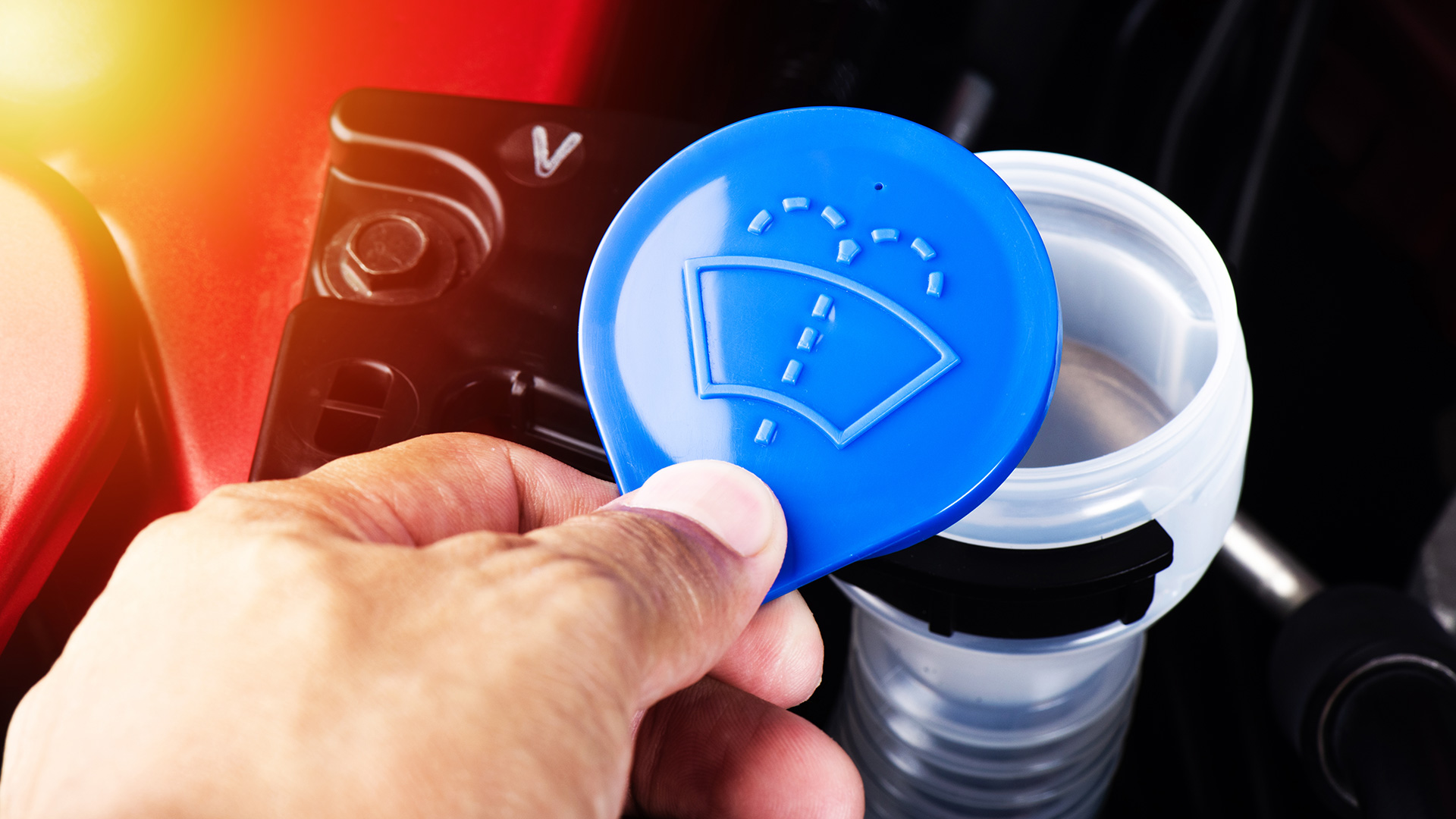
The reservoir stores the washer fluid between uses. Its size and location vary by vehicle, so the owner’s manual is the best guide when you need to find it. Many reservoirs have a cap marked with a windshield-and-spray symbol, but the symbol and cap color can vary.
The spray nozzles direct fluid onto the windshield. Some vehicles use small fixed jets, while others use a different spray pattern. If the spray becomes weak or uneven, the cause may be a low fluid level, a blocked nozzle, a damaged hose, or a failing pump.
Source: bartlett-auto.com
Reservoir
Holds the washer fluid and usually sits under the hood or in another location specified by the vehicle maker.
Pump
Moves the fluid through the system when you activate the washer control.
Hoses and nozzles
Carry and spray the liquid onto the windshield.
Wiper blades
Sweep across the glass to move away fluid and loosened debris.
What Happens When You Press the Washer Control?
First, the washer pump draws fluid from the reservoir. Next, the liquid travels through the hoses and exits the nozzles. The wiper blades then sweep the wet glass, clearing the mixture of fluid and grime from your field of view.
Many vehicles link washer activation to an automatic wiper cycle, though the exact behavior depends on the model. Follow the owner’s manual for the correct control and operating method. Avoid repeatedly running a washer pump when the reservoir is empty, because dry operation may strain the system.
What Is Windshield Washer Fluid Made Of?
Most windshield washer fluids are blends designed to wet the glass and help remove road dirt. Water is often the main ingredient, while surfactants help loosen grime and allow the liquid to spread across the surface. Other ingredients may help control freezing, improve cleaning, or support storage stability.
There is no single formula for every washer fluid. A summer cleaner may focus on removing insects and road film, while a winter formula may use a different blend to resist freezing. Read the product label to understand its intended use, temperature rating, handling directions, and warnings.
Some products are sold ready to use, while others are concentrated and must be diluted according to the label. Using the wrong dilution can reduce cleaning performance or cold-weather protection. Never guess at a mixing ratio when the product provides specific instructions.
Source: i.ytimg.com
Water
Acts as the main liquid carrier in many formulas.
Cleaning agents
Help loosen dirt, insects, and other deposits from the glass.
Freezing-point modifiers
May help keep the fluid usable in cold weather, depending on the formula and its rating.
Other additives
May support cleaning, product stability, or other features described on the label.
Why Some Washer Fluids Are Blue or Another Color
Manufacturers may add dye to help distinguish washer fluid from other liquids. Color does not reliably prove that a product has a particular freezing point, ingredient list, or level of cleaning power. Always use the label rather than the color to identify the product.
Are All Windshield Washer Fluids the Same?
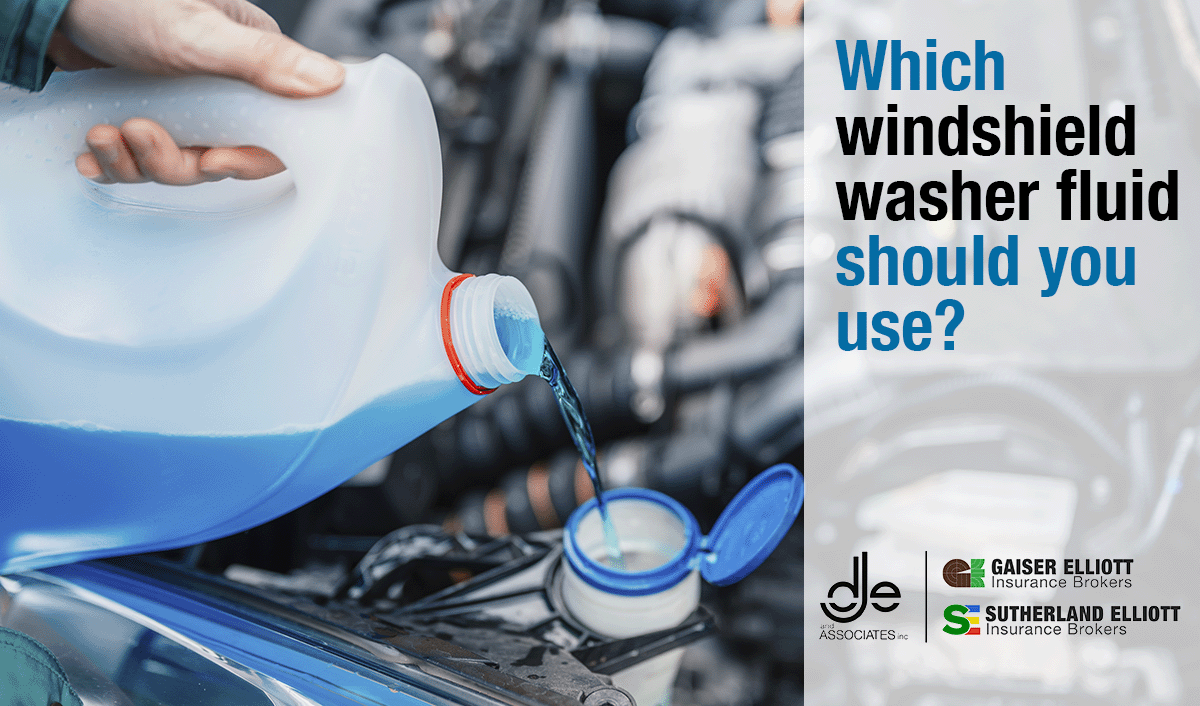
No. Products can differ in cleaning ingredients, temperature ratings, concentration, and intended season. Some are designed for warm climates, while others are made for freezing conditions or stubborn road film. A fluid’s suitability depends on your climate, vehicle guidance, and the job it is meant to do.
If your vehicle has a camera, sensor, or other equipment near the windshield, follow the manufacturer’s cleaning and maintenance directions. Do not assume that every product is approved for every surface or vehicle system.
How to Choose the Right Windshield Washer Fluid
Choose washer fluid based on the lowest temperatures you expect, the type of grime you encounter, and the instructions for your vehicle. A product suited to a mild summer may not protect against freezing winter weather. In colder parts of the United States, check the stated temperature rating before the first freeze rather than waiting until the system stops working.
The label should explain whether the product is ready to use or concentrated. It should also state its intended use and any handling precautions. If the owner’s manual specifies a fluid type or warns against certain additives, follow that guidance.
Avoid choosing a product only because of its color, scent, price, or broad marketing claims. The most useful comparison is whether it suits your climate and vehicle and can remove the deposits you commonly encounter.
Source: evpulsecms.com
For warm weather
A summer formula may be suitable when freezing temperatures are not expected. Look for cleaning performance aimed at bugs, dust, and road film.
For freezing weather
Select a winter-rated formula with a temperature rating appropriate for the conditions you expect. Leave a safety margin for sudden cold snaps.
For mixed seasons
Use a product suited to the coldest likely conditions during the period it will remain in the reservoir.
For concentrated products
Follow the exact dilution instructions. Adding too much water may reduce cleaning power or freezing protection.
For vehicles with special instructions
Check the owner’s manual before using a specialty formula or an additive that claims to repel water or provide another extra feature.
Summer Washer Fluid vs. Winter Washer Fluid
Summer washer fluid is generally intended for above-freezing conditions and may focus on removing insects and road film. Winter washer fluid is formulated to resist freezing at a stated temperature, but the actual protection depends on the product and its correct use.
A simple choice is to compare the forecast low temperature with the product’s label rating. For example, if your area may fall below freezing, a summer-only formula is a poor choice. Do not assume that mixing a small amount of winter fluid into an unknown amount of summer fluid guarantees adequate protection.
Summer formula
Best suited to conditions within the manufacturer’s stated temperature range.
Winter formula
Designed for colder conditions within its labeled limits.
All-season formula
May be practical where temperatures vary, but its stated rating still determines whether it suits local conditions.
How to Read a Washer Fluid Temperature Rating
Find the lowest operating temperature stated on the container and compare it with the weather where you drive. Treat the rating as a product specification, not a guarantee that every part of the washer system will remain functional in every situation. A frozen nozzle, ice-covered windshield, or unusually exposed hose can still cause problems.
If you live where severe cold is common, consult your vehicle manual and the product label before topping up. Do not heat frozen fluid with an open flame or pour boiling water into the reservoir. If the system freezes, allow it to thaw safely and have it checked if it does not work afterward.
How to Refill Windshield Washer Fluid Safely
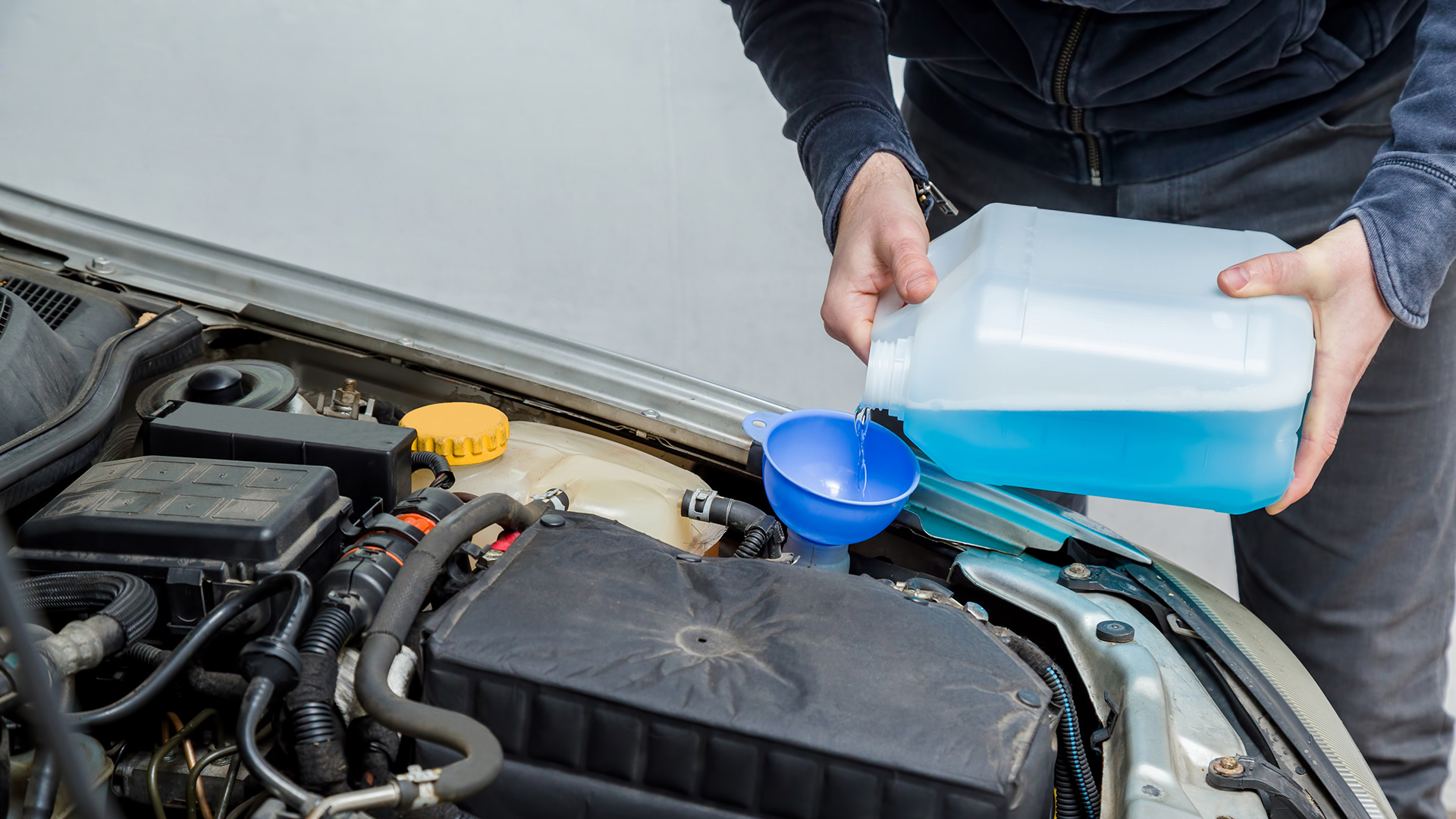
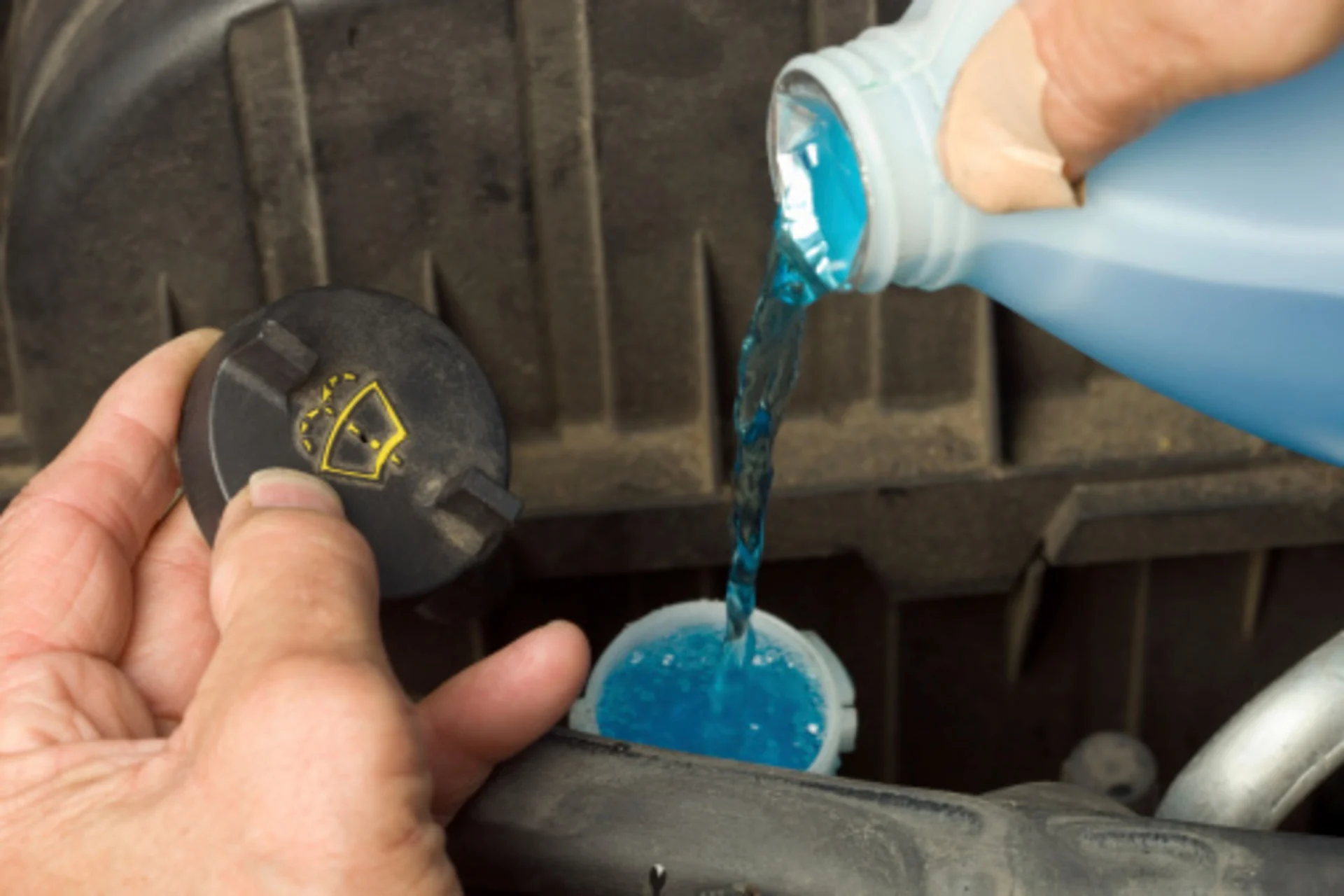
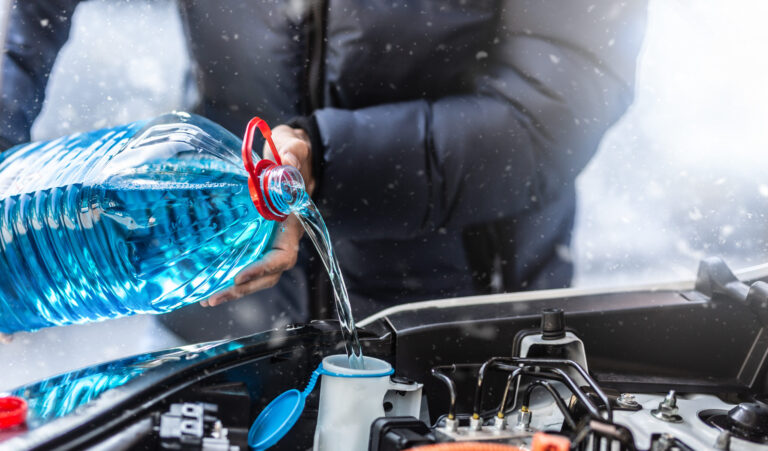
Refilling washer fluid is usually a simple maintenance task. You need the correct automotive washer fluid and access to the reservoir identified in your owner’s manual. Park on level ground, switch off the engine, and let hot engine parts cool before reaching under the hood.
Do not pour fluid into a container just because its cap looks familiar. The washer reservoir is separate from the engine coolant, brake fluid, and engine oil systems. Putting the wrong liquid in the wrong reservoir can cause damage and may require professional service.
Source: carblogindia.com
Step 1: Park safely
Stop on level ground, switch off the engine, set the parking brake, and wait for hot components to cool.
Step 2: Find the reservoir
Use the owner’s manual and look for the washer symbol or label. Do not open an unidentified reservoir.
Step 3: Check the product
Confirm that the fluid suits your climate and vehicle. If it is concentrated, prepare it exactly as directed on the label.
Step 4: Open the correct cap
Open the washer reservoir cap carefully and keep dirt out of the opening.
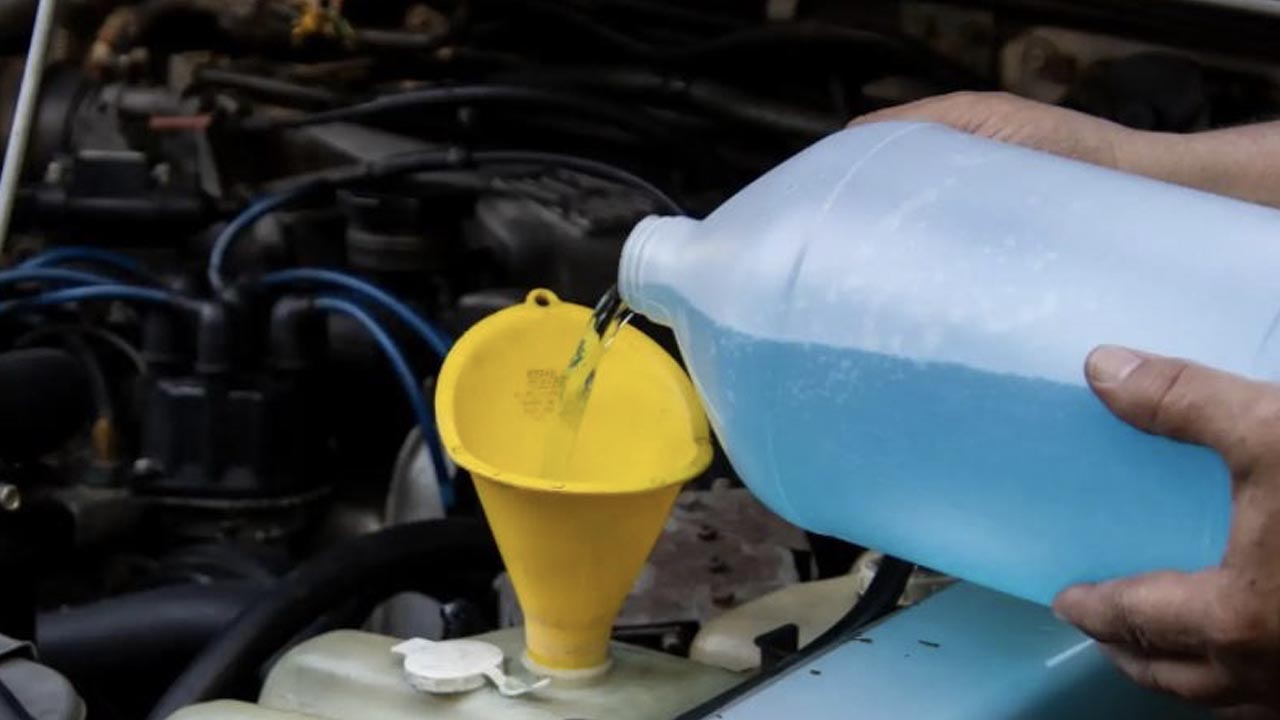
Step 5: Add fluid
Pour slowly and stop at the fill mark if one is provided. Do not overfill or spill fluid onto hot parts.
Step 6: Close the cap
Secure the cap and wipe away any spill. Store the container according to its label, away from children and pets.
Step 7: Test the system
With the vehicle in a safe, stationary position, operate the washer briefly and confirm that fluid reaches the glass and the wipers clear it.
How Often Should You Refill It?
There is no fixed refill schedule for every vehicle. Usage depends on how often you drive, road conditions, weather, the size of the reservoir, and how much fluid each wash cycle uses. Check the level regularly and top it up when it is low rather than waiting for the system to run dry.
Frequent use during insect season, dusty trips, or winter road spray can use fluid quickly. If the reservoir repeatedly empties without much use, look for a leak or have the system inspected.
What Does a Low Washer Fluid Warning Mean?
Some vehicles have a dashboard warning when the reservoir level falls below a set point. The sensor and warning design vary, and some vehicles have no low-fluid warning at all. If the light comes on, refill the correct reservoir and check whether the warning clears as described in the owner’s manual.
If the warning remains after filling, the sensor may be dirty or faulty, the reservoir level may still be low, or the vehicle may need a specific reset procedure. Do not ignore repeated warnings without checking the fluid level.
Can You Use Water Instead of Windshield Washer Fluid?
Plain water can rinse away some loose dirt, but it is usually not the best long-term substitute for automotive washer fluid. Water may not remove oily road film or dried bug residue as effectively, and it offers no reliable freeze protection. In cold weather, water in the reservoir or lines can freeze and stop the system from working.
Water quality also matters. Mineral deposits from hard water may leave marks on glass or contribute to residue in the system over time. Water alone does not provide the same blend of cleaning agents and other additives found in purpose-made washer fluid.
If water has already been added, consider the climate and the amount in the reservoir. Before freezing weather, use the vehicle manual and product instructions to determine the proper next step. If the system has frozen or you suspect damage, do not force the pump to run repeatedly.
Source: gbaike-image.cdn.bcebos.com
When water may help
It can rinse away loose surface dirt in a temporary situation when temperatures are safely above freezing, but it is not a dependable all-season solution.
Why water is limited
It may struggle with oily residue, provides no built-in freeze protection, and can leave mineral marks.
What to avoid
Do not rely on water alone when freezing temperatures are possible or when the glass needs stronger cleaning.
Can You Mix Water With Washer Fluid?
Mixing is appropriate only when the product label specifically calls for dilution or permits it. Ready-to-use fluids should generally be used as supplied. Adding water to a winter formula can reduce its resistance to freezing, so an otherwise suitable product may no longer protect the system as expected.
If you are unsure what is already in the reservoir, avoid guessing at the mixture. Check the label and owner’s manual, and seek help from a qualified service professional if freezing or contamination is a concern.
What Should You Never Put in the Washer Fluid Reservoir?
Use automotive windshield washer fluid that is compatible with your vehicle. Household glass cleaners, dish soap, vinegar mixtures, and other homemade solutions may contain ingredients or concentrations that are not suitable for the washer system. They can cause excess foam, leave residue, affect some materials, or reduce cleaning performance.
Do not use engine coolant, brake fluid, engine oil, or other vehicle fluids in the washer reservoir. These liquids are made for different systems and can cause contamination or damage. If you accidentally add the wrong substance, do not activate the washer system; consult the vehicle maker or a qualified repair shop about the correct cleanup procedure.
Many washer fluid products contain alcohols or other chemicals that require careful handling. Read the safety label, avoid contact with eyes and skin, and keep the product away from children and pets. Never drink washer fluid or transfer it to a food or drink container.
Source: images.twnmm.com
Household window cleaner
Do not assume a product made for home glass is approved for a vehicle’s washer system. Use it only if the vehicle manufacturer explicitly permits that product.
Dish soap or detergent
These products can create foam or leave residue and are not reliable substitutes for automotive washer fluid.
Homemade vinegar mixtures
Their performance and compatibility are uncertain, and they may not provide the cleaning or freeze protection your vehicle needs.
Engine coolant or brake fluid
These belong in their own designated systems. If one enters the washer reservoir, stop and seek service guidance.
Why Homemade Washer Fluid Can Be Risky
A homemade mixture may appear to clean the glass, but that does not prove it is suitable for the pump, hoses, seals, paint, or other surfaces it may contact. The freezing point can also be hard to predict without a tested formula and the correct concentration.
Commercial automotive washer fluid is labeled for a stated use and often includes handling directions. That makes it easier to select a product for the climate and use it as intended. If you prefer a specialty formula, check the label and vehicle guidance rather than relying on an unverified recipe.
Windshield Washer Fluid Problems and How to Troubleshoot Them
If the washer system does not work, begin with simple checks that do not require taking parts apart. Confirm the reservoir has fluid, check whether the system sprays at all, and look for visible leaks. The owner’s manual may identify fuses, warning lights, and model-specific procedures.
Do not keep running the pump if there is no fluid or the system appears frozen. Repeated attempts may place unnecessary strain on the pump. If basic checks do not reveal the cause, or you need to access electrical parts or remove components, consult a qualified technician.
Source: davidjelliott.ca
No fluid sprays
Possible causes include an empty reservoir, a frozen system, a blocked nozzle, a disconnected hose, a blown fuse, or a failed pump.
Only one nozzle sprays
A blocked nozzle or damaged hose may affect one side while the rest of the system works.
Fluid sprays weakly
The reservoir may be low, a nozzle may be partly blocked, or a hose or pump may have a problem.
Fluid leaks under the vehicle
A cracked reservoir, loose connection, or damaged hose may be allowing fluid to escape.
The windshield stays streaky
Dirty or worn wiper blades, residue on the glass, or an unsuitable cleaning product may be responsible.
Step-by-Step Checks When Nothing Sprays
First, check the fluid level and refill the correct reservoir if needed. Next, consider whether freezing temperatures could have frozen the fluid or nozzles. If the system is frozen, let it thaw safely in a suitable place instead of applying direct heat or forcing the pump to run.
If the reservoir is full and the system is not frozen, listen for the pump when you briefly operate the control while the vehicle is safely parked. A humming sound with no spray may point to a blockage, leak, or hose issue; silence may point to a fuse, electrical fault, control problem, or failed pump. These clues do not confirm a diagnosis, so consult the manual or a technician.
Check for fluid beneath the vehicle and inspect visible hoses only where access is safe. Do not reach near hot or moving engine parts. If a warning light remains on, the pump makes an unusual noise, or the reservoir empties quickly, arrange an inspection.
Why Washer Fluid Leaves Streaks
Streaks can result from worn rubber blades, dirt trapped on the blades, oily residue on the glass, or a cleaner that does not suit the deposit. A dirty windshield may need a proper manual cleaning with a product approved for automotive glass, followed by a check of the blades.
Inspect the wiper rubber for tears, hardening, or uneven contact. Replace blades according to the vehicle maker’s instructions when they no longer clear the glass properly. If the streaks remain after the glass and blades are clean, a service professional can check for surface damage or other issues.
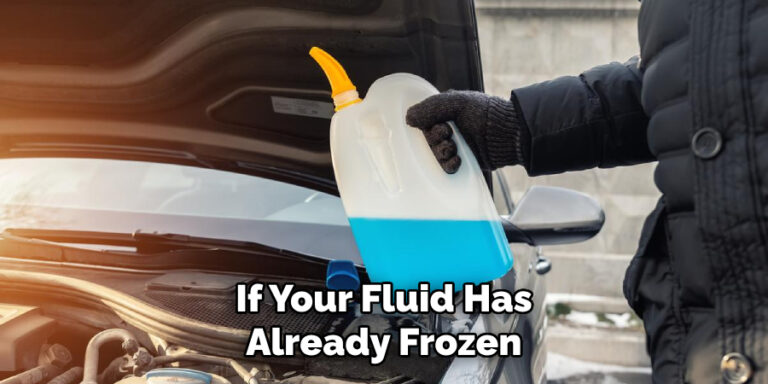
What to Do if the System Freezes
A frozen washer system may stop spraying even when the reservoir appears full. Move the vehicle to a warmer, sheltered place and allow the system to thaw naturally. Follow the owner’s manual and fluid label before using the washer again.
Do not use an open flame, a heat gun, or boiling water to thaw the reservoir or nozzles. Sudden heat can damage plastic parts or glass. After thawing, check for leaks and use an appropriate cold-weather formula before temperatures fall again.
How Windshield Washer Fluid Differs From Other Car Fluids
Windshield washer fluid is a cleaning liquid for the glass, not a fluid that lubricates or cools the engine. Other liquids under the hood have different jobs and must stay in their correct systems. Knowing the difference helps prevent costly mistakes when topping up routine fluids.
The washer reservoir is often identified by a windshield spray symbol. Engine coolant is held in a separate cooling system, brake fluid belongs in the brake system, and engine oil is added at the oil fill point. The location and design of these parts vary, so use the owner’s manual rather than relying on a cap’s color.
Source: evpulsecms.com
Washer fluid
Cleans the windshield when used with the washer pump and wiper blades.
Engine coolant
Helps manage engine temperature and must meet the vehicle maker’s specifications.
Brake fluid
Transfers force through the hydraulic brake system and requires the specified fluid type.
Engine oil
Lubricates engine parts and helps limit wear.
Best Practices for Keeping Your Windshield Clear
A clean windshield depends on more than the fluid in the reservoir. Keep the outside glass clean, maintain the wiper blades, and check the washer system before long trips or major weather changes. These simple checks can help you avoid a sudden loss of washer function when road spray or bugs cover the glass.
Use washer fluid when needed, but avoid repeated spraying when the reservoir is low. Keep the glass and blades free of built-up dirt, and replace blades when they no longer clear the surface well. If the vehicle has a rear washer, check that system too, since rear visibility matters when reversing or changing lanes.
In winter, clear snow and ice before driving and use the vehicle’s defroster as directed. Washer fluid is not a substitute for removing heavy ice. In summer, check fluid more often if you travel on dusty roads or encounter many insects.
Source: carblogindia.com
Check before long drives
Confirm that the reservoir contains enough fluid and that the washer sprays across the glass.
Maintain the wipers
Clean the blades as directed by the vehicle maker and replace damaged or ineffective blades.
Match fluid to the weather
Use a formula with an appropriate temperature rating for the conditions you expect.
Clean the glass when needed
Remove stubborn residue with an automotive-glass product suitable for the surface.
Once a month, or more often in harsh conditions, check the washer fluid level and look for signs of leakage. Test the spray pattern while parked safely, and make sure the wipers clear the glass without leaving broad streaks.
Before a cold spell, confirm that the fluid is rated for the expected temperatures. Before a long road trip, check the washer system along with tires, lights, and other basic vehicle items. If anything fails or looks damaged, resolve it before setting off.
Frequently Asked Questions
Q
Does windshield washer fluid clean the inside of the windshield?
No. The washer system is designed to spray fluid onto the outside of the windshield. To clean the inside, use an automotive glass cleaner that is suitable for interior glass and follow the product directions. Take care around dashboard materials, electronic displays, and sensors.
Q
Can windshield washer fluid remove ice?
Some winter formulas can help with light frost or thin ice under suitable conditions, but washer fluid should not be relied on to remove thick ice. Use the vehicle’s defroster and an appropriate ice scraper, and clear the windshield before driving. Follow the fluid label and owner’s manual.
Q
Can I use windshield washer fluid in any car?
Many automotive washer fluids work in a wide range of vehicles, but the correct choice depends on the vehicle maker’s guidance, the product label, and local weather. Check the manual if your vehicle has special requirements or if you plan to use a specialty formula.
Q
Why does my windshield washer fluid run out so quickly?
Frequent use can empty the reservoir faster than expected, especially during dusty trips, bug season, or winter driving. If the level drops quickly without much use, check for visible leaks and have the reservoir, hoses, and connections inspected if needed.
Q
Does windshield washer fluid expire?
Storage life varies by product. Check the container for an expiration date or storage guidance, and keep it sealed and stored as directed. If the product has changed in appearance, the container is damaged, or its condition is uncertain, follow the manufacturer’s advice instead of assuming it will perform as intended.
Q
Is windshield washer fluid harmful to people or pets?
Some formulas contain chemicals that can be harmful if swallowed or handled improperly. Read and follow the product’s safety label, avoid skin and eye contact, and keep the container away from children and pets. If exposure or ingestion occurs, follow the label’s emergency guidance and contact an appropriate poison-control or veterinary service as needed.
✦ Wrapping Up
Conclusion
Windshield washer fluid helps keep your view of the road clear by loosening dirt, bug residue, pollen, road film, and other grime. It works with the washer pump, spray nozzles, and wiper blades to remove deposits from the glass. The right formula can also help the system operate in cold weather when its temperature rating matches the conditions.
Choose automotive washer fluid that suits your vehicle and climate, follow the product label, and refill only the correct reservoir. Do not assume water or household cleaners are safe substitutes. If the washer system stops spraying, freezes, leaks, or leaves persistent streaks, check the simple causes safely and seek professional help when needed.
💡 Key Takeaway
Check your washer fluid level today, confirm that the product suits the temperatures you expect, and test the spray and wipers while parked safely. A working washer system is a small part of routine maintenance that can make a real difference to clear visibility.