Windshield washer fluid freezes when the temperature falls below the fluid’s freezing point. This often happens when the mixture contains too much water, the fluid is made for warmer weather, or the temperature drops below its rated cold-weather limit.
Across the United States, winter weather can change fast. A car in Minnesota may face a bitter overnight freeze, while a driver in Texas may only see a few cold mornings each year. In either case, the wrong windshield washer fluid can freeze inside the tank, hoses, or spray nozzles. It can also freeze on the glass before the wipers clear it.
Windshield washer fluid contains water, cleaning agents, and ingredients that lower its freezing point. Many winter blends use alcohol or other antifreeze agents to help them stay liquid in cold weather. If the fluid is too weak for the weather, it may turn slushy or solid. Even when the tank stays liquid, small amounts in exposed lines and nozzles may freeze first.
The fix depends on where the fluid froze and why. Using a winter-rated product, avoiding excess dilution, and allowing a frozen system to thaw are key steps. Never pour engine coolant into the washer tank or keep running a pump that may be frozen. These mistakes can damage parts or create a serious visibility hazard.
Windshield washer fluid freezes because its water content can turn to ice when the surrounding temperature falls below the mixture’s freezing point. The fluid is designed to resist freezing, not to remain liquid at every possible temperature. If the cold exceeds its protection limit, the mixture may become slushy or solid.
The freezing point depends on the ingredients and their amounts. Many products use alcohol-based antifreeze agents to lower the temperature at which ice forms. Other ingredients help remove dirt, road film, and insects. A formula made for mild weather may not offer enough protection for a severe winter night.
Freezing can affect more than the reservoir. Fluid sits in narrow hoses and exposed nozzles, where it may cool quickly. A frozen nozzle can stop the spray even when the tank still contains liquid. This is why a washer system can fail in cold weather without the whole reservoir freezing.
Source: storage.googleapis.com
Low temperatures
Cold weather can exceed the temperature range printed on the fluid label.
Too much water
Water added to the mixture can raise its freezing point and weaken its winter protection.
Frozen lines or nozzles
Small amounts of fluid in exposed parts can freeze even when the reservoir remains liquid.
Wrong seasonal formula
A warm-weather blend may clean the windshield well but lack enough freeze protection for winter.
How Antifreeze Ingredients Lower the Freezing Point
Pure water freezes at 32 degrees Fahrenheit, or 0 degrees Celsius, under normal conditions. When a suitable dissolved substance mixes with water, it can lower the temperature at which the mixture begins to freeze. This effect is called freezing-point depression.
Washer fluid makers use this principle to create products for different climates. The exact protection depends on the formula and concentration. A label that lists a rating of minus 20 degrees Fahrenheit means the product is designed for that stated temperature range under the maker’s test conditions. It does not mean every part of the washer system is guaranteed to work in all conditions at that temperature.
Check the label
Use the stated freezing protection rather than relying on color, smell, or a general claim that the fluid is suitable for winter.
Follow dilution directions
Concentrates must be mixed as directed. Adding extra water can reduce cold-weather performance.
The Main Reasons Windshield Washer Fluid Freezes
Several common problems can make washer fluid freeze. The most useful first step is to check the product label, recent refills, and local overnight temperatures. These details often explain why a washer system that worked the day before suddenly stops spraying.
Do not assume a frozen system means the fluid is defective. The formula may be suitable for warmer weather but not for the cold snap your area is facing. The problem may also be a mix of old fluid and a new product with a different level of protection.
Source: storage.googleapis.com
Summer fluid left in the tank
A warm-weather product may have little or no protection against freezing. It can become slushy when temperatures drop.
Water added during a refill
Topping off washer fluid with plain water can weaken the mixture. Even a winter product may lose some of its rated protection if it is diluted beyond its instructions.
Temperatures below the rating
A fluid rated for moderate cold may freeze during an unusually severe cold spell.
Old fluid left in the lines
A new winter blend in the tank may not protect older, weaker fluid trapped in the hoses or nozzles.
A frozen spray nozzle
A nozzle can freeze first because it holds a small amount of fluid and is exposed to cold air.
Why Diluted Washer Fluid Freezes More Easily
Dilution is one of the most common reasons for poor freeze protection. When water makes up a larger share of a washer fluid mixture, the mixture may begin to freeze at a warmer temperature. The amount of protection lost depends on the product’s formula and how much water was added.
For example, imagine that a driver uses a winter blend rated for minus 20 degrees Fahrenheit. If the driver adds a large amount of water, the final mixture may no longer meet that rating. The exact new freezing point cannot be calculated reliably without knowing the formula and the dilution ratio.
If you need winter protection, do not guess at the mix. Follow the label, and avoid mixing products unless the manufacturer confirms that they are compatible. When a system already contains a weak mixture, allow it to thaw and replace it with suitable fluid according to the vehicle and product instructions.
Avoid topping off with water
Plain water is not a good choice when freezing weather is expected.
Do not assume all blends match
Different products may have different formulas and protection limits.
Why Washer Fluid Can Freeze on the Windshield
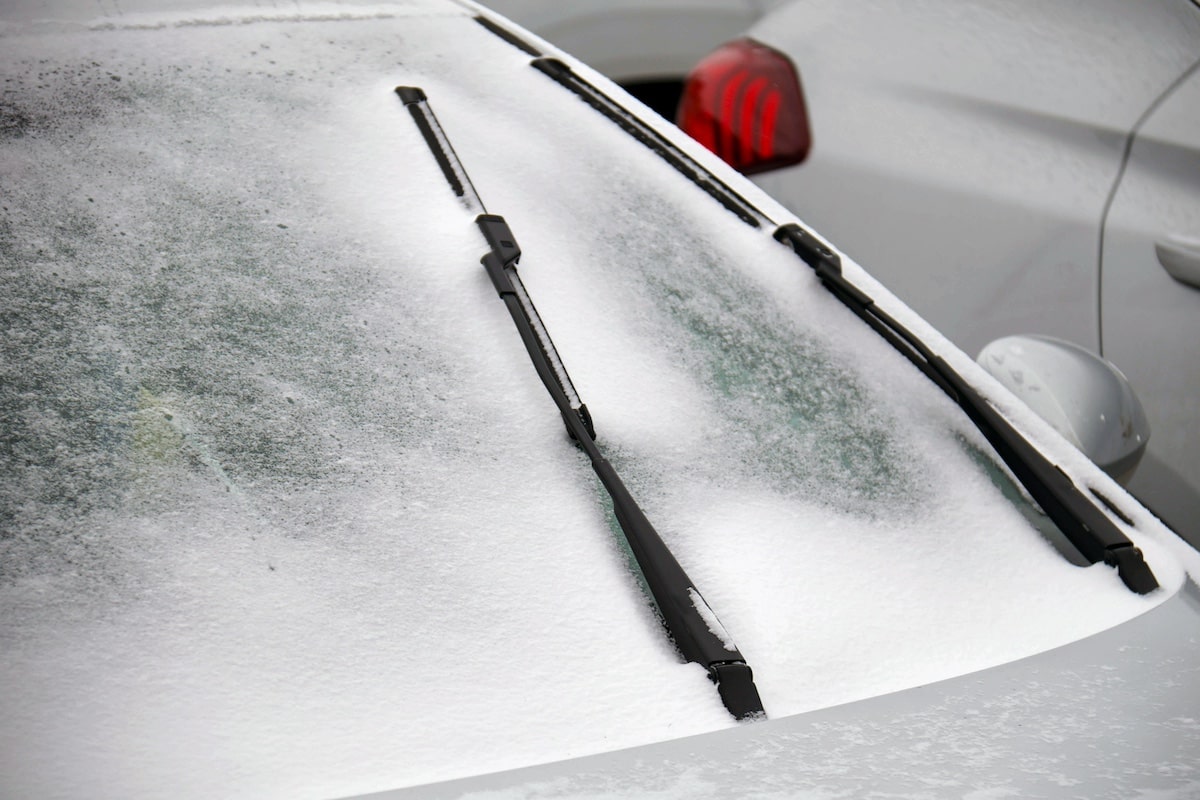
Washer fluid can also freeze after it leaves the nozzle. A thin film spreads across cold glass and may cool quickly in freezing air. If the fluid does not have enough protection for the conditions, it can form a layer of ice or slush.
This creates a direct safety risk. Ice can smear across the windshield, reduce contrast, and block the driver’s view. If the spray freezes on the glass, stop using the washers and do not continue driving until the windshield can be cleared safely.
Use a suitable winter formula
Choose fluid with a freezing rating that fits the coldest temperatures you expect.
Keep the glass clear
Use the vehicle’s defroster and approved ice-removal methods before driving.
At What Temperature Does Windshield Washer Fluid Freeze?
There is no single freezing temperature for all windshield washer fluids. Some products are intended for warm weather and offer little protection below 32 degrees Fahrenheit. Winter blends are made to resist lower temperatures, but their limits vary by formula and concentration.
The product label is the best starting point. Look for a stated freeze-protection temperature and compare it with the lowest temperature your vehicle may face. Allow a margin for a sudden cold snap, especially if the car stays outside overnight.
The following examples show how to read a temperature rating. They are general examples, not a promise that every product in a category has the same performance.
Source: jalopytalk.com
32 degrees Fahrenheit (0 degrees Celsius)
This is the normal freezing point of pure water. A water-heavy mixture may begin to freeze near this range.
Minus 10 degrees Fahrenheit
A product with a higher freeze-protection limit may not be suitable if local temperatures can fall much lower.
Minus 20 degrees Fahrenheit
A product labeled for this temperature is intended to resist freezing down to its stated limit under specified conditions.
Below the product rating
If the temperature drops beyond the rated range, the fluid may freeze or become too thick to flow.
How to Choose the Right Freeze Rating
Start with the coldest weather expected during the period you will use the fluid, not just the temperature at the time you buy it. A vehicle parked outdoors may cool to the overnight air temperature. Wind, exposure, and the location of the tank and hoses can affect how quickly parts cool.
Choose a product rated for temperatures below the coldest conditions you reasonably expect. If your area has severe winters, a stronger winter blend may be appropriate. In milder regions, a product with a less extreme rating may be enough, provided it meets the vehicle maker’s guidance.
Read the full label
Check whether the product is ready to use or must be diluted.
Consider where the vehicle is parked
A car kept outside may face longer exposure to cold than one kept in a heated garage.
Allow for sudden cold snaps
Do not choose a rating that barely matches a typical day’s temperature if much colder weather is possible.
How to Tell If Windshield Washer Fluid Is Frozen
A frozen washer system often shows clear signs, but a failed pump, an empty tank, or a blocked line can cause similar symptoms. Check the easiest and safest possibilities before assuming that the fluid has frozen. Never put your face close to the nozzles or touch exposed electrical parts while checking the system.
Start by noting the outside temperature and whether the washers worked before the cold spell. If the system stopped working after a freezing night, ice is a reasonable possibility. If the temperature is mild or the issue continues after a full thaw, a mechanical fault may be more likely.
Source: rxmechanic.com
No spray comes out
The tank, hose, or nozzle may be frozen, but an empty reservoir, disconnected hose, or failed pump can cause the same symptom.
The pump makes a sound but no fluid appears
The pump may be moving against a frozen or blocked line. Stop using it until the system thaws.
Only one nozzle sprays
One nozzle may be blocked by ice or debris, while the other remains open.
Fluid sprays and freezes on the glass
The mixture may not have enough freeze protection for the current conditions.
The reservoir looks slushy
The mixture may be partly frozen. Do not try to break up the ice with a tool or force the pump to run.
A Safe Troubleshooting Sequence
First, park the vehicle in a safe place and inspect the washer fluid level if it is easy to see. Check the label on the fluid container, if available, and consider whether water or a summer blend was added. These checks can help identify a weak mixture without taking the system apart.
If you suspect freezing, move the vehicle to a warmer sheltered location when it is safe to do so. Let the system thaw naturally. Do not use a flame, boiling water, a heat gun, or another intense heat source. Sudden heat can damage plastic parts, paint, or glass.
After the system has thawed, check whether the fluid sprays normally. If the pump remains silent, leaks appear, or the system still does not work, arrange an inspection by a qualified technician. A fuse, pump, hose, or nozzle may need repair.
Stop if the pump strains
Repeated operation can overheat or damage a pump that cannot move frozen fluid.
Do not drive with an obstructed view
Wait until the windshield is clear and safe before setting off.
Get help if damage is suspected
A leak or continued failure after thawing needs further diagnosis.
How to Prevent Windshield Washer Fluid From Freezing
The most reliable way to prevent freezing is to use the right washer fluid before temperatures fall. Prevention is easier than thawing a blocked system during a storm or before an early commute. A quick seasonal check can help you avoid a loss of visibility when you need the washers most.
The right steps depend on your climate, the fluid already in the system, and the vehicle maker’s instructions. Focus on the fluid’s rated protection and avoid unapproved additives. No single product can guarantee that every component will remain free of ice under all conditions.
Source: carphrases.com
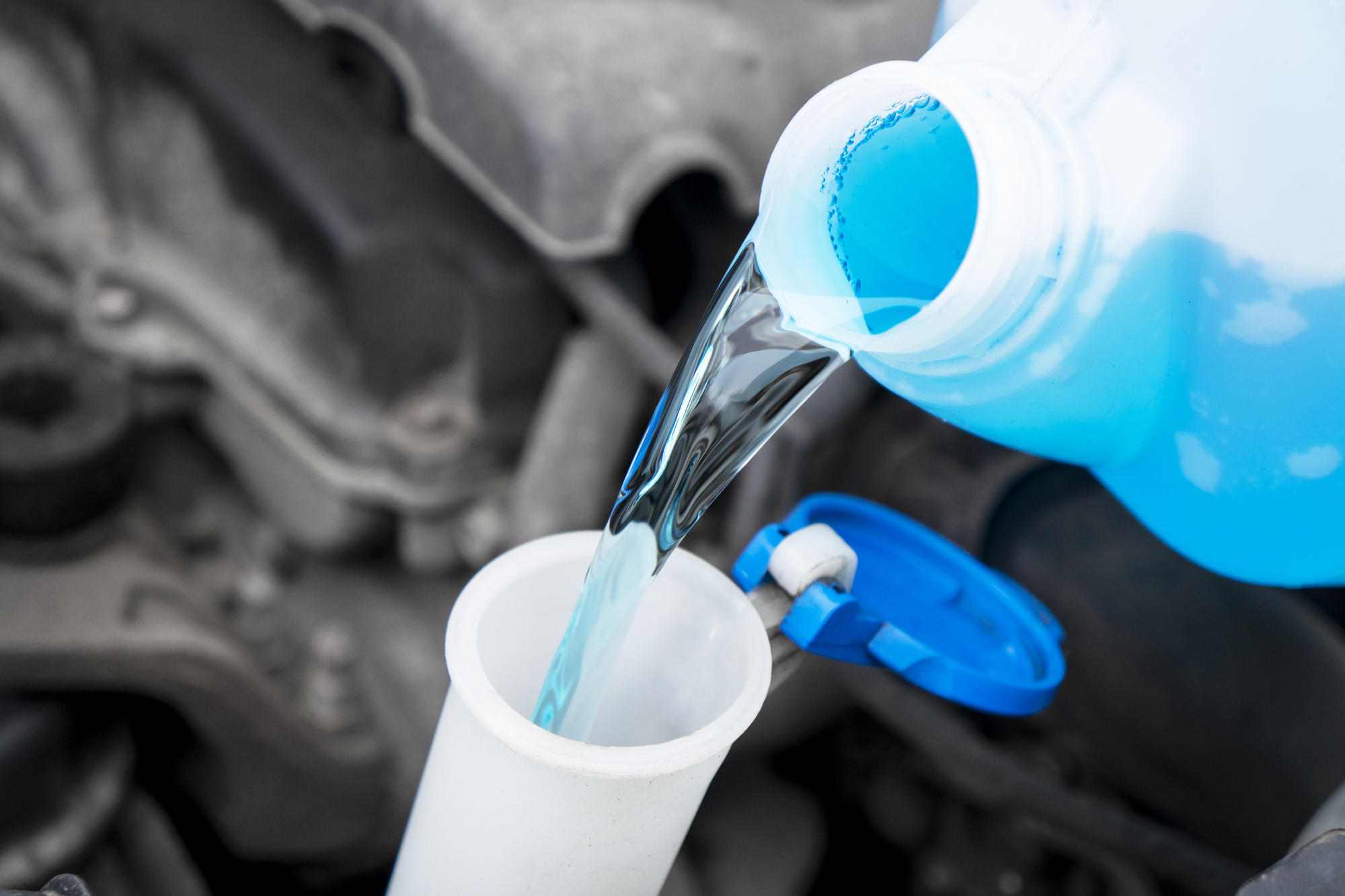
Use winter-rated washer fluid
Choose a formula with a freeze rating suitable for your area’s lowest expected temperatures.
Avoid plain water in freezing weather
Water can freeze in the tank, hoses, and nozzles and may cause damage as it expands.
Check before a cold snap
Inspect the fluid level and label before severe weather arrives.
Follow the product’s mixing directions
Do not dilute ready-to-use fluid unless the label specifically allows it.
A garage or other sheltered space may reduce exposure to severe cold, but it does not replace the correct fluid.
What to Do When Switching From Summer to Winter Fluid
If summer fluid remains in the system, adding winter fluid to the tank may not immediately protect all the fluid in the hoses and nozzles. The old mixture can remain trapped in those parts. The vehicle may continue to have a freezing risk until the weaker fluid has been cleared.
Check the vehicle owner’s manual and the winter fluid label before changing the mixture. Once the system is thawed and safe to use, the manual may direct you to operate the washers long enough to draw the new mixture through the lines. Do this only when the system is unfrozen and fluid can flow freely.
If the system is frozen or you cannot safely clear the old fluid, let a qualified technician handle the change. Do not keep activating the pump in an attempt to push winter fluid through ice.
Thaw before flushing
The system must be able to flow freely before you operate the washers.
Follow the manual
Vehicle designs and service instructions differ, so use the directions for your specific model.
Can Heated Washer Nozzles Prevent Freezing?
Some vehicles have heated washer nozzles or other cold-weather features. These can help reduce icing in the parts they are designed to warm. They do not necessarily heat the reservoir or every section of hose, and they cannot make an unsuitable fluid mixture safe for every temperature.
If your vehicle has heated nozzles, treat them as an added aid rather than a substitute for winter-rated fluid. Check the owner’s manual to learn which features your vehicle actually has and how they operate.
Confirm the equipment
Not every vehicle has heated nozzles, and similar-looking models may differ.
Keep the correct fluid
Use a product that meets the required cold-weather rating even when the vehicle has heating features.
How to Thaw Frozen Windshield Washer Fluid Safely
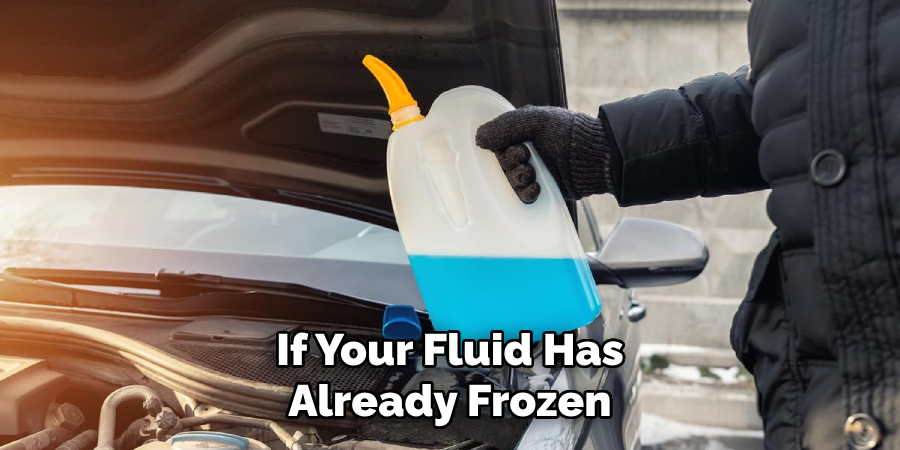
If the washer fluid has frozen, the safest first step is to let the system thaw in a warmer place. A heated garage can help, provided it is suitable for the vehicle and the fluid is handled according to its safety label. Allow enough time for the reservoir, hoses, and nozzles to thaw rather than assuming the tank alone is the problem.
Do not pour boiling water over the tank, nozzles, or windshield. Rapid temperature changes can damage components or crack glass. Do not use an open flame or direct high heat near the washer fluid, because many formulas contain flammable ingredients.
Once everything is thawed, inspect the system for leaks and check whether the fluid is still suitable for the weather. If it is a summer blend or has been heavily diluted, replace it with a compatible winter-rated product according to the owner’s manual. A technician can help if the reservoir, pump, or lines appear damaged.
Source: hitchesguide.com
Move the car to a warmer location
Use a safe sheltered area when available and let the system warm gradually.
Wait for a full thaw
Fluid in narrow lines and exposed nozzles may take longer to thaw than the reservoir.
Check for leaks
Look for signs of damage after thawing, without reaching near hot or moving engine parts.
Replace an unsuitable mixture
Use a compatible product with a suitable freeze rating once the system is ready.
Seek professional help if needed
A technician should inspect a pump that remains silent, leaks, or fails to spray after thawing.
What Not to Put in the Washer Reservoir
Never use engine coolant or radiator antifreeze as a substitute for windshield washer fluid. Coolant is made for the engine cooling system, not for cleaning glass. If sprayed onto the windshield, it can leave a film that severely reduces visibility.
Do not add alcohol, solvents, household cleaners, or other improvised chemicals to try to lower the freezing point. These substances may damage paint, seals, hoses, or other parts, and some can create fire or exposure risks. Use only products approved for the washer system and follow their labels.
Never use engine coolant
It can impair visibility and may damage vehicle finishes or washer components.
Avoid homemade chemical mixtures
Unverified mixtures can be unsafe and may not provide the expected freezing protection.
Keep washer fluid away from children and pets
Some formulations contain toxic ingredients. Follow the product label and contact Poison Control promptly if an exposure occurs.
Common Mistakes That Make Frozen Washer Fluid Worse
A frozen washer system can tempt drivers to try a quick fix. Some shortcuts may cause more harm than the original problem. The safest approach is to avoid force, high heat, and unapproved chemicals while the system is frozen.
It is also a mistake to assume that a full reservoir means the system is ready to use. The fluid may be frozen in the lines, and the liquid that reaches the glass may freeze again. Confirm that the system works properly before relying on it during a drive.
Source: detroitchinatown.org
Repeatedly running the pump
A blocked system can strain the pump. Stop if fluid does not spray and allow the system to thaw.
Pouring hot or boiling water on parts
Sudden heat can damage plastic parts or glass. Let the system warm gradually.
Adding engine antifreeze
Engine coolant is not suitable for washer systems and can make the windshield unsafe.
Ignoring the freeze rating
A product that works in mild weather may fail during a much colder night.
Driving with an icy windshield
Poor visibility makes driving unsafe. Clear the glass fully before moving the vehicle.
When a Frozen System Needs Repair
If the washer system still fails after a full thaw, the problem may not be ice alone. A pump may have failed, a hose may have come loose, a fuse may have blown, or a nozzle may remain blocked by debris. Leaks can also indicate that freezing has damaged a component.
A qualified technician can check the system without risking further damage. Seek help if you hear unusual pump noises, see fluid leaking under the vehicle, or cannot restore normal spray after thawing. If the windshield cannot be kept clear, do not drive until the visibility problem is resolved.
Persistent pump failure
A pump that does not run after thawing may need electrical checks or replacement.
Visible fluid leaks
A cracked reservoir or damaged hose needs inspection and repair.
Repeated freezing
Review the product rating and mixture, then have the system checked if the issue continues.
Frequently Asked Questions
Q
Does windshield washer fluid freeze at 32 degrees Fahrenheit?
Not all windshield washer fluid freezes at 32 degrees Fahrenheit. Pure water freezes at that temperature under normal conditions, but washer fluid contains ingredients that can lower its freezing point. The exact temperature depends on the product, its concentration, and any water added to it.
Q
Can windshield washer fluid freeze in the reservoir?
Yes. The reservoir can freeze when the temperature falls below the mixture’s protection limit. Fluid may also freeze in hoses and nozzles before the reservoir does. Using a winter-rated product and following its mixing instructions helps reduce this risk.
Q
Why is my windshield washer fluid frozen even though I bought winter fluid?
The fluid may have been diluted, mixed with an older product, or exposed to temperatures below its rated limit. Weak fluid may also remain in the hoses and nozzles after a refill. Check the label, let the system thaw, and follow the vehicle manual when replacing or clearing the mixture.
Q
Can I add rubbing alcohol to keep washer fluid from freezing?
Do not add rubbing alcohol or other improvised chemicals unless the vehicle or fluid manufacturer specifically approves the mixture. Unapproved additives may damage parts, affect cleaning, or create safety risks. Use a compatible washer fluid with the required winter rating.
Q
Will frozen windshield washer fluid damage my car?
It can. Water expands as it freezes, and ice may damage a reservoir, hose, or other component. Repeatedly running a pump against a frozen blockage can also cause damage. Let the system thaw gradually and check for leaks or continued failure before using it again.
Q
Can I drive if my windshield washer fluid is frozen?
Only drive when the windshield is clear and you can maintain safe visibility. If road spray, salt, mud, snow, or ice could block your view and the washers do not work, delay the trip until the system is restored. Do not rely on wipers alone to clear a dirty or icy windshield.
Q
How do I know which washer fluid is right for winter?
Read the label for its stated freezing protection and compare it with the coldest temperatures your vehicle may face. Choose a suitable product that meets the vehicle maker’s guidance, and follow the directions for ready-to-use fluid or concentrate. Do not assume that color or price tells you how well a fluid resists freezing.
✦ Wrapping Up
Conclusion
Windshield washer fluid freezes when the weather becomes colder than the mixture can withstand. The most common causes include a weak summer blend, too much added water, a sudden cold snap, and fluid trapped in exposed hoses or nozzles. A frozen system can stop cleaning the glass and may suffer damage if the pump is forced to run.
The best prevention is simple: check the fluid before winter, use a product rated for your local temperatures, and follow the label and owner’s manual. If the system freezes, let it thaw gradually and inspect it before use. Avoid engine coolant, boiling water, open flames, and unapproved chemical additives.
Your washer system plays a direct role in safe driving. A small check before a cold night can help prevent a blocked nozzle or a windshield covered in slush when you need a clear view. If the system still fails after thawing, have it inspected rather than guessing at the cause.
💡 Key Takeaway
Check your washer fluid label today. If freezing weather is expected, confirm that the fluid’s rated protection is below the lowest temperature forecast for your area. Replace an unsuitable mixture safely, and never operate a frozen washer pump or drive with an obstructed windshield.
Learn how to refill rear windshield washer fluid in a Toyota Highlander, locate the correct reservoir, choose washer fluid, and troubleshoot spray problems.
Learn how to fold a collapsible windshield sun shade using the simple figure-eight method, plus tips for storage, troubleshooting, and different shade designs.