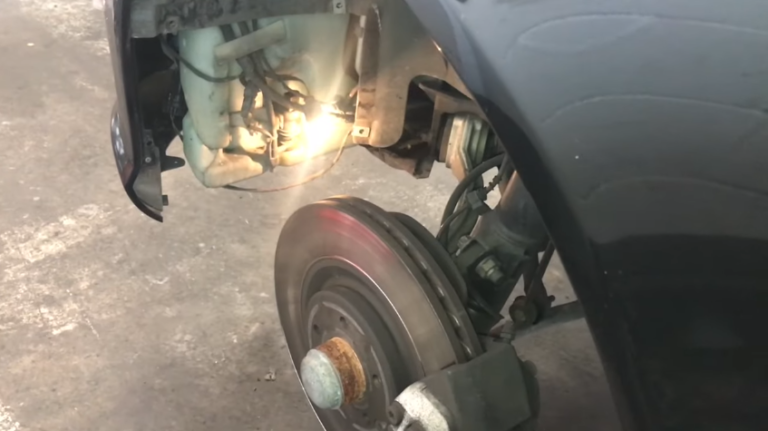
Windshield washer fluid can freeze at about 32°F (0°C) if it is mostly water, while some winter formulas are rated to protect against freezing at -20°F (-29°C), -25°F (-32°C), or even lower. The exact temperature depends on the formula, its concentration, and the product label.
Drivers across the United States face very different winter conditions. A car parked overnight in Minnesota may face temperatures far below zero, while a vehicle in Georgia may encounter only a few nights of frost. In either case, the windshield washer fluid must stay liquid enough to move through the reservoir, pump, hoses, and spray nozzles.
The freezing point is not the same for every washer fluid. Summer blends often contain more water and may freeze near the freezing point of water. Winter blends contain ingredients that lower the freezing point, but their protection varies by product. A label that states -20°F does not mean the fluid will stay usable at every lower temperature.
The safest approach is to check the stated freeze-protection rating before cold weather arrives. If the car still contains summer fluid, replace it with a suitable winter formula and allow enough time to flush the old mixture from the system. This simple check can help prevent blocked spray nozzles, a frozen reservoir, and poor visibility on winter roads.
What Temperature Does Windshield Washer Fluid Freeze?
Windshield washer fluid does not have one universal freezing point. A water-heavy summer formula may begin to freeze near 32°F (0°C), while a winter formula can remain liquid at much lower temperatures. The product’s ingredients and dilution level determine how well it handles cold weather.
For many U.S. drivers, winter washer fluid rated to -20°F or -25°F provides a useful starting point. Drivers in colder regions may need a formula with a lower stated freezing point. Always compare the product rating with the lowest temperatures your vehicle is likely to face.
The temperature rating also needs context. Some products state a freeze-protection temperature, while others describe performance or deicing ability. These terms are not always identical. Read the label to understand what the manufacturer actually claims.
Source: hitchesguide.com
Summer washer fluid
Many summer blends focus on removing bugs, dust, and road film. Their freeze protection may be limited, so they can become unusable in freezing weather.
Winter washer fluid
Winter blends use ingredients that lower the freezing point. Their protection depends on the exact product and its labeled temperature rating.
All-season washer fluid
All-season products balance cleaning and cold-weather use. Check the specific rating instead of assuming that every all-season formula can handle severe cold.
Typical Washer Fluid Freezing Temperatures
The following table gives practical examples of how washer fluid may behave at different temperatures. It is a general guide, not a laboratory chart for every brand. The actual freezing point must be confirmed from the product label or manufacturer information.
Near 32°F (0°C)
Water and many water-heavy mixtures can begin to freeze. A summer formula with limited freeze protection may become slushy or stop flowing.
Near 20°F (-7°C)
A product with weak cold-weather protection may freeze or become too thick to spray. A properly rated winter formula should be selected for temperatures below its stated limit.
Near 0°F (-18°C)
Some basic winter formulas may be near their operating limit. A product rated for colder conditions offers a larger protection margin.
Near -20°F (-29°C)
A washer fluid rated to -20°F is at its stated temperature limit. A colder-rated formula is more suitable if temperatures may fall below that point.
Near -25°F (-32°C) or colder
Choose a product whose stated protection covers the expected low temperature. Do not assume that a -20°F formula will remain fully usable below its rating.
Does Washer Fluid Freeze at Exactly Its Rated Temperature?
Not always in the way drivers expect. Some mixtures begin forming ice crystals before the entire liquid becomes solid. The fluid may turn cloudy or slushy, and that change can prevent the pump from moving it through narrow hoses and nozzles.
A product’s rating is a guide to its intended cold-weather performance, not a promise that every part of a vehicle will work under all conditions. Residual water, dilution, exposure time, and differences between the reservoir and the exposed nozzles can affect actual performance.
Use a temperature margin
If local forecasts approach the product’s stated limit, consider a formula rated for colder conditions.
Check the whole system
The reservoir may be sheltered, while the hoses and nozzles are exposed to cold air. A liquid reservoir does not guarantee that every section is free of ice.
Why Does Windshield Washer Fluid Freeze?
Windshield washer fluid freezes when its mixture cannot remain liquid at the surrounding temperature. Water is the main component in many ready-to-use products, but washer fluid also contains cleaning agents and, in cold-weather formulas, ingredients that lower the freezing point.
Pure water freezes at 32°F (0°C) under normal atmospheric pressure. Adding suitable dissolved ingredients changes the temperature at which ice begins to form. This is why a winter blend can stay liquid at temperatures that would freeze ordinary water.
The mixture matters just as much as the ingredient list. If a winter product is diluted with too much water, its cold-weather protection can fall. The same problem can occur when a driver tops up a reservoir containing leftover summer fluid.
Source: hitchesguide.com
Water content
A higher proportion of water generally means less protection against freezing unless the other ingredients are present in a suitable concentration.
Formula and concentration
The balance of solvents, water, and cleaning agents affects the product’s cold-weather behavior. Follow the directions for ready-to-use or concentrated fluid.
Cold exposure
A vehicle parked outdoors for many hours may cool to the surrounding air temperature. Fluid can then freeze even if it worked normally earlier in the day.
Residual fluid
Old fluid left in the tank or lines can mix with new fluid. That mixture may not retain the new product’s full freeze protection.
Can Windshield Washer Fluid Freeze While Driving?
Yes. Fluid can freeze while driving if the temperature falls below its effective protection range. Cold airflow can also chill exposed hoses and spray nozzles, even when the engine compartment is warmer than the outside air.
A winter blend lowers this risk, but it cannot overcome every temperature or dilution problem. If the spray becomes weak, uneven, or stops, do not keep pressing the washer control in the hope that the blockage will clear. Pull over somewhere safe if visibility is affected, and address the problem before continuing.
Watch for weak spray
A narrow stream or reduced flow may indicate ice, a blockage, a low fluid level, or a pump problem.
Do not rely on washer fluid alone
Clear ice and snow with suitable tools before driving. Washer fluid is not a substitute for a fully cleared windshield.
Can Summer Washer Fluid Freeze Overnight?
Yes. Summer washer fluid may freeze overnight when outdoor temperatures drop below its protection limit. A garage can reduce exposure to severe cold, but it does not change the product’s stated rating.
A forecast near or below 32°F should prompt a check of the fluid already in the vehicle. Do not assume the reservoir is protected simply because the car was driven recently. Parts of the system can cool quickly after the vehicle is parked.
Check before a cold snap
Inspect the label and replace unsuitable fluid before temperatures fall.
Allow for overnight lows
Base the choice on expected low temperatures, not only on the warmest part of the day.
How to Choose Windshield Washer Fluid for Winter
Choose windshield washer fluid based on the lowest temperature the vehicle may face, the product’s stated protection, and the vehicle manufacturer’s instructions. A formula that works in a mild winter may not be suitable for a long trip through a colder region.
Look for a clearly stated temperature rating on the container. If your area regularly drops below zero, a product rated only for mild freezing conditions may not provide enough protection. In very cold regions, compare formulas designed for more severe winter conditions.
Do not choose a product only because its label says winter, premium, or all-season. Those terms do not establish one standard freezing point across all brands. The specific rating and directions are more useful than general marketing language.
Source: hitchesguide.com
Read the temperature rating
Confirm the listed protection in degrees Fahrenheit and compare it with local winter lows.
Check whether the product is ready to use
Ready-to-use fluid is supplied at the intended concentration. Concentrated fluid must be mixed exactly as directed.
Follow vehicle guidance
Check the owner’s manual for washer-fluid requirements and any material compatibility warnings.
Consider the full trip
If traveling from a mild state to a colder region, choose fluid for the colder destination and expected conditions along the route.
Winter Fluid Rated to -20°F Versus -25°F
A -25°F formula has a lower stated temperature limit than a -20°F formula. The five-degree difference can matter when a cold snap approaches the limit of the less cold-resistant product.
For example, if a forecast calls for -22°F, a product rated to -20°F does not provide an adequate stated margin. A product rated for at least -25°F is a more suitable starting point, provided the rating applies to the conditions and use described on its label.
These figures are not proof that one product cleans better than another. Freeze protection and cleaning performance are separate qualities. Select a formula that meets the temperature requirement and is compatible with your vehicle.
For moderate winter weather
A product rated for the expected low temperatures may be sufficient if it is used as directed.
For severe cold
Choose a colder-rated formula with a margin below the forecast low.
For changing travel conditions
Check weather forecasts along the route and avoid relying on a rating that only covers your home area’s usual temperatures.
Can You Mix Different Washer Fluids?
Mixing different washer fluids can change the final freeze protection. A small amount of summer fluid left in the system may dilute a winter formula, and the exact result depends on both products and their proportions.
The safest choice is to avoid unnecessary mixing. If you are switching to winter fluid, follow the product directions and flush out the old fluid as far as practical before relying on the new formula. Do not assume that combining two products produces the lower temperature rating printed on either container.
Avoid unknown mixtures
If you cannot identify what is in the reservoir, do not assume the system has the protection stated on a new bottle.
Do not dilute ready-to-use fluid
Add water only when the product instructions specifically require it. Unplanned dilution can reduce freeze protection.
What Happens When Windshield Washer Fluid Freezes?
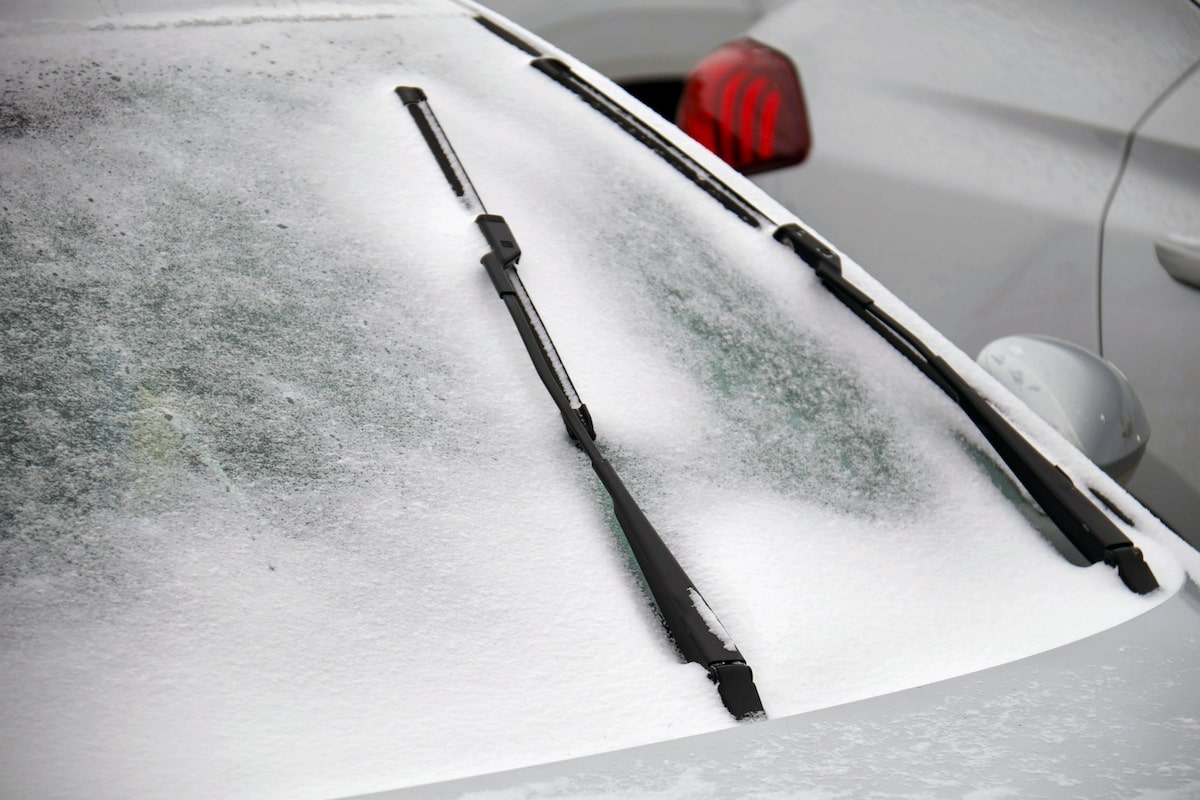
Frozen washer fluid can stop the system from cleaning the windshield when you need it most. Ice or slush may block the spray nozzles, restrict the hoses, or prevent the pump from moving fluid. If the liquid expands as it freezes, it may also put stress on the reservoir or other components.
Not every freeze causes permanent damage. A partial blockage may clear after the vehicle warms up, but repeated attempts to operate a frozen system can create further problems. A damaged hose, leaking tank, or faulty pump may need repair.
The main safety concern is visibility. Winter roads can leave glass covered with salt, dirt, slush, and spray from other vehicles. If the washer system cannot clear the windshield, stop somewhere safe and restore visibility before driving again.
Source: rxmechanic.com
Blocked nozzles
Ice can prevent the fluid from reaching the windshield even when some liquid remains in the reservoir.
Frozen hoses
Fluid may not move through narrow lines when ice or slush restricts the passage.
Pump strain
Repeatedly activating the washer while the system is blocked may strain the pump.
Possible leaks
A tank, hose, or connection may leak if freezing has damaged it. A low reservoir level after thawing can be a warning sign.
Signs Your Washer Fluid May Be Frozen
The most common sign is that the washer control produces no spray or only a weak stream during freezing weather. However, these symptoms can also result from an empty reservoir, a failed pump, a blown fuse, or blocked nozzles.
Listen and observe without repeatedly operating the system. If the pump can be heard but no fluid reaches the glass, a blockage or empty tank may be responsible. If the pump is silent, an electrical fault or pump failure is also possible.
No spray in freezing weather
Ice may be blocking the fluid path, but confirm the fluid level and other possible causes after the system has thawed.
Uneven spray
One blocked nozzle can cause a narrow or uneven pattern. Dirt and other obstructions can cause similar symptoms.
Fluid leaking after a thaw
A visible leak or repeated drop in fluid level may indicate a damaged reservoir, hose, or connection.
Can Frozen Washer Fluid Damage Your Car?
Yes, freezing can damage parts of the washer system, although the outcome depends on how much fluid freezes, where the ice forms, and the design of the system. Expansion can stress plastic tanks and fittings, while ice can obstruct hoses and nozzles.
If the system begins working again after thawing, check for leaks and confirm that the spray pattern is normal. If the pump runs without delivering fluid, the system leaks, or the problem returns, arrange an inspection by a qualified mechanic.
Check the reservoir
Look for visible cracks, unusual wet spots, or fluid collecting beneath the vehicle.
Check spray operation
Once fully thawed, verify that the washer fluid reaches the windshield evenly.
Seek help if needed
A persistent blockage, leak, or pump problem may require professional diagnosis.
How to Unfreeze Windshield Washer Fluid Safely
If windshield washer fluid freezes, warm the vehicle gradually in a sheltered, well-ventilated place and give the system time to thaw. Do not force the pump to push liquid through an ice blockage. The goal is to restore normal flow without damaging the tank, hoses, pump, or windshield.
A heated garage is often the simplest option when one is available. If the vehicle must be moved, do not drive it on public roads until the windshield is clear enough for safe visibility. Use a proper ice scraper and the vehicle’s defroster to clear the glass, following the owner’s manual.
Never pour boiling or hot water onto the windshield. A rapid temperature change can crack the glass. Also avoid using an open flame, heat gun, or other intense direct heat near plastic parts, hoses, wiring, and flammable washer-fluid ingredients.
Source: detroitchinatown.org
Warm the vehicle gradually
Park in a sheltered, ventilated location and allow the reservoir and lines time to warm. Never run a vehicle in an enclosed garage because exhaust gases can be deadly.
Do not force the pump
Avoid repeated washer activation while the system may be frozen. Wait until it has thawed before testing it.
Inspect after thawing
Check the fluid level, visible hoses, reservoir, and connections for signs of damage or leaks.
Refill with suitable fluid
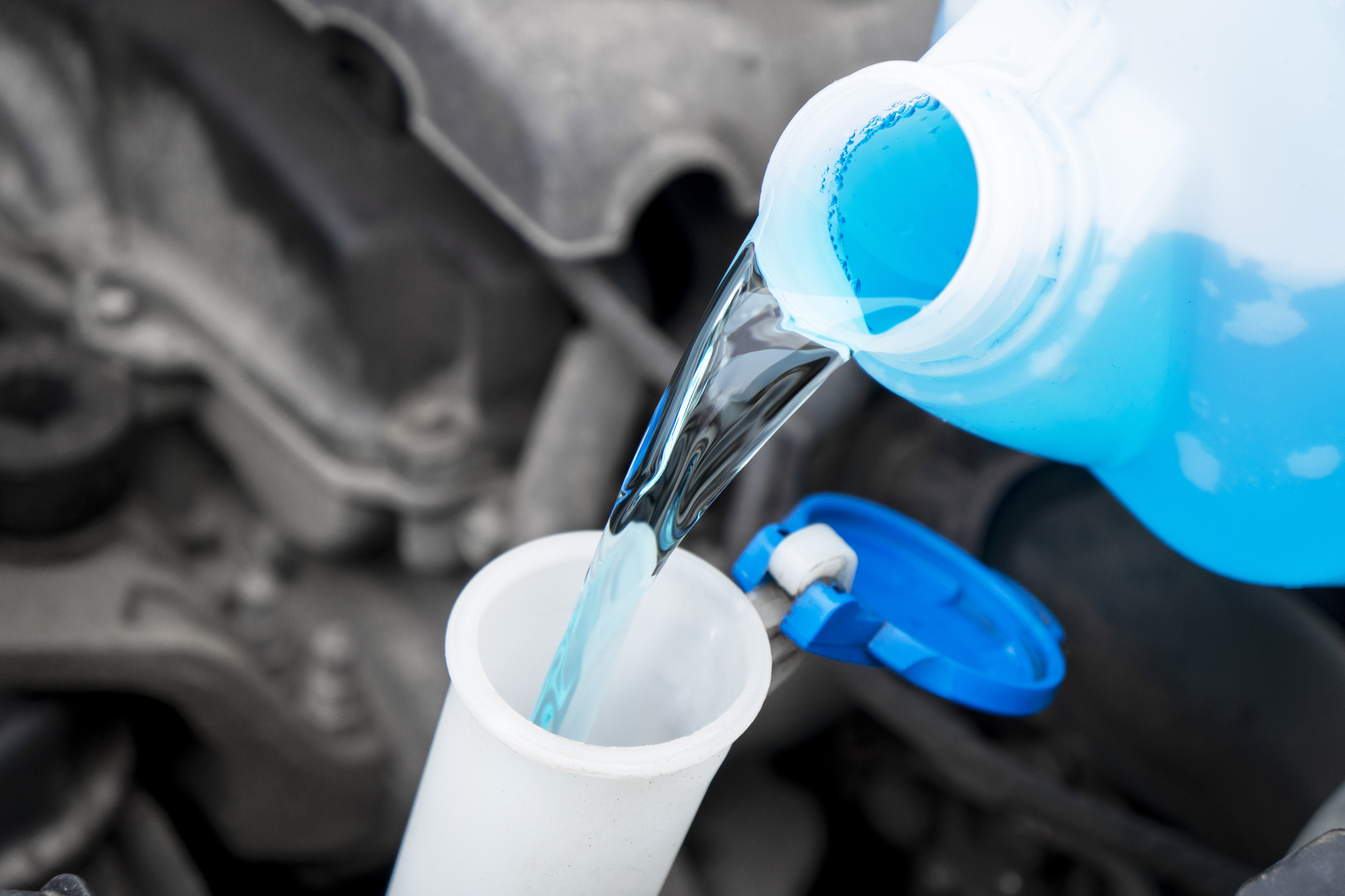
Once the system is usable, follow the product directions to restore an appropriate winter mixture.
Step-by-Step Recovery After a Freeze
First, park the vehicle safely and avoid using the washer until you have reason to believe the system is thawed. If the car is in a cold outdoor location, moving it to a suitable heated space may help, provided the windshield is clear and the vehicle can be moved safely.
Next, allow the reservoir, hoses, and nozzles to warm naturally. Thawing may take time because different parts of the system warm at different rates. Do not try to speed up the process with boiling water or concentrated heat.
When the system appears fully thawed, check the reservoir level and inspect accessible components for leaks. Test the washers briefly while the vehicle is stationary. If the spray is still absent or uneven, stop testing and investigate other causes.
Before testing
Confirm that the fluid is liquid and the system has had time to warm.
During testing
Use a brief washer activation and check whether fluid reaches the glass normally.
After testing
Look for leaks and confirm that the reservoir level does not drop unexpectedly.
What If the Washer System Still Does Not Work?
A system that remains blocked after thawing may have a clogged nozzle, a damaged hose, a failed pump, or an electrical problem. Frozen fluid is only one possible cause. Avoid removing parts or applying heat unless you have the correct instructions and equipment.
If you cannot find the cause, a qualified mechanic can inspect the pump, hoses, reservoir, fuse, and nozzle connections. Ask for the system to be checked for leaks if the reservoir was frozen or its level has changed unexpectedly.
Pump is audible, but there is no spray
Possible causes include a blocked line, frozen nozzle, empty tank, or damaged connection.
Pump is silent
Possible causes include an electrical fault, blown fuse, failed pump, or a system that is still frozen.
Fluid leaks after thawing
Stop relying on the system and have the reservoir and lines checked for damage.
How to Prevent Windshield Washer Fluid From Freezing
The best way to prevent frozen washer fluid is to use a formula rated for the lowest temperatures your vehicle may encounter. Make the change before the first hard freeze, rather than waiting until the washer system stops working.
If summer fluid remains in the reservoir, adding a small amount of winter fluid may not provide the expected protection. Follow the new product’s directions and replace or flush out the old mixture as far as practical. Never assume the temperature rating on the new container applies to an unknown mixture already in the car.
Good winter preparation also includes checking the spray pattern, looking for leaks, and making sure the wiper blades work properly. Washer fluid helps remove dirt and road film, but it cannot make driving safe when the windshield is covered with thick ice or snow.
Source: hitchesguide.com
Switch before winter
Use winter-rated fluid before freezing temperatures arrive in your area.
Keep the correct mixture
Follow the instructions for ready-to-use and concentrated products. Do not add water unless directed.
Check the system
Test the washers in mild weather and repair leaks or blockages before winter conditions begin.
Store spare fluid correctly
Follow the container’s storage instructions and keep it away from children, pets, food, and sources of heat or ignition.
Does Parking in a Garage Prevent Washer Fluid From Freezing?
Parking in a garage can reduce the chance of freezing because the vehicle may be exposed to less severe cold than it would outdoors. However, an unheated garage can still become cold enough for unsuitable fluid to freeze.
A garage should be treated as an extra layer of protection, not a replacement for the correct washer-fluid formula. If the car will be parked outdoors during a cold snap or driven through a colder region, use fluid rated for those conditions.
Heated garage
Can help the vehicle warm up and reduce exposure to extreme outdoor temperatures.
Unheated garage
May slow cooling, but it can still reach freezing temperatures.
Outdoor parking
Makes the correct product rating and a suitable temperature margin especially important.
Can You Add Rubbing Alcohol or Engine Coolant to Stop Freezing?
Do not add improvised chemicals to the washer reservoir. Rubbing alcohol, household cleaners, and other unapproved mixtures may affect paint, rubber, plastic, or other system components. They may also create flammable vapors or produce a mixture with unknown freeze protection.
Engine coolant is not windshield washer fluid and should never be used as a substitute. It is formulated for the engine cooling system, not for spraying onto glass. Use a washer product designed for automotive glass and follow the vehicle manufacturer’s guidance.
Avoid homemade mixtures
Use a product with a stated freeze-protection rating instead of guessing at chemical proportions.
Never use engine coolant
Keep coolant out of the washer reservoir because it is unsuitable for this purpose and may damage vehicle finishes.
Follow label warnings
Read the safety directions, storage instructions, and mixing guidance before handling any washer fluid.
Frequently Asked Questions
Q
Does windshield washer fluid freeze at 32°F?
Water freezes at 32°F (0°C) under normal conditions, and water-heavy summer washer fluid may begin to freeze near that temperature. Winter washer fluid contains ingredients that lower its freezing point, so its exact protection depends on the product and mixture.
Q
What temperature does winter windshield washer fluid freeze at?
There is no single freezing temperature for all winter washer fluids. Common product ratings include -20°F (-29°C) and -25°F (-32°C), while some formulas are rated for lower temperatures. Check the container for the exact rating and follow its directions.
Q
Can windshield washer fluid freeze at 20°F?
Yes, some washer fluids can freeze or become slushy at 20°F (-7°C), especially summer blends or mixtures diluted with water. A winter formula rated for colder temperatures is better suited to conditions below freezing.
Q
Will frozen windshield washer fluid damage the reservoir?
It can. When fluid freezes and expands, it may stress the reservoir, hoses, fittings, or other components. Damage is not inevitable, but you should inspect the system for leaks and test it only after it has thawed.
Q
Can I use my windshield washers if the fluid is frozen?
Do not keep activating the washer system when you suspect it is frozen. Ice can block the hoses or nozzles and prevent normal flow. Allow the system to thaw gradually, then test it briefly and check for leaks or other damage.
Q
How do I know if my washer fluid is winter-grade?
Read the product label for a stated freeze-protection temperature and directions for use. Terms such as winter, deicer, and all-season are not enough on their own to establish a specific freezing point.
Q
Can I mix winter washer fluid with summer washer fluid?
You can physically mix many washer fluids, but the resulting freeze protection may be lower than the winter product’s rating. The exact result depends on the products and proportions. Replace the old mixture as far as practical and follow the new product’s directions.
Q
Is -20°F washer fluid enough for every U.S. winter?
No. Winter temperatures vary widely across the United States. A -20°F product may suit some areas, but locations that experience colder weather may require fluid rated for lower temperatures. Choose according to expected local lows and conditions along your route.
✦ Wrapping Up
Conclusion
Windshield washer fluid can freeze near 32°F (0°C) when it contains mostly water, but winter formulas are designed to remain usable at much lower temperatures. Many products offer ratings such as -20°F or -25°F, and some provide protection in even colder conditions. The exact rating on the container is more reliable than a general rule.
Before winter weather arrives, check the fluid already in your vehicle, select a product suited to expected temperatures, and avoid diluting it beyond the manufacturer’s directions. If the system freezes, let it thaw gradually and inspect it for leaks or damage before relying on it again.
Clear glass is a key part of safe driving in snow, rain, and road spray. The right washer fluid helps keep the system working, but it should be paired with sound wiper blades, proper ice removal, and a clear windshield before you set off.
💡 Key Takeaway
Check your washer-fluid label today. Choose a product rated below your area’s expected winter low, replace unsuitable summer fluid before a freeze, and never force a frozen washer pump to run.