Yes, windshield washer fluid can be a hazardous material because many formulas contain toxic methanol and may present fire, health, or environmental risks. However, its exact classification under U.S. Department of Transportation shipping rules depends on the product’s composition, properties, packaging, and intended transport.
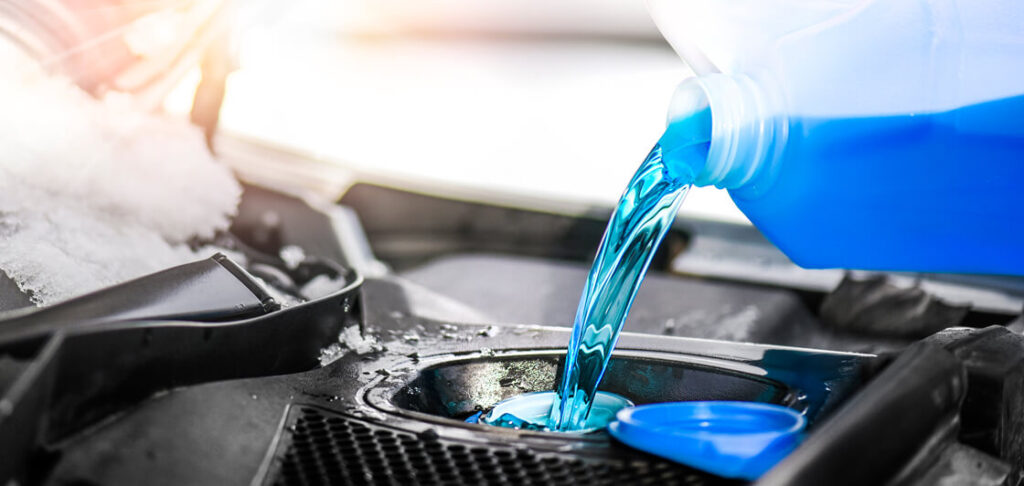
Across the United States, windshield washer fluid is a common item in cars, pickup trucks, repair shops, and home garages. Drivers use it to clear road grime, salt, dust, and other debris from windshields. Yet a product that looks like colored water can contain chemicals that require careful handling.
The main concern is often methanol, a toxic alcohol used in many washer fluid formulas. Swallowing it can cause severe poisoning, permanent blindness, or death. Some formulas also pose a fire risk, especially when they contain enough alcohol to produce flammable vapors.
The term hazardous material has more than one meaning. A product can be dangerous to people at home without automatically being subject to every federal hazardous materials shipping rule. The U.S. Department of Transportation evaluates products under specific transportation criteria, while workplace safety rules, waste laws, and poison prevention guidance address other risks.
The safest approach is to check the exact product label and Safety Data Sheet, or SDS. These sources explain the ingredients, health hazards, fire precautions, and transportation classification. This guide explains how to read that information and what American drivers should know about storage, spills, shipping, and disposal.
What Makes Windshield Washer Fluid a Hazardous Material?
Windshield washer fluid can qualify as a hazardous material because of the chemicals it contains and the risks they pose. The most important factors are toxicity, flammability, exposure routes, and the rules that apply to a particular activity.
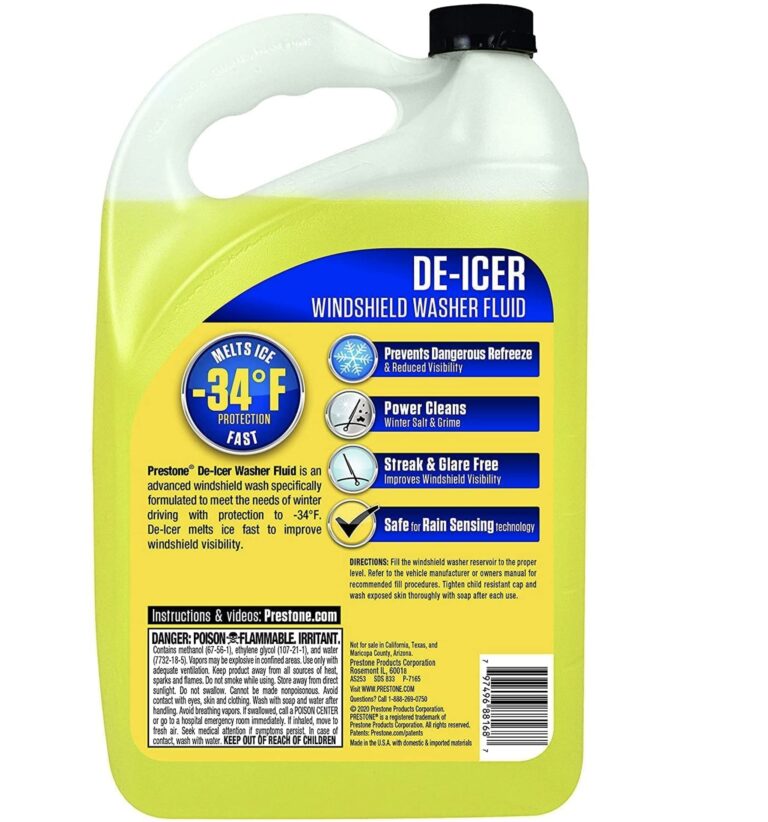
Many winter washer fluids contain methanol, also called methyl alcohol. This chemical helps lower the freezing point and supports cleaning. However, methanol is poisonous and can cause severe injury when swallowed or absorbed in harmful amounts.
Other formulas may use different alcohols, detergents, dyes, water, and additives. The type and amount of each ingredient can change the product’s hazards. As a result, two bottles sold for the same purpose may have different safety labels and shipping classifications.
A product’s color does not tell you whether it is safe. Blue, green, pink, and other dyes are used for identification or appearance. None of these colors proves that a formula is nontoxic, nonflammable, or environmentally harmless.
Source: storage.googleapis.com
Toxicity
Methanol can harm the brain, nerves, and optic nerves. Swallowing even a small amount may cause a medical emergency.
Flammability
Alcohol-containing formulas may ignite under suitable conditions. The product’s flash point and safety data help determine the fire risk.
Chemical exposure
Splashes can irritate the eyes or skin. Breathing concentrated vapor may also cause harmful effects, especially in poorly ventilated spaces.
Environmental concerns
A spill can contaminate soil or water. Safe cleanup and disposal depend on the product and local rules.
Why Methanol Is a Major Safety Concern
Methanol is a clear, flammable liquid that can be present in windshield washer fluid even when the finished product is brightly colored. The body converts methanol into harmful substances that can damage organs and vision.
Early symptoms of poisoning may resemble ordinary illness. Nausea, vomiting, dizziness, headache, and confusion can occur, while serious effects may develop or worsen later. Do not wait for symptoms before seeking help after a suspected ingestion.
Never taste washer fluid, transfer it into a drink bottle, or leave an open container where a child or pet can reach it. A child-resistant cap is helpful, but it is not a substitute for secure storage.
Prevention
Store the product upright in its original container, close the cap tightly, and keep it locked away from children and pets.
Emergency response
For a suspected ingestion in the United States, contact Poison Control at 1-800-222-1222 immediately. Call 911 if the person is unconscious, has seizures, or has trouble breathing.
Are All Washer Fluids Equally Dangerous?
No. Formulas differ by brand, intended season, and chemical composition. A concentrated winter product may present different hazards from a ready-to-use summer cleaner.
Some products use alternative alcohols or other ingredients. That does not make them automatically safe to swallow or handle without precautions. A product marketed as low odor, eco-conscious, or suitable for warm weather still needs to be evaluated using its label and SDS.
Ready-to-use fluid
This product is sold at a concentration intended for direct use. It can still contain hazardous chemicals.
Concentrated fluid
A concentrate may require dilution and can have different exposure or handling risks. Follow the manufacturer’s instructions.
Winter formula
A winter blend is designed to resist freezing. Check its specified temperature rating and chemical hazards before use.
Is Windshield Washer Fluid Classified as Hazmat by the U.S. DOT?
Sometimes. Under U.S. Department of Transportation rules, a material is hazardous for transportation when it meets the applicable federal classification criteria. The answer depends on the actual product, not simply on the words windshield washer fluid printed on the bottle.
The Hazardous Materials Regulations in Title 49 of the Code of Federal Regulations cover matters such as classification, packaging, marking, labels, shipping papers, and training. A product may fall under a hazard class because of its flammability or toxicity, but not every formula will have the same classification.
The Pipeline and Hazardous Materials Safety Administration has addressed windshield washer mixtures in formal interpretation letters. These illustrate why composition, concentration, flash point, package size, and the quantity of a regulated ingredient can affect the result. A classification that applies to one mixture cannot safely be copied to another.
Retail packages may qualify for specific exceptions or limited-quantity provisions when all required conditions are met. Such provisions do not mean the product has no hazards. They mean that particular transportation requirements may be modified for a qualifying shipment.
If you are a consumer carrying a properly closed retail bottle in your vehicle, that situation differs from a business shipping cases, drums, or bulk containers. Businesses that offer products for transport must determine the correct classification and comply with the applicable rules.
Source: storage.googleapis.com
Domestic ground transport
Classification depends on the applicable DOT rules, the formula, package, quantity, and any valid exceptions.
Air shipment
Air carriers apply additional dangerous-goods requirements. A product permitted in one transport setting may face different restrictions by air.
Commercial bulk transport
Large containers and business shipments require a careful review of classification, packaging, documentation, and other applicable rules.
How to Check the Transportation Classification
Start with the product’s current Safety Data Sheet. Section 14 is generally titled Transport Information and may identify a UN number, proper shipping name, hazard class, packing group, or an indication that the product is not regulated for a specified mode of transport.
Read the complete entry rather than relying on a single phrase. Road, air, and sea classifications may differ, and a statement about one mode does not necessarily settle another. If the SDS is unclear or appears inconsistent with the product label, ask the manufacturer for clarification.
The shipper remains responsible for determining the correct classification under the applicable rules. The U.S. DOT’s Check the Box guidance explains that an SDS is a useful starting point, not a substitute for the shipper’s legal duties.
Confirm the exact product
Match the brand, product name, and formula or product code to the SDS you are reading.
Read Section 14
Check the transport mode and the full classification details. Do not assume every product with the same general name is identical.
Ask when uncertain
Contact the manufacturer, carrier, or a qualified dangerous-goods specialist before preparing a regulated commercial shipment.
What Do UN Numbers and Packing Groups Mean?
A UN number is a four-digit identification number assigned to a listed dangerous good or used in its applicable transport description. A proper shipping name identifies the material for transport, while the hazard class communicates the type of danger.
A packing group, when assigned, indicates a degree of danger for certain regulated materials and helps determine packaging requirements. Not every hazardous material has a packing group, and the meaning of each field depends on the applicable classification.
Do not select a UN number by looking at a similar product online. Use the classification for the exact mixture and the relevant transport rules. Incorrect descriptions can lead to unsafe packaging, shipment delays, or regulatory violations.
UN number
Identifies the applicable regulated material or shipping entry.
Hazard class
Describes the main transport hazard, such as a flammable liquid or toxic substance.
Packing group
Applies to certain materials and helps determine packaging requirements based on the assigned danger level.
How to Read a Windshield Washer Fluid Safety Data Sheet
A Safety Data Sheet is one of the most useful documents for deciding how to handle a specific washer fluid. Manufacturers prepare SDS documents to communicate chemical hazards, protective measures, emergency actions, and relevant product information.
The SDS uses a standard 16-section format. For most readers, Sections 2, 4, 5, 6, 7, 8, 13, and 14 are especially useful because they cover hazards, first aid, fires, spills, storage, exposure controls, disposal information, and transport.
An SDS is product-specific. A document for a concentrated winter formula may not describe a ready-to-use summer blend, even when the containers look similar. Check the issue date and product identifier before using the information.
Source: askmyauto.com
Section 2: Hazard Identification
Review the hazard classification, signal word, hazard statements, and precautionary statements. These help explain the main risks.
Section 4: First-Aid Measures
Read the emergency guidance for inhalation, skin contact, eye contact, and ingestion.
Section 5: Fire-Fighting Measures
Check fire hazards, suitable extinguishing media, and special precautions for emergency responders.
Section 6: Accidental Release Measures
Look for precautions, containment advice, and cleanup guidance for spills.
Section 7: Handling and Storage
Review safe handling practices, storage conditions, and incompatible materials.
Section 8: Exposure Controls and Personal Protection
Check ventilation needs, exposure limits where applicable, and recommended protective equipment.
Section 13: Disposal Considerations
Use the guidance as a starting point and verify applicable local, state, and federal waste rules.
Section 14: Transport Information
Review transportation classifications and any details provided for road, air, or sea transport.
What If the SDS Says Not Regulated?
A statement such as not regulated for transport does not mean the liquid is harmless. It means the product, as described and under the stated conditions, does not require regulation under the specified transport framework or classification.
The product may still be poisonous if swallowed, irritating to the eyes, or subject to workplace handling rules. Continue to follow the hazard statements, storage directions, and emergency measures elsewhere in the SDS.
If you cannot find an SDS, look on the manufacturer’s official website or contact its customer service team. Do not rely on a document for a different formula just because the brand name matches.
Check the revision date
Use the most recent document available for the exact product.
Check the transport mode
Confirm that the statement covers the type of transport you intend to use.
Is Windshield Washer Fluid Flammable or Corrosive?
Some windshield washer fluids are flammable, but flammability and corrosivity are separate properties. The exact risks depend on the ingredients, their concentrations, and the product’s measured physical properties.
Methanol is flammable. A washer fluid that contains enough methanol or another flammable solvent may produce vapors that can ignite near a suitable ignition source. The finished mixture can behave differently from pure methanol, so the product’s SDS is the correct source for its fire classification and flash point.
Corrosivity is a different question. A corrosive chemical can damage metals or cause severe tissue injury under the relevant classification criteria. Washer fluid should not automatically be described as corrosive merely because it contains alcohol or other chemical ingredients. Check the exact SDS to determine whether the finished product is classified for corrosive hazards.
Regardless of its formal classification, washer fluid should be kept away from flames, sparks, hot surfaces, and incompatible materials when its label or SDS calls for these precautions. Never assume that a lack of a corrosive warning makes the product safe to swallow or touch.
Source: chemicalformulaservices.com
Flash point
This is a measured temperature used to assess when a liquid can produce enough vapor to ignite under specified test conditions. It is not the temperature at which every liquid will spontaneously catch fire.
Vapor exposure
Concentrated vapors can create health or fire risks. Follow the SDS ventilation guidance and avoid breathing vapors.
Metal and paint contact
The effect of a spill depends on the formulation and the surface. Follow the product instructions and clean spills promptly using suitable precautions.
Chemical compatibility
Do not mix washer fluid with bleach, cleaners, fuel, coolant, or other chemicals unless the manufacturer specifically permits it.
Can Washer Fluid Catch Fire in a Garage?
The risk depends on the formula, how much liquid is present, the amount of vapor in the air, and whether an ignition source is nearby. A closed retail container is not the same situation as a large spill in a poorly ventilated room.
Store containers according to their labels, keep them away from heat and ignition sources, and do not use open flames to investigate a spill. If a substantial spill occurs or strong vapors build up, keep people away and seek qualified emergency or hazardous-materials assistance.
Small routine storage
Keep the original container tightly closed in an appropriate, well-ventilated storage area, following the label and SDS.
Large or unknown spill
Do not attempt an improvised cleanup if the liquid’s identity, quantity, or vapor hazard is uncertain. Isolate the area and seek professional guidance.
How to Store and Handle Windshield Washer Fluid Safely
Safe storage begins with the original container and its label. Keep the cap closed, prevent leaks, and store the liquid in a place where children and pets cannot reach it. Do not transfer it into food or drink containers, even for a short time.
For routine use, follow the manufacturer’s instructions for filling the vehicle’s washer reservoir. Avoid splashing the fluid into your eyes or onto your skin. Wash your hands after handling the container, and do not eat or drink while working with automotive chemicals.
A garage or shed may contain gasoline, paint products, cleaners, and other substances that can react badly when mixed or stored incorrectly. Keep washer fluid separate from incompatible chemicals and follow any specific temperature or ventilation requirements on its label.
Do not use a household food cup, funnel, or bottle for washer fluid. If a dedicated tool is used, keep it clearly identified for the intended chemical and follow the product’s instructions. Replace damaged containers only when the manufacturer or local waste authority provides a safe method.
Source: pack-logix.com
Keep the original label
The label carries product identification and important safety instructions. Keeping it helps prevent confusion during use or an emergency.
Prevent accidental access
Use secure storage and make sure the cap is tightly closed after every use.
Avoid skin and eye exposure
Use the protective equipment specified by the manufacturer and rinse accidental splashes promptly as directed by the SDS.
Keep containers upright and inspect them for cracks, damage, or leaking caps.
What to Do If Washer Fluid Gets on Your Skin or in Your Eyes
If washer fluid gets on your skin, follow the SDS first-aid instructions. In general, remove contaminated clothing and rinse the affected skin with plenty of water. Seek medical advice if irritation continues or the exposure may be significant.
If the liquid enters your eyes, begin rinsing with clean, lukewarm running water and follow the product’s first-aid guidance. Contact a medical professional or Poison Control for advice, particularly if pain, redness, blurred vision, or other symptoms occur.
If someone swallows the product, do not wait for symptoms and do not induce vomiting unless a qualified medical professional specifically directs you to do so. Contact Poison Control immediately at 1-800-222-1222 in the United States. Call 911 for severe symptoms or an immediate threat to life.
Skin contact
Rinse the exposed area and remove contaminated clothing. Follow the SDS for further steps.
Eye contact
Rinse promptly and obtain medical advice based on the product and symptoms.
Ingestion
Treat this as a potential poisoning emergency. Contact Poison Control or emergency services without delay.
How to Clean Up and Dispose of Washer Fluid
The right spill response depends on the amount released, the product’s hazards, the location, and the cleanup method allowed by the SDS. A few drops from a closed retail bottle are different from a large release in a garage, workshop, or outdoor area.
For a small spill, first read the product’s accidental-release instructions and avoid contact with the liquid. Keep children, pets, and other people away. If the SDS permits routine cleanup and the spill is manageable, use the specified protective measures and absorbent materials.
Do not wash washer fluid into a street gutter, storm drain, stream, or lake. Storm drains may discharge to nearby waterways without treatment. Avoid pouring it onto soil or allowing it to enter a well or other drinking-water source.
Disposal rules vary across the United States. A local household hazardous waste program may accept leftover automotive chemicals, but acceptance policies differ by city and county. Check the local waste authority’s instructions before taking the product to a collection site.
Do not assume that a product is safe for the trash or drain because it is sold for home use. The product label, SDS, and local disposal rules should guide the decision. Businesses may face separate requirements for chemical waste and must not rely on household disposal advice.
Source: autoglassestimator.com
Check the product SDS
Review the accidental-release and disposal sections before deciding how to manage a spill or leftover fluid.
Prevent runoff
Keep the liquid out of drains, waterways, and soil. Avoid rinsing it away with a hose.
Use local waste guidance
Contact your city or county household hazardous waste program to confirm accepted products and collection procedures.
Escalate large releases
For a substantial spill, strong vapor, fire, or uncertain exposure, keep clear and contact the appropriate emergency or environmental response service.
Is Empty Washer Fluid Packaging Hazardous Waste?
An empty container is not automatically classified as hazardous waste in every situation. The answer can depend on the product residue, container condition, applicable waste rules, and the requirements of the local collection program.
Do not refill an empty washer fluid bottle with drinking water or another household liquid. Keep the original label intact until the container can be managed safely. Ask the local waste authority whether the packaging should be collected with the remaining product or handled separately.
Container with liquid remaining
Treat it as a chemical product and follow the label and local waste guidance.
Empty container
Check local disposal requirements rather than assuming that ordinary recycling or trash collection is suitable.
Frequently Asked Questions
Q
Is windshield washer fluid considered hazardous waste?
It may be, depending on the product’s chemical properties and the applicable federal, state, and local waste rules. A product’s hazardous-material classification for transportation does not automatically determine its waste classification. Check the SDS and contact your local household hazardous waste program for disposal instructions.
Q
Can I mail windshield washer fluid through USPS or another carrier?
It depends on the exact product, its classification, the package, and the shipping method. Some products may qualify for specific exceptions, while others may be restricted or require compliant packaging and documentation. Check the current carrier rules and the product’s Section 14 transportation information before shipping. Do not assume that a product sold at retail can be mailed without restrictions.
Q
Is windshield washer fluid dangerous to breathe?
Breathing concentrated vapor may be harmful, especially in an enclosed or poorly ventilated space. The level of risk depends on the formula, exposure level, and duration. Use the ventilation and exposure precautions on the SDS. If someone develops concerning symptoms after exposure, move away from the source if it is safe to do so and seek medical advice.
Q
Can windshield washer fluid damage car paint?
A brief splash of a product intended for automotive use will not necessarily damage properly cured vehicle paint, but results depend on the formula, surface condition, and length of contact. Follow the product instructions and clean accidental spills promptly. Avoid using concentrated chemicals on paint unless the manufacturer specifically approves that use.
Q
Is windshield washer fluid safe to store in a car?
A properly closed retail container may be carried when permitted by applicable rules, but storage conditions still matter. Keep it upright, prevent leaks, and follow the label’s temperature and storage guidance. Do not leave it accessible to children or pets. For commercial transport, confirm the exact transportation classification and packaging requirements.
Q
What should I do if a child or pet swallows windshield washer fluid?
Treat a suspected ingestion as an emergency because many formulas contain methanol or other harmful ingredients. Do not wait for symptoms or try home remedies. In the United States, contact Poison Control at 1-800-222-1222 immediately for a person, and call 911 for severe symptoms. For a pet, contact a veterinarian or an animal poison service promptly. Keep the container or label available for responders.
Q
Does a nonflammable washer fluid have to be harmless?
No. Flammability is only one possible hazard. A product may be nonflammable under its classification criteria yet still cause harm if swallowed, splashed into the eyes, or used in an unsafe manner. Review all relevant hazard statements on the label and SDS.
✦ Wrapping Up
Conclusion
Windshield washer fluid can be a hazardous material because many formulas contain toxic chemicals such as methanol, and some also pose a fire risk. However, the exact hazards and U.S. DOT transportation classification depend on the finished product, its properties, its packaging, and the applicable rules.
For everyday drivers, the main priorities are to prevent ingestion and contact, store the fluid securely, avoid ignition sources when the product requires that precaution, and keep spills out of drains and waterways. For businesses that ship the product, the correct classification and packaging must be established before transport.
The label and the current Safety Data Sheet provide the best starting point. Read the hazard identification and transport sections, follow the first-aid instructions, and consult the manufacturer or a qualified professional if the classification is unclear.
💡 Key Takeaway
Before using, storing, disposing of, or shipping windshield washer fluid, identify the exact product and review its Safety Data Sheet. Keep the container closed and away from children and pets, and contact Poison Control at 1-800-222-1222 in the United States if ingestion is suspected.
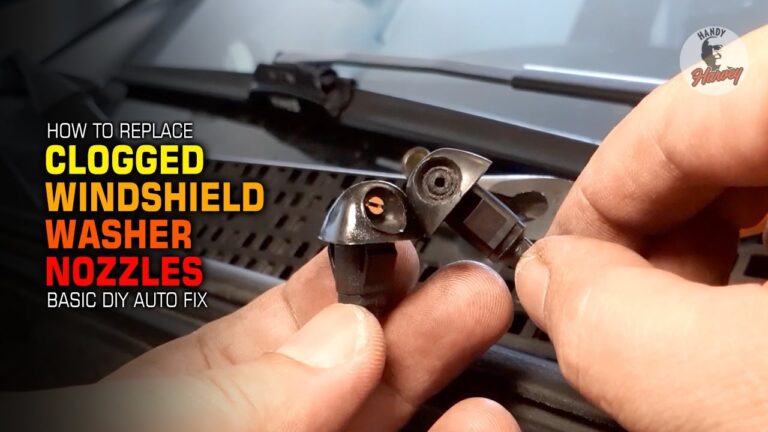
Learn how to install a windshield washer nozzle on a U.S. vehicle, including tools, removal, hose connection, aiming, testing, troubleshooting, and safety tips.