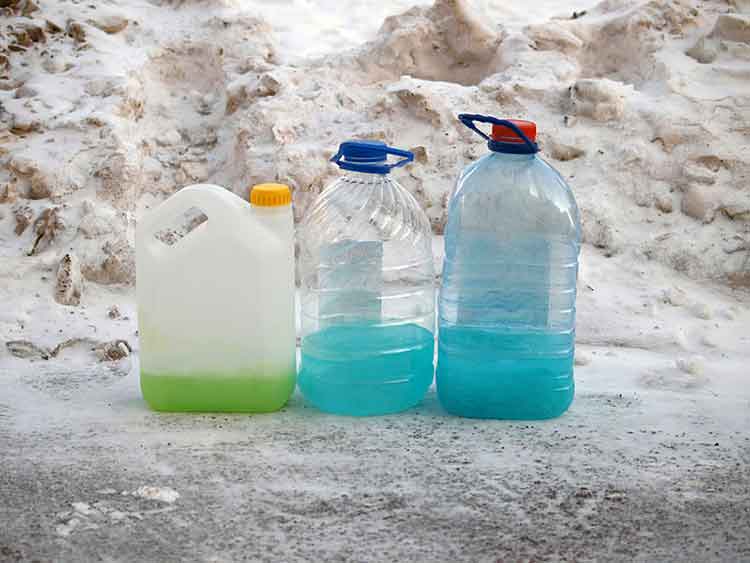
Yes, a windshield washer pump can freeze in cold weather, especially when water or summer washer fluid remains in the system. Ice can also block the reservoir outlet, hoses, and spray nozzles. Safe thawing and winter-rated washer fluid can often restore normal operation.
Across the United States, winter weather can affect cars in very different ways. Drivers in Minnesota, Michigan, North Dakota, and upstate New York may face long periods of freezing temperatures, while drivers in southern states may encounter sudden cold snaps. When temperatures drop, a windshield washer system that worked the day before may stop spraying when the driver needs a clear view of the road.
A frozen windshield washer pump is not always a failed pump. Ice may block the fluid supply, freeze the liquid inside the pump, or stop fluid from moving through the hoses and nozzles. The motor may still run, but nothing reaches the windshield. In other cases, the pump may remain silent because ice has restricted its movement or an electrical fault is present.
The safest response is to identify the likely cause before replacing parts. Allow the vehicle and washer system to warm gradually, use washer fluid rated for the expected outdoor temperature, and avoid repeatedly activating a pump that may be frozen. These steps can help prevent unnecessary repairs and reduce the risk of damage to the reservoir, hoses, pump, or electrical components.
Yes. A windshield washer pump can freeze when the liquid inside it or the surrounding passages turns to ice. The risk depends on the fluid mixture, the temperature, how long the vehicle remains exposed to cold, and the design of the washer system.
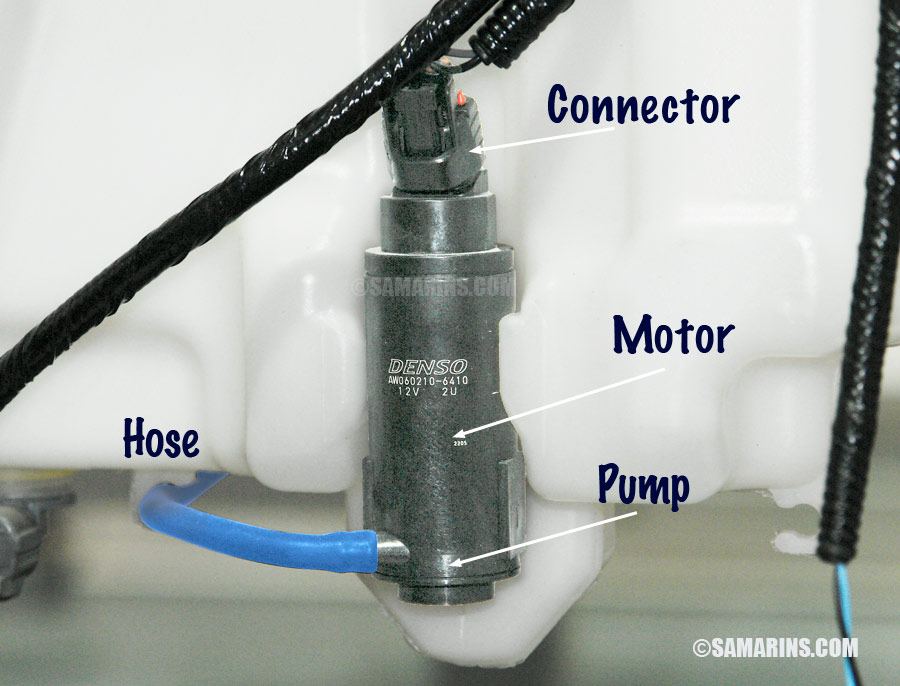
Most washer pumps are small electric devices mounted at or near the bottom of the washer fluid reservoir. The pump draws liquid from the reservoir and sends it through hoses to the windshield spray nozzles. If ice blocks the inlet or outlet, the pump may not deliver any fluid even if its motor remains functional.
Freezing does not always mean the pump itself has failed. In many cases, the main problem is frozen fluid elsewhere in the system. However, ice can expand and place stress on plastic parts, seals, connectors, and hoses, so a system that has frozen repeatedly deserves attention.
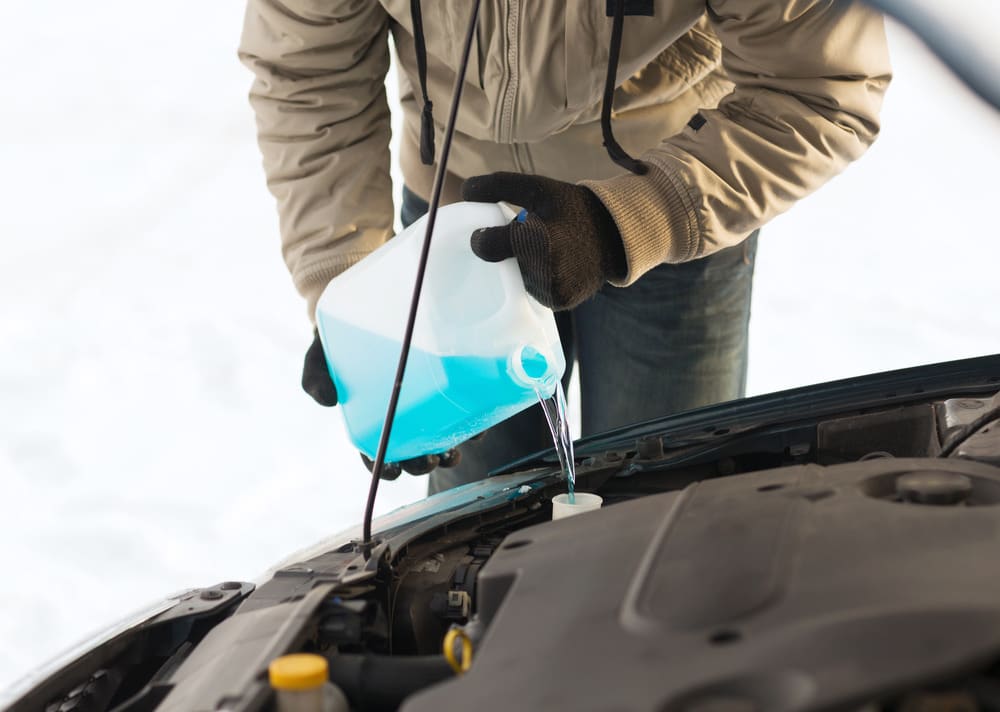
Source: samarins.com
Frozen fluid inside the pump
Ice may prevent liquid from entering or leaving the pump and can restrict moving components.
Frozen reservoir outlet
Ice near the pickup point can stop the pump from drawing fluid even when liquid remains elsewhere in the tank.
Frozen hoses and nozzles
Ice in a narrow passage can block spray delivery while the pump still runs.
Cold-related electrical or mechanical failure
A pump that does not operate may have an electrical fault, worn motor, damaged wiring, or another problem unrelated to ice.
Does the Pump Freeze Before the Washer Fluid?
There is no universal rule that the pump freezes before the rest of the washer system. The fluid’s freezing point, the pump’s location, exposure to cold, and the amount of liquid in each passage all affect what freezes first.
A reservoir may contain liquid while a small amount of fluid in an exposed nozzle or hose has already frozen. The reverse can also occur if the reservoir mixture is too weak for the temperature. A blocked spray pattern therefore does not prove that the pump itself contains ice.
Fluid mixture
Water-rich mixtures usually freeze more readily than winter washer fluids formulated for low temperatures.
Exposure
Parts exposed to cold air may cool faster than components shielded inside the vehicle.
System design
Reservoir placement, hose routing, pump location, and nozzle design can change where ice forms.
Why Does a Windshield Washer Pump Freeze?
The most common reason is that the washer fluid cannot withstand the temperature around the vehicle. Some drivers use plain water or summer washer fluid, which may freeze during a cold spell. Others dilute winter fluid too much or mix products with different temperature ratings.
Automotive washer fluid is formulated to clean glass and, in many winter products, resist freezing. Its actual protection depends on the formulation and the conditions stated on the product label. A product advertised for mild winter weather may not protect a vehicle parked overnight in a much colder climate.
Repeated freezing and thawing can also create problems. Water may remain in hoses, nozzles, or the pump after a reservoir is refilled with winter fluid. Adding a cold-weather product does not guarantee that the entire system is protected immediately, particularly when old fluid and ice remain trapped in small passages.
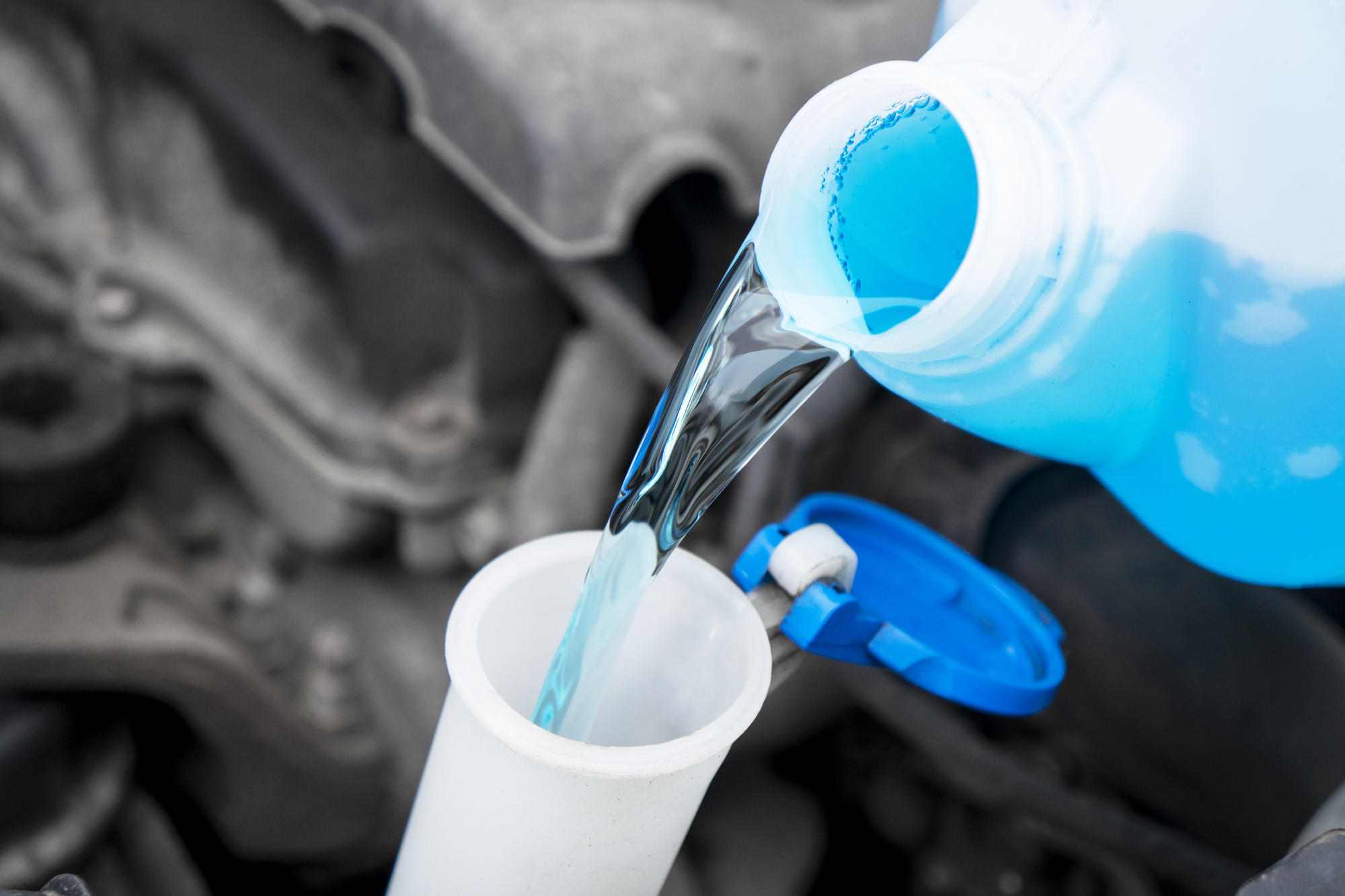
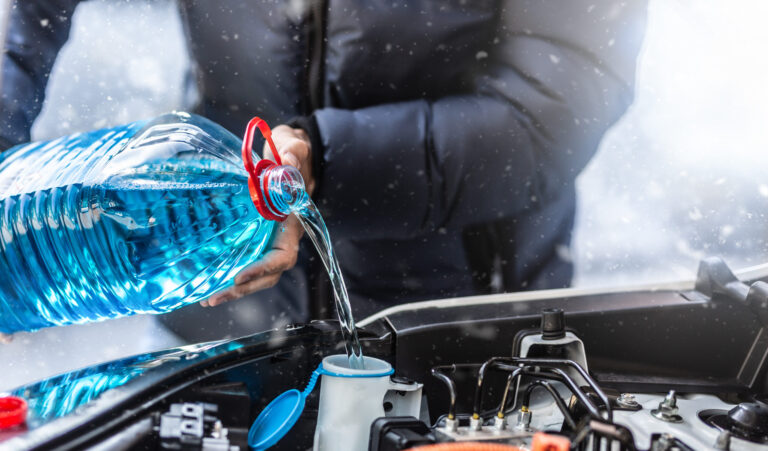
Source: minit-tune.com
Plain water in the reservoir
Water can freeze in cold weather and block the pump, hoses, and spray outlets.
Summer washer fluid
A warm-weather formula may lack the freeze protection needed for a winter cold snap.
Incorrect dilution
Adding water to a winter formula can reduce its stated freeze protection.
Leftover fluid
A mixture of old fluid, water, and new winter fluid may provide less protection than expected.
Extended exposure to cold
Long periods outdoors can allow exposed fluid passages to freeze, depending on the product and local conditions.
What Temperature Can Freeze Washer Fluid?
The freezing point varies by product. Plain water freezes at 32 degrees Fahrenheit under normal atmospheric pressure, but washer fluid containing suitable additives can remain liquid at much lower temperatures. There is no single freezing temperature that applies to every washer fluid or pump.
Check the protection rating printed on the container. If a product is rated for temperatures down to a particular value, use that label as the manufacturer’s stated guidance rather than assuming every fluid sold as winter washer fluid offers the same protection.
Allow for local weather conditions when selecting a fluid. A driver in a mild coastal area may face different needs from a driver in northern Minnesota, where overnight temperatures can fall well below zero degrees Fahrenheit. If temperatures may fall below the product’s rating, choose an appropriate alternative before the cold arrives.
Read the full label
Look for the stated freeze-protection temperature and any mixing instructions.
Avoid unsupported estimates
Do not assume that a particular color, scent, or brand name proves a fluid’s freezing point.
Do not over-dilute
Follow the label’s directions because extra water may reduce cold-weather protection.
Can Summer Windshield Washer Fluid Freeze the Pump?
Yes. Summer washer fluid may freeze in cold weather if its formulation does not provide enough protection. When it freezes, ice can obstruct the pump inlet, outlet, hoses, or spray nozzles.
The risk is not limited to the fluid visible in the reservoir. Liquid trapped in narrow passages may freeze even when some of the reservoir contents remain liquid. Before winter, replace unsuitable fluid with a winter-rated formula and follow the vehicle manufacturer’s instructions.
Before a cold snap
Check the weather forecast and the temperature rating of the fluid already in the vehicle.
After a freeze
Thaw the system before trying to flush out the old mixture.
Signs That Your Windshield Washer Pump or System Is Frozen
A washer system that stops spraying during freezing weather may have ice in the reservoir, pump, lines, or nozzles. The pattern of symptoms can help narrow the cause, but no single symptom proves that the pump itself has frozen.
Start by noting whether the pump makes a humming or buzzing sound when you use the washer control. Also check whether any fluid reaches the windshield, whether the spray is weak or uneven, and whether the problem began after a sharp drop in temperature.
Avoid holding the washer switch for long periods to force fluid through an ice blockage. If the pump is unable to move fluid, repeated activation may place unnecessary strain on the motor or electrical circuit.
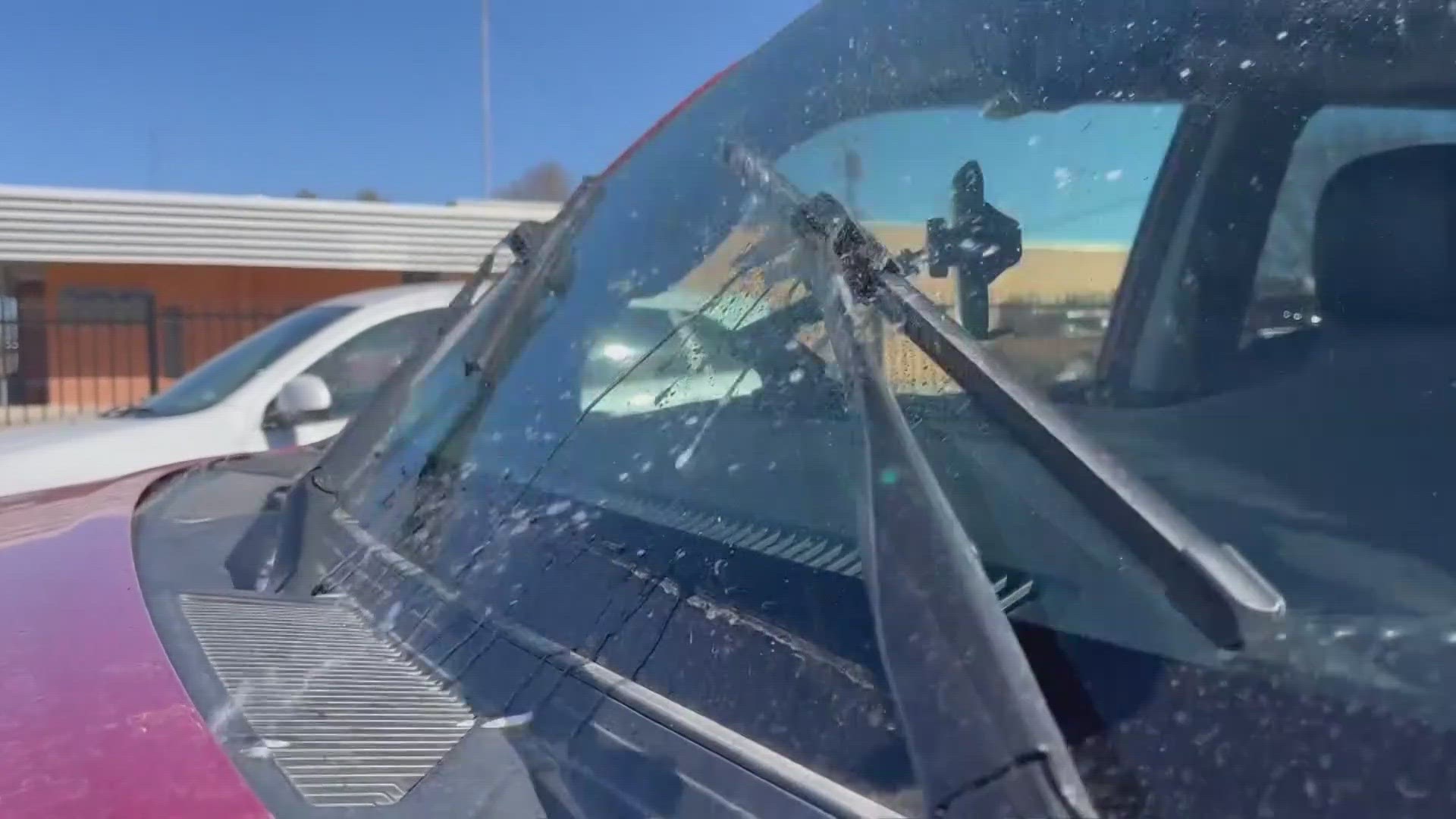
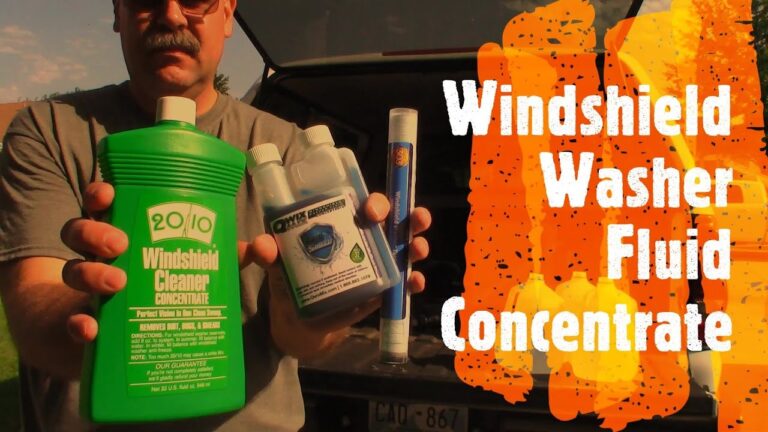
Source: i.ytimg.com
The pump makes noise, but no fluid sprays
Possible causes include frozen lines, blocked nozzles, an iced-over reservoir outlet, an empty reservoir, or a damaged pump impeller.
The pump is silent
Possible causes include a frozen or seized pump, a blown fuse, damaged wiring, a faulty switch, or a failed motor.
The spray is weak or uneven
Partial ice blockage, dirty nozzles, a kinked hose, or a low fluid level may restrict flow.
Fluid leaks under the vehicle
A cracked reservoir, disconnected hose, damaged seal, or other leak may be present, including damage caused by freezing.
The system works after warming up
A temperature-related blockage is more likely, although an intermittent electrical or mechanical fault may also improve as components warm.
How to Tell a Frozen Pump From a Failed Pump
A frozen system is more likely when the washer stops working during a cold spell and begins working again after the vehicle has warmed up. A failed pump is more likely when the system remains inoperative after complete thawing and the fluid supply, fuse, wiring, and controls have been checked.
These clues are not conclusive. A pump can fail at the same time that temperatures drop, and a damaged hose can mimic pump failure. A reliable diagnosis combines temperature history, visual inspection, fluid flow, and electrical testing where needed.
Check the weather history
A sudden failure after freezing temperatures supports the possibility of ice blockage.
Inspect the fluid level
Confirm that the reservoir contains suitable washer fluid and is not empty.
Wait for complete thawing
Do not conclude that the pump has failed while ice may still block a passage.
Seek testing if the fault remains
A technician can check power, ground, pump operation, hose condition, and fluid delivery.
How to Safely Thaw a Frozen Windshield Washer Pump
The safest way to thaw a frozen washer pump is to move the vehicle to a warmer, sheltered location and allow the system to warm gradually. A heated garage is useful when available, but the vehicle must be parked in a properly ventilated area and away from combustion hazards.
Do not use boiling water, a blowtorch, an open flame, or a high-heat gun on the reservoir or pump. Sudden heat can damage plastic parts, distort seals, or crack cold glass if hot water reaches the windshield. Never run a combustion engine in a closed garage because exhaust gases can build up.
The time needed for thawing depends on the temperature, the amount of ice, the location of the pump, and the design of the vehicle. There is no universal thawing time, so allow enough time for the entire system to warm rather than relying on a fixed number of minutes.
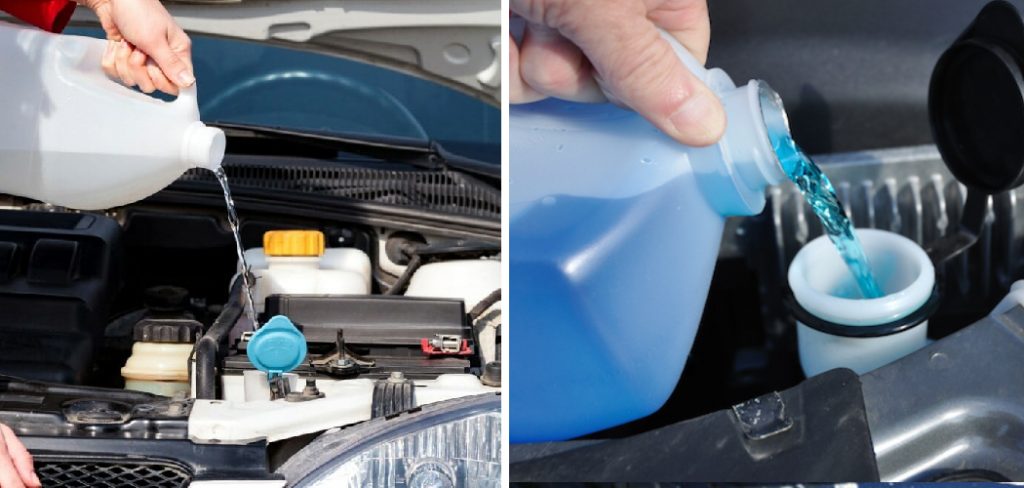
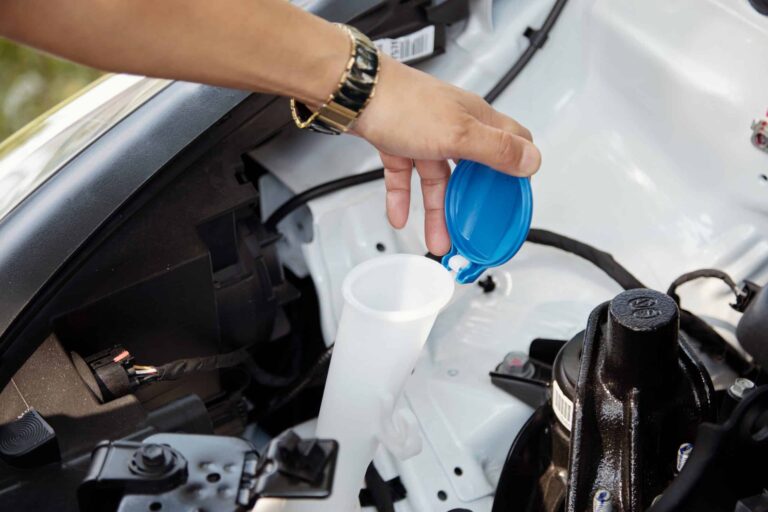
Source: jalopytalk.com
Step 1: Stop operating the washer
Release the control if the pump makes noise without delivering fluid or remains silent during freezing conditions.
Step 2: Park in a warmer location
Use a heated garage or another sheltered place where the vehicle can warm gradually and safely.
Step 3: Let the system thaw
Give the reservoir, pump, hoses, and nozzles time to warm. Do not apply concentrated heat to individual components.
Step 4: Inspect for visible damage
Look for cracks, loose hoses, leaks, and damage around the reservoir and pump once the area is accessible.
Step 5: Check the fluid
After thawing, confirm the reservoir contains suitable winter washer fluid. If the mixture is unsuitable, replace it according to the vehicle and product instructions.
Step 6: Test the washer briefly
With the system thawed and filled correctly, use a short test to see whether fluid reaches the windshield. Stop if the pump strains, leaks appear, or nothing sprays.
What If the Pump Still Does Not Work After Thawing?
If the washer system remains inoperative after it has thawed completely, check the simple causes first. Verify the fluid level and inspect accessible hoses for disconnection, kinks, or leaks. Consult the owner’s manual to locate the correct fuse and follow its guidance for inspection.
Do not replace a fuse with one that has a higher amperage rating. If the replacement fuse fails again, the circuit may have an electrical fault that needs professional diagnosis. Avoid probing wiring or pump connectors unless you know the correct procedure for the vehicle.
A technician can test whether the pump receives the correct electrical supply and ground, determine whether the motor operates, and inspect the fluid path. This helps distinguish a damaged pump from a clogged line, broken hose, faulty switch, or electrical problem.
Fluid level is low
Refill with compatible washer fluid that meets the required winter temperature rating.
A hose is damaged or disconnected
Have the hose repaired or reconnected and check for leaks before using the system.
A fuse has blown
Use the vehicle manual to identify the correct fuse and rating. Investigate a repeat failure instead of installing a larger fuse.
The pump does not receive power
Electrical diagnosis may be needed to check wiring, grounds, controls, and related circuits.
The pump receives power but does not operate
The motor or pump mechanism may have failed and may need replacement after testing confirms the fault.
Can Freezing Permanently Damage a Windshield Washer Pump?
Yes, freezing can cause lasting damage, although many frozen washer systems recover without needing a new pump. The outcome depends on how much ice forms, where it forms, the system design, and whether components are already worn or damaged.
Water expands as it freezes. When ice forms in a confined space, it can place pressure on plastic housings, reservoir walls, seals, and fluid connections. Damage is not inevitable, but a cracked part or displaced hose may cause a leak after the ice melts.
A pump may also be affected if it is repeatedly activated while the fluid path is blocked. The motor may experience unnecessary strain, and a mechanical blockage may prevent normal operation. Avoid using the washer control as a way to test whether the ice has cleared.
Source: media.kagstv.com
Cracked reservoir
A damaged tank may leak fluid and require repair or replacement.
Damaged pump seals or housing
Ice-related stress may cause leaks or interfere with normal pump operation.
Split or disconnected hoses
A damaged fluid line may prevent washer fluid from reaching the nozzles.
Blocked or damaged nozzles
Ice or debris may restrict spray, while physical damage may require cleaning or replacement.
Electrical or motor failure
A pump that remains inoperative after thawing may need electrical testing and, if confirmed faulty, replacement.
When Should You Replace the Washer Pump?
Replace the pump only when inspection or testing indicates that the pump itself has failed or cannot be repaired economically. A lack of spray alone is not enough to justify replacement because a frozen line, empty reservoir, clogged nozzle, or electrical fault can cause the same symptom.
If the pump leaks from its housing, fails an appropriate operational test, or remains inoperative despite a verified power supply and sound fluid path, replacement may be necessary. The correct part depends on the vehicle’s make, model, year, and washer system configuration.
Confirm the cause first
Rule out frozen passages, low fluid, clogged nozzles, disconnected hoses, and electrical faults.
Check vehicle-specific instructions
Some vehicles require access through a wheel well, splash shield, or other body component.
Inspect related parts
Check the reservoir, seals, connectors, and hoses for damage before fitting a replacement.
How to Prevent a Windshield Washer Pump From Freezing
The best prevention is to use washer fluid rated for the coldest temperatures expected where the vehicle will be parked or driven. Check the label before winter arrives, especially if the reservoir still contains summer fluid or an unknown mixture.
Prevention also means protecting the whole washer system, not just the reservoir. Fluid trapped in hoses and nozzles can freeze even after the tank has been filled with a suitable winter product. Use the system according to the vehicle manufacturer’s instructions after the old mixture has been safely removed and the system has thawed.
Regular checks are useful before winter road trips and during extended cold spells. A functioning washer system helps clear road salt, mud, and grime from the windshield, all of which can reduce visibility on American highways and local roads.
Source: jeepfixes.com
Use winter-rated washer fluid
Choose a product whose stated freeze protection suits the local weather forecast and the temperatures expected during parking.
Replace unsuitable fluid before freezing weather
Follow the product label and vehicle manual when changing from a summer formula to a winter formula.
Avoid adding plain water
Water can dilute the mixture and reduce the level of cold-weather protection.
Check hoses and nozzles
Inspect accessible parts for cracks, leaks, loose connections, and blocked spray outlets.
Keep up with routine maintenance
Check fluid levels and washer operation before long drives and when temperatures begin to fall.
Follow the vehicle manual
Use the recommended fluid type and service procedure for the specific vehicle.
Can You Add Winter Washer Fluid to Summer Fluid?
You may be able to replace summer washer fluid with winter washer fluid, but the resulting protection depends on the amount and type of each fluid already present. Mixing products does not automatically provide the full freeze protection stated on the winter product’s label.
If the system is already frozen, allow it to thaw before trying to remove the old fluid or flush the lines. Once the system is liquid and functioning, follow the product label and vehicle manual to replace the unsuitable mixture. Do not rely on adding a small amount of concentrated product to an icy reservoir.
Check compatibility and directions
Use automotive washer products according to their labels and your vehicle manufacturer’s guidance.
Account for leftover fluid
Residual summer fluid or water can lower the protection of the final mixture.
Verify the system after changing fluid
Once the system is thawed, confirm that fluid sprays normally and no leaks are present.
Is Engine Antifreeze Safe for a Windshield Washer Pump?
No. Do not pour engine coolant or radiator antifreeze into the windshield washer reservoir. Engine coolant is designed for a different system and is not a substitute for automotive windshield washer fluid.
Using the wrong product may leave residue on glass, interfere with washer system components, or create other hazards. If engine coolant has been added by mistake, do not spray it onto the windshield. Consult a qualified repair shop about safely draining and cleaning the washer system.
Use the correct product
Choose automotive windshield washer fluid with an appropriate winter rating.
Do not improvise a mixture
Avoid household chemicals, engine coolant, and unapproved additives.
Get help after contamination
Have the system assessed and cleaned safely if an unsuitable chemical has entered the reservoir.
Frozen Washer Pump Troubleshooting: Symptoms and Solutions
A simple symptom check can help you decide what to do next. Start with the weather and the fluid level, then look for leaks and wait for a full thaw before investigating electrical or mechanical faults.
The table below links common symptoms to possible causes and practical next steps. These are diagnostic clues, not definitive diagnoses, because several different faults can produce similar results.
Source: res.cloudinary.com
Prioritize safe checks
Inspect fluid level and visible leaks before attempting electrical testing or removing components.
Do not force operation
Stop if the pump strains, fluid fails to move, or signs of damage appear.
Common Symptoms, Possible Causes, and Next Steps
Use this troubleshooting guide after considering the outdoor temperature and whether the system has had time to thaw. If visibility is poor and the windshield cannot be cleaned safely, do not continue driving until it is clear.
Pump hums but no spray appears
Possible causes include frozen fluid, blocked lines, clogged nozzles, an empty reservoir, or pump damage. Thaw the system, check the fluid, and inspect for visible blockages or leaks.
No pump sound
Possible causes include ice-related seizure, a failed motor, a fuse problem, wiring damage, or a faulty control. Allow a full thaw, then check the appropriate fuse according to the vehicle manual.
Only one nozzle sprays
A single nozzle may be frozen or clogged, or its hose may be restricted. Check the nozzle and hose after thawing.
Fluid leaks after the thaw
A cracked tank, damaged seal, or split hose may be present. Avoid continued use until the leak is repaired.
The system works in a warm garage but fails outdoors
The fluid may lack sufficient freeze protection, or a partially blocked passage may freeze again. Check the product rating and replace unsuitable fluid.
The system remains dead in warm conditions
A persistent electrical or mechanical fault is more likely. Arrange further testing rather than assuming the pump is still frozen.
Frequently Asked Questions
Q
Can a windshield washer pump freeze overnight?
Yes. A washer pump or the fluid around it can freeze overnight if temperatures fall below the mixture’s freezing point for long enough. The risk depends on the washer fluid, outdoor temperature, vehicle design, and exposure to cold.
Q
Will a frozen windshield washer pump fix itself?
It may begin working again after the vehicle warms up and the ice melts. However, thawing does not repair a cracked reservoir, damaged hose, failed motor, or electrical fault. Inspect the system for leaks and test it briefly after it has thawed.
Q
Should I keep pressing the washer button when the pump is frozen?
No. Repeatedly activating the pump when ice blocks the fluid path may put unnecessary strain on the motor and electrical circuit. Stop using the control, allow the system to thaw, and test it only after checking the fluid and visible components.
Q
Can a frozen windshield washer pump blow a fuse?
A pump that is obstructed or unable to operate normally may contribute to excessive electrical load, but a blown fuse can also result from wiring faults or a failing motor. A blown fuse alone does not prove that ice caused the problem. Use only the specified fuse rating and seek diagnosis if the replacement fails again.
Q
How long does it take to thaw a frozen washer pump?
There is no fixed thawing time. A small amount of ice in an exposed nozzle may thaw sooner than ice inside a reservoir or pump. Vehicle design, room temperature, and the amount of ice all affect the time required. Wait until the system has thawed fully instead of applying direct high heat.
Q
Can I drive with a frozen windshield washer pump?
You should not drive when dirt, road salt, snow, or grime prevents you from seeing clearly through the windshield. A frozen washer system can make it difficult to restore visibility during a trip. Thaw and repair the system before driving when windshield cleaning is necessary for safe visibility.
Q
Does a frozen washer pump always need replacement?
No. Many systems work again after the ice melts and suitable washer fluid is added. Replace the pump only when testing or inspection confirms damage or failure. A frozen hose, clogged nozzle, low fluid level, or electrical issue may need a different repair.
✦ Wrapping Up
Conclusion
A windshield washer pump can freeze in winter, but the pump is not always the part at fault. Ice may form in the reservoir outlet, hoses, pump, or spray nozzles when the fluid does not have enough protection for the temperature. The result can be weak spray, no fluid delivery, or a washer system that becomes silent.
Start by stopping pump operation and allowing the entire system to thaw in a warm, sheltered location. Inspect for leaks, check the fluid level, and use winter-rated automotive washer fluid suited to the temperatures expected in your area. If the system remains inoperative after thawing, further mechanical or electrical testing can identify the real cause.
Do not force a frozen system to operate, apply an open flame, pour boiling water on cold components, or use engine coolant as washer fluid. These shortcuts can create additional damage and safety risks. Proper winter preparation is usually easier than repairing a system that has been damaged by freezing.
💡 Key Takeaway
If your windshield washer pump stops working in freezing weather, stop using the switch, move the vehicle to a warm and safe location, let the system thaw completely, inspect for leaks, and verify the washer fluid’s temperature rating. If the pump still fails after thawing, arrange a proper diagnosis before replacing parts.
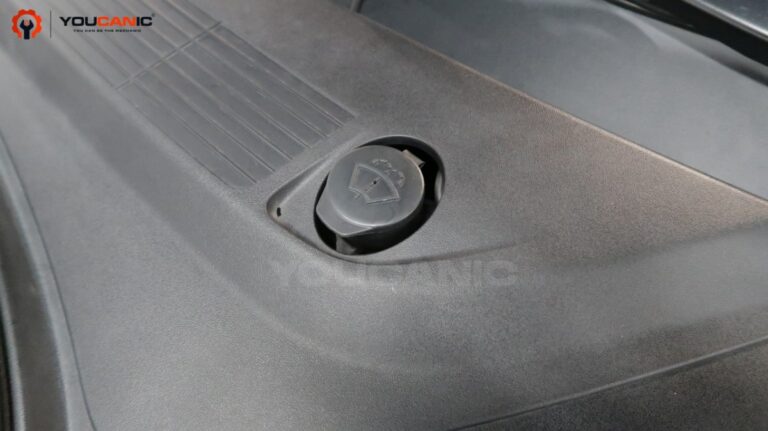
Learn how to check windshield washer fluid in a Tesla, recognize low-fluid symptoms, inspect the reservoir, and refill it safely with compatible washer fluid.