windshield washer fluid usually does not expire like food, especially when kept in a sealed container. However, poor storage, contamination, and extreme temperatures can affect its cleaning power and freeze protection. Check the product label and inspect old fluid before use.
Across the United States, windshield washer fluid helps drivers clear road dust, bugs, pollen, salt, and grime from their windshields. Drivers in cold states such as Minnesota and Michigan also rely on winter formulas to keep the fluid from freezing. A forgotten jug in a garage may still be useful years later, but its age alone cannot confirm that it will work as intended.
The key question is not just how old the fluid is. You also need to know whether the container stayed sealed, where it was stored, and which formula it contains. Some manufacturers state that their washer fluid has no set shelf life, while other automotive cleaning products carry a recommended storage period. These differences make the product label the best starting point.
This guide explains how to judge old windshield washer fluid, what can reduce its performance, and how to store it. It also covers the difference between fluid in a bottle and fluid already in your vehicle. The goal is to help you keep your windshield clear without wasting usable fluid or relying on weak winter protection.
Windshield washer fluid does not always have a fixed expiration date. Many standard formulas remain usable for years when stored in a sealed container under the conditions stated by the manufacturer. SPLASH, for example, states that its products do not have a set shelf life and explains that opened washer fluid depends on its storage conditions.
That does not mean every bottle lasts forever. Some products have a stated shelf life or a recommended period for best performance. Rain-X, for example, has advised that its chemical products are generally intended for use within one to two years and that it does not guarantee performance beyond two years. The guidance can vary by product, so do not apply one brand’s policy to every formula.
Washer fluid also does not spoil in the same way as milk or other food. The main concern is whether the liquid still cleans well and provides the protection stated on its label. A bottle can look normal yet have an uncertain performance history, especially if it has been open or exposed to harsh conditions.
For that reason, the safest answer is conditional: old washer fluid may still be fine, but age, appearance, storage, and product instructions all matter. If the manufacturer gives a shelf-life limit, follow it. If the fluid looks contaminated or you cannot establish whether it is suitable for freezing weather, replacing it is a sensible choice.
Source: mroilguy.com
Sealed container
Often lasts for years when kept in suitable conditions, unless the product label states a shorter shelf life.
Opened container
May remain usable when tightly capped and stored well, but contamination and changes in storage conditions become greater concerns.
Fluid in a vehicle
May remain usable for a long time, but exposure to heat, dirt, and changing temperatures makes its condition harder to judge.
Why There Is No Universal Expiration Date
Windshield washer fluids differ in their ingredients, intended use, and performance claims. A basic summer formula may focus on removing bugs and road film, while a winter formula must also resist freezing at its stated temperature. Concentrates and water-repellent formulas can have different storage requirements from standard ready-to-use fluid.
A single shelf-life rule would ignore these differences. Check the container for a date, batch information, storage advice, and any directions for use after opening. If the label is missing or unreadable, the manufacturer may be able to identify the product from its name and batch details.
Follow product-specific advice
Use the shelf-life and storage directions for the exact formula you have.
Avoid unsupported time limits
Do not assume that all washer fluids expire after six months, one year, or two years.
How Long Does Windshield Washer Fluid Last?
The useful life of windshield washer fluid depends on the product and how you store it. Some manufacturers do not set an expiration date, while others recommend using their chemical products within a stated period. Without product-specific instructions, it is not possible to give one reliable lifespan for every jug.
A sealed bottle stored in a cool, dry place away from sunlight is generally a better candidate for long-term use than a container left open in a hot shed. A tightly closed container helps keep out dirt and limits the escape of volatile ingredients. Once the seal is broken, careful storage becomes more important.
Fluid already in the car is harder to assess because the reservoir sits in a changing environment. Depending on the vehicle, the reservoir may be exposed to engine-bay heat or outdoor temperature swings. Dirt can also enter during filling if the cap, funnel, or container opening is not clean.
Use the following table as a practical guide, not a guaranteed expiration schedule. The condition and history of the fluid matter more than a general age estimate.
Source: evpulse.com
Check the label first
A stated shelf life or product-specific storage instruction takes priority over general guidance.
Consider storage history
A sealed jug kept indoors is easier to trust than an unsealed container exposed to sunlight and heat.
Typical Storage Scenarios
An unopened jug kept in a shaded indoor storage area may remain usable for years if its manufacturer permits long-term storage. An opened jug can also last for an extended period when it remains tightly sealed and clean. However, visible changes or an unknown storage history make the fluid less reliable.
If the product has sat through repeated periods of extreme heat or freezing, inspect it and consult its label before use. Freezing alone does not prove that a formula has expired, but you should not assume that every product will return to its original condition after thawing.
Unopened and properly stored
Check the manufacturer’s stated shelf life and inspect the container for damage or leaks.
Opened and tightly capped
Check for contamination, unusual changes, and any instructions that apply after opening.
Stored outdoors or in direct sun
Treat the history as a reason for closer inspection, especially if the fluid is intended for winter use.
Already in the reservoir
Check whether it cleans properly and whether its freeze rating suits the coming weather.
What Makes Windshield Washer Fluid Go Bad?
Windshield washer fluid can lose usefulness when its ingredients change or the liquid becomes contaminated. The exact cause depends on the formula, the container, and the conditions in which it has been stored. Several common factors deserve attention when judging an old jug.
Most washer fluids contain water and cleaning agents. Many also contain alcohol or other ingredients that help lower the freezing point. These ingredients work together to remove dirt while allowing the fluid to flow through the washer system under the conditions stated on the label.
A change in the mixture can affect its cleaning ability or cold-weather performance. However, the presence of old fluid does not automatically mean that a chemical breakdown has occurred. The strongest practical clues are the product’s storage history, visible contamination, and whether it still performs as intended.
Source: louscarcare.com
Heat
Prolonged high temperatures can affect some formulas and may increase the loss of volatile ingredients from a poorly sealed container.
Sunlight
Direct sunlight can heat the container and affect ingredients or packaging over time.
Air exposure
A loose cap can allow contamination and the escape of volatile components.
Dirt and debris
Foreign particles may enter through an open container or during careless refilling.
Repeated temperature changes
Hot and cold conditions can make storage less predictable and may affect some formulas.
Can Alcohol Loss Reduce Freeze Protection?
Yes, losing some of the volatile ingredients in a formula that relies on alcohol for freeze protection can reduce its ability to stay liquid in cold weather. This is one reason to keep the container sealed and follow the storage directions. The extent of any change cannot be determined just by looking at the fluid.
A fluid labeled for protection down to a particular temperature should not be assumed to retain that rating after poor storage. This matters in places such as Colorado, Wisconsin, and upstate New York, where winter temperatures can fall well below freezing. Choose fluid based on the expected local conditions and the manufacturer’s stated rating.
Read the freeze rating
Use the temperature protection printed on the product label as the starting point for cold-weather selection.
Do not rely on color
Blue, green, or another dye color does not prove that the fluid retains a specific freeze rating.
Can Contamination Affect the Washer System?
Yes. Dirt or other foreign material may block small washer nozzles or interfere with proper spraying. A cloudy liquid or one containing visible particles deserves closer attention, especially if the container has been left open.
Do not pour visibly contaminated fluid into the vehicle just because it is old stock you want to use up. Replace questionable fluid with a suitable product, and seek vehicle-specific service advice if the reservoir or spray system appears blocked.
Keep openings clean
Wipe the container opening and reservoir cap area before pouring.
Do not filter questionable fluid as a shortcut
A household filter cannot confirm that the ingredients or freeze protection remain suitable.
How to Tell If Old Windshield Washer Fluid Is Still Good
Start with the label and the container, then inspect the liquid if it is safe to do so. You do not need laboratory equipment to spot obvious problems, but a visual check cannot prove the exact freezing point or cleaning performance. Use several clues together rather than relying on one sign.
First, look for a readable product name, directions, and any shelf-life information. Check whether the cap is secure and whether the container has cracks, leaks, or signs of damage. If the liquid has changed noticeably from its expected appearance, do not assume it is still suitable.
If the fluid appears normal and its storage history is reasonable, it may still be usable within the manufacturer’s guidance. For winter driving, be more cautious because appearance alone cannot establish the fluid’s freeze protection. When that protection is uncertain, replace the fluid with a formula rated for the expected temperatures.
Source: johnsportmap.com
Cloudiness
Unexpected cloudiness may indicate contamination or a change in the mixture.
Visible particles
Dirt, flakes, or other solids are a reason not to pour the liquid into the reservoir.
Unexpected separation
Layers or persistent deposits may indicate that the formula has changed or become contaminated.
Damaged packaging
Cracks, leaks, or a missing cap can make the product’s condition and composition less certain.
Poor cleaning
Streaks or a weak cleaning result may reflect the fluid, the windshield, or worn wiper blades, so check these factors separately.
A Simple Inspection Checklist
Inspect old washer fluid in a well-lit place, and avoid direct contact with the liquid. Do not smell it closely or taste it to identify its contents. Follow the product label and safety instructions, and keep the container away from children and pets.
If the product looks unusual or its history is unclear, the low-cost option is often to replace it rather than take a chance on poor visibility or uncertain freeze protection. Do not mix suspicious fluid with fresh fluid in an attempt to restore it.
Step 1: Read the label
Confirm the product type, intended season, use instructions, and any stated storage limit.
Step 2: Check the container
Look for leaks, damage, a loose cap, or signs that dirt may have entered.
Step 3: Inspect the liquid
Look for unexpected cloudiness, particles, or separation without touching or tasting the fluid.
Step 4: Review the storage history
Consider whether the jug was exposed to sunlight, extreme heat, repeated freezing, or a long period with the cap open.
Step 5: Decide based on the use
Replace questionable fluid, especially when reliable winter protection is needed.
Does Windshield Washer Fluid in Your Car Expire?
Washer fluid inside a vehicle does not automatically expire after a fixed number of months. Its condition depends on the formula, the reservoir, exposure to heat, and whether dirt or other substances entered the system. A clean reservoir containing suitable fluid may remain serviceable for an extended period.
The reservoir environment differs from storage in a sealed jug. Depending on the vehicle design, it may be near warm components or exposed to substantial temperature changes. The system may also hold a small amount of older fluid even after a top-up.
If you do not know what is in the reservoir, check the vehicle manual and the product you plan to add. Avoid combining formulas when the labels warn against mixing them. If the system contains the wrong type of fluid or has a suspected blockage, follow the vehicle manufacturer’s guidance or ask a qualified technician.
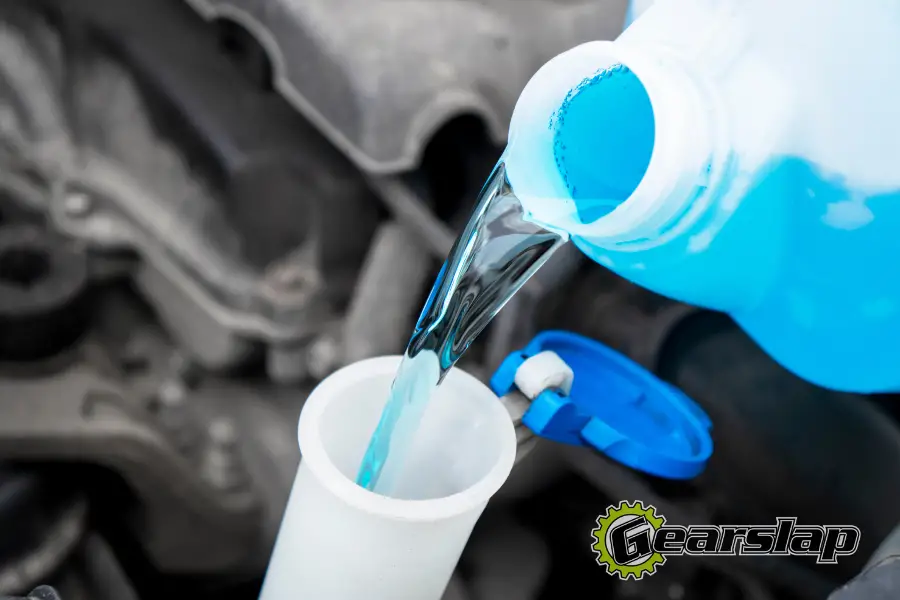
Source: gearslap.com
Before winter
Check that the fluid is rated for the lowest temperatures you reasonably expect in your area.
After a long period without use
Check the reservoir level and inspect the system for leaks or poor spray performance.
When spray performance changes
Consider low fluid, blocked nozzles, a failed pump, damaged lines, or worn wiper blades instead of assuming the fluid has expired.
What If the Washer Fluid Freezes?
If washer fluid freezes, stop trying to spray it until the system has thawed. Repeatedly operating the washer may place unnecessary strain on components, and ice can block the reservoir, lines, or nozzles. Move the vehicle to a naturally warm, sheltered place if possible and follow the vehicle manufacturer’s advice.
Do not use an open flame, boiling water, or a high-heat tool to thaw the system. Sudden heat can damage vehicle parts or create a safety hazard. After thawing, check the product’s temperature rating and replace the fluid if it is unsuitable for the weather.
Let the system thaw safely
Use a sheltered, above-freezing location and allow time for the fluid and lines to warm.
Check for normal operation
Once thawed, follow the owner’s manual to check whether the washer system sprays normally.
Get help if needed
If the pump makes an unusual sound, the system leaks, or the nozzles remain blocked, seek qualified service.
How to Store Windshield Washer Fluid Properly
Good storage helps preserve washer fluid and reduces the chance of contamination. Keep the liquid in its original container, close the cap firmly after each use, and follow the manufacturer’s storage instructions. A cool, dry location away from direct sunlight is generally preferable to a hot vehicle trunk or an outdoor spot exposed to the weather.
Choose a storage location that is safe for the specific product. Many washer fluids contain alcohol or other ingredients that require care around heat and ignition sources. Read the product’s safety information and keep the container away from flames, sparks, and hot equipment.
Store the jug where children and pets cannot reach it. Never transfer washer fluid into a drinking-water bottle or another container that could be mistaken for food or a beverage. Retaining the original label helps identify the product, its hazards, and its proper use.
Source: vehiclefreak.com
Keep the cap tight
Close the container promptly after pouring to limit contamination and unwanted evaporation.
Avoid direct sunlight
Use a shaded storage location that does not become excessively hot.
Prevent contamination
Keep the opening, cap, and pouring equipment clean.
Protect the container
Do not use jugs that are cracked, leaking, or missing essential product information.
Follow chemical safety guidance
Keep fluid away from children, pets, food, drinking water, heat, and ignition sources.
Should You Keep Washer Fluid in a Hot Garage?
A garage can be suitable if it stays within the temperature range stated on the label and offers a safe storage area. However, a garage that becomes extremely hot in summer or receives direct sunlight through a window may be a poor choice for long-term storage.
If the only available location experiences severe temperature swings, check the container more carefully and follow the manufacturer’s advice. Do not assume that a sealed jug is immune to heat or that every product can safely be stored outdoors.
Prefer stable conditions
Choose a dry, shaded place with temperatures that meet the product’s storage instructions.
Keep products identifiable
Store each product in its original labeled container and keep safety information available.
Can You Use Old Windshield Washer Fluid?
You may be able to use old windshield washer fluid if the product is within its stated storage guidance, the container is sound, and the liquid shows no signs of contamination. Age alone is not enough to declare every jug unusable. The decision should reflect both the fluid’s condition and the job it needs to do.
For warm-weather driving, the main concern is whether the fluid cleans the glass without leaving a distracting film. For winter driving, freeze protection adds a separate requirement. A fluid that appears clean may still be unsuitable for the temperatures you expect, so visual inspection is not a substitute for the product rating.
If the fluid is contaminated, has an unknown composition, or no longer meets the product instructions, do not use it. Replace it with a formula designed for your vehicle and climate. Never pour automotive fluid onto the ground, into a storm drain, or into a household sink without checking the applicable disposal guidance.
Source: evpulse.com
Likely suitable
The product is identifiable, stored as directed, within any stated shelf life, and free of visible contamination.
Needs caution
The jug is old, has been opened for a long time, or has experienced uncertain storage conditions.
Replace it
The fluid is visibly contaminated, the container is damaged, the product instructions say not to use it, or its winter protection cannot be relied upon.
What Should You Do With Unusable Fluid?
Check the product label and contact your local waste authority if you need to dispose of a large quantity or an unidentified mixture. Local rules vary, and the appropriate method depends on the product’s ingredients and any local household hazardous-waste requirements.
Keep unusable fluid in its original container when possible, with the cap secure and the label intact. Do not mix it with other automotive chemicals or pour it into a drain to get rid of it.
Read the safety label
Follow the manufacturer’s disposal advice and any local requirements.
Avoid mixing chemicals
Keep questionable fluid separate from other vehicle fluids and household products.
Common Mistakes to Avoid With Old Washer Fluid
A few simple mistakes can make old washer fluid less useful or create avoidable safety risks. The most common is treating every formula as if it has the same shelf life and temperature rating. Another is assuming that a normal color proves the liquid still performs as claimed.
Do not mix old fluid with a fresh formula just to use up the remaining amount. Some products have different ingredients or directions, and mixing can make performance harder to predict. Check both labels and the vehicle manual before combining products.
Do not substitute household cleaners or engine coolant for washer fluid. The washer system is designed for suitable windshield-cleaning products, and an inappropriate liquid may leave residue or create other problems. Use the right product for the vehicle and the expected weather.
Source: johnsportmap.com
Ignoring the label
A general rule from another brand may not apply to your product.
Using appearance as proof
Clear fluid can still have uncertain freeze protection or reduced cleaning performance.
Mixing unknown formulas
Do not combine products unless their instructions and your vehicle guidance allow it.
Using water as a permanent replacement
Plain water lacks the cleaning additives and freeze protection provided by suitable washer fluid.
Storing fluid in a drink bottle
This creates a serious risk of accidental ingestion and removes the original safety label.
Why Plain Water Is Not a Reliable Substitute
Water may remove some loose dirt in mild conditions, but it does not offer the full cleaning formula found in windshield washer fluid. In freezing weather, water can freeze in the reservoir or lines and prevent the system from working when visibility matters most.
Use a washer fluid rated for the expected temperature and approved for your vehicle. If you use a concentrate, follow its exact dilution directions; adding too much or too little water can change how the product performs.
Choose a suitable formula
Match the product to the season, local climate, and vehicle instructions.
Follow dilution directions
Do not guess the water-to-concentrate ratio.
Frequently Asked Questions
Q
Does unopened windshield washer fluid expire?
Unopened windshield washer fluid can remain usable for years when stored correctly, but there is no universal shelf life for every product. Some manufacturers do not set an expiration date, while others provide a recommended period. Check the label and follow the directions for the exact formula.
Q
How long does opened windshield washer fluid last?
Opened washer fluid may remain usable for an extended period if the cap stays tight and the liquid remains clean. Its useful life depends on the ingredients and storage conditions. Follow any after-opening guidance from the manufacturer, and replace fluid that looks contaminated or has an uncertain history.
Q
Can old windshield washer fluid damage my car?
Old fluid does not automatically damage a vehicle. However, contaminated fluid may block washer nozzles, and an unsuitable formula may clean poorly or fail to provide enough freeze protection. Avoid using fluid with visible particles, unexpected separation, or an unknown composition.
Q
Can windshield washer fluid freeze after years in storage?
Yes, it can freeze if the formula is not rated for the temperature or if its composition has changed. The age of the fluid alone does not reveal its freezing point. Check the product’s stated rating and storage history, and replace it if you cannot rely on its cold-weather performance.
Q
Does windshield washer fluid lose its color when it expires?
A color change may indicate a problem, but color alone cannot confirm that fluid has expired. Different brands use different dyes, and some changes may be difficult to see. Unexpected cloudiness, particles, or separation deserve attention, while a normal color does not prove that the fluid retains its original freeze protection.
Q
Is it safe to use windshield washer fluid that froze in the bottle?
That depends on the product and its storage history. Some products can return to a usable state after thawing, but this should not be assumed for every formula. Let the bottle thaw in a suitable above-freezing location, inspect it, and follow the manufacturer’s instructions. Never use an open flame or intense heat.
Q
Can I mix old windshield washer fluid with new fluid?
Do not mix them automatically. Check the labels and vehicle manual to confirm that the formulas are compatible. If the old fluid is contaminated, has separated, or may not provide the required winter protection, replace it instead of diluting the concern with fresh fluid.
✦ Wrapping Up
Conclusion
Does windshield washer fluid expire? Sometimes its useful life is limited by the product’s instructions and storage conditions, but many sealed formulas can remain usable for years. Opened fluid may also last a long time when it stays tightly capped and clean. The key is to judge the actual product rather than rely on a single age rule.
Check the label, inspect the container and liquid, and consider the conditions in which the fluid was stored. Replace fluid that is contaminated, visibly changed, or unsuitable for the temperatures you expect. For winter driving in the United States, reliable freeze protection is especially important because a blocked washer system can leave dirt and road spray on the windshield.
💡 Key Takeaway
Before using an old jug, read its label, check for damage or contamination, and confirm that its temperature rating suits your climate. If the product’s condition or winter protection is uncertain, replace it with suitable windshield washer fluid and store the new container tightly sealed in a safe, shaded place.
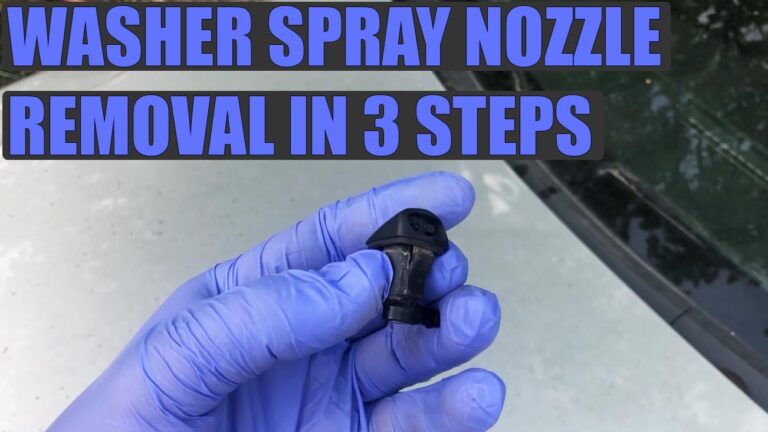
Learn how to remove a windshield washer nozzle safely, identify clip and screw-mounted designs, disconnect the hose, replace the nozzle, and test the spray pattern.