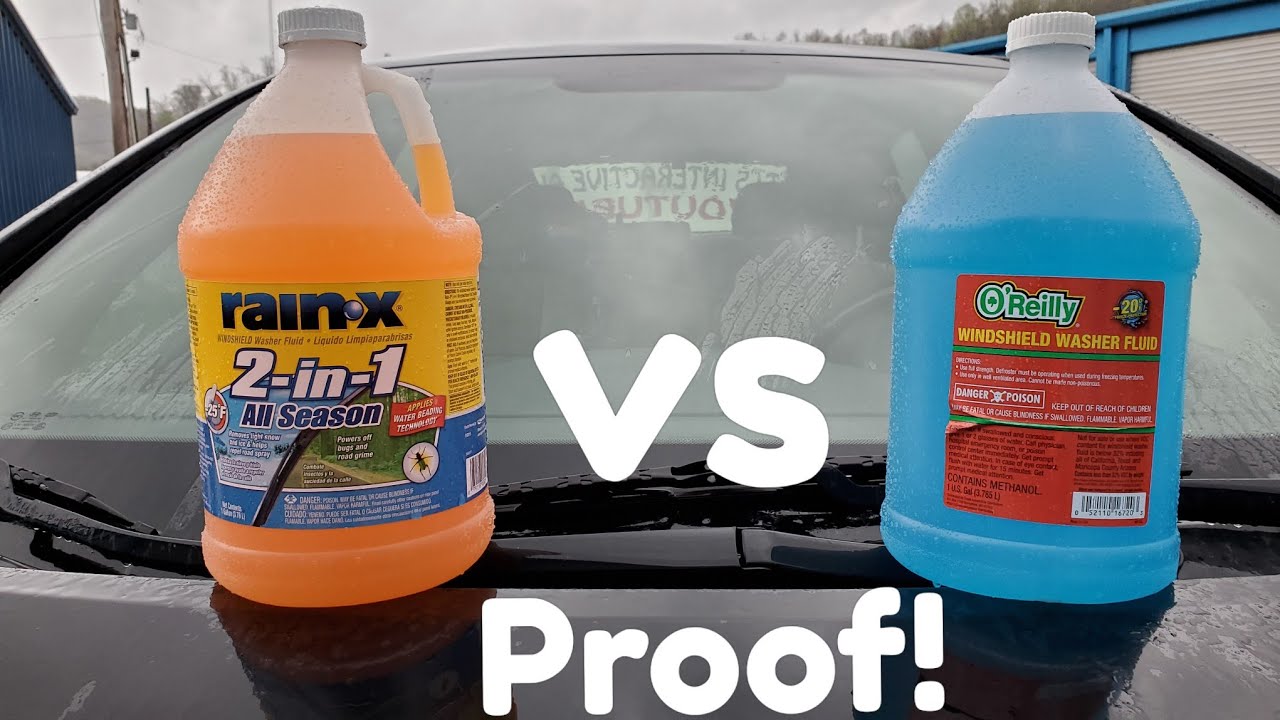
Yes, some Rain-X products can mix with regular windshield washer fluid, but the answer depends on the exact formula. Rain-X washer fluid additives are made for mixing, while certain ready-to-use rain-repellent formulas are best used on their own.
Across the United States, drivers use windshield washer fluid to clear dust, road grime, bugs, and rain from the glass. Some drivers choose Rain-X because certain formulas also help water bead up and roll off the windshield. When the washer tank is nearly empty, it is natural to wonder whether you can top it off with regular fluid instead of draining the tank first.
The safest answer starts with the product label. Rain-X sells both washer fluid additives and ready-to-use washer fluids, and their directions are not the same. The brand’s washer fluid additive instructions allow the product to be added to water or washer fluid, while some rain-repellent screen-wash formulas advise against mixing with other fluids. Check the exact bottle before adding anything.
Mixing compatible products may be convenient, but it can also change how well the fluid cleans, how water beads on the glass, and how much cold-weather protection remains. A summer blend may not protect against freezing temperatures, even if some winter-rated fluid is already in the tank. Choosing a fluid suited to your local weather is more important than preserving a particular color or brand.
Can You Mix Rain-X With Regular Windshield Washer Fluid?
You can mix some Rain-X products with regular windshield washer fluid, but not every Rain-X formula is intended for this use. The key difference is whether the bottle contains a washer fluid additive or a ready-to-use washer fluid with rain-repellent properties.
Rain-X’s official product information says its washer fluid additive can be added to water or windshield washer fluid. This product is designed to add Rain-X technology to the fluid already in the reservoir. By contrast, directions for some ready-to-use rain-repellent screen-wash products recommend emptying the tank first and avoiding a mixture with other washer fluids.
That difference matters because the products have different purposes. An additive is meant to be dosed into another liquid. A ready-to-use formula is already blended for a specific cleaning task and may have a particular balance of cleaning agents and water-repellent ingredients.
For drivers in the United States, the practical rule is simple: read the label on the exact product you own. If it says the product can be added to existing washer fluid, follow the stated amount. If it says not to mix or recommends an empty reservoir, follow that direction instead.
Source: www.hy-vee.com
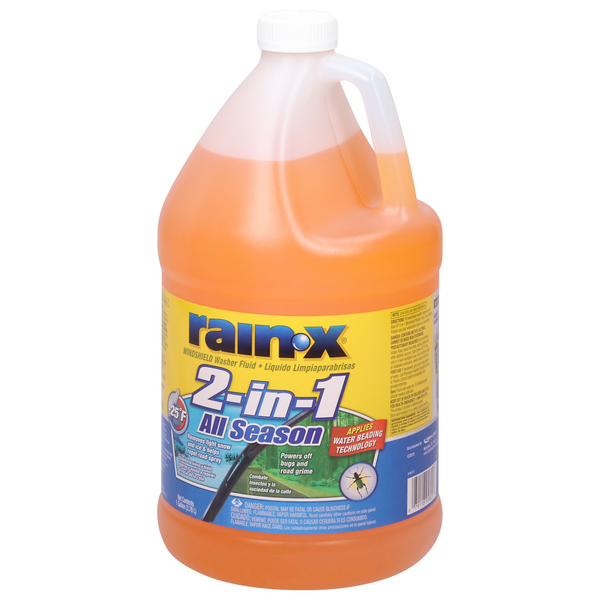
Rain-X washer fluid additive
This product type is designed to be added to water or compatible washer fluid. Use the dose listed on the bottle rather than guessing.
Rain-X all-season washer fluid
Some ready-to-use products are intended to go directly into the reservoir without dilution. Check the label before topping them off with a different formula.
Rain-X de-icer washer fluid
This formula is intended for colder conditions. Mixing it with a summer fluid may lower its level of freeze protection.
Rain-X rain-repellent screen wash
Some versions recommend against mixing with other washer fluids. Follow the instructions for the exact product and market.
What Does Regular Windshield Washer Fluid Mean?
Regular windshield washer fluid is a liquid made to help remove everyday dirt from vehicle glass. It may contain water, cleaning agents, and ingredients that help the fluid work in warm or cold weather. Some blends also contain ingredients that help prevent freezing.
The word regular does not describe one universal formula. A basic summer blend may have little or no freeze protection, while an all-season product may be rated for use in colder weather. Two bottles that look similar may still have different ingredients and limits.
Before mixing, identify the product already in the tank if possible. Look for terms such as summer, all-season, de-icer, concentrate, additive, and ready to use. These words often tell you more about compatibility than the brand name alone.
Ready to use
The fluid is already blended for direct use unless the label says otherwise.
Concentrate or additive
The product needs a specific dose or dilution method. Never assume every concentrate follows the same ratio.
Does Mixing Rain-X Make the Fluid Unsafe for Your Car?
Mixing compatible washer fluids does not automatically damage a vehicle. The more likely concerns are reduced cleaning performance, less noticeable water beading, unexpected residue, or weaker freeze protection. The risk depends on the formulas and the proportions in the reservoir.
Do not assume that a mixture is suitable just because it sprays through the nozzles. A fluid can flow normally and still fail to clean the windshield well or provide enough cold-weather protection. If the label warns against mixing, use a fresh, compatible fluid instead.
What Happens When You Mix Rain-X and Regular Fluid?
The result depends on the ingredients in both products. If the labels allow mixing, the fluids may work together as intended. If their formulas are different, the mixture may not deliver the same cleaning, water-beading, or freeze protection as either product used on its own.
Rain-X products that provide water beading are designed to help water form droplets and move across the glass. Adding a different washer fluid may change how noticeable that effect is. It is not possible to predict the exact result without knowing the products and their instructions.
Regular washer fluid may still clean the glass after mixing, but the special benefit you wanted from Rain-X could be less noticeable. A weaker effect does not prove that the fluid has damaged the car; it may simply mean the mixture no longer performs like the original formula.
Another concern is residue. If the mixture leaves a film, streaks, or hazy patches, visibility may suffer, especially at night when headlights shine across the glass. Do not keep spraying a mixture that makes the windshield harder to see through.
Source: pinnaxis.com
Water-repellent performance
A different formula may reduce or change the visible beading effect. Results depend on the specific products and their proportions.
Cleaning power
The mixture may still remove everyday dirt, but the result can vary with the cleaning agents in each fluid.
Streaks or film
A visible film can make driving harder. Stop using the mixture if it reduces clarity, and clean the glass with a suitable automotive glass cleaner.
Cold-weather protection
Mixing a winter formula with a summer formula may reduce freeze protection. Do not rely on the original winter rating after mixing.
Will Rain-X Lose Its Water-Repellent Effect?
It may become less noticeable, but the outcome is not the same for every mixture. The Rain-X additive is designed to add water-repellent technology to water or washer fluid when used as directed. A ready-to-use rain-repellent fluid may have different directions and may work best without another product mixed into it.
If your main goal is the water-beading effect, use the formula as directed rather than treating all washer fluids as interchangeable. When switching from another brand, an almost empty reservoir can make the changeover easier. Follow the product label to decide whether draining or flushing is needed.
Can Mixing Fluids Cause Clogged Washer Nozzles?
There is no basis to say that every mixture of Rain-X and regular washer fluid will clog the nozzles. However, a product used incorrectly, contaminated liquid, or residue in the washer system can contribute to poor spray performance. A mixture that looks cloudy or forms visible particles should not be used.
If the spray becomes weak or uneven, first check the fluid level and inspect the nozzles for visible dirt. Do not push sharp objects deep into the nozzles or dismantle parts without the proper instructions. If cleaning the accessible area does not help, consult the vehicle manual or a qualified mechanic.
How to Mix Rain-X With Regular Washer Fluid Correctly
The right method depends on the type of Rain-X product. If you have an additive that expressly permits mixing, measure the recommended dose and add it to the stated amount of water or washer fluid. If you have a ready-to-use formula that says not to mix, do not use the additive instructions for that bottle.
Before opening the container, park the vehicle on level ground in a safe place and turn off the engine. Find the windshield washer reservoir using the owner’s manual. Do not confuse it with the coolant reservoir, brake fluid reservoir, or another container under the hood.
Keep washer fluid away from children and pets, avoid contact with eyes and skin, and follow the bottle’s safety directions. Never drink it or transfer it into a beverage bottle. Some washer fluids contain harmful chemicals, so clean up spills as directed by the label.
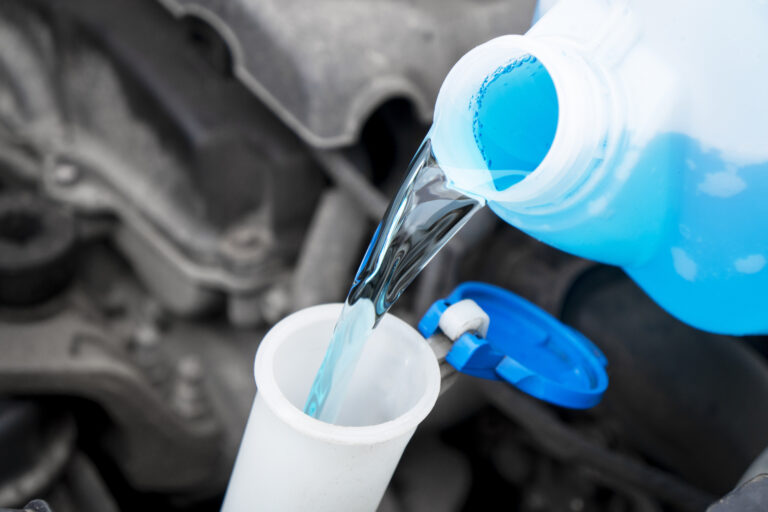
After adding a compatible product, close the cap securely. Test the washers while parked, in a safe place, with enough fluid on the glass. Check that the spray reaches the windshield and that the wipers clear the liquid without leaving a film that blocks your view.
Source: garagesee.com
Step 1: Read both labels
Identify the Rain-X product and the existing washer fluid. Check whether mixing is allowed and whether dilution is required.
Step 2: Check the weather rating
Make sure the final fluid is suitable for the lowest temperatures expected during use. Do not assume the rating stays the same after mixing.
Step 3: Measure the dose
For an additive, use the exact amount stated on its label. Do not pour in extra product in an attempt to increase performance.
Step 4: Add the correct fluid
Use the windshield washer reservoir identified in the vehicle manual. Follow the product’s directions on whether to add it to existing fluid or start with an empty tank.
Step 5: Test the spray
While parked, check for an even spray and a clear windshield. Stop if the fluid leaves a film, behaves oddly, or fails to clean.
What If You Do Not Know Which Fluid Is Already in the Tank?
If you cannot identify the existing fluid, avoid adding a special formula on top of it without checking the new product’s instructions. A nearly empty reservoir makes it easier to change products, but an unknown mixture should not be assumed compatible.
If the tank is full and the fluid type is unknown, consult the product maker or a qualified mechanic about the best way to replace it. Do not siphon washer fluid by mouth or use improvised equipment that could expose you to the liquid.
If you need to drive before the fluid is identified, do not rely on a washer system that leaves the glass hazy. Keep the windshield clean, and delay driving if you cannot maintain a clear view.
How Do You Know the Mixture Is Working?
A suitable mixture should spray normally, help remove routine dirt, and leave the windshield clear after the wipers pass. The glass should not develop a persistent haze, and the spray should reach the area intended by the vehicle design.
These signs can show that the system is operating, but they cannot prove the fluid’s exact freeze point. If winter protection matters, use a product with a suitable published rating and follow its directions instead of judging it by appearance.
Can You Mix Rain-X With Summer or Winter Washer Fluid?
The season and the temperature rating can change the answer. Mixing two formulas that are intended for different weather conditions may weaken the protection you need most. In the United States, this matters especially for drivers who travel between warm regions and places that experience freezing weather.
Summer washer fluid is usually intended for cleaning in mild or warm conditions. Winter washer fluid is made to resist freezing at a stated temperature. If a summer fluid is added to a winter-rated product, the resulting mixture may freeze at a warmer temperature than the original winter product.
A product labeled all-season is not necessarily suitable for every extreme. Read the temperature rating and compare it with the conditions you expect to encounter. If a winter storm or cold snap is possible, do not rely on a mixed fluid unless the product maker confirms it is suitable.
The same caution applies to products with bug-removal agents or special cleaning features. They may be useful for particular driving conditions, but combining formulas can change their intended performance. Use one formula as directed when its instructions advise against mixing.
Source: www.hy-vee.com
Warm or mild weather
A compatible all-season fluid or additive may be suitable when freezing conditions are not expected. Follow the label for mixing and dilution.
Cold weather
Choose washer fluid with freeze protection suitable for the local low temperature. Avoid diluting winter fluid with a summer blend.
Snow, ice, and road salt
Use a winter-rated formula that suits the conditions. Do not assume an all-season label guarantees protection during severe cold.
Frequent travel between climates
Check the temperature rating before a trip. Replace unsuitable fluid before entering colder areas rather than relying on an unknown mixture.
Does Mixing Change the Freezing Point?
It can. Washer fluids use ingredients that help lower the temperature at which the liquid freezes. When a winter formula is diluted with a product that has less freeze protection, the final mixture may no longer meet the original temperature rating.
The exact freezing point cannot be calculated reliably from the colors or brand names alone. It depends on the formulas, their concentrations, and the amount of each liquid. Unless the manufacturer provides a reliable compatibility method, treat the final rating as unknown.
If the vehicle will face freezing weather, the practical choice is to use a winter-rated product according to its label. If you have already mixed fluids and the temperature rating is uncertain, arrange for a suitable changeover before driving in conditions where freezing could impair visibility.
Is Rain-X De-Icer Different From Regular Rain-X Washer Fluid?
Yes. Rain-X sells washer fluids with different purposes, including all-season cleaning products and de-icer formulas. A de-icer is intended to help in colder conditions and may have a different temperature rating from an ordinary washer fluid.
Do not use a general additive dose as a substitute for the directions on a de-icer product. Check whether the bottle is ready to use, whether it permits mixing, and what temperature limit it lists. If the directions say not to mix it with other washer fluids, empty the reservoir as directed before changing products.
Common Mistakes to Avoid When Mixing Washer Fluid
Most washer-fluid mistakes start with assumptions. A familiar brand name, a similar color, or a nearly empty reservoir can make two products seem interchangeable, but none of these details proves that their formulas are compatible.
The best way to avoid trouble is to check the directions before pouring. Use a suitable fluid for the weather, measure any additive, and do not mix products that carry a warning against doing so. If the directions are unclear, contact the product maker before proceeding.
A washer system helps drivers maintain a clear view through the windshield. If a mixture leaves streaks, freezes, or fails to spray, treat the problem as a visibility issue rather than a minor inconvenience. Stop using the product until you can restore reliable cleaning.
Source: pinnaxis.com
Mistake: Mixing by color
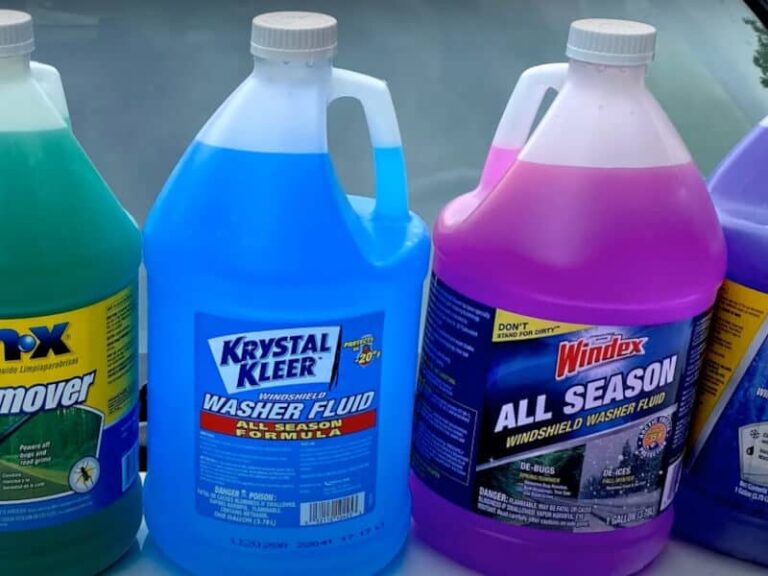
Blue, green, pink, and other colors are not reliable indicators of ingredients or compatibility. Read the product label instead.
Mistake: Adding too much concentrate
More additive does not always mean better cleaning or stronger protection. Use the stated dose and dilution method.
Mistake: Diluting winter fluid with summer fluid
This may reduce freeze protection. Choose a suitable winter formula and avoid unapproved mixtures when cold weather is expected.
Mistake: Ignoring a no-mixing warning
Some ready-to-use formulas are intended to be used alone. Follow the directions for that exact product.
Mistake: Continuing to use fluid that leaves a film
A hazy windshield can reduce visibility. Stop using the mixture and restore a clear view before driving.
What Should You Do If You Already Mixed the Fluids?
Do not panic if you added a small amount of compatible washer fluid to the reservoir. First, identify the two products and read their directions. If the additive label permits the combination and the weather rating remains suitable, there may be no need for immediate action.
If one label says not to mix, or you cannot determine whether the final fluid is suitable for expected temperatures, arrange a changeover. Follow the product maker’s guidance on emptying or flushing the reservoir. Avoid draining the fluid onto the ground or into a storm drain; follow local disposal guidance.
If the windshield becomes hazy or the washer system stops spraying normally, do not keep using the mixture. Clean the glass with a suitable automotive glass cleaner and check the system while parked. Seek professional help if the problem persists.
Can You Just Add Water to Thin Out Rain-X?
Only add water when the exact product instructions permit it. Rain-X washer fluid additives can be used with water according to their directions, but a ready-to-use washer fluid may specifically say not to dilute it.
Water also changes freeze protection. In warm conditions, a product designed for dilution may work as intended, but water can make a winter-rated mixture less resistant to freezing. Never use plain water as a substitute for suitable winter washer fluid when temperatures may fall below freezing.
How to Choose the Right Washer Fluid for Your Car
Choose washer fluid based on the vehicle’s requirements, the weather, and the cleaning task. The right product should clean the glass, work with the washer system, and provide enough freeze protection for the conditions you may encounter.
Start with the owner’s manual if you are unsure what the vehicle requires. Then read the washer fluid label to confirm whether it is ready to use or needs dilution, whether it contains a rain-repellent feature, and whether mixing is allowed.
You do not need to pay for a special formula simply because it carries a familiar brand name. A regular fluid that suits the weather may meet your needs. If you want water-beading performance, choose a product intended to provide it and follow the label rather than mixing products at random.
Source: garagesee.com
For everyday cleaning
Use a washer fluid that suits your climate and vehicle. Check the label for the intended use and any limits.
For rain-repellent performance
Choose a Rain-X product designed for that purpose. Use an additive only at its stated dose or use ready-to-use fluid as directed.
For freezing temperatures
Check the stated temperature rating and choose suitable winter fluid. Do not dilute it with a warmer-weather product without confirmation.
For unknown existing fluid
Identify the product before adding another formula. If you cannot, seek guidance on changing the fluid safely.
A Simple Decision Guide
Use the following guide to decide what to do before topping off the reservoir. It is based on product type and label instructions, not on color or brand alone.
You have Rain-X additive and regular fluid
Check the dose and mixing directions. If the label permits the combination, add the specified amount.
You have ready-to-use Rain-X fluid
Use it directly if the label says it is ready to use. If it advises against mixing, wait until you can change over as directed.
You have winter fluid and summer fluid
Avoid mixing unless the manufacturer confirms suitability. Preserve the freeze protection needed for the expected weather.
You cannot identify the existing fluid
Do not assume compatibility. Contact the product maker or a qualified mechanic for a suitable changeover plan.
When Should You Ask a Mechanic for Help?
Seek professional help if the washer pump makes unusual sounds, the fluid will not spray, the reservoir appears damaged, or the system continues to malfunction after you have used a suitable fluid. These signs may point to a problem beyond product compatibility.
A mechanic can check the pump, hoses, nozzles, and reservoir if needed. If the fluid has frozen, do not force the pump to run or use unsafe heating methods to thaw the system. Let the vehicle thaw in a safe environment and follow the owner’s manual or a mechanic’s advice.
Frequently Asked Questions
Q
Can you mix Rain-X with any brand of windshield washer fluid?
Not every Rain-X product should be mixed with every washer fluid. Rain-X washer fluid additive is designed to be added to water or washer fluid according to its directions. Some ready-to-use rain-repellent formulas advise against mixing. Check the labels on both products before combining them.
Q
Can I add Rain-X to a washer tank that is half full?
You can add Rain-X washer fluid additive to an existing compatible fluid when its label permits it. Measure the recommended dose for the amount of liquid being treated. For a ready-to-use formula that says not to mix, follow its changeover directions instead.
Q
Will mixing Rain-X and regular washer fluid damage my windshield?
A compatible mixture does not automatically damage the windshield. The main concern is whether the combination leaves a film, streaks, or poor cleaning performance. If the glass becomes hazy, stop using the mixture and clean the windshield with a suitable automotive glass cleaner before driving.
Q
Can I mix Rain-X with winter windshield washer fluid?
It depends on the product. An additive may be used with washer fluid when its label permits it, but mixing different ready-to-use formulas may be discouraged. Adding summer fluid to winter fluid can weaken freeze protection, so use a winter-rated product that suits the lowest temperatures you expect.
Q
Does the color of Rain-X washer fluid matter when mixing?
No. Color is not a reliable way to determine compatibility, ingredients, or freeze protection. Two fluids of the same color may have different formulas, and two fluids of different colors may still have similar uses. Read the labels instead.
Q
What if I accidentally mixed Rain-X with regular washer fluid?
First, identify both products and check their instructions. If the combination is permitted and suitable for the weather, it may be fine to continue using it. If a label warns against mixing or the final freeze rating is uncertain, arrange a changeover according to the manufacturer’s guidance.
Q
Can I mix Rain-X washer fluid with plain water?
Some Rain-X additives are designed to be used with water at a stated ratio. Ready-to-use washer fluids may say not to dilute them. Water can also lower freeze protection, so follow the exact product directions and do not use a water-heavy mixture in freezing conditions.
✦ Wrapping Up
Conclusion
You can mix Rain-X with regular windshield washer fluid in some cases, but the product type decides the answer. Rain-X washer fluid additives are intended to be added to water or washer fluid as directed, while some ready-to-use rain-repellent formulas advise against mixing with other products.
Before topping off the tank, check both labels, confirm the temperature rating, and use the correct amount of any additive. Avoid mixing summer and winter formulas without clear guidance, because the final fluid may not provide the freeze protection you expect. If the mixture leaves a film or fails to spray, stop using it and address the problem before driving.
💡 Key Takeaway
Check the exact Rain-X label first. If it permits mixing, use the stated dose and confirm that the final fluid suits your weather. If it advises against mixing, change over to the new formula as directed.
Is windshield washer fluid universal? Learn which types work for your car, how to choose the right formula, and what to avoid in hot or freezing weather.