Can You Program a Key with a Obd2 Scanner: Explained Clearly
Imagine the frustration: you’ve lost your car keys, or perhaps you’ve bought a new remote and are eager to get it working. You might have heard whispers about using an OBD2 scanner for various car diagnostics and wondered if this handy tool could also solve your key programming dilemma. The temptation to save a trip to the dealership or a locksmith by tackling it yourself is strong, but getting this wrong can lead to a completely immobilized vehicle, a hefty towing bill, or even damage to your car’s intricate immobilizer system. The question “can you program a key with a obd2 scanner” becomes clearer once the surrounding conditions and practical details are considered.
The truth is, the world of automotive key programming is far more complex than simply plugging in a device and pressing a button. There’s a significant difference between reading diagnostic trouble codes and manipulating the sophisticated security protocols that protect your vehicle from theft. Understanding these distinctions is crucial before you attempt any key programming yourself.
This article will demystify the capabilities of OBD2 scanners in relation to key programming, helping you understand precisely what’s possible, what’s not, and why. I’ll explain the necessary tools, the underlying technology, and the critical factors that determine whether a DIY approach is viable for your specific situation. By the end, you’ll have a clear picture of whether you can program a key with an OBD2 scanner and, more importantly, when it’s best to seek professional help.
Can You Program a Key with a Obd2 Scanner
Before diving into key programming, it’s essential to grasp what an OBD2 scanner truly is and what it was designed to do. OBD2, or On-Board Diagnostics, second generation, is a standardized system implemented in all cars and light trucks sold in the United States since 1996 (and similar standards exist globally). Its primary purpose is to monitor your vehicle’s emissions-related components and systems.
When an issue arises, the OBD2 system triggers a “Check Engine Light” and stores a Diagnostic Trouble Code (DTC) in the vehicle’s Engine Control Unit (ECU). An OBD2 scanner is a device that connects to your car’s OBD2 port, typically located under the dashboard, to read these DTCs. It can also display live sensor data, clear DTCs, and perform basic readiness monitor checks.
Types of OBD2 Scanners
- Basic Code Readers: These are the simplest and most affordable scanners. They can read and clear generic DTCs and display basic live data. They are excellent for diagnosing common engine problems but offer very limited functionality beyond that.
- Mid-Range Diagnostic Tools: These scanners provide more advanced features, such as reading manufacturer-specific codes, viewing more extensive live data streams, and sometimes performing basic bi-directional controls (e.g., activating certain components for testing).
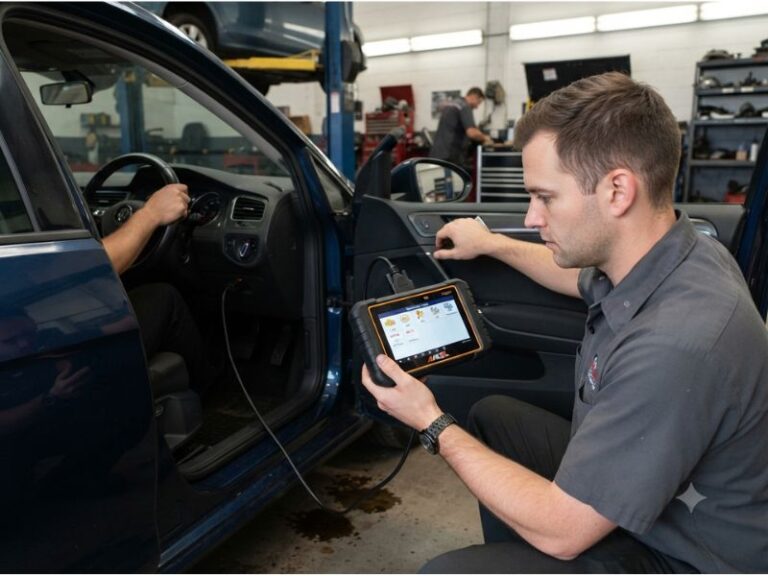
- Professional/Advanced Diagnostic Scanners: These are high-end tools used by automotive technicians. They offer comprehensive diagnostics, advanced bi-directional controls, module coding, adaptations, and often have proprietary software for specific vehicle makes. These are the tools that begin to approach the capabilities needed for certain key programming tasks.
It’s important to recognize that even within the “professional” category, there’s a wide spectrum of capabilities. A scanner that can reset an oil service light is vastly different from one that can rewrite a vehicle’s immobilizer data.
The Nuances of Car Key Programming
Car keys today are far more than simple pieces of metal. Modern keys, often called transponder keys, smart keys, or remote head keys, contain electronic chips that communicate with your vehicle’s immobilizer system. This system is a critical anti-theft measure, preventing the car from starting unless the correct, programmed key is present and recognized.
Components Involved in Key Programming
- Transponder Chip: A small chip embedded in the key that contains a unique identifier. When the key is inserted into the ignition (or brought near it for smart keys), the car’s immobilizer antenna reads this chip.
- Immobilizer Control Unit: A dedicated computer module in the car that stores the unique codes of all authorized keys. It communicates with the ECU and prevents the engine from starting if an unrecognized key is detected.
- Vehicle Identification Number (VIN): Often used in conjunction with security codes to ensure the correct key is being programmed to the correct vehicle.
- Security Codes/PINs: Many vehicles require a specific security code or PIN to access the immobilizer system for programming. These codes are often unique to the vehicle and may be required from the dealership or a locksmith.
The programming process involves “teaching” the car’s immobilizer unit to recognize the new key’s unique transponder code. This isn’t a simple data transfer; it’s a secure handshake that often requires specific sequences, timing, and access to protected areas of the vehicle’s software.
Can You Program a Key with an OBD2 Scanner? The Direct Answer
The short answer to “can you program a key with a obd2 scanner” is: sometimes, but generally not with a standard, off-the-shelf OBD2 scanner, and rarely for all types of keys or vehicles.
Here’s a breakdown of why and what’s actually involved:
Limitations of Standard OBD2 Scanners
A basic OBD2 code reader or even a mid-range diagnostic tool is almost never capable of programming car keys. Their functionality is limited to reading and clearing diagnostic codes and monitoring basic engine parameters. They lack the specialized software, security bypass capabilities, and bi-directional control needed to interact with the immobilizer system for key programming.
What Specialized Tools Are Needed?
To program a car key, you typically need one of the following:
- Advanced Diagnostic Scanners with Key Programming Modules: Some high-end professional diagnostic scanners (like those from Autel, Launch, Snap-on, or specific OEM tools) have dedicated key programming functions. These are often add-on modules or software subscriptions that unlock the ability to access and modify immobilizer data. They are expensive and require significant expertise to operate.
- Dedicated Key Programmers: These are specialized tools designed specifically for key programming. They often have broader vehicle coverage for key programming than general diagnostic scanners and can handle various transponder types, remote frequencies, and immobilizer systems. Examples include tools from Xtool, Autel IM series, or various locksmith-specific devices.
- OEM (Original Equipment Manufacturer) Diagnostic Tools: Dealerships use proprietary diagnostic tools (e.g., Techstream for Toyota, ISTA for BMW, VCDS for VW/Audi) that have full access to all vehicle modules, including the immobilizer. These tools are typically not available to the general public and require manufacturer subscriptions.
Even with these specialized tools, the process is rarely plug-and-play. It often involves:
- Obtaining a security PIN or code for the vehicle.
- Connecting the tool and following specific, often lengthy, programming sequences.
- Having all existing keys present, as some procedures require them to be re-programmed alongside the new key.
- Potentially erasing all existing keys before programming new ones, which can be disastrous if the process fails.
Factors Determining DIY Key Programming Feasibility
Several critical factors influence whether you might be able to program a key yourself, even with a specialized tool:
Vehicle Make, Model, and Year
This is perhaps the most significant factor. Older vehicles (pre-2000s) often had simpler immobilizer systems, and some could even be programmed with manual procedures (e.g., a specific sequence of turning the ignition on/off and pressing buttons). As vehicles became more sophisticated, so did their security systems.
- Older Vehicles (e.g., pre-2000s): Some basic transponder keys might be programmable with less advanced tools or even manual methods.
- Mid-Range Vehicles (e.g., 2000s-2010s): Often require specialized tools and security PINs.
- Newer Vehicles (e.g., 2010s-present): Feature highly complex encrypted immobilizer systems, often requiring dealer-level tools or very advanced locksmith equipment. Smart keys, in particular, are notoriously difficult to program without the right equipment and security access.
Type of Key
- Basic Transponder Key: These keys only have an immobilizer chip. They are generally the “easiest” to program, though still require the right equipment.
- Remote Head Key: These combine a transponder chip with remote functions (lock/unlock). Programming often involves two steps: programming the transponder to the immobilizer and then programming the remote functions separately (sometimes a manual procedure, sometimes via the diagnostic port).
- Smart Key/Proximity Key: These keys allow keyless entry and push-button start. They are the most complex to program due to their advanced encryption, rolling codes, and communication protocols. They almost always require high-end specialized tools and often online access to manufacturer databases.
Availability of Security Codes (PINs)
Many vehicle manufacturers require a specific security PIN or code to access the immobilizer system for key programming. Without this code, even the most advanced tools may be useless. These codes are often only available from the dealership (sometimes requiring proof of ownership) or through specialized locksmith services that have access to proprietary databases.
Number of Existing Working Keys
Some key programming procedures require at least one existing, working key to be present. This is often a security measure to prevent unauthorized key additions. If you’ve lost all your keys, the process becomes significantly more complicated and expensive, often requiring the replacement of the immobilizer module or a more intrusive “all keys lost” procedure.
The Risks of Attempting DIY Key Programming
While the idea of saving money is appealing, attempting key programming without the correct tools, knowledge, and security access carries significant risks:
- Immobilizing Your Vehicle: The most common and severe risk. Incorrect programming can corrupt the immobilizer data, rendering your car completely unable to start. This often means a tow to the dealership and a much higher repair bill.
- Bricking the Immobilizer Module: In some cases, a failed programming attempt can permanently damage the immobilizer control unit, requiring an expensive replacement.
- Loss of All Keys: Some programming procedures require all existing keys to be present and re-programmed. If you make a mistake, you could inadvertently erase all keys, leaving you with no working keys at all.
- Incorrect Key Functionality: Even if the car starts, the remote functions (lock/unlock) might not work, or the key might only work intermittently.
- Wasting Money: Investing in a “key programmer” that doesn’t actually work for your specific vehicle or key type means you’ve spent money on a useless tool and still need professional help.
I cannot stress enough the importance of understanding these risks. The cost of a professional locksmith or dealership service is often a small price to pay compared to the potential consequences of a botched DIY attempt.
When to Consider Professional Help
Given the complexities and risks, I generally recommend professional help for key programming in most scenarios. Here’s when it’s almost always the best option:
- Lost All Keys: If you’ve lost all your keys, this is an “all keys lost” situation. It’s the most challenging and often requires specialized equipment and expertise to bypass or reset the immobilizer system.
- Newer Vehicles (especially with smart keys): The security systems in modern cars are incredibly robust. Dealerships or specialized automotive locksmiths have the necessary OEM tools, software subscriptions, and security access to handle these.
- No Security PIN/Code: If your vehicle requires a security PIN for programming and you don’t have it, a professional will likely have access to databases or methods to retrieve it.
- Unfamiliarity with the Process: If you’re not comfortable with automotive electronics, diagnostic procedures, and the specific steps for your vehicle, it’s safer to leave it to an expert.
- Time-Sensitive Situations: If you need a working key quickly, a professional can usually get it done much faster and more reliably than a DIY attempt.
Dealership vs. Automotive Locksmith
When seeking professional help, you typically have two main options:
- Dealership: They have OEM tools, guaranteed access to security codes, and can often provide genuine OEM keys. They are usually the most expensive option, and you may need to tow your vehicle to them if you have no working keys.
- Automotive Locksmith: Many specialized automotive locksmiths have invested in advanced key programming tools that rival dealership capabilities. They are often more affordable than dealerships, can come to your location (especially for “all keys lost” situations), and can program both OEM and aftermarket keys. It’s crucial to find a reputable locksmith with experience in your vehicle’s make and model.
What an OBD2 Scanner CAN Do for Key-Related Issues
While a standard OBD2 scanner can’t program keys, it can still be useful for diagnosing certain key-related issues:
- Read Immobilizer-Related DTCs: If your car isn’t starting and you suspect a key or immobilizer issue, a mid-range or professional OBD2 scanner might be able to read specific manufacturer codes related to the immobilizer system. These codes can point to issues with the transponder antenna, the immobilizer module itself, or a communication problem.
- Check Battery Voltage: Low battery voltage in the car can sometimes cause strange electrical issues, including problems with key recognition. An OBD2 scanner can monitor battery voltage.
- Monitor Live Data (limited): Some advanced scanners might show limited live data related to the immobilizer system, such as whether a key is “detected” or “recognized,” but this is rare for standard scanners.
However, diagnosing an immobilizer fault is different from fixing it or programming a new key. The information gained from an OBD2 scanner might help you understand the problem, but it won’t provide the solution for key programming itself.
Choosing the Right Path for Your Key Programming Needs
When faced with the need for a new or programmed car key, I recommend a structured approach:
- Identify Your Key Type and Vehicle Year: Is it a basic transponder, remote head, or smart key? How old is your car? This immediately tells you about the complexity involved.
- Check for Existing Keys: Do you have at least one working key? This significantly simplifies the process.
- Research Your Vehicle’s Specific Requirements: Look up forums or specialized automotive resources for your exact make, model, and year. Some vehicles have known quirks or specific programming procedures.
- Assess Your Tools and Expertise: Do you own a professional-grade diagnostic tool with key programming capabilities? Do you understand how to use it safely and effectively for key programming?
- Consider the Risks vs. Rewards: Weigh the potential savings of DIY against the significant risks of immobilizing your vehicle.
- Get Quotes: If you decide against DIY, contact both your dealership and several reputable automotive locksmiths for quotes. Compare their services, pricing, and turnaround times.
In most cases, especially for modern vehicles or “all keys lost” scenarios, the peace of mind and guaranteed results from a professional service far outweigh the perceived savings of a risky DIY attempt.
Conclusion
In summary, the question “can you program a key with a obd2 scanner” largely depends on the type of scanner, the vehicle, and the key itself. While a basic OBD2 scanner is excellent for diagnosing engine codes, it is almost entirely incapable of programming car keys. Specialized, high-end diagnostic tools or dedicated key programmers are required, and even then, the process demands specific security codes, technical knowledge, and an understanding of the inherent risks. For most car owners, particularly those with newer vehicles or in an “all keys lost” situation, seeking assistance from a professional automotive locksmith or a dealership remains the safest, most reliable, and ultimately, often the most cost-effective solution to ensure your vehicle’s security system functions correctly without risking permanent damage.