Windshield washer fluid does not usually expire like food, but it can become contaminated or lose useful properties if stored poorly. An unopened container may last for years, depending on its formula and the maker’s guidance. Check its condition, storage history, and freeze rating before use.
For drivers across the United States, windshield washer fluid is a small but vital part of vehicle care. It helps remove road salt in the Northeast, dust in the Southwest, bugs in the South, and grime on busy highways across the country. A clean windshield helps drivers see the road, signs, and other vehicles with less glare.
So, does windshield washer fluid go bad? In most cases, a clean, sealed container can remain usable for a long time. SPLASH states that its washer fluids have no stated shelf life, while Rain-X ClearView gives at least two years of use for its unopened product. These examples show why there is no single expiration date that fits every brand.
The bigger concerns are poor storage, dirt entering an open jug, a damaged cap, and using the wrong formula for the weather. Fluid that looks unusual or has been stored in harsh conditions deserves closer checks. The safest choice is to follow the product label and replace fluid when its condition or freeze protection is uncertain.
Does Windshield Washer Fluid Have an Expiration Date?
Most windshield washer fluids do not have a universal expiration date. Some manufacturers state that their products have no set shelf life, while others provide a minimum period for a particular formula. Always check the bottle, label, and manufacturer’s product information before deciding whether old fluid is still suitable.
Washer fluid is not like milk or juice. It is a cleaning mixture made from water, alcohol or another suitable solvent, detergents, and other ingredients. These components help loosen dirt and support cleaning, while the formula may also protect against freezing.
A sealed jug stored under the right conditions can remain useful for a long time. An open jug has more chances for dirt, water, or other material to enter. The container can also become damaged or lose its tight seal. Age alone does not prove that the fluid has gone bad, and a normal appearance alone cannot prove that its freeze protection remains adequate.
Source: hitchesguide.com
Unopened fluid
It may last for years if the container remains sealed and the fluid is stored as directed. Follow any shelf-life guidance from the maker.
Opened fluid
It may remain usable when the cap is tight and the liquid stays clean. Inspect the container and fluid before use.
Fluid of unknown age
Check the label, storage history, appearance, and freeze rating. Replace it if its condition cannot be trusted, especially before winter.
Why Shelf Life Varies by Brand
Washer fluid formulas are not all the same. A summer blend may focus on removing bugs and road film, while a winter blend may contain ingredients that help it remain liquid at lower temperatures. Concentrates also need to be mixed as directed, so their storage and use requirements may differ from ready-to-use products.
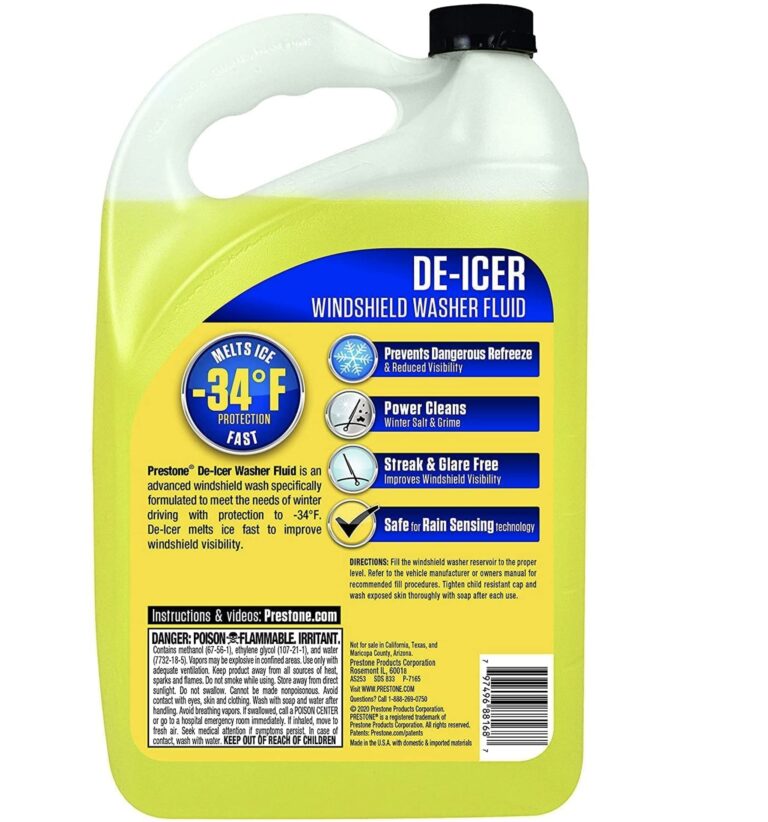
For example, SPLASH says its products have no stated shelf life. Rain-X ClearView says its unopened washer fluid is usable for at least two years. Neither statement should be treated as a universal rule for every product. The exact label and product guidance matter most.
Check the exact formula
Use guidance for the product name and type printed on your container rather than relying on a general rule for all washer fluids.
Do not invent a deadline
If the label gives no expiration date, do not assume that the fluid expires after six months or one year. Judge its condition and follow the manufacturer’s advice.
How to Tell If Windshield Washer Fluid Has Gone Bad
The best first step is a visual check of the fluid and its container. Look for unexpected cloudiness, floating particles, a layer of material at the bottom, or signs that dirt has entered the jug. These changes can point to contamination or a problem with storage.
Keep in mind that color alone is not a reliable test. Washer fluid comes in several colors, and the dye varies by brand. A color change may deserve attention, but it does not prove that a product has expired. Compare the fluid with its normal appearance, if known, and follow the maker’s guidance.
Do not taste the fluid or deliberately inhale its vapors to judge its condition. Some formulas contain methanol, which can cause severe poisoning if swallowed and can be harmful through other exposure routes. A visual check and the product label are safer ways to assess the liquid.
Source: hitchesguide.com
Cloudiness or unexpected particles
These may indicate dirt or other material in the liquid. Avoid using fluid with visible contamination.
Unexpected layers or residue
Separation or unusual deposits may mean the fluid is no longer in its normal condition. Check the label and contact the maker if the cause is unclear.
A damaged or dirty cap
A broken seal, loose cap, or dirty opening can allow unwanted material into the container.
Poor cleaning performance
If the fluid leaves a film or fails to remove normal road grime, check the fluid, washer nozzles, and wiper blades. Poor performance does not automatically mean the fluid has expired.
Uncertain freeze protection
If the product’s winter rating is unknown or its condition has changed, do not rely on it during freezing weather.
Does Bad Washer Fluid Smell Different?
Washer fluid can have a noticeable chemical or alcohol-like odor. Different formulas can smell different, so odor alone cannot confirm that a container has gone bad. Do not bring the container close to your face to investigate a smell.
If the container leaks, looks damaged, or gives off an unusual odor during normal handling, stop using it and follow the label’s safety instructions. Keep it away from children, pets, flames, and hot surfaces.
Do not rely on smell alone
Use the product label, container condition, and visual inspection to guide your decision.
What Makes Windshield Washer Fluid Go Bad?
Poor storage and contamination are more useful warning signs than age alone. Washer fluid is made for automotive use, but that does not mean every container can withstand any storage condition. Heat, direct sunlight, a damaged seal, and contact with dirt can all create problems.
The exact effects depend on the formula and the container. A bottle left open in a dusty garage has a greater chance of contamination than a sealed jug on a clean shelf. A container left in direct summer sun may also face harsher conditions than one kept in a cool, dry storage area.
Source: hitchesguide.com
Air and contamination
An open container can collect dust, dirt, or other material. Keep the cap closed whenever the fluid is not being poured.
High heat and sunlight
Harsh storage conditions can affect the container and may change product quality. Store fluid in a cool place away from direct sunlight.
Water added by mistake
Extra water can dilute the formula and reduce its cleaning or freeze protection. Only dilute a concentrate as the label directs.
Mixing different products
Mixing formulas can change cleaning performance or freeze protection. Follow the maker’s mixing guidance instead of combining leftover fluids at random.
Container damage
Cracks, leaks, and loose caps can lead to fluid loss or contamination. Do not use a container that cannot be closed or stored safely.
Can Windshield Washer Fluid Freeze and Then Go Bad?
Freezing does not automatically mean that washer fluid has expired. SPLASH says its fluid can be warmed above 32 degrees Fahrenheit after freezing in the bottle. However, this guidance should not be applied to every formula without checking its label.
If a container freezes, let it thaw in a suitable warm place, away from heat sources and flames. Do not use an open flame, a heat gun, or another direct heating method. Once thawed, inspect the container for cracks or leaks and check the liquid for unusual changes.
Freezing also matters when the fluid is already in the vehicle. A summer formula may freeze in cold weather, which can block the washer system. Use a winter-rated product suitable for the lowest temperatures you expect, and follow your vehicle’s instructions.
Check the temperature rating
The rating on the bottle indicates the conditions the formula is designed to handle. Choose one suitable for your local winter weather.
Do not force frozen fluid through the system
If the reservoir or lines may be frozen, let the vehicle warm in a suitable location and follow the owner’s manual. Do not keep running the washer pump when no fluid sprays.
How Long Does Windshield Washer Fluid Last?
There is no single time limit that applies to every jug of windshield washer fluid. Manufacturer guidance differs, and storage conditions matter. A sealed product stored as directed may last for years, while a dirty or damaged container may need to be discarded much sooner.
The table below offers a practical way to assess common storage situations. These are general checks, not guaranteed expiration periods. When the product maker gives a specific time limit, use that guidance instead.
Source: hitchesguide.com
Sealed and stored as directed
Check the label and maker’s stated shelf life. If there is no stated limit, inspect the container and fluid before use.
Opened and tightly capped
It may remain usable for a long time if it has stayed clean and has been stored correctly. There is no universal six-month or one-year cutoff.
Opened and left uncovered
The chance of contamination is higher. If dirt or other material has entered, replace the fluid rather than risk clogging the washer system.
Stored in extreme heat or direct sunlight
Check the container and liquid closely. If storage conditions were severe or product quality is uncertain, contact the maker or replace it.
Stored through a freeze
Follow the formula’s instructions for thawing and inspect the container afterward. Confirm that the fluid remains suitable for the expected temperature.
A Simple Decision Table
Use this table to decide what to do with old washer fluid. It focuses on the condition of the product rather than treating age as the only factor.
Clear liquid, sealed jug, good storage
Check the manufacturer’s guidance and freeze rating. The fluid may still be suitable for use.
Cloudy liquid or visible particles
Do not pour it into the reservoir. Use the product’s disposal guidance and choose clean replacement fluid.
Unknown product or unclear label
Do not guess at its freeze protection or intended use. Replace it with a clearly labeled automotive washer fluid.
Normal-looking fluid with uncertain winter rating
Do not rely on appearance to judge freeze protection. Select a formula rated for the expected low temperature.
Can Old Windshield Washer Fluid Damage Your Car?
Old washer fluid does not automatically damage a vehicle. The concern is whether it is contaminated, unsuitable for the weather, or made for a different purpose. Clean, suitable fluid is designed for the vehicle’s washer system and helps remove dirt from the windshield.
Fluid with visible particles or unusual deposits may clog the small washer nozzles. A contaminated mixture can also interfere with normal spray performance. If the nozzles stop working, the cause may be a blockage, a frozen line, a low reservoir, a damaged hose, or a failed pump rather than the fluid’s age.
The most direct risk for a driver is reduced visibility. A washer system that cannot clear road grime, dust, salt, or bug residue may leave the windshield dirty. If the glass becomes hard to see through while driving, slow down and pull over somewhere safe rather than continuing with impaired visibility.
Source: blogproautomotive.com
Clogged nozzles
Particles or deposits may interfere with the spray pattern. Check the fluid and system condition before assuming that a nozzle or pump has failed.
Poor cleaning
Old, diluted, or unsuitable fluid may fail to remove grime well. Replace questionable fluid with a suitable product.
Frozen washer lines
A fluid that is not rated for the temperature may freeze and stop spraying. Use a winter formula appropriate for the expected conditions.
Unnecessary repairs
Do not replace a washer pump just because fluid fails to spray. Check the reservoir level, temperature conditions, hoses, and nozzles first.
What If the Washer Fluid Looks Fine but Will Not Spray?
First, check the reservoir level and the temperature outside. If the weather is below freezing, the fluid or lines may be frozen even if the liquid in the bottle looked normal. Park in a suitable warm place and let the system thaw according to the vehicle manufacturer’s instructions.
If the system remains blocked after thawing, have the nozzles, hoses, electrical connections, and pump checked. Avoid repeatedly activating the washer switch when the pump may be frozen or unable to move fluid.
Start with simple checks
Confirm the reservoir has fluid, check for visible leaks, and consider whether the temperature could have frozen the system.
Seek repair help when needed
If the system still does not work after basic checks, a qualified mechanic can test the pump, hoses, and electrical supply.
How to Store Windshield Washer Fluid Properly
Good storage helps keep washer fluid clean and protects its container. Store it in its original, labeled jug with the cap tightly closed. Follow the manufacturer’s temperature and storage instructions, and avoid places where the container may be exposed to extreme heat or direct sunlight.
Safety matters because some windshield washer fluids contain methanol and may be flammable. Poison Control warns that swallowing methanol-containing washer fluid can cause severe harm. Keep the product out of reach of children and pets, and never transfer it to a drink bottle, cup, or food container.
Choose a storage spot that is cool, dry, and well ventilated, in line with the product’s safety data sheet. Keep it away from flames, sparks, and hot surfaces. Do not store it where a leak could reach food, drinking water, or other items used by children or pets.
Source: hitchesguide.com
Keep the original label
The label identifies the formula, intended use, temperature rating, and safety precautions. Do not remove it or transfer the fluid to an unmarked container.
Close the cap tightly
A secure cap reduces the chance of contamination and spills. Check that the container is not cracked or leaking.
Avoid heat and flames
Follow the product safety data sheet and keep the fluid away from ignition sources.
Protect children and pets
Store the container in a secure location they cannot reach. Do not leave an open jug unattended.
Follow local disposal rules
Do not pour unwanted fluid into a storm drain or onto the ground. Check the label and local waste guidance for the correct disposal method.
Can You Store Washer Fluid in a Hot Garage?
A garage may be suitable if the storage conditions meet the product’s instructions, but a location that becomes very hot or receives direct sun is less suitable. Check the safety data sheet for the specific product and choose a cooler place when possible.
Do not store washer fluid near a water heater, furnace, open flame, or other source of heat or ignition. If the container has swollen, cracked, leaked, or otherwise changed, avoid using it and follow the label’s safety guidance.
Choose stable conditions
A cool, dry, protected storage area is preferable to a place exposed to repeated temperature extremes.
Inspect before use
Check the cap, container, label, and fluid condition before pouring. Replace a damaged or contaminated product.
How to Replace Old Windshield Washer Fluid
If your washer fluid is contaminated or its suitability is uncertain, replace it with a clearly labeled automotive product. The exact process depends on the vehicle, so consult the owner’s manual before draining the reservoir or attempting to flush the system.
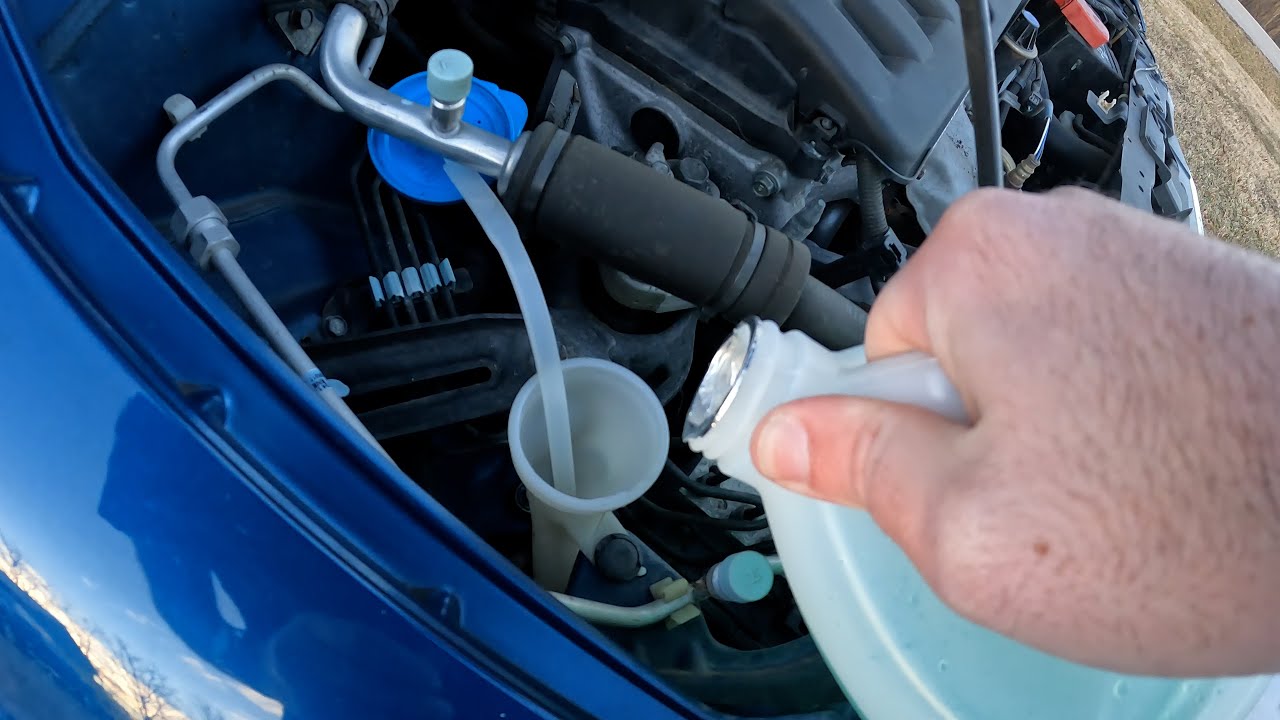
For a simple top-off, use the correct washer fluid and the designated reservoir. Do not confuse the washer reservoir with the coolant tank or another fluid container under the hood. If the fluid needs to be drained, the reservoir is difficult to access, or the system appears damaged, ask a qualified mechanic for help.
Source: storage.googleapis.com
Step 1: Identify the washer reservoir
Use the owner’s manual to locate the correct reservoir and confirm the type of fluid it takes.
Step 2: Inspect the existing fluid
Look for unusual cloudiness, particles, or other signs of contamination. If you are unsure about the fluid, avoid mixing it with a fresh product.
Step 3: Choose the right replacement
Select a product intended for windshield washer systems. For cold weather, check that its temperature rating fits the conditions where you drive.
Step 4: Follow the vehicle instructions
Top off the reservoir as directed. If the old fluid needs removal, follow the vehicle manufacturer’s procedure or have a mechanic do it.
Step 5: Check for normal operation
Once the system is ready, confirm that the fluid sprays as expected and that the windshield clears properly. If it does not, investigate a blockage, leak, frozen line, or pump issue.
Should You Mix Old and New Washer Fluid?
Avoid mixing fluids when you do not know what the old product is or whether it is contaminated. Even if both liquids are sold for windshield washers, their formulas and temperature ratings may differ. Mixing them can make the resulting freeze protection difficult to judge.
If the old fluid is clean and the manufacturer allows mixing, follow the product instructions. Otherwise, replace the questionable fluid rather than trying to restore it by adding fresh liquid.
Use known products
Check the label and compatibility guidance before combining formulas.
Do not add household products
Avoid dish soap, household glass cleaner, engine coolant, and unapproved mixtures. They may cause poor cleaning, residue, or problems with the washer system.
Choosing the Right Washer Fluid for Every Season
The right washer fluid depends on the weather, the type of dirt you face, and the vehicle manufacturer’s instructions. A summer blend may help remove bugs and road film, while a winter blend is designed to resist freezing at its stated temperature rating. All-season products offer another option, but their actual rating still matters.
Drivers in northern states may face extended periods of freezing weather, while drivers in warmer regions may focus more on dust, pollen, and insects. Conditions can also change during a road trip. Choose fluid for the lowest temperatures you reasonably expect, not only for the weather on the day you fill the reservoir.
A product’s color does not reliably tell you its freeze rating or cleaning strength. Read the label and confirm whether the product is ready to use or requires dilution. If it is a concentrate, follow the exact mixing directions rather than adding an arbitrary amount of water.
Source: hitchesguide.com
Summer washer fluid
It may suit warm conditions and help remove common road grime, but it may not resist freezing in winter.
Winter washer fluid
Choose a product with a freeze rating appropriate for the lowest temperatures you expect.
All-season washer fluid
Check the printed temperature rating instead of assuming that every all-season formula works in severe cold.
Concentrated washer fluid
Mix it only as directed. Too much added water may weaken cleaning performance and reduce freeze protection.
Why Water Is Not Always a Good Substitute
Plain water may rinse away some loose dirt in warm conditions, but it lacks the cleaning agents found in washer fluid and can freeze in cold weather. Water alone may also struggle with greasy road film and dried bug residue.
Do not assume that water is a safe long-term substitute. Use a product designed for automotive washer systems and suitable for the expected climate. Follow the vehicle manual if it sets additional requirements.
Consider the weather
Water can freeze in the reservoir or lines when temperatures drop.
Consider cleaning needs
A suitable washer fluid is designed to remove common windshield grime more effectively than plain water alone.
Frequently Asked Questions
Q
Does windshield washer fluid go bad if it is unopened?
Not usually, provided the container stays sealed and the fluid is stored as directed. Some manufacturers state that their products have no set shelf life, while others give a minimum period. Check the exact product label and inspect the container before use.
Q
How long does windshield washer fluid last after opening?
There is no universal time limit for an opened jug. Its condition depends on the formula, storage conditions, and whether dirt or water has entered. Keep the cap tightly closed and replace fluid that shows signs of contamination or has an uncertain history.
Q
Can old windshield washer fluid damage the washer pump?
Old fluid alone does not mean the pump will fail. However, contaminated fluid may carry particles into the system and contribute to clogged nozzles or poor spray performance. Use clean, suitable fluid and have the system checked if it still fails to spray.
Q
Can I use windshield washer fluid that has frozen?
Freezing does not automatically make every formula unusable. Follow the manufacturer’s thawing instructions, allow the container to warm safely, and inspect it for damage or unusual changes. If the fluid or its temperature rating is uncertain, replace it with a suitable product.
Q
Does the color of windshield washer fluid tell me if it is bad?
No. Different brands use different dyes, so color alone cannot establish quality or freeze protection. Unexpected cloudiness, visible particles, or separation are more useful warning signs, but the product label and storage history also matter.
Q
Can I mix different brands of windshield washer fluid?
Do not assume that all brands or formulas are compatible. Check both labels and follow the manufacturers’ guidance. Avoid mixing an unknown or contaminated liquid with fresh fluid, particularly before cold weather, because the final freeze rating may be uncertain.
Q
Is it safe to pour old windshield washer fluid down the drain?
Do not pour it into a storm drain, onto the ground, or into a waterway. Some formulas contain methanol or other ingredients that require careful handling. Follow the product label and local waste rules to find the appropriate disposal method.
Q
Can I use old washer fluid that still looks clear?
Clear fluid may still be usable if it was stored correctly, but appearance cannot prove that it has the right freeze protection or that its formula remains suitable. Check the label, storage history, and manufacturer’s guidance. Replace it if its condition or intended use is uncertain.
✦ Wrapping Up
Conclusion
So, does windshield washer fluid go bad? It can become contaminated or unsuitable after poor storage, but many products last for years when kept in a sealed container under the right conditions. There is no single expiration period that applies to every brand or formula.
Check the label, container, and fluid before use. Watch for unexpected cloudiness, particles, residue, or damage, and never assume that color or age alone proves the product is good or bad. If you drive in freezing weather, choose a formula rated for the lowest temperatures you expect.
Good storage and the right fluid help keep the washer system working as intended. They also help you clear dirt and grime so you can maintain a clear view of the road.
💡 Key Takeaway
Before using an old jug, check the manufacturer’s shelf-life guidance, inspect the cap and liquid, confirm the freeze rating, and replace the fluid if it is contaminated or its condition is uncertain. Keep the container labeled, tightly closed, and safely stored.