To drain windshield washer fluid, park safely, switch off the vehicle, locate the washer reservoir, and remove the old fluid with a hand siphon pump or by carefully disconnecting the reservoir’s lower outlet hose or washer pump where the vehicle design allows it. Collect the fluid in a suitable container, reconnect everything securely, refill with the correct washer fluid, and test the system for proper spray and leaks.
For drivers in the United States, draining windshield washer fluid is especially useful when seasonal conditions change. A driver in Florida may not need the same freeze protection as someone preparing a vehicle for a Minnesota or Colorado winter. If a reservoir contains summer fluid, plain water, an unknown mixture, contaminated fluid, or the wrong product for upcoming freezing temperatures, removing it before refilling can help protect the washer system and maintain reliable windshield cleaning.
The easiest method for most vehicles is siphoning through the reservoir’s filler opening because it usually avoids disturbing pumps, seals, electrical connectors, and plastic fittings. However, some reservoirs have narrow filler necks or sit deep behind a fender liner. In those cases, draining through the pump outlet or removing the washer pump may work better. The exact layout varies considerably between U.S.-market cars, trucks, SUVs, hybrids, and EVs, so the owner’s manual or service information should take priority when access is unclear.
Washer fluid should also be handled as an automotive chemical rather than ordinary water. Formulations vary, and many cold-weather washer fluids contain alcohol-based ingredients such as methanol. Avoid swallowing the fluid, keep it away from children and pets, minimize skin and eye contact, and follow local household hazardous waste or solid-waste guidance when disposing of unwanted fluid.
Why You Might Need to Drain Windshield Washer Fluid
Most vehicles do not require windshield washer fluid to be drained as part of a routine maintenance schedule. Normally, you simply add the correct fluid when the level becomes low. Draining becomes useful when there is a specific reason to remove what is already in the reservoir.
One of the most common reasons in the United States is a seasonal change. If a vehicle has a warm-weather washer solution or water-heavy mixture and is about to experience freezing temperatures, replacing it with a washer fluid rated for the expected winter conditions can reduce the risk of frozen fluid in the reservoir, hoses, pump, or spray nozzles.
Draining is also sensible after the wrong liquid has accidentally been added. If coolant, concentrated cleaner, soapy water, dirty water, or another inappropriate substance enters the washer reservoir, remove it rather than attempting to dilute the contamination by repeatedly topping off the tank.
Old washer fluid may also need to come out when diagnosing contamination, sediment, algae-like growth, clogged nozzles, a damaged reservoir, a leaking pump grommet, or other washer-system repairs.
Source: vehiclefreak.com
Wrong fluid
Drain the reservoir when an unsuitable liquid or unknown mixture has been added.
Seasonal preparation
Replace warm-weather fluid with a properly rated winter formula before sustained freezing weather.
Contamination
Remove fluid that contains dirt, sediment, oily material, or other visible contamination.
Washer system repair
Draining may be necessary before replacing a reservoir, pump, seal, hose, or related component.
Do You Need to Drain Washer Fluid Every Time You Change Brands?
Usually not. If both products are conventional windshield washer fluids appropriate for your vehicle and climate, completely draining the tank is generally unnecessary. The stronger reasons to drain are incompatible or unknown contents, contamination, inadequate freeze protection, or a repair that requires an empty reservoir.
What You Need Before Draining the Washer Fluid
Gathering a few basic items before opening the reservoir makes the job cleaner and reduces the chance of leaving an open container of washer fluid unattended. For most vehicles, no specialized automotive equipment is required if you can siphon the reservoir from above.
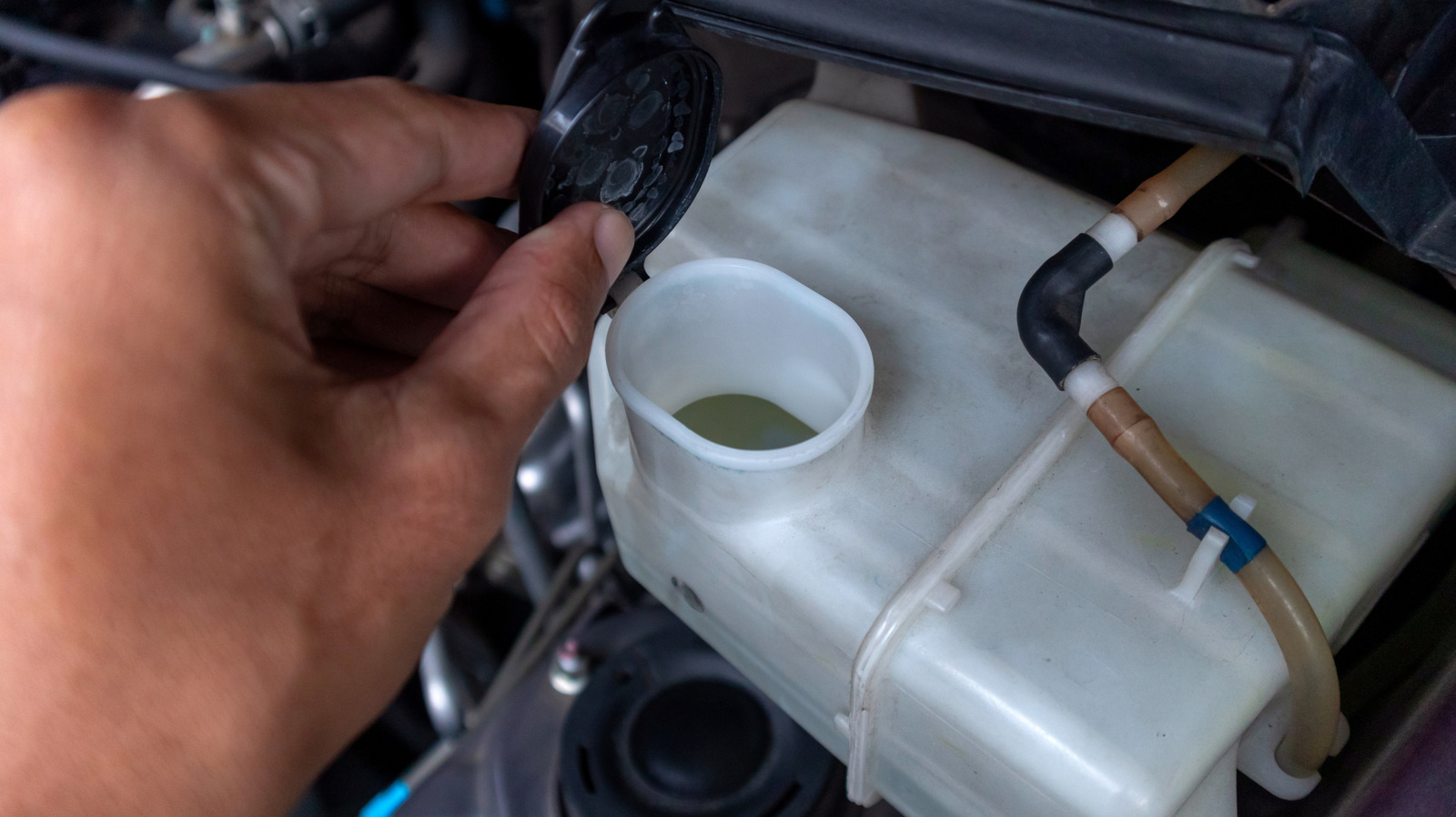
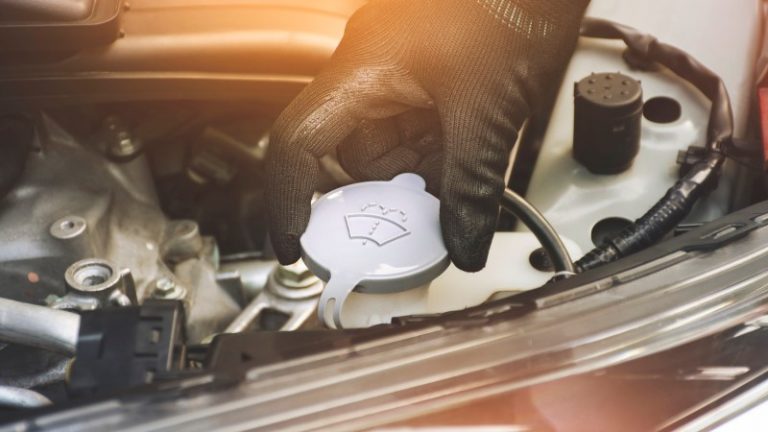
Park the vehicle on a level surface, engage the parking brake, switch off the ignition, and allow hot engine-bay components to cool if the vehicle has recently been driven. Open the hood and identify the washer reservoir. It is commonly a translucent plastic tank or filler neck with a cap showing a windshield-and-spray symbol.
Do not assume every blue cap is the washer reservoir. Some engine compartments contain several fluid reservoirs close together. Check the cap symbol or owner’s manual before removing anything.
Source: slashgear.com
Catch container
Use a clean chemical-resistant drain pan or container that can hold the reservoir’s contents.
Hand siphon pump
A manual fluid-transfer pump is the preferred tool when the filler neck gives direct access to the tank.
Gloves
Wear chemical-resistant disposable or work gloves to minimize contact with washer fluid.
Eye protection
Safety glasses help protect against splashes when disconnecting a low-mounted hose or pump.
Rags or absorbent towels
Keep them nearby for small spills around the reservoir or engine bay.
Funnel
A clean funnel makes refilling easier and reduces spills.
Never Start a Siphon With Your Mouth
Use a hand-operated transfer pump instead of mouth siphoning. Windshield washer fluid is not safe to swallow, and many formulations contain alcohols or other chemicals that can cause serious poisoning. Keep drained fluid in a clearly identified chemical container and away from children and pets.
How to Drain Windshield Washer Fluid Step by Step
For most DIY situations, begin with the least invasive method: remove the fluid through the filler opening with a manual siphon or transfer pump. Only move to hose or pump removal if the reservoir design prevents effective siphoning or if you need the tank completely empty for cleaning or repair.
Source: bryansgarage.com
Step 1: Park safely
Place the vehicle on level ground, engage the parking brake, switch off the ignition, and open the hood.
Step 2: Locate the washer reservoir
Find the reservoir or filler neck identified by the windshield washer symbol. Consult the owner’s manual if its location is unclear.
Step 3: Inspect the access
Remove the reservoir cap and determine whether a siphon hose can travel through the filler neck into the main tank.
Step 4: Insert the siphon
Place the suction tube of a clean manual transfer pump into the reservoir without forcing it past bends or restrictions.
Step 5: Position the collection container
Place the discharge hose into a stable container large enough for the removed fluid.
Step 6: Pump out the old fluid
Operate the hand pump until it stops drawing fluid. Reposition the tube gently if a small amount remains at the bottom.
Step 7: Inspect the removed fluid
Look for sediment, discoloration, oily contamination, or debris that could indicate the reservoir or washer system needs additional cleaning.
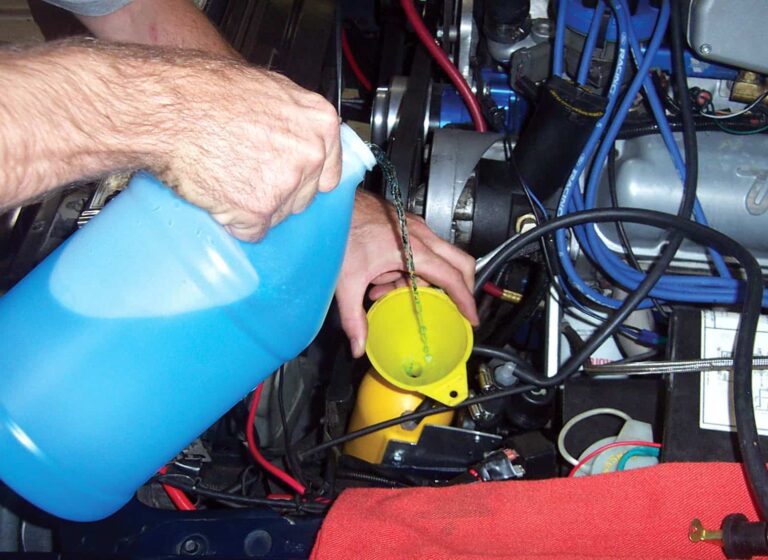
Step 8: Refill the reservoir
Add washer fluid appropriate for your vehicle and expected climate, following the product label and vehicle manufacturer’s guidance.
Step 9: Test the washers
Close the hood, switch the vehicle on as required, and operate the washers briefly to confirm that fluid reaches the windshield normally.
How Do You Know the Reservoir Is Empty?
A siphon will begin drawing air instead of liquid when it can no longer reach the fluid. If the reservoir is translucent and visible, you may also be able to confirm the fluid level from outside. A small amount remaining below the reach of the siphon is normally acceptable when you are simply replacing compatible washer fluid. If the reservoir contains a contaminant or is being removed for repair, a more complete drain may be necessary.
Signs the Job Was Successful
After refilling, the pump should operate normally, the washer jets should produce an even spray, and there should be no visible leakage around the reservoir, pump grommet, hoses, or fittings. The fluid level should remain stable after the system has been primed.
How to Drain Washer Fluid When You Cannot Siphon It
Some vehicles use a long, narrow, curved filler neck that prevents a siphon tube from reaching the bottom of the reservoir. The reservoir itself may also be hidden behind a bumper cover, inner fender liner, or other body panel. When siphoning does not work, draining from the lower portion of the reservoir can be more effective.
A common design places the electric washer pump near the bottom of the reservoir. A small hose carries fluid from the pump toward the windshield nozzles. On an accessible system, separating the outlet hose can allow fluid to drain into a pan. On other vehicles, removing the pump from its reservoir grommet releases the fluid directly.
These methods are more invasive than siphoning. Plastic fittings, pump bodies, seals, and hoses can become brittle with age, so do not pull aggressively on a stuck connection. If reaching the pump requires removing a bumper, wheel, fender liner, underbody panel, or several fasteners, vehicle-specific service instructions become particularly important.
Source: vautobasics.com
Prepare for immediate flow
Place the drain pan under the pump or hose before loosening the connection because the reservoir may empty quickly.
Disconnect carefully
Release clamps, locking tabs, or connectors according to their design instead of forcing the hose or electrical plug.
Protect the pump seal
If the pump is removed from a rubber grommet, inspect the seal for cracks, hardening, swelling, or damage before reassembly.
Reconnect before refilling
Make sure every hose, pump, seal, electrical connector, and retaining clip is back in its proper position before adding new fluid.
Can You Drain the Reservoir by Running the Washer Pump?
You can lower the fluid level somewhat by operating the windshield washers, but this is not the preferred way to empty a full reservoir. Repeatedly running the pump for a long period can overwork it, wastes fluid across the windshield and vehicle, and may still leave fluid in the bottom of the tank. It is better used for circulating a small amount of fresh fluid through the lines after refilling.
When to Stop and Use Vehicle-Specific Repair Information
Stop if you cannot identify the correct hose or pump, the reservoir is inaccessible without significant disassembly, a fitting feels likely to break, or the vehicle has multiple washer pumps and you are unsure which one serves the windshield. A model-specific repair manual or qualified technician can prevent damage that costs more to repair than the original maintenance job.
What to Do After the Old Washer Fluid Is Removed
What you do next depends on why the reservoir was drained. If you were simply changing from one compatible washer fluid to another, you can normally refill the reservoir directly. If you removed contaminated, dirty, or incorrect fluid, additional flushing may be worthwhile.
For light contamination, adding a small amount of clean water, gently circulating it in the reservoir, and draining it again can help remove residue. However, avoid creating a complicated homemade cleaning mixture. Soap or household cleaners can foam, leave deposits, attack materials, or produce poor windshield visibility if residue reaches the spray system.
If oil, coolant, fuel, concentrated chemicals, or heavy biological growth entered the reservoir, a simple water rinse may not be enough. The reservoir and hoses may need to be removed and cleaned or replaced according to vehicle-specific procedures.
Source: rxmechanic.com
Check the reservoir
Look for cracks, staining, debris, or leakage around the tank and filler neck.
Check the pump
Inspect the pump area and grommet for wetness that could indicate a leak.
Check the hoses
Look for split, kinked, loose, or disconnected washer hoses.
Check the nozzles
After refilling, confirm that the spray reaches the intended windshield area instead of dribbling or spraying unevenly.
How to Choose Replacement Washer Fluid in the United States
Choose the replacement fluid according to expected temperatures and the vehicle manufacturer’s instructions. The freeze-protection rating printed on the container is particularly important for vehicles used in northern and mountain regions of the United States. A product suitable for summer driving in Texas or Arizona may not provide adequate protection for winter travel in states that regularly experience temperatures below freezing.
Do not assume color alone identifies a fluid’s freeze protection or chemical composition. Read the container label. If the product is sold as a concentrate, mix it only according to the manufacturer’s directions rather than guessing the water-to-concentrate ratio.
Prime the Washer Lines After Refilling
Once the reservoir is filled, operate the washer control in short bursts until fresh fluid sprays from the nozzles. This moves the new fluid through the pump and hoses. If you are preparing for freezing weather, circulating the new winter-rated fluid through the lines is useful because old fluid may still be trapped between the reservoir and the nozzles.
How to Handle and Dispose of Old Windshield Washer Fluid
Treat used or unwanted windshield washer fluid as a chemical product, especially when its ingredients are unknown. Many washer formulations, particularly cold-weather products, may contain alcohols such as methanol. Avoid contact with your eyes and mouth, keep the fluid away from children and pets, and never store it in a beverage bottle or food container.
Disposal requirements are not identical across the United States. State and local waste programs can set different rules for household automotive chemicals, so the safest approach is to keep the fluid in a clearly identified, compatible container and check the disposal instructions on the product label and with your local solid-waste or household hazardous waste program.
Do not intentionally dump unwanted washer fluid onto the ground or into a storm drain. Storm drains may discharge into local waterways with little or no treatment. Avoid mixing drained washer fluid with motor oil, coolant, gasoline, brake fluid, or other automotive chemicals because mixed waste can be more difficult to handle correctly.
Source: thecarbuzz.com
Use a labeled container
Keep the drained liquid in a secure chemical-resistant container that clearly identifies its contents.
Keep it inaccessible
Store it temporarily where children and pets cannot reach it.
Do not mix chemicals
Keep washer fluid separate from used oil, coolant, fuel, solvents, and other automotive fluids.
Check local rules
Contact your city, county, or local household hazardous waste program when disposal instructions are uncertain.
What If Washer Fluid Gets in Your Eyes or Is Swallowed?
For eye exposure, follow the product label’s first-aid directions and rinse promptly with clean water as directed. If washer fluid is swallowed, do not rely on a home remedy or wait for symptoms to appear. In the United States, contact Poison Control at 1-800-222-1222 for guidance, and seek emergency medical care when advised or when serious symptoms are present.
Common Problems After Draining and Refilling
If the windshield washers do not work after refilling, first check simple causes before assuming the pump has failed. An empty hose may need several short washer cycles to prime, particularly if the reservoir and lines were completely drained.
Listen for the washer pump while operating the control. A pump that runs but produces no spray may indicate an empty line, disconnected hose, clogged nozzle, incorrectly installed pump seal, blocked pickup, or leak. If there is no pump sound at all, an electrical problem, fuse issue, damaged connector, switch problem, or failed pump may need diagnosis.
Stop operating the system continuously if no fluid appears. Repeated dry or prolonged operation is not a useful troubleshooting strategy and can place unnecessary stress on the pump.
Fluid leaks immediately
Recheck the outlet hose, pump grommet, reservoir seams, and any connection disturbed during draining.
Pump runs but no spray appears
Check the fluid level, allow a few short priming cycles, and inspect the hoses and nozzles for blockage or disconnection.
Only one nozzle sprays
A branch hose or individual nozzle may be restricted rather than the reservoir or pump being at fault.
No pump sound
Check vehicle-specific fuse and electrical information before replacing components.
Fluid freezes again
Verify the actual temperature rating of the replacement washer fluid and remember that residual weaker fluid in the lines can dilute new fluid.
When a Mechanic Is the Better Option
Professional help is reasonable when the reservoir requires major body-panel removal, the pump wiring is damaged, the reservoir is cracked, fluid is leaking into an inaccessible area, or contamination involves an unknown chemical. These situations move beyond a simple fluid change and may require vehicle-specific disassembly or electrical diagnosis.
Frequently Asked Questions
Q
What is the easiest way to drain windshield washer fluid?
For most vehicles, the easiest method is using a manual siphon or fluid-transfer pump through the washer reservoir filler neck. It removes most of the fluid without disturbing the pump, hoses, electrical connectors, or reservoir mounting hardware.
Q
Can I just run the windshield washers until the reservoir is empty?
It may work for removing a small remaining amount, but it is inefficient for draining a full reservoir. Long or repeated pump operation can unnecessarily stress the washer pump and spreads the unwanted fluid over the vehicle. A siphon or controlled gravity drain is a better method.
Q
Can I mix different types of windshield washer fluid?
Compatible automotive washer fluids can often be mixed, but doing so may change the final freeze protection and cleaning performance. If you are switching to a winter fluid because freezing temperatures are expected, draining most of the old warm-weather mixture first gives you more predictable freeze protection.
Q
Should I flush the washer reservoir with water?
A water rinse can be useful after removing contaminated or incorrect fluid, but it is normally unnecessary for a routine change between compatible washer fluids. If you rinse before winter, drain the rinse water thoroughly because leftover water can dilute the freeze protection of the new fluid.
Q
How much windshield washer fluid does a reservoir hold?
Capacity varies by vehicle and can differ substantially between passenger cars, trucks, SUVs, and vehicles with rear-window washers or headlamp cleaning systems. The owner’s manual or model-specific service information is the most reliable source for your vehicle’s capacity.
Q
Why is my washer fluid not spraying after I refilled the reservoir?
The system may simply need a few short cycles to prime after being drained. If spraying does not begin, check the fluid level, pump sound, hose connections, pump grommet, and spray nozzles. A silent pump may indicate an electrical or pump problem, while a running pump with no spray more often points to a flow or leakage problem.
Q
Do I need winter windshield washer fluid in the United States?
It depends on where and when you drive. Vehicles exposed to freezing temperatures should use washer fluid with freeze protection appropriate for the expected conditions. Drivers in consistently warm areas may not require the same low-temperature rating, but anyone traveling into colder states should prepare for the temperatures along the route and at the destination.
✦ Wrapping Up
How to Drain Windshield Washer Fluid Safely
Learning how to drain windshield washer fluid is straightforward when you start with the least invasive method. Park safely, identify the correct reservoir, and use a manual siphon pump to transfer the unwanted fluid into a suitable container. If the filler neck prevents siphoning, draining through an accessible lower hose or washer pump may be possible, but the exact procedure depends on the vehicle.
Once the old fluid is removed, correct any contamination, reconnect disturbed components, refill with washer fluid suited to your vehicle and U.S. climate, and operate the washers briefly to circulate the fresh fluid. Check for leaks and make sure the spray pattern is normal before considering the job complete.
Handle the removed fluid responsibly. Keep it away from children and pets, avoid mouth siphoning, do not mix it with unrelated automotive chemicals, and follow product-label and local disposal guidance.
💡 Key Takeaway
Start with a hand siphon pump whenever the reservoir is accessible. It is usually the simplest way to remove old washer fluid without disturbing the pump, seals, hoses, or vehicle body panels.
Learn how to fold a windshield sun shade correctly with simple steps for pop-up, accordion, and umbrella styles, plus storage and troubleshooting tips.
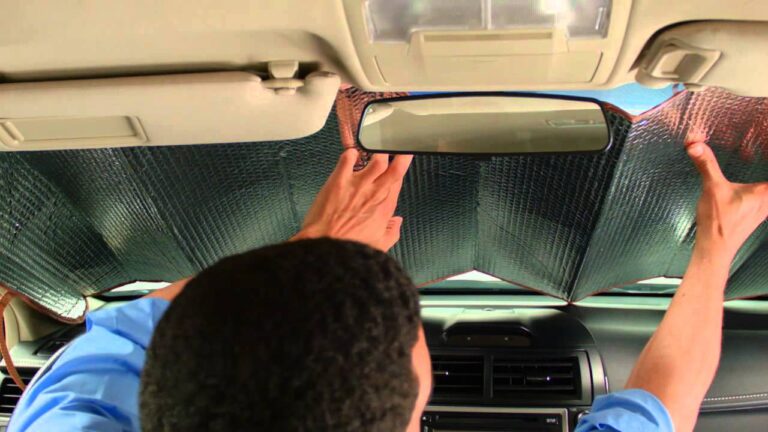
Learn how to install a windshield sun shade correctly in your car. Follow simple steps for folding, roll-up, and umbrella-style shades, plus fit, safety, storage, and troubleshooting tips.