The most reliable way to prevent windshield washer nozzles from freezing is to use winter-rated washer fluid suitable for temperatures in your area, flush weaker fluid from the lines before freezing weather arrives, keep the nozzle openings clean, and avoid operating the washer system while it is frozen.
For drivers across the United States, frozen windshield washer nozzles can become more than a minor winter inconvenience. Road salt, slush, dirty spray from other vehicles, and freezing precipitation can quickly coat a windshield during winter travel, especially in northern states, mountain regions, and areas affected by winter storms. When the washer nozzles cannot spray, the wipers may simply smear that contamination across the glass and reduce visibility.
The key is to winterize the entire washer system rather than treating only the small openings on the hood or cowl. The reservoir, pump, hoses, fittings, and nozzles all contain fluid. If warm-weather fluid or diluted washer solution remains anywhere in that path, it can freeze even after stronger winter fluid has been added to the reservoir. A few preventive steps before temperatures drop can greatly reduce the chance of waking up to no washer spray on a freezing morning.
Washer nozzles can freeze when liquid inside or immediately around their small passages reaches its freezing point. The nozzle opening is exposed to cold outside air, snow, ice, freezing rain, road spray, and moisture, so it can be one of the first parts of the system to become blocked.
The problem is not always located at the nozzle itself. Fluid may freeze in a hose, connector, reservoir, or pump area and create the same symptom: you operate the washer control, but little or no fluid reaches the windshield. That distinction matters because heating or cleaning the visible nozzle will not solve a frozen line farther upstream.
Fluid selection has a major effect. Warm-weather washer fluid, water, or winter fluid that has been excessively diluted may freeze at temperatures commonly encountered during a U.S. winter. Even a properly rated winter formula can become less freeze-resistant when mixed with a substantial amount of weaker fluid already in the reservoir and lines.
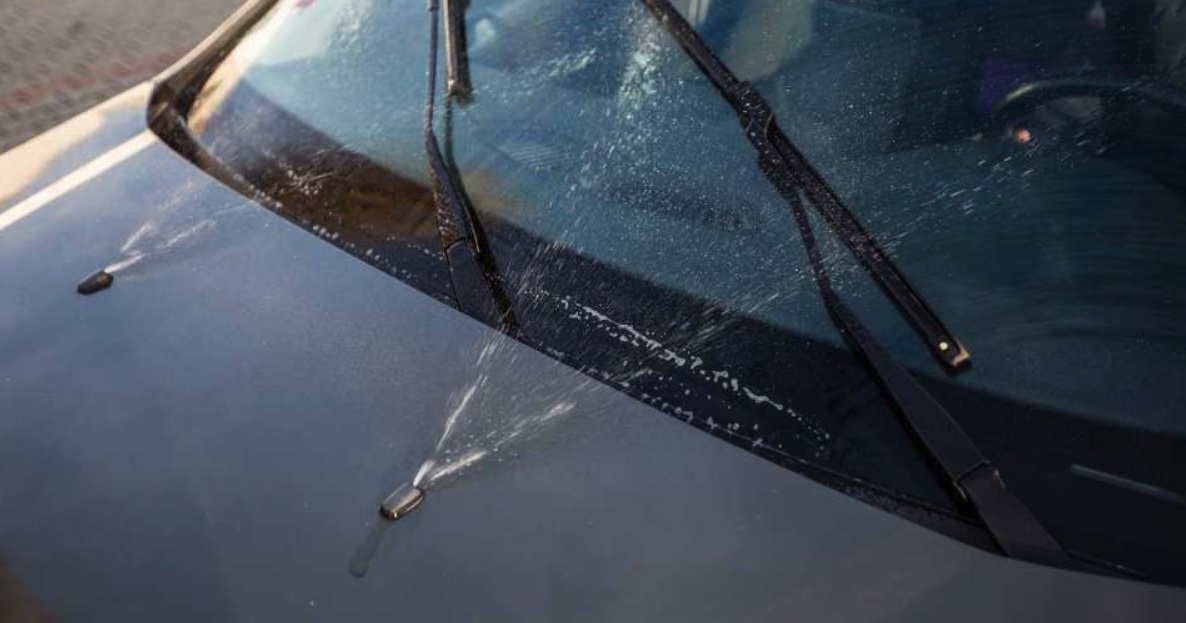
Source: vautobasics.com
Low-temperature exposure
Nozzles mounted on the hood or near the windshield are directly exposed to freezing outdoor temperatures.
Weak washer-fluid mixture
Summer fluid, plain water, or heavily diluted solution can freeze much sooner than properly selected winter washer fluid.
Residual fluid in the lines
Adding winter fluid to the reservoir does not immediately replace the older solution trapped between the tank and the nozzles.
External ice buildup
Snow, freezing rain, melted snow, and road moisture can freeze directly over the nozzle outlet.
Nozzle Freeze Versus a Frozen Washer System
If one nozzle sprays normally while another does not, a localized blockage or frozen nozzle is more likely. If neither nozzle sprays and the vehicle has plenty of washer fluid, freezing farther back in the system becomes more plausible. A clogged nozzle, disconnected hose, failed pump, electrical problem, or empty reservoir can produce similar symptoms, so a no-spray condition should not automatically be blamed on ice.
How to Prevent Windshield Washer Nozzles From Freezing
Prevention starts before the first hard freeze. You want every part of the washer system to contain fluid rated for the conditions you expect, while also keeping the exposed nozzle openings clean and reasonably protected from accumulated ice.
The following sequence works for most vehicles, but the owner’s manual should take priority if the manufacturer specifies a particular washer-fluid type, concentration, heated-nozzle procedure, or maintenance method.
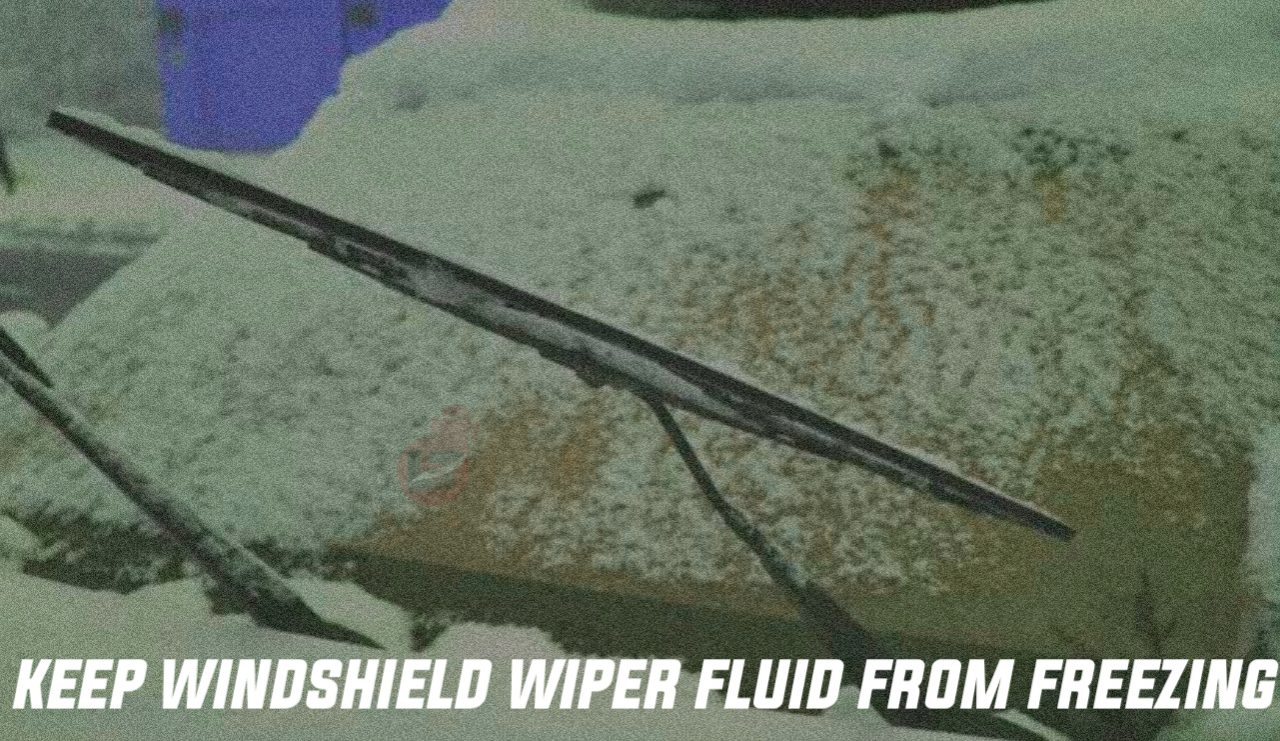
Source: motorbiscuit.com
1. Check your winter temperature range
Look at the coldest realistic temperatures for your area and choose washer fluid with a freeze-protection rating below that temperature rather than selecting fluid based only on the word winter.
2. Replace weak fluid before cold weather
If the reservoir contains summer fluid or a heavily diluted mixture, use or remove as much of it as practical before filling with the appropriate winter-rated product.
3. Flush winter fluid through the lines
After refilling, operate the washer system until you are confident the new fluid has traveled from the reservoir through the hoses and out of the nozzles. This step helps remove weaker fluid that could otherwise freeze in the narrow lines.
4. Clean the nozzle area
Remove dirt, wax residue, leaves, salt deposits, and other contamination around the spray openings so moisture is less likely to collect around an already restricted passage.
5. Remove snow and ice before driving
Brush accumulated snow away from the hood, cowl, windshield, and nozzle area rather than expecting the washer system to blast through a layer of frozen precipitation.
6. Use a garage when practical
Parking in an enclosed garage can keep the vehicle warmer and reduce direct exposure to freezing precipitation, although an unheated garage does not guarantee that washer fluid will remain above freezing.
7. Maintain heated nozzles if equipped
Some vehicles use electrically heated washer nozzles that operate automatically in cold conditions. If your vehicle has this feature and the nozzles repeatedly freeze, consult the owner’s manual or service information before assuming the heater is working properly.
Choose Washer Fluid by Freeze Rating, Not Color
Washer-fluid color is not a reliable universal indicator of freeze protection. Different manufacturers use different formulas and labeling. Read the container for its stated temperature protection and follow its mixing instructions if the product is a concentrate.
In colder U.S. regions, selecting fluid with additional temperature margin is useful because overnight lows, wind exposure, and cold-soaked vehicle components may create demanding conditions. The goal is not to find one universal temperature rating for every driver but to match the product to local winter conditions.
Do Not Forget the Fluid Already Inside the Hoses
One of the most easily missed winterization steps is purging the old fluid from the plumbing. Vehicle manufacturer guidance has specifically warned that fluid remaining between the reservoir and nozzles may freeze when its concentration is inadequate for the outside temperature. Simply topping up the reservoir with stronger fluid does not instantly change what is sitting in those lines.
After changing to winter-rated fluid, spray the washers in a safe location until the new solution has circulated through the system. Keep the windshield wet enough to avoid running the wipers across a dry, dirty surface.
Should You Add Water, Alcohol, or Other Ingredients?
For most drivers, the safest and simplest approach is to use commercially formulated windshield washer fluid according to its label and the vehicle manufacturer’s recommendations. Homemade mixtures can alter freeze protection unpredictably and may introduce chemicals that are unsuitable for paint, rubber components, plastics, pumps, hoses, or other washer-system parts.
Adding water to ready-to-use winter washer fluid generally reduces its freeze protection. Manufacturer service information has specifically warned that water can contribute to freezing and damage in some washer systems. Concentrated products are different: if the label requires dilution, follow the specified ratio for the temperature protection you need.
Online advice sometimes recommends adding rubbing alcohol, vinegar, engine antifreeze, or other household products. Such mixtures are unnecessary when suitable automotive washer fluid is available, and the compatibility of a homemade mixture with a specific vehicle may not be established.
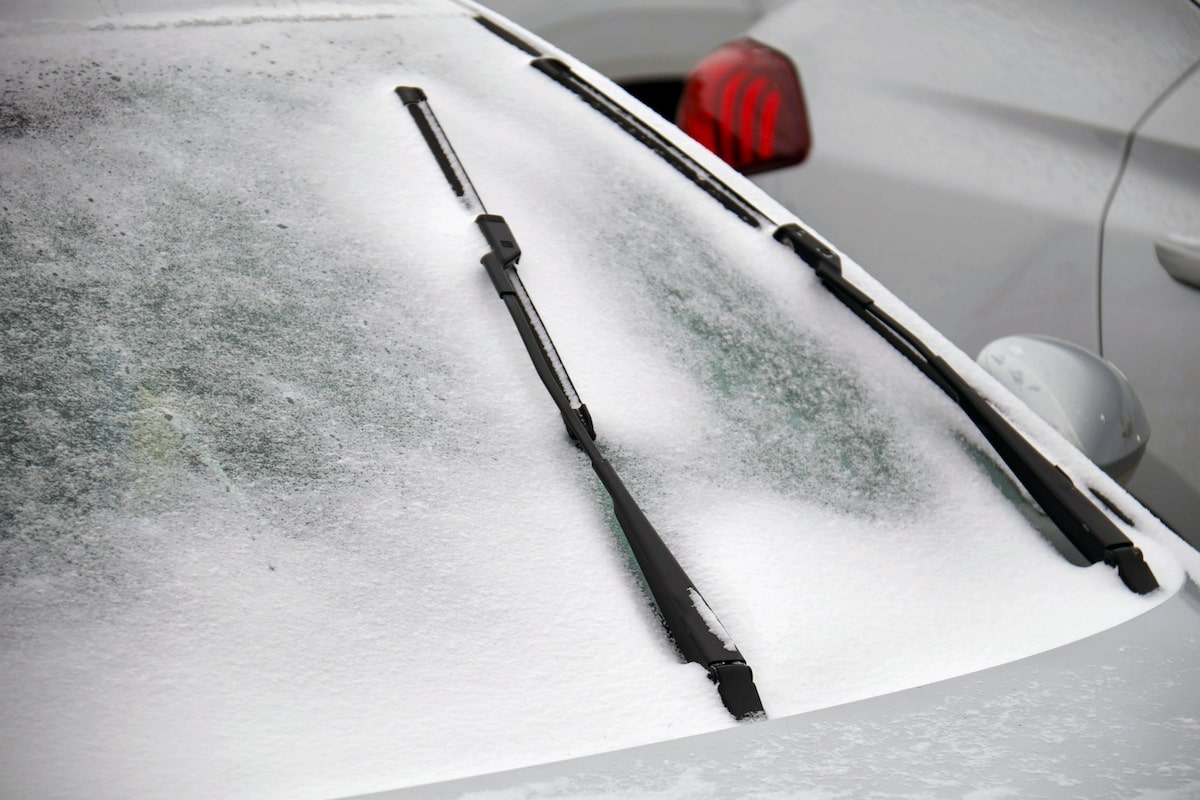
Source: storage.googleapis.com
Ready-to-use winter fluid
Use it at the supplied concentration unless its manufacturer states otherwise.
Concentrated washer fluid
Dilute only according to the label and select the ratio that provides sufficient freeze protection.
Engine coolant
Do not substitute engine coolant or antifreeze for windshield washer fluid. Vehicle manufacturers warn that it may damage painted surfaces and the washer system is not designed to use it as a cleaning fluid.
Household recipes
Avoid relying on improvised mixtures when an automotive fluid with a documented freeze rating is available.
What to Do If the Washer Nozzles Are Already Frozen
If the nozzles have already frozen, avoid repeatedly holding the washer switch. A frozen system can prevent the pump from moving fluid, and unnecessary operation can place additional load on the pump or its electrical protection.
Start with gentle warming. Park the vehicle in a warmer garage when possible, run the vehicle’s windshield defroster according to the owner’s manual, and give the system time to thaw. Clear snow and loose ice from around the washer nozzles without striking, prying, or digging aggressively into them.
Once the system has thawed enough to operate, replace unsuitable fluid with properly rated winter washer fluid and circulate it through the lines. If the reservoir itself has frozen solid, allowing the vehicle to warm gradually is generally preferable to exposing cold plastic components or glass to extreme temperature changes.
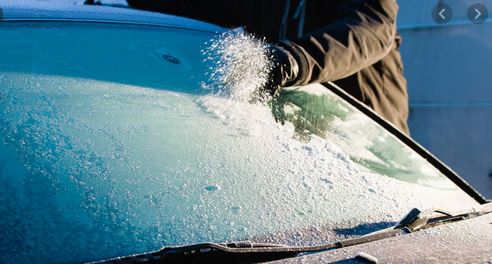
Source: hitchesguide.com
Stop operating a frozen system
If no fluid sprays and freezing is likely, do not continuously run the washer pump.
Warm the vehicle gradually
A garage and normal vehicle heating can thaw frozen components without the extreme temperature shock associated with improvised high-heat methods.
Clear exterior ice carefully
Remove snow and ice around the nozzle opening gently rather than forcing a sharp object into the spray passage.
Change the fluid after thawing
Once fluid can move again, replace an inadequate mixture and purge the lines with a winter-rated formula.
Avoid Boiling Water and Open Flames
Do not pour boiling water over a frozen windshield or washer components. Rapid thermal change can stress glass and plastics, and very hot water can also create more liquid that refreezes as the vehicle cools. Open flames, torches, and uncontrolled high heat are inappropriate around a vehicle and flammable automotive chemicals.
Do Not Force a Needle Deep Into the Nozzle
A very small obstruction may sometimes look like ice when it is actually dirt or mineral residue. Avoid aggressively pushing needles, drill bits, or other hard objects into the nozzle because the outlet can be damaged or its spray direction changed. If blockage remains after the system has completely thawed, use the cleaning procedure recommended for the vehicle or have the nozzle inspected.
How to Tell Whether the Problem Is Ice or a Mechanical Fault
A washer system that stops working during a freeze may start functioning normally after the vehicle warms, which strongly suggests ice was involved. If it remains inoperative after everything is fully thawed, investigate other causes instead of continuing to treat it as a freezing problem.
Begin with the simple checks. Confirm that the reservoir has fluid, make sure the fluid itself is liquid, and inspect the visible nozzle area. When the washer control is activated briefly, listen for pump operation if it can be heard from your vehicle. Then check for obvious leaks or disconnected hoses where they are safely accessible.
A professional diagnosis is appropriate when the pump does not operate, electrical protection repeatedly fails, fluid leaks inside the engine compartment, hoses are inaccessible, or the vehicle has a specialized washer or heated-nozzle system requiring model-specific testing.
Source: autovfix.com
One nozzle does not spray
A localized frozen or clogged nozzle, damaged nozzle, or individual hose problem is more likely than a completely frozen reservoir.
Neither nozzle sprays in freezing weather
Frozen fluid in the reservoir, pump area, shared hose, or both nozzles is possible.
Pump operates but no fluid reaches the windshield
Look for frozen or blocked lines, a disconnected hose, leakage, or restricted nozzles.
System remains dead after warming
A fuse, pump, switch, wiring, hose, or other mechanical or electrical fault may need diagnosis.
Signs Your Winterization Worked
A properly winterized system should produce a normal spray pattern after the vehicle has been exposed to temperatures that remain within the washer fluid’s stated protection range. Both nozzles should deliver fluid promptly, the spray should reach the intended windshield area, and the pump should not sound unusually strained.
If freezing repeatedly occurs even with correctly rated fluid and a fully flushed system, investigate whether external ice is covering the nozzle, whether a heated-nozzle feature has failed, or whether the fluid being used actually matches the expected temperature conditions.
A Simple Winter Washer-System Maintenance Routine
A short preventive routine can reduce washer problems throughout the winter. Perform the most important preparation before your region’s first sustained freeze, then check the system periodically during the season, especially before long highway trips.
Drivers in states that experience heavy snow and road-salt use may consume washer fluid quickly, so keeping the reservoir adequately filled matters as much as freeze protection. Running out of fluid during dirty winter highway conditions can quickly become a visibility problem.
Before winter
Switch to correctly rated washer fluid, purge the lines, test the spray pattern, inspect the wiper blades, and confirm the defroster works properly.
After snow or freezing rain
Remove snow and ice from the windshield, wipers, hood, cowl, and nozzle area before depending on the washer system.
During the winter
Check washer-fluid level regularly and continue using fluid rated for the temperatures you may encounter.
Before a winter road trip
Top up the reservoir with compatible fluid and verify that both washer nozzles spray correctly before departure.
Cold-Weather Preparation Checklist
Before a major U.S. winter storm or a trip into colder elevations, check the washer system while the vehicle is still somewhere convenient to service. Confirm the reservoir is adequately filled, the fluid rating is suitable for the expected low temperature, the lines have been flushed with that fluid, and both spray jets work normally.
Also make sure the windshield defroster and wiper blades are functioning well. Washer fluid is only one part of maintaining winter visibility. A clean windshield, effective defrosting, and wipers capable of clearing precipitation all work together.
Frequently Asked Questions
Q
Why do my windshield washer nozzles freeze even with winter fluid?
Possible reasons include weaker fluid remaining in the hoses, winter fluid that is not rated for the actual temperature, excessive dilution with water, or exterior ice covering the nozzle openings. After changing fluid, operate the system long enough to circulate the new solution through the lines and nozzles.
Q
Can I use water in my windshield washer reservoir during winter?
Plain water is a poor choice when temperatures can fall to or below freezing because it can freeze in the reservoir, pump, hoses, or nozzles. Use an automotive washer fluid suitable for the expected temperature. If you are using a concentrated washer product, dilute it only according to the manufacturer’s instructions.
Q
Will running the windshield defroster thaw frozen washer nozzles?
It may help as the vehicle and windshield area warm, but its effectiveness depends on nozzle location, outside temperature, vehicle design, and where the system is frozen. Parking in a warmer garage can provide more complete gradual warming if the reservoir or lines are also frozen.
Q
Should I keep pressing the washer button when the nozzles are frozen?
No. If you suspect frozen fluid or blocked nozzles, stop repeatedly operating the system. A pump trying to move frozen fluid can be subjected to unnecessary load. Thaw the system, verify that the fluid is liquid, and then test it briefly.
Q
Are heated windshield washer nozzles worth using?
Factory-equipped heated nozzles can help prevent fluid from freezing at the exposed nozzle outlets during cold weather, and some vehicles activate them automatically. They do not eliminate the need for properly rated washer fluid because fluid elsewhere in the reservoir or lines can still be vulnerable if its freeze protection is inadequate.
Q
What temperature rating should winter washer fluid have?
Choose a product rated below the lowest temperature you reasonably expect to encounter. There is no single rating that fits every part of the United States. A driver in a mild coastal climate may face very different conditions from someone driving in Minnesota, North Dakota, the Rocky Mountains, or another region where severe subzero temperatures occur.
✦ Wrapping Up
Conclusion
Learning how to prevent windshield washer nozzles from freezing is mostly about preparing the whole washer system before temperatures drop. Use winter-rated washer fluid that matches local conditions, avoid weakening ready-to-use fluid with water, and flush the new solution through the hoses and nozzles so summer fluid is not left behind.
Keep snow and ice away from the nozzle area, maintain the defroster and wipers, and do not repeatedly operate a washer pump when the system appears frozen. If the washer remains inoperative after everything has fully thawed, treat it as a possible mechanical or electrical problem rather than continuing to assume the nozzles are frozen.
💡 Key Takeaway
Before the next freeze, check the temperature rating on your washer fluid, replace any unsuitable mixture, spray enough to circulate winter fluid through the lines, and confirm that both nozzles produce a normal spray pattern.
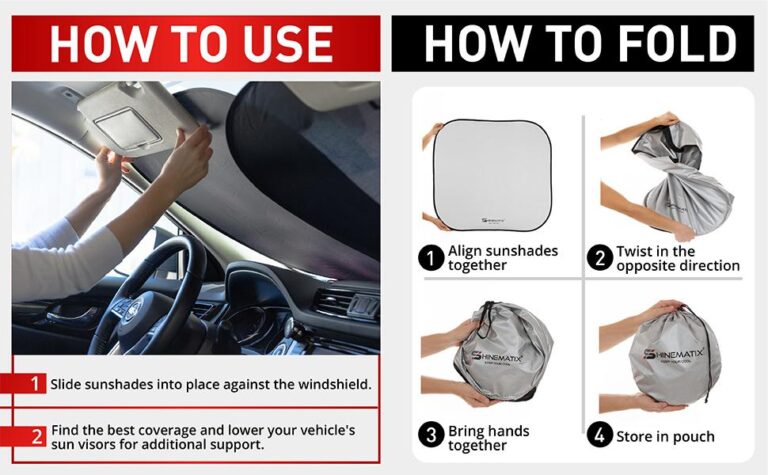
Learn how to fold a round windshield sun shade correctly without bending the frame. Follow these simple steps, avoid common mistakes, and store it neatly.