No. You should not use vinegar as windshield washer fluid. Although diluted white vinegar can help clean some dirt and mineral spots from exterior glass when applied by hand, it is not designed for a vehicle’s washer system. Honda owner manuals specifically warn that vinegar and water can damage the windshield washer pump. Use automotive washer fluid that meets your vehicle manufacturer’s instructions instead.
Across the United States, drivers face many kinds of windshield grime. Summer brings dust, pollen, and bug residue, while winter can bring road salt, slush, and freezing rain. Keeping the glass clear is a basic part of safe driving, so it is tempting to reach for a cheap household cleaner when the washer reservoir runs low.
White vinegar is often suggested as a homemade car cleaner because its mild acid can help loosen mineral deposits. But cleaning a glass surface by hand is different from sending a liquid through a pump, hoses, seals, and spray nozzles. A mixture that works on a household window is not automatically suitable for a car.
The safest choice is to use windshield washer fluid made for automotive systems. The right formula can help remove road grime and may offer freeze protection, depending on the product. Before adding anything to the reservoir, check your owner’s manual and the product label.
No. Vinegar is not a recommended replacement for automotive windshield washer fluid. It may help clean some glass stains, but that does not mean it is safe for the parts that store, move, and spray washer fluid.
Honda’s owner manuals provide a clear example. Several manuals state that drivers should not use a vinegar and water solution in the windshield washer reservoir because it can damage the washer pump. The guidance also recommends commercially available washer fluid.
The warning matters because a washer system is made of several connected parts. The reservoir holds the liquid, a pump moves it through hoses, and small nozzles direct it onto the windshield. The system must work reliably when the driver needs a clear view.
The best decision is simple: keep vinegar out of the reservoir unless the manufacturer of your exact vehicle expressly approves it. A household recipe found online is not a substitute for the vehicle’s maintenance instructions.
Source: itsoverflowing.com
For the washer reservoir
Use automotive windshield washer fluid that is approved or recommended for your vehicle.
For hand cleaning
A suitable glass-cleaning method may help with certain mineral spots, but check for tint films, coatings, and nearby trim before using vinegar.
For winter driving
Choose washer fluid with a freeze rating suited to the lowest temperatures you expect.
Why do people suggest vinegar?
Vinegar contains acetic acid, which can help loosen some mineral deposits left by hard water. It is also inexpensive and easy to find in many American homes. These qualities make it a popular suggestion for hand-cleaning glass.
However, the ability to clean a surface does not establish compatibility with a vehicle’s pump, seals, hoses, and nozzles. A washer fluid must do more than remove dirt. It must also move through the system and perform under the weather conditions for which it is intended.
What Happens If You Put Vinegar in the Washer Reservoir?
The main concern is possible damage to the washer pump, along with uncertainty about how the mixture will affect the system’s other materials over time. The risk depends on the vehicle, the mixture, the materials involved, and the duration of exposure. There is no universal vinegar recipe that can be assumed safe for every car.
Vinegar is acidic, even when diluted with water. Some automotive materials tolerate certain acids better than others, so it would be inaccurate to claim that every vinegar mixture will immediately destroy every hose or seal. Still, a vehicle manufacturer warning against vinegar is enough reason not to experiment with it.
Another concern is cleaning performance. Vinegar and water do not provide the same balanced cleaning and seasonal protection as a product made for automotive washer systems. The mixture may leave grime behind, and it does not offer dependable protection against freezing.
If the system sprays weakly, stops spraying, or makes an unusual noise after an unsuitable liquid was added, do not keep activating the pump to force the mixture through. Check the owner’s manual and ask a qualified mechanic how to proceed.
Source: i.pinimg.com
Possible pump problems
A mixture that is unsuitable for the pump may contribute to damage or unreliable operation.
Possible material compatibility issues
Repeated contact with an acidic cleaner may affect some seals, hoses, rubber parts, or nearby finishes. The outcome depends on the materials and exposure.
Poor performance in cold weather
A vinegar and water mixture does not provide a reliable, labeled freeze-protection rating for your car.
Uncertain cleaning results
Vinegar may loosen some mineral residue but is not formulated to handle every type of road film, oily dirt, or bug residue.
What if you have already added vinegar?
Do not panic if you have already poured a small amount into the reservoir. The fact that vinegar was added does not prove that damage has occurred. However, you should avoid continued use until you know what your vehicle manufacturer recommends.
Do not add another household chemical to counteract the vinegar. Do not assume that topping up with water will make the mixture safe. Check your owner’s manual or contact a repair shop for instructions based on your vehicle and the amount added.
If the pump has become noisy, the spray has weakened, or fluid is leaking, arrange an inspection. If your windshield cannot be cleaned well enough to see clearly, do not continue driving until visibility is restored.
Can Vinegar Clean a Windshield When Applied by Hand?
Sometimes. A diluted white vinegar solution may help remove mineral spots from suitable exterior glass when you apply it by hand and rinse it away. This is a different task from filling the washer reservoir, and the precautions are different too.
Mineral spots often appear when water dries on glass and leaves dissolved minerals behind. The mild acid in vinegar can help loosen some of those deposits. It will not necessarily remove every stain, and it is not a dependable treatment for scratches, etched glass, oily road film, or damaged coatings.
Before using vinegar, check whether the glass has an aftermarket tint film, a water-repellent treatment, or another special coating. Follow the film or coating maker’s care instructions. If compatibility is unclear, choose a cleaner that is specifically approved for that surface.
Keep the solution away from paint, rubber seals, plastic trim, and other surfaces that may be sensitive to acidic cleaners. Work on cool glass in a shaded area, use a soft microfiber cloth, and rinse the surface before the solution dries. Do not clean glass while driving or when the vehicle is in an unsafe location.
Source: laundrytowear.com
Use the right method for mineral spots
A suitable automotive glass cleaner is the simplest starting point. If you choose vinegar for untreated exterior glass, test a small area first and rinse it well.
Avoid treated glass unless approved
Aftermarket tint, hydrophobic coatings, and other treatments may have special cleaning requirements.
Protect nearby surfaces
Do not let vinegar sit on painted panels, rubber seals, or trim. Rinse accidental splashes promptly.
Do not confuse cleaning with washer fluid
A hand-applied glass cleaner does not need to pass through the washer pump, hoses, and nozzles.
How to clean mineral spots safely
Park on level ground, switch off the engine, and let the windshield cool. Remove loose dust with water so that wiping does not drag grit across the glass.
Use a compatible automotive glass cleaner and a clean microfiber cloth. If the product label permits, follow its directions and work on a small section at a time. Rinse or wipe away the cleaner as directed, then dry the glass with a clean cloth.
If you use diluted vinegar on untreated exterior glass, keep it away from the paint and trim, do not let it dry on the surface, and rinse thoroughly. Stop if the surface becomes cloudy or a coating appears affected.
If the spots remain after proper cleaning, they may be etched into the glass rather than sitting on its surface. Do not keep increasing the acid concentration. Seek professional advice if the marks affect visibility.
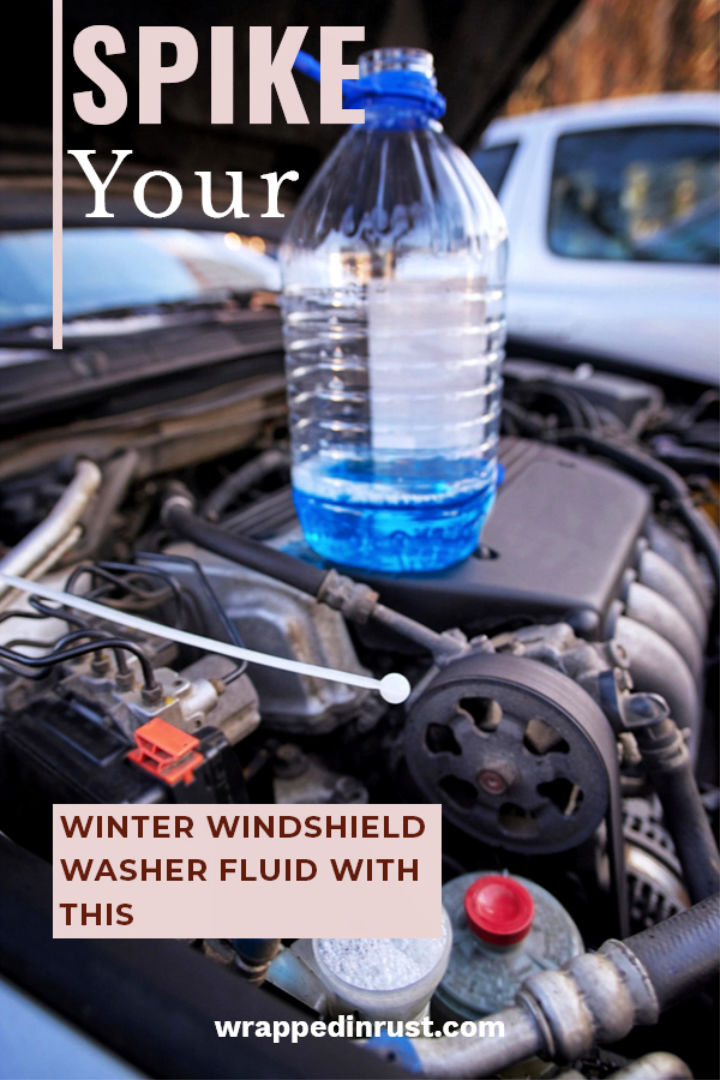
Why Vinegar Is a Poor Choice for Winter Windshield Cleaning
Vinegar and water are not a dependable winter washer-fluid mixture. When temperatures fall below freezing, water in the reservoir, hoses, or nozzles may freeze. Frozen liquid can stop the system from working and may damage parts if it expands inside them.
The United States has a wide range of winter conditions. A driver in a mild coastal area may face different temperatures from someone traveling through the Upper Midwest, the Rocky Mountains, or northern New England. A suitable washer fluid should match the conditions the vehicle may encounter, not just the weather at home.
Commercial winter washer fluids are labeled with a stated level of freeze protection. Read the product label and choose one that suits your expected temperatures. Do not assume that a homemade mixture is protected because it contains vinegar or because it has worked during a warmer month.
If the windshield is already icy, use the vehicle’s defroster and a suitable ice scraper. Do not rely on vinegar in the reservoir to melt ice, and never pour hot water onto a frozen windshield because a sudden temperature change can damage the glass.
Source: minit-tune.com
Check the temperature rating
Choose a washer fluid with a labeled freeze rating appropriate for the coldest conditions you expect.
Do not rely on household mixtures
Vinegar and water are not a substitute for a tested, labeled automotive winter formula.
Clear ice before driving
Use the defroster and an appropriate scraper to restore a clear view before setting off.
Prepare before a cold spell
Check the reservoir and replace unsuitable fluid before freezing weather arrives.
Can vinegar prevent frost on a windshield?
You should not rely on vinegar to prevent windshield frost. Household advice about spraying vinegar on glass does not establish that it will work in all conditions or that it is suitable for automotive surfaces.
For a vehicle parked outdoors, use methods recommended in the owner’s manual, such as a suitable windshield cover. In the morning, clear frost with the defroster and a scraper designed for automotive glass. Make sure every window needed for safe driving is clear before moving the car.
Vinegar vs. Commercial Windshield Washer Fluid
Commercial windshield washer fluid is the better choice for the washer reservoir because it is made for that purpose. The product label can identify its intended use and any temperature limits, while the vehicle owner’s manual explains what the car requires.
Vinegar has a narrower role. It may help with certain mineral deposits during hand cleaning, but it is not a complete substitute for automotive washer fluid. It also lacks the clearly stated seasonal performance information provided by purpose-made products.
The cheapest option is not always the best value if it creates a risk of repair or fails when you need clear glass. A washer pump that stops working, a blocked nozzle, or a frozen line can be far more inconvenient than buying the correct fluid in advance.
Source: garagesee.com
Commercial washer fluid
Best for routine reservoir use because it is designed for washer systems and may include cleaning agents and freeze protection, depending on the formula.
Vinegar and water
May help with selected mineral spots during careful hand cleaning, but it is not recommended for the reservoir.
Plain water
Some vehicle manuals allow water temporarily in warm weather, but it offers limited cleaning and no dependable freeze protection. Follow your own manual.
Automotive glass cleaner
Useful for hand-cleaning the windshield when the product is compatible with the glass, tint, and coatings. Do not pour it into the reservoir unless its label specifically permits that use.
Which option should you choose?
For daily driving, choose a commercial washer fluid intended for the season and approved for your vehicle. For hard-water marks on exterior glass, use an automotive glass cleaner first and follow its instructions.
If your manual permits plain water in an emergency, treat that as a limited, temporary option for suitable warm conditions. Refill with the correct washer fluid as soon as practical, especially before a cold spell.
How to Choose the Right Windshield Washer Fluid
Choosing washer fluid starts with your owner’s manual and the climate in which you drive. The right product should suit the vehicle and the lowest temperatures you expect, while meeting your cleaning needs.
Read the label before buying. Some products are intended for summer cleaning, while others provide freeze protection. Concentrates may require dilution according to their directions, and ready-to-use products should generally be used as supplied unless the label says otherwise.
Avoid mixing vinegar, household glass cleaner, dish soap, engine coolant, or other improvised ingredients into the reservoir. These products may have different chemical properties and may not be compatible with the pump or other system parts. Engine coolant is especially unsuitable because it can create serious visibility and vehicle-safety problems when sprayed onto the windshield.
Source: i.pinimg.com
Check the owner’s manual
Follow the manufacturer’s directions for washer fluid, filling, and maintenance.
Match the local climate
Use a formula with suitable freeze protection if temperatures may fall below freezing.
Read mixing directions
Dilute a concentrate only as directed on its label, using the specified type and amount of water.
Use the correct reservoir
Confirm the washer-fluid cap and reservoir location before filling. Never pour fluid into the coolant or brake-fluid reservoir.
Keep products stored safely
Follow label storage instructions and keep automotive chemicals away from children and pets.
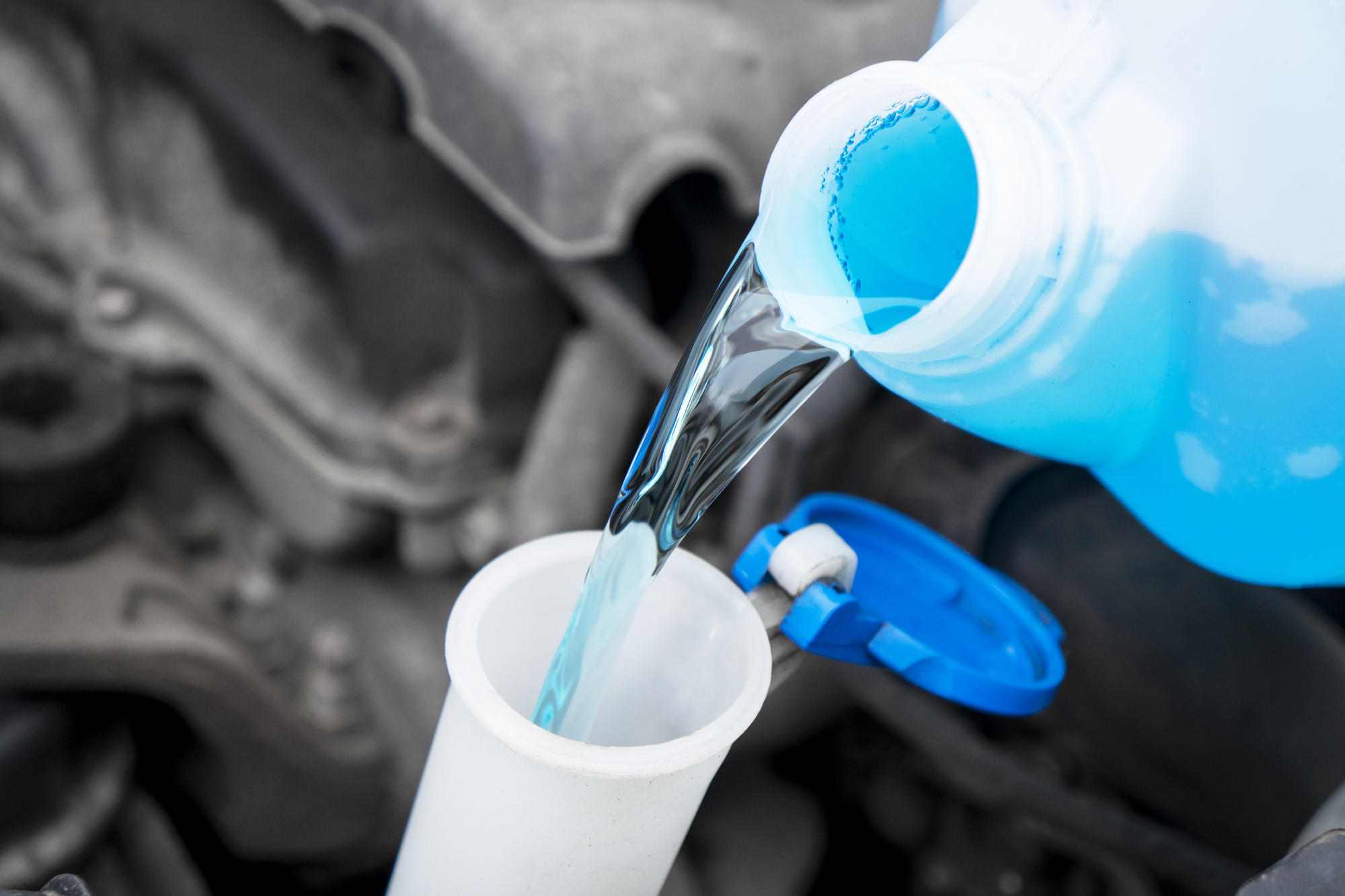
How to refill the reservoir
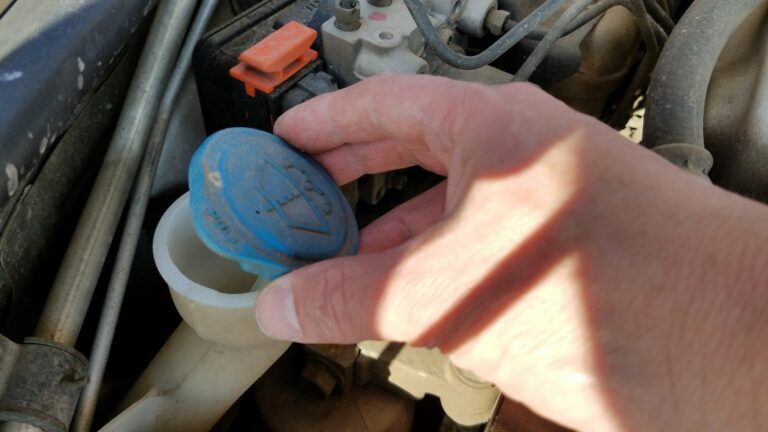
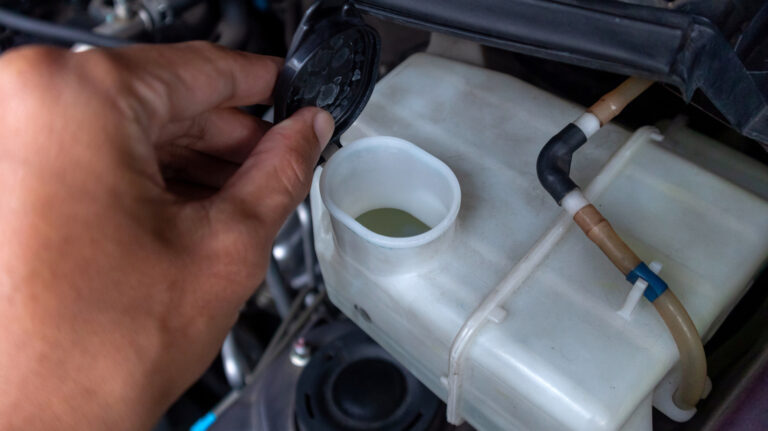
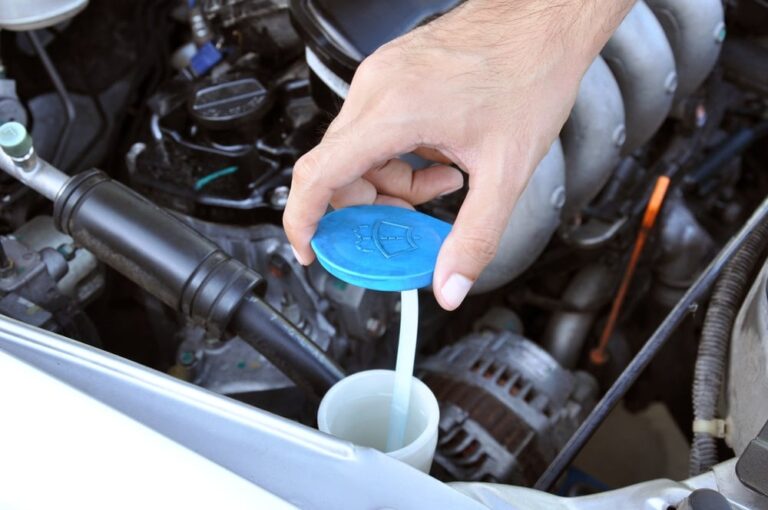
Park the vehicle safely on level ground and turn the engine off. Let hot parts cool before opening the hood, then identify the washer-fluid reservoir by checking the owner’s manual and the cap symbol.
Open the correct cap and check the fluid level if the reservoir design allows it. Add the recommended washer fluid carefully, avoiding spills and overfilling. Close the cap securely.
Follow the manual’s instructions for checking the washer system. If the fluid does not spray, the pump makes an unusual noise, or a leak appears, stop and arrange an inspection rather than repeatedly operating the system.
Common Mistakes to Avoid When Cleaning a Windshield
A clear windshield depends on the cleaning method as well as the product. Even a suitable cleaner can leave streaks or cause problems if it is used on the wrong surface or applied carelessly.
Do not assume that a product safe for household windows is safe for every automotive surface. Car glass may have tint films, water-repellent treatments, or other coatings, and the windshield sits close to rubber seals, paint, and plastic trim.
Avoid harsh scrubbing with dirty cloths, which can drag grit over the glass. Never spray a cleaner where it could enter the washer reservoir, and do not drive until the windshield provides a clear view.
Source: itsoverflowing.com
Do not pour vinegar into the reservoir
Vehicle manufacturers may specifically warn against vinegar and water because of possible pump damage.
Do not let cleaners dry on the glass
Follow the cleaner’s instructions and remove residue before it dries, where directed.
Do not ignore special coatings
Check the care guidance for aftermarket tint films and water-repellent treatments.
Do not use dirty towels
Clean microfiber cloths help reduce streaks and lower the chance of scratching from trapped grit.
Do not mix household chemicals
Unapproved mixtures can create compatibility problems and may damage the vehicle.
What if your windshield still looks cloudy?
First, determine whether the haze is on the outside or inside of the glass. Clean the appropriate surface with a compatible automotive glass cleaner and a fresh microfiber cloth. Avoid judging the result while the glass is wet, since water can temporarily hide streaks.
If the haze remains, possible causes include cleaner residue, oily film, mineral deposits, worn wiper blades, or glass damage. Inspect the blades for wear and replace them if needed, following the vehicle’s maintenance guidance.
If marks remain after proper cleaning or interfere with your view, seek help from an automotive glass professional. Do not keep adding stronger household chemicals in an attempt to remove permanent damage.
Frequently Asked Questions
Q
Can I mix vinegar with water to make windshield washer fluid?
You should not use a vinegar and water mixture in the windshield washer reservoir. Some vehicle manufacturers, including Honda, specifically warn that this mixture can damage the washer pump. Use automotive washer fluid that follows your owner’s manual instead.
Q
Will vinegar damage my car windshield?
Vinegar does not automatically damage plain automotive glass, and a diluted solution may help remove some mineral deposits when used carefully by hand. However, it can affect nearby paint, rubber, plastic, or special coatings. Check the surface manufacturer’s instructions, test cautiously where appropriate, and rinse the glass and surrounding areas well.
Q
Can vinegar remove hard-water spots from a windshield?
A diluted white vinegar solution may help loosen some mineral deposits on suitable, untreated exterior glass. It will not remove every mark, and it is not a reliable treatment for etched glass or scratches. Use an automotive glass cleaner first and seek professional help if deposits remain and affect visibility.
Q
Can I use vinegar as windshield washer fluid in winter?
No. Vinegar and water do not provide dependable, labeled freeze protection for the washer system. Frozen fluid can stop the spray system from working and may damage components. Use automotive washer fluid with a freeze rating suited to the temperatures you expect.
Q
What can I use if I run out of windshield washer fluid?
Check your owner’s manual before using a temporary substitute. Some vehicles permit plain water in warm weather, but water has limited cleaning ability and no dependable freeze protection. Avoid vinegar, engine coolant, dish soap, and household glass cleaners in the reservoir unless the vehicle manufacturer specifically approves the product.
Q
What should I do if I already filled the reservoir with vinegar?
Avoid using the washer system until you have checked the vehicle manufacturer’s guidance. Do not add other household chemicals to neutralize the vinegar, and do not assume that adding water makes the mixture safe. Contact a qualified mechanic or vehicle service department for advice on the appropriate removal and refill procedure.
Q
Is distilled water safer than tap water for windshield washer fluid?
Distilled water contains fewer dissolved minerals than ordinary tap water, which can help limit mineral deposits. However, it does not provide the cleaning performance or freeze protection of a suitable automotive washer fluid. Use water only when your vehicle’s instructions allow it and the weather conditions make it appropriate.
✦ Wrapping Up
Conclusion
Can you use vinegar as windshield washer fluid? The practical answer is no. Vinegar may help with certain mineral spots when applied by hand to suitable exterior glass, but it is not designed for the vehicle’s washer reservoir. Some manufacturer manuals explicitly warn that a vinegar and water mixture can damage the washer pump.
For routine driving, use commercial windshield washer fluid suited to your vehicle and climate. Check the product’s temperature rating before winter, follow the label, and avoid adding household chemicals to the system. If vinegar is already in the reservoir, consult your owner’s manual or a qualified mechanic before using the washers again.
A clear windshield is more than a matter of appearance. It helps you see road signs, other vehicles, pedestrians, and hazards. Choosing the right fluid is a simple maintenance step that can help protect the washer system and keep your view clear when you need it most.
💡 Key Takeaway
Keep vinegar out of the windshield washer reservoir. Check your owner’s manual, use a suitable automotive washer fluid, and select a formula with enough freeze protection for your local weather.
Learn how to check windshield washer fluid in a Tesla, recognize low-fluid symptoms, inspect the reservoir, and refill it safely with compatible washer fluid.
Learn how to refill windshield washer fluid in a Honda Accord, locate the reservoir, choose the right fluid, avoid common mistakes, and troubleshoot spray problems.