Yes, a cracked windshield can sometimes be repaired, but the right choice depends on the crack’s length, depth, location, and effect on visibility. Large, deep, spreading, or edge cracks often require windshield replacement.
Across the United States, a cracked windshield is a common problem after a rock flies off a truck, road debris strikes the glass, or a sudden temperature change puts stress on an existing chip. The damage may look small at first, yet a short crack can grow as you drive over bumps or use the defroster. Acting early can help you avoid more damage and an unexpected repair bill.
The main question is not simply whether a crack can be filled. It is whether the repair can restore a suitable level of strength and visibility for safe driving. A trained auto glass technician checks the crack’s size, location, depth, and pattern before deciding whether resin repair is suitable or the entire windshield needs replacement.
There is no single crack-length rule that works for every car and every type of damage. Repair limits vary by the glass condition, the repair method, the vehicle maker’s guidance, and the technician’s assessment. State inspection rules can also differ. This guide explains how to assess the problem, what a repair can achieve, when replacement is the better option, and how to handle insurance and cost questions in the United States.
What Determines Whether a Cracked Windshield Can Be Repaired?
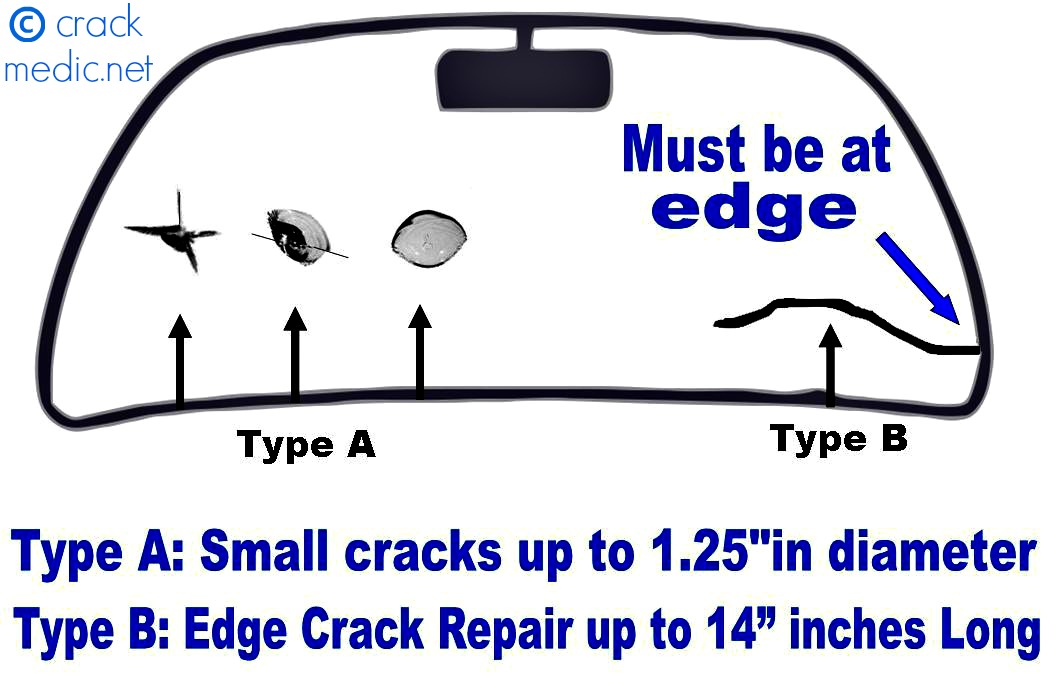
Four main factors determine whether a cracked windshield can be repaired: size, location, depth, and damage pattern. A technician must consider them together rather than judging the crack by length alone. A short crack in a sensitive area can be a greater concern than a longer, shallow crack in a less critical area.
Most modern windshields use laminated safety glass. This construction usually has two layers of glass bonded to a plastic inner layer. When a stone strikes the windshield, it may damage the outer glass, the inner glass, or both. A typical resin repair works best when the damage is suitable for filling and the surrounding glass remains sound.
Repair resin can bond parts of the damaged area and reduce the appearance of a crack. However, it cannot make every damaged windshield equivalent to new glass. The technician must decide whether the remaining structure is suitable for continued use.
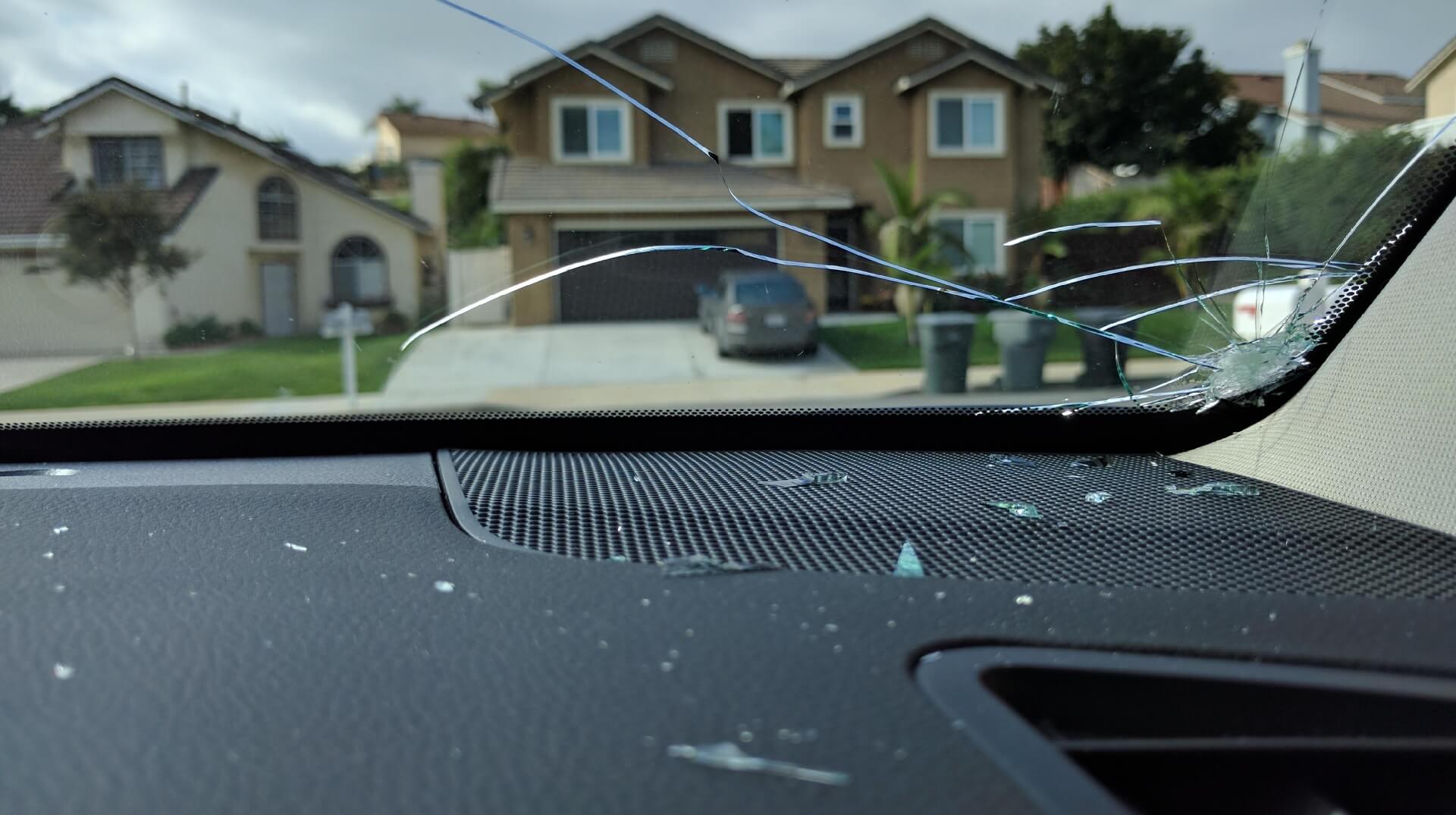
Source: crackmedic.net
Crack length
Short cracks are often better candidates for repair than long ones. Some repair systems can handle certain longer cracks, but the permitted length depends on the damage and the repair method.
Crack location
Damage near the glass edge or directly in the driver’s primary viewing area may make replacement the safer choice.
Damage depth
Damage limited to one glass layer may be repairable. Damage that reaches both layers or compromises the laminate needs careful professional assessment.
Crack pattern
A simple short crack may be easier to repair than a branching crack with several legs or multiple damaged areas.
Which Types of Windshield Cracks May Be Repairable?
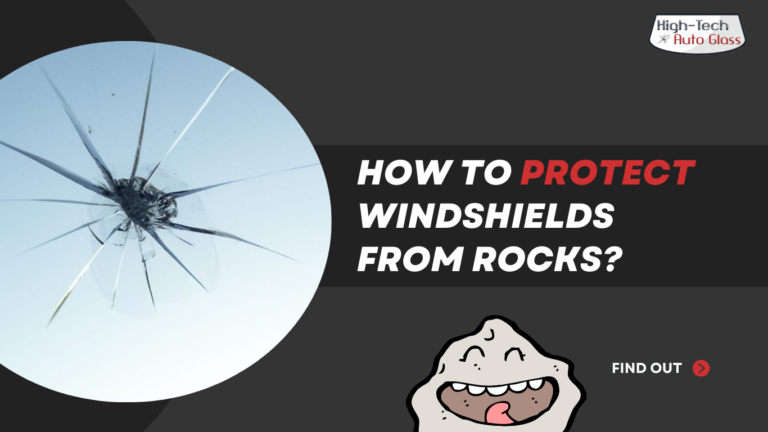
A short line crack may be repairable if it remains stable, does not reach the edge, and meets the technician’s repair criteria. A small bull’s-eye or star-shaped impact may also qualify, depending on its size and the number of damaged points. Even a crack that looks simple from outside can have hidden branches inside the glass.
A combination break contains more than one damage pattern, such as a central impact point with lines extending outward. These breaks may be harder to repair because resin must reach the damaged spaces without leaving unacceptable distortion. The technician will inspect the whole area before recommending a solution.
Short line crack
May qualify when the crack is shallow, stable, and within the repair system’s limits.
Small star break
May be repairable when the branches are limited and the impact has not damaged a critical area.
Bull’s-eye chip
Often a repair candidate when the impact is small and the surrounding glass remains intact.
When Should a Cracked Windshield Be Replaced?
Windshield replacement is usually the better choice when damage threatens the driver’s view, extends to a vulnerable edge, affects both glass layers, or covers a large area. Replacement is also often recommended when several cracks or impact points make a dependable repair unlikely. The goal is to protect visibility and the windshield’s role in the vehicle’s safety system.
A windshield does more than keep rain and wind out of the cabin. It helps maintain the passenger compartment’s structure in certain crashes and can support proper passenger airbag deployment. Serious damage or an unsuitable repair may affect these functions. For that reason, appearance alone is not a sound basis for deciding whether to repair or replace the glass.
A technician may recommend replacement even when a crack looks small. For example, a short crack that begins at the edge can spread because the edge is a stress point. Similarly, a repair in the driver’s direct line of sight may leave a visual mark that interferes with clear vision. In these cases, replacement may be the more suitable option.
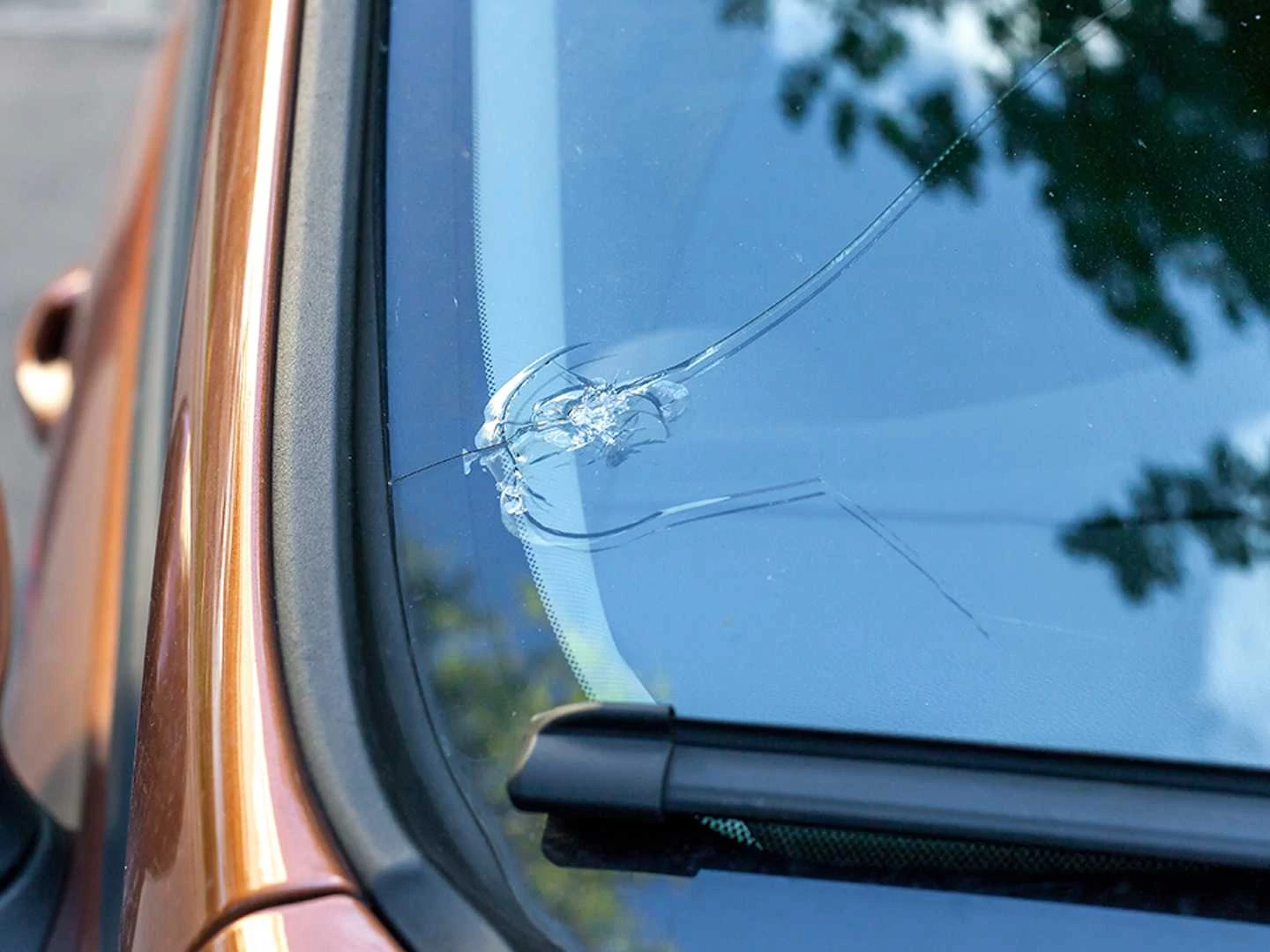
Source: hitchesguide.com
A crack reaches the windshield edge
Edge damage can spread and may affect the glass’s ability to remain secure. Arrange a professional assessment promptly.
The driver’s view is affected
Cracks or repairs that create glare, distortion, or blocked sightlines can make driving unsafe.
The inner glass layer is damaged
Damage to both layers can compromise the windshield’s construction and often points toward replacement.
The damage is extensive
Long branching cracks, multiple impact points, or a badly shattered area may exceed safe repair limits.
The glass is loose or unstable
Movement, serious separation, or damage near the bonded edge calls for professional attention rather than a resin-only fix.
Can a Long Windshield Crack Be Repaired?
Sometimes, but a long windshield crack is less likely to qualify for repair than a small chip or short crack. Certain repair methods can address some longer cracks, yet the result depends on the crack’s pattern, location, depth, and condition. A long crack that branches, reaches the edge, or crosses the driver’s viewing area is a stronger reason to consider replacement.
Do not rely on a single maximum length found online. Different service providers may use different limits, and a crack’s shape can matter as much as its length. Ask the technician to explain the specific reason for recommending repair or replacement.
A repair may be possible
The crack is stable, meets the repair system’s limits, and does not create an unacceptable visibility or safety concern.
Replacement is more likely
The crack is long, branching, close to the edge, or positioned where a repair could interfere with vision.
Windshield Repair vs. Replacement: Key Differences
Windshield repair is best for suitable, limited damage, while replacement is used when the existing glass cannot be relied on to provide acceptable visibility and structural performance. Repair normally preserves the original windshield and takes less time. Replacement involves removing the damaged glass, preparing the frame, fitting suitable new glass, and allowing the bonding adhesive to reach its required safe-drive condition.
Neither option is automatically right for every cracked windshield. Repair is often less expensive, but the lowest initial price should not outweigh safety. Replacement costs more and takes longer, yet it may be necessary to restore the vehicle’s required glass condition.
The following comparison can help you understand the decision. It is a general guide, not a substitute for a technician’s inspection or your vehicle manufacturer’s instructions.
Source: drivinglife.net
Repair
Usually suits limited damage that can be filled without leaving an unacceptable safety or visibility problem. It is often quicker and less expensive.
Replacement
Suits extensive, deep, edge-related, or vision-obstructing damage. It restores the glass by installing a replacement windshield but requires correct bonding and curing.
Appearance
Repair often reduces the visible mark but may leave a faint blemish. Replacement removes the damaged glass, although the final result still depends on the quality of installation.
Vehicle technology
Replacement may require recalibration of cameras or other driver-assistance sensors, depending on the vehicle’s equipment and service instructions.
How Much Does Windshield Crack Repair Cost in the United States?
The cost depends on the type of damage, the repair method, local labor rates, and the vehicle. A small chip generally costs less to repair than a long crack, while a windshield replacement can cost substantially more. Vehicles with special glass, heating elements, acoustic features, or driver-assistance equipment may have higher replacement costs.
There is no single national price that applies to all vehicles and locations. Ask for a written estimate that separates the glass, labor, calibration, and any required materials. Before approving the work, compare the estimate with your insurance benefits and deductible.
Repair estimate
Ask whether the quoted price covers all damaged areas, materials, labor, and any applicable warranty.
Replacement estimate
Check whether the quote includes the correct glass type, moldings, installation labor, and required camera or sensor calibration.
Insurance payment
Confirm the deductible, coverage limits, approved service requirements, and any effect on your out-of-pocket cost.
How Does Professional Windshield Crack Repair Work?
Professional windshield crack repair usually involves cleaning the damaged area, applying a specialized resin, drawing the resin into suitable gaps, and curing it according to the product instructions. The technician then removes excess resin and finishes the surface. The exact process varies with the damage pattern and the repair system.
Resin helps bond the damaged area and may reduce the crack’s visibility. It can also help limit further spreading when the damage is suitable for repair. However, the procedure cannot guarantee that every crack will disappear or that every damaged windshield will regain its original condition.
A professional assessment should come before any repair attempt. If the technician finds extensive damage, poor visibility, or a risk to structural performance, replacing the windshield may be more appropriate than filling the crack.
Source: hitchesguide.com
What Happens During a Typical Repair?
First, the technician inspects the windshield from both sides where practical. This helps reveal the impact point, branching lines, depth, contamination, and possible damage to the inner layer. The technician then determines whether the repair system can handle the damage.
If the crack qualifies, the technician prepares the area and uses suitable equipment to introduce resin. The resin is cured as directed, and the surface is finished. The technician then checks the repaired area for visible defects and confirms whether the result meets the service criteria.
Inspection
The technician identifies the crack type, measures the damaged area, and checks its location and depth.
Preparation
Loose debris and surface contamination are addressed so the repair material can reach the damaged area.
Resin application
Suitable resin is introduced into the crack or impact damage using the repair system’s method.
Curing and finishing
The material is cured and the surface is finished according to the product instructions.
Final assessment
The technician checks the result and advises whether the windshield remains suitable for use.
How Can You Tell Whether the Repair Worked?
A successful repair should leave the damaged area stable and improve its appearance where possible. The crack may still be visible, so a perfectly clear result should not be expected. The technician should explain any remaining mark and whether the repair meets the intended criteria.
If the crack continues to grow, a new branch appears, or the repair creates a visual problem, contact the service provider. Do not assume that adding more resin at home will solve the issue. The windshield may need another assessment or full replacement.
Expected result
The repair area is stable and any remaining mark does not create an unacceptable visibility concern.
Warning sign
The crack spreads, new lines appear, or the damaged area still interferes with clear vision.
Can You Repair a Cracked Windshield Yourself?
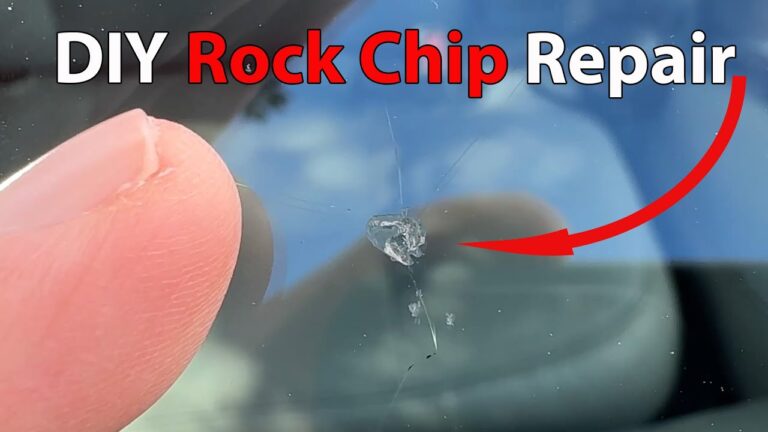
A do-it-yourself windshield repair kit may help with certain small chips or limited cracks, but it is not suitable for every type of damage. These kits generally include resin and tools intended for a defined repair area. The instructions and limits vary by product, so a kit should never be treated as a universal fix.
The main risk is choosing a repair that cannot adequately address the damage. A crack near the edge, a long branching line, damage in the driver’s primary viewing area, or a break that reaches the inner glass layer may need professional attention. An unsuitable repair can waste money and delay the replacement that the vehicle actually needs.
For a minor impact that clearly falls within the kit’s stated limits, follow the manufacturer’s instructions exactly and do not use the vehicle if the damage makes driving unsafe. If the damage is spreading or you are unsure about its depth or location, arrange an inspection instead of experimenting with the glass.
Source: accelera-radial.com
Common DIY Windshield Repair Mistakes
Many repair problems begin before the resin is applied. Dirt, moisture, or an unsuitable temperature can interfere with the process. Pressing on the glass, using unapproved household glue, or attempting to force a crack closed can also make the situation worse.
A home repair does not remove the need for professional judgment when the damage is extensive or affects visibility. If the kit cannot fill the damaged area as intended, stop and seek advice rather than repeating the process with more material.
Waiting too long
Dirt and moisture can enter the damaged area, and the crack may spread before it is assessed.
Using household glue
Ordinary glue is not a substitute for automotive glass repair resin and may make later work harder.
Ignoring kit limits
A product designed for a small chip may not be suitable for a long crack or edge damage.
Expecting invisible results
Even a proper repair may leave a visible mark, and appearance alone does not prove the windshield is safe.
What Should You Do Immediately After Your Windshield Cracks?
After noticing a crack, protect the glass from extra stress and arrange an assessment as soon as practical. A crack can grow when the vehicle moves over rough roads or the glass experiences a sharp temperature change. You cannot always stop that growth, but careful handling may reduce avoidable stress while you arrange service.
First, check whether the damage blocks your view or appears to affect the windshield’s stability. If it does, do not drive the vehicle until you have obtained appropriate safety advice. If the crack is small and outside the driver’s view, contact an auto glass professional promptly to determine whether the car can be driven safely to an inspection.
Avoid pouring hot water on cold glass or directing a sudden blast of hot air at the damaged area. Do not press on the crack, slam doors, or drive over rough surfaces when an alternative is available. These steps cannot repair the glass, but they may help avoid adding unnecessary stress before the technician sees it.
Source: windshieldexperts.com
A Safe Short-Term Plan
The first goal is to keep the driver and passengers safe, not to make the crack look better. Do not place tape or other materials where they block your view or interfere with wipers or sensors. Never treat a temporary measure as proof that a damaged windshield is safe.
Take a clear photo from a safe position, note when the damage appeared, and contact a repair provider. A photo can help with an initial discussion, but it may not show the full depth of the damage. The final decision should be based on an appropriate inspection.
Check visibility
If the crack obstructs the driver’s view or creates serious distortion, avoid driving until the problem has been assessed.
Limit temperature shocks
Use gradual temperature changes and avoid sudden heating or cooling of the damaged glass.
Avoid unnecessary stress
Handle doors gently and avoid rough routes when doing so is safe and practical.
Arrange an inspection
Share photos and vehicle details with a qualified auto glass provider, then follow the provider’s safety advice.
Insurance, State Rules, and Modern Vehicle Safety Systems
In the United States, insurance coverage for windshield repair or replacement depends on your policy, the cause of the damage, the deductible, and applicable state rules. Comprehensive auto coverage may pay for eligible glass damage, but benefits are not identical across insurers or states. Contact your insurer before approving the work so you understand what is covered and which service options are permitted.
Some policies may cover an eligible repair with little or no out-of-pocket cost, while replacement may be subject to a deductible. Do not assume that a free repair benefit also applies to replacement. Ask whether you can select your own glass shop, whether the glass must meet particular specifications, and whether calibration costs are included.
State laws and inspection rules can also affect what damage is permitted on a vehicle in use. The exact requirements differ by state, and a rule that applies in one state may not apply in another. Check the relevant state motor vehicle agency or inspection authority when legal compliance is a concern.
Source: hitchesguide.com
Why ADAS Calibration May Be Needed After Replacement
Many newer vehicles use advanced driver-assistance systems, often called ADAS. These systems may rely on cameras or sensors mounted near the windshield to support features such as lane departure warnings, lane keeping assistance, and automatic emergency braking. If replacement changes the position or viewing angle of a camera, the vehicle may require calibration.
Calibration requirements depend on the vehicle make, model, equipment, and manufacturer’s service procedures. A proper estimate should state whether calibration is required and who will perform it. Ask for confirmation that all required procedures and system checks have been completed before the vehicle returns to normal use.
Before service
Tell the provider the exact vehicle year, make, model, and any windshield-mounted camera or sensor features.
During the estimate
Ask whether static calibration, dynamic calibration, or another manufacturer-specified procedure is required.
After service
Request confirmation that required calibration and checks are complete, and report any warning lights or system faults.
How to Choose an Auto Glass Provider
Choose a provider that explains why the damage qualifies for repair or requires replacement. A reliable service should discuss the limits of the proposed work, use suitable materials, and follow the vehicle manufacturer’s requirements. Be cautious if a provider promises that every crack can be repaired or guarantees that a repair will be completely invisible.
For replacement, ask about technician training, installation procedures, glass specifications, adhesive curing time, and any required ADAS calibration. Industry credentials can be useful when checking a provider, but you should also ask about the actual process planned for your vehicle.
Clear assessment
The provider explains the damage, the proposed work, and the reason for the recommendation.
Written estimate
The estimate lists the work, materials, labor, calibration if needed, and any warranty terms.
Correct installation
The provider follows the vehicle maker’s instructions and explains when the vehicle can safely be driven after replacement.
Frequently Asked Questions
Q
Can a cracked windshield be repaired without replacing it?
Yes, some cracked windshields can be repaired without replacement. The damage must fall within the repair system’s limits and must not create an unacceptable visibility or structural safety concern. A technician will assess the crack’s size, location, depth, and pattern before recommending a repair.
Q
How long can I drive with a cracked windshield?
There is no safe time limit that applies to every crack. A small crack outside the driver’s view may remain stable for a while, but another can spread quickly. If the damage blocks your view, affects the glass’s stability, or raises a serious safety concern, do not drive until you receive appropriate advice.
Q
Will windshield repair make the crack disappear completely?
Usually, you should not expect the damage to disappear completely. Resin can improve the appearance and help stabilize suitable damage, but a faint line or mark may remain. The result depends on the original damage, contamination, repair method, and the condition of the glass.
Q
Is it cheaper to repair or replace a cracked windshield?
Repair is generally less expensive than replacement when the damage qualifies. Replacement costs vary with the vehicle, glass type, labor, and any required camera or sensor calibration. Ask for a written estimate and check your insurance policy before choosing.
Q
Does car insurance cover a cracked windshield?
Coverage depends on your policy, deductible, state rules, and the circumstances of the damage. Comprehensive coverage may pay for eligible repair or replacement, and some policies offer special glass benefits. Contact your insurer to confirm the terms, approved providers if applicable, and any out-of-pocket cost.
Q
Can temperature changes make a windshield crack worse?
Yes. Sudden heating or cooling can place extra stress on already damaged glass and may cause a crack to spread. Avoid pouring hot water on cold glass or directing intense heat at the damaged area. Arrange an inspection rather than relying on temperature control to prevent further damage.
Q
Should I replace a windshield crack that is in the driver’s line of sight?
Replacement is often the safer option when a crack or repair mark interferes with the driver’s view. Resin repairs can leave some distortion or a visible blemish. The technician should assess the exact location and applicable state requirements before deciding whether repair is suitable.
✦ Wrapping Up
Conclusion
A cracked windshield can sometimes be repaired, but the answer depends on the damage and the vehicle. Small, shallow cracks and chips may qualify for resin repair, while extensive cracks, edge damage, deep breaks, and damage that affects the driver’s view often call for replacement. The right choice protects clear vision and helps preserve the windshield’s safety role.
Do not judge the damage by appearance alone or rely on a universal crack-length rule. A qualified auto glass technician can assess the location, depth, pattern, and repair limits. If replacement is needed, make sure the provider follows the vehicle manufacturer’s installation instructions and completes any required ADAS calibration.
For drivers in the United States, insurance terms and state rules are also worth checking before authorizing work. Comparing a clear written estimate with your coverage can help you understand the cost without putting safety second.
💡 Key Takeaway
Photograph the crack, avoid sudden temperature changes, and contact a qualified auto glass provider. Ask whether repair is suitable, whether the damage affects visibility or structural safety, what the full cost will be, and whether insurance or ADAS calibration requirements apply. If the crack obstructs your view or the glass appears unstable, do not drive until you receive appropriate safety advice.
Learn how to fold a round windshield sun shade correctly without bending the frame. Follow these simple steps, avoid common mistakes, and store it neatly.