The clearest signs of a bad windshield washer pump are no fluid spray, no pump sound when you activate the washer, weak or uneven spray, and a pump that leaks or works only sometimes. However, a blown fuse, clogged nozzle, empty reservoir, frozen fluid, or damaged hose can cause similar symptoms. Check these items before replacing the pump.
Across the United States, drivers rely on windshield washer systems to clear road salt, dust, pollen, bug residue, and grime from the glass. A working washer system is especially useful during winter in the Northeast, dusty drives in the Southwest, and wet trips on busy highways. When the washer stops spraying, it can become harder to see the road. The cause may be a failed pump, but other parts can produce the same problem.
Learning how to tell if a windshield washer pump is bad starts with a few simple checks. Listen for the motor, check the washer fluid level, look for leaks, and inspect the fuse and spray nozzles. These checks can help you find the fault without buying parts you may not need.
A washer pump is a small electric motor that draws fluid from the reservoir and sends it through hoses to the spray nozzles. If the motor fails, the fluid may not move at all. If the motor runs but the nozzles remain dry, the fault may lie elsewhere in the system. This guide explains how to tell the difference and when to seek professional help.
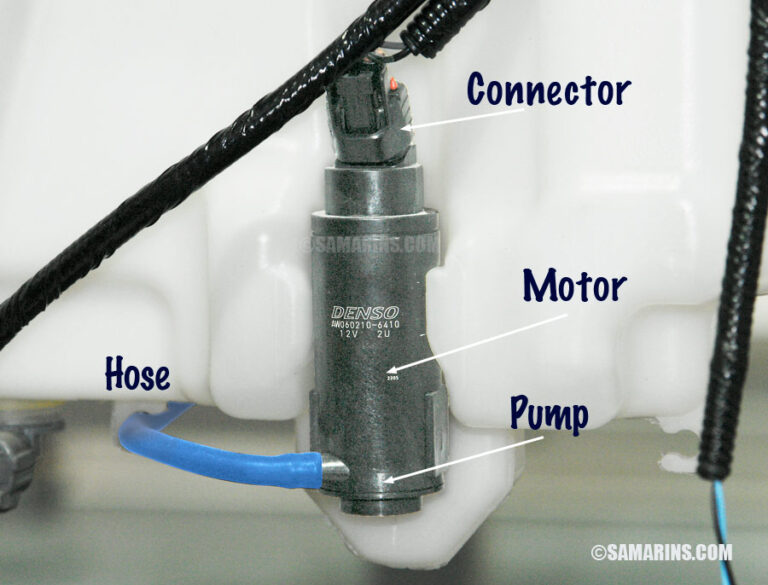
A windshield washer pump moves cleaning fluid from the reservoir to the spray nozzles. When you pull or press the washer control, the vehicle sends an electrical signal to the pump. The pump motor then turns an internal impeller or pumping element to move fluid through the hoses.
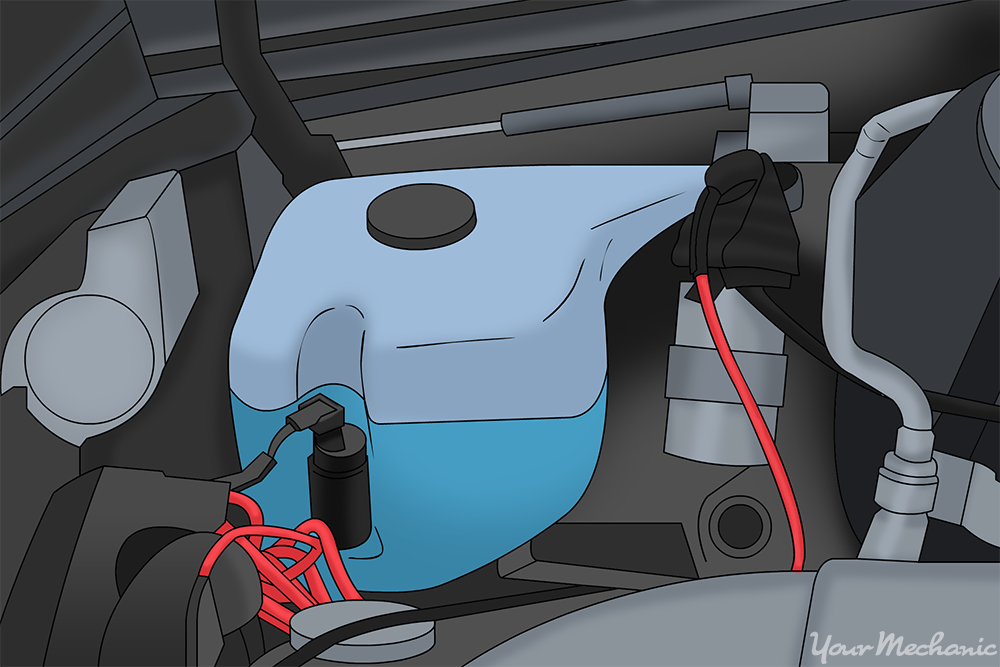
The reservoir is often located in the engine bay, behind a fender liner, or near the front bumper. Its exact location depends on the vehicle. The pump is usually fitted low on the reservoir so it can draw fluid from the bottom.
Some vehicles have separate pumps for the front and rear glass. Others use one pump with a change in motor direction or a valve to send fluid to the selected washer circuit. This design affects how you should test the system.
Source: www.pinterest.com
Washer reservoir
Stores the washer fluid and supplies it to the pump.
Electric washer pump
Creates the flow needed to move fluid through the washer hoses.
Hoses and connectors
Carry fluid from the pump to the spray nozzles.
Spray nozzles
Direct washer fluid onto the windshield.
Fuse, wiring, and control switch
Provide and control the electrical power needed to run the pump.
Why the Pump Can Fail
A pump can wear out over time as its motor, bearings, seals, or internal pumping parts deteriorate. Debris in the reservoir can also restrict the intake or damage the pump. Running a pump without enough fluid may contribute to overheating or premature wear, depending on its design.
Cold weather creates another risk. Fluid that freezes inside the reservoir, pump, or hoses can block flow and place strain on the system. A frozen washer system should be thawed safely before further testing.
Electrical failure
The motor, wiring, connector, fuse, relay, or control circuit may stop supplying power.
Mechanical failure
The motor may run poorly, or the internal pumping parts may no longer move fluid.
Fluid and blockage problems
Low fluid, contamination, or ice may prevent the pump from drawing or delivering fluid.
7 Common Signs of a Bad Windshield Washer Pump
The strongest diagnosis comes from a group of symptoms rather than one clue. Pay attention to whether the pump makes a sound, whether any fluid reaches the glass, and whether the problem affects the front washer, rear washer, or both.
Use the following signs to narrow the cause. None of them, on its own, proves that the pump needs replacement.
Source: askcarmechanic.com
1. No washer fluid comes out
If the reservoir is full and the nozzles remain dry, the pump may have failed. A clogged intake, disconnected hose, frozen line, blown fuse, or electrical fault can cause the same result.
2. The pump makes no sound
A silent pump may have a dead motor or may not receive power. Check the fuse and electrical supply before condemning the motor.
3. The pump runs but the spray is weak
Weak flow can result from a worn pump, restricted intake, clogged nozzles, kinked hoses, or a leak. Compare the spray from each nozzle if the vehicle has more than one.
4. The pump sounds strained or unusually loud
A change in sound can indicate low fluid, air entering the intake, a blockage, or internal wear. A brief sound change is not enough to identify the failed part.
5. Washer fluid leaks near the pump
A cracked pump body, damaged seal, loose hose, or reservoir crack can cause a leak. Inspect the exact source because replacing a sound pump will not fix a damaged reservoir or hose.
6. The washer works only sometimes
Intermittent operation may point to a worn motor, loose connector, damaged wire, failing switch, or a pump that sticks. Note whether the problem changes with temperature or vehicle movement.
7. One washer circuit fails while another works
If the rear washer works but the front does not, the shared electrical supply may be functioning. The fault could be a separate pump, a direction-control circuit, a valve, or a blocked hose, depending on the design.
Which Symptoms Most Strongly Point to Pump Failure?
A pump becomes a stronger suspect when the reservoir contains suitable liquid, the hoses are connected, the nozzles are not blocked, and the pump receives the correct electrical supply under load but still fails to operate or move fluid. A pump that leaks directly from a cracked housing also needs replacement if the housing is not serviceable.
By contrast, silence with no electrical power points toward the supply or control circuit. A humming motor with fluid appearing beneath the car points toward a leak or disconnected hose rather than a simple electrical failure.
Strong evidence
Correct power and ground are present at the pump connector, but the pump does not run.
Evidence of a fluid-path fault
The pump runs, but fluid fails to reach the nozzles or leaks from a hose or connector.
Evidence of a control fault
The pump receives no command or electrical supply when the washer control is used.
How to Tell If the Windshield Washer Pump Is Bad: Step-by-Step Checks
Start with checks that are easy and unlikely to damage the vehicle. Do not remove the pump or test its wiring until you have checked the fluid, weather, visible hoses, and fuse. A clear order helps you avoid replacing a good pump.
Park on level ground, switch off the engine when inspecting parts, and keep hands clear of moving components. If the reservoir is hard to reach or the vehicle requires removal of a wheel or underbody panel, consult the service manual or use a repair shop.
Source: carfluidpro.com
Tools you may need
A flashlight, the correct washer fluid, the owner’s manual, basic hand tools, and a digital multimeter if you are qualified to use one.
Before you start
Check the vehicle manual for the fuse location, washer circuit design, and any special precautions. Do not work near a hot engine or moving belts.
Step 1: Check the Washer Fluid Level
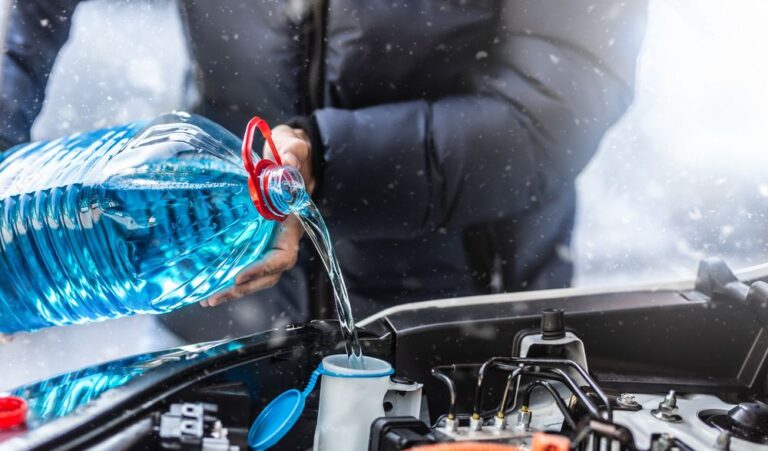
Open the hood or access the reservoir as described in the owner’s manual. Check the fluid level through the tank if it is visible. If the tank is empty, add the washer fluid recommended for your local climate and vehicle.
Do not confuse the washer reservoir with the coolant expansion tank or brake fluid reservoir. Read the cap label before adding anything. If the fluid level drops again soon after filling, look for a leak.
What success looks like
The reservoir contains enough suitable fluid, and the pump can draw from it.
If the problem remains
Move on to the sound check and inspect for leaks, blockages, or frozen fluid.
Step 2: Listen for the Pump
With the vehicle safely parked, switch the ignition to the position required by the owner’s manual. Briefly activate the washer control while another person listens near the reservoir, if this can be done safely. Do not keep the pump running for long periods when no fluid is flowing.
A quiet hum usually means the motor is receiving at least some power and turning. It does not prove that the pump creates enough pressure. No sound may mean a failed motor, blown fuse, loose connector, bad ground, or a fault in the control circuit.
You hear a hum
Inspect the fluid path, hoses, nozzles, and pump output.
You hear nothing
Check the fuse and, if appropriate, test the electrical supply at the pump.
Step 3: Inspect the Reservoir, Pump, and Hoses
Look for wet areas around the reservoir, pump seal, hose joints, and the ground beneath the vehicle. Washer fluid may run along nearby panels before it drips, so the lowest wet point is not always the source.
Inspect accessible hoses for splits, loose connections, sharp bends, or signs of damage. If the pump runs but fluid appears under the car, a disconnected or broken hose may be allowing fluid to escape before it reaches the windshield.
Fluid leaks around the pump
Check the pump seal, housing, reservoir opening, and nearby hose fittings.
Fluid leaks under the hood
Look for a split hose or loose connector between the pump and the nozzles.
No visible leak
Continue to the nozzle and electrical checks. A blockage or failed pump can still be present.
Step 4: Check the Spray Nozzles
If the pump makes a normal sound, examine the nozzles for dirt, wax, or other debris. A blocked nozzle can prevent spray even when the pump and hoses work. Clean the nozzles only by a method approved for your vehicle, since some modern nozzles are delicate or have fixed spray patterns.
If one nozzle sprays and another does not, the pump may be working. A local blockage or damaged branch hose is more likely than a complete pump failure. If all nozzles remain dry, inspect the common hose and pump output.
One nozzle fails
Inspect that nozzle and its branch hose.
All nozzles fail
Check for a common blockage, frozen fluid, hose disconnection, or pump fault.
Step 5: Inspect the Washer Pump Fuse
Use the owner’s manual or fuse-box diagram to identify the correct washer fuse. Check it using the method stated in the manual. A visibly broken fuse element indicates that the fuse has opened, but a visual check may not reveal every electrical problem.
Replace a blown fuse only with one of the specified type and rating. If the new fuse blows again, stop replacing fuses and arrange an electrical diagnosis. A short circuit or failed component may be drawing too much current.
Fuse is blown
Investigate why it failed and confirm that the replacement has the specified rating.
Fuse is intact
The pump, wiring, switch, relay, or another part of the control circuit may still be faulty.
Step 6: Test Electrical Power at the Pump
A digital multimeter can help determine whether the pump receives power when the washer control is activated. Access the connector only if the service procedure allows it and you can do so safely. Depending on the vehicle, the circuit may use switched polarity, electronic control, pulse-width modulation, or a shared pump for more than one washer circuit.
Follow the wiring diagram and the manufacturer’s test procedure. Measure voltage across the correct terminals while the washer command is active. A reading close to the expected system voltage may suggest that the supply is present, but the correct value and test method depend on the vehicle. A voltage reading with the connector unplugged may not reveal a weak connection that fails under load.
If the correct supply and ground are present under the specified test conditions but the pump does not run, the pump is a strong suspect. If power is absent or incorrect, investigate the fuse, wiring, connector, ground, switch, relay, or electronic control before replacing the pump.
Correct electrical supply, pump does not run
The pump motor or its internal connections may have failed.
No electrical supply
Trace the circuit using the correct wiring diagram.
Unstable or low voltage
Check for corrosion, damaged wires, poor grounds, or excessive resistance.
Step 7: Confirm Whether the Pump Moves Fluid
If electrical checks indicate that the pump runs but the nozzles remain dry, a qualified technician can check the pump outlet and fluid path using the service procedure for that vehicle. This helps separate a failed pumping mechanism from a blocked hose or nozzle.
Do not disconnect hoses and run the pump without a suitable catch container or protection from splashes. Keep fluid away from electrical connectors and painted surfaces where the product label warns of possible damage. Do not apply battery power directly to the pump unless the manufacturer’s procedure explicitly permits that test and specifies the correct terminals and polarity.
Fluid exits the pump outlet
The fault is likely farther downstream in a hose, connector, valve, or nozzle.
No fluid exits despite correct supply conditions
A blocked intake, frozen fluid, or failed pump mechanism may be responsible.
Bad Washer Pump vs. Other Common Problems
Several washer system faults look alike from the driver’s seat. A pump replacement is justified only when the checks point to the pump itself. Use the symptom comparison below to decide what to inspect next.
The table gives likely causes, not guaranteed diagnoses. Vehicle design, recent repairs, weather, and whether the front or rear washer fails can change the result.
Source: storage.googleapis.com
No spray and no sound
Possible causes include a failed pump motor, blown fuse, faulty wiring, poor ground, bad switch, or electronic control problem.
Pump hums but no fluid reaches the glass
Check the fluid level, frozen lines, blocked intake, disconnected hose, clogged nozzles, and pump output.
Fluid sprays weakly
Look for partial blockages, low fluid, damaged hoses, leaks, or reduced pump output.
Fluid appears below the car
Inspect the reservoir, pump seal, outlet fitting, and washer hoses for leaks.
Rear washer works but front washer does not
Depending on the system, the problem may involve a separate pump, valve, hose, nozzle, or direction-control circuit.
Washer stops working in freezing weather
Frozen fluid or ice in a hose may be the cause. Thaw the system safely before further testing.
Can a Clogged Nozzle Make a Good Pump Seem Bad?
Yes. A blocked nozzle can stop or weaken the spray even if the pump motor is healthy. If the pump sounds normal and only one nozzle fails, start with that nozzle and its hose instead of removing the pump.
Avoid pushing a hard pin deep into a nozzle unless the vehicle manufacturer recommends it. Some nozzle designs can be damaged or have their spray pattern changed by improper cleaning.
Best clue
One nozzle fails while another sprays normally.
Next action
Inspect the affected nozzle and hose, then retest the system.
Can a Blown Fuse Cause the Same Symptoms?
Yes. A blown fuse can stop the pump completely and make it appear dead. The fuse protects the circuit from excessive current, so a replacement that blows again signals a problem that needs further diagnosis.
Do not install a higher-rated fuse to keep the washer working. Doing so can allow wiring to overheat and increase the risk of damage.
Best clue
The pump is silent and the washer circuit fuse has failed.
Next action
Use the specified fuse rating and investigate repeated fuse failures.
How Cold Weather Affects Windshield Washer Pumps
Freezing temperatures can stop washer fluid from moving even when the pump is in good condition. The liquid may freeze in the reservoir, inside the pump, or along the hoses and nozzles. Ice can block flow and place extra strain on the pump.
Drivers in northern states and other areas with freezing winters should use washer fluid rated for the temperatures they are likely to face. A product that works in mild weather may not provide enough freeze protection during a severe cold snap.
If the washer stops working after a night of freezing weather, do not assume the motor has failed. Let the vehicle and washer system thaw in a safe, warm environment, then inspect the fluid and test the system again. Avoid boiling water, open flames, heat guns near plastic parts, or other methods that could damage the vehicle.
Source: YouTube > How to Automotive
Use suitable washer fluid
Choose a product with freeze protection appropriate for expected local temperatures and follow its label.
Do not keep running a blocked pump
Repeated activation while the lines are frozen may strain the motor or damage parts.
Retest after thawing
If the pump still fails once the system is fully thawed, continue with the normal electrical and fluid-flow checks.
Does Frozen Washer Fluid Mean the Pump Is Bad?
No. Frozen fluid is a separate cause of poor or absent spray. If the system works again after a safe thaw and the correct fluid is added, pump replacement may not be needed.
If the pump remains silent or cannot move fluid after thawing, inspect the fuse, electrical supply, hoses, intake, and pump. Ice can expose an existing weakness, but it does not prove that the pump has failed.
After thawing
Check for leaks, cracked plastic, damaged hoses, and normal spray operation.
When Should You Replace a Windshield Washer Pump?
Replace the washer pump when testing confirms an internal pump failure, its housing is damaged beyond repair, or it leaks from a non-serviceable part. Do not replace it solely because the windshield remains dry. A blocked nozzle, damaged hose, blown fuse, or failed electrical control can create the same symptom.
Before buying a replacement, identify the vehicle’s year, make, model, engine or trim where relevant, and washer system layout. Pumps can differ in connector shape, mounting design, outlet count, operating polarity, and compatibility with front or rear washers. A visually similar pump may not fit or work correctly.
Check whether the pump seal or grommet is sold separately and whether the reservoir has a crack. If a worn seal causes the leak, replacing only the seal may be possible on some models. Follow the service manual to avoid damaging the reservoir or electrical connector.
Source: askmyauto.com
Replace the pump when
The correct electrical supply is present but the motor will not run, the pump cannot move fluid after other causes are ruled out, or the pump body has an unserviceable leak.
Repair another part when
The pump works and fluid exits its outlet, but a hose, valve, nozzle, seal, or reservoir has failed.
Seek electrical diagnosis when
Power is missing, voltage is unstable, a fuse repeatedly blows, or the circuit uses electronic controls you cannot safely test.
What to Expect During Pump Replacement
On some vehicles, the pump is easy to reach near the top or side of the reservoir. On others, access may require removing a wheel, inner fender liner, bumper cover, or underbody panel. The amount of work varies widely by model.
A typical repair involves safely accessing the reservoir, disconnecting the electrical connector, controlling fluid loss, removing the pump and seal as directed, installing the correct replacement, and checking for leaks. The system is then refilled with suitable fluid and tested.
If access requires lifting the vehicle, use approved lifting points and rated support equipment. Never rely on a jack alone. When access or electrical testing exceeds your skill level, a qualified technician can complete the repair and confirm that the entire system works.
Confirm fit before installation
Match the replacement to the exact vehicle and washer system.
Inspect the old seal and connector
Look for damage, corrosion, or contamination that may affect the new part.
Test after installation
Check the front and rear washer functions where fitted, verify normal spray, and look for leaks.
Common Mistakes to Avoid When Testing a Washer Pump
A few avoidable mistakes can lead to a wrong diagnosis or damage. Keep the tests brief, follow the vehicle’s service information, and separate electrical problems from fluid-flow problems.
The goal is to find the failed part, not to force the system to work at any cost. Stop if you find damaged wiring, a recurring fuse failure, leaking fluid near electrical components, or a component that requires unsafe access.
Source: YourMechanic
Replacing the pump without checking the fuse
A simple electrical fault can leave a new pump just as silent as the old one.
Running the pump repeatedly with an empty reservoir
This may strain the motor and will not solve the lack of fluid.
Ignoring frozen fluid
Ice can block the entire system and imitate pump failure.
Using the wrong fuse rating
A fuse with too high a rating can leave the circuit inadequately protected.
Applying battery power without a wiring procedure
Incorrect terminals or polarity can damage the pump or vehicle electronics.
Assuming a motor sound proves good pressure
A running motor can still have a damaged pumping element or a blocked fluid path.
Working under an unsupported vehicle
Use the correct lifting and support equipment or have a shop handle the repair.
When Professional Diagnosis Is the Better Option
A mechanic is the better choice when the pump is difficult to access, the vehicle has a complex electronic control circuit, or a fuse keeps blowing. Professional testing can help separate a failed pump from a wiring or control-module fault.
You should also seek help if the reservoir or surrounding parts are damaged, if the pump connector is corroded, or if the repair requires work near safety systems or components that need special removal procedures.
Stop and get help
Do so when you cannot safely identify the correct fuse, connector terminals, lifting points, or service procedure.
Frequently Asked Questions
Q
How do I know if my windshield washer pump is bad or the fuse is blown?
Start by checking the correct fuse using the owner’s manual. If the fuse has failed, replace it only with the specified type and rating, then test the washer briefly. If the fuse blows again, stop and investigate the circuit. If the fuse is intact, check whether the pump receives the correct electrical supply when activated. A pump that has proper power and ground but does not run is a stronger candidate for replacement.
Q
Why can I hear the washer pump but no fluid comes out?
A humming sound usually means the motor is turning, but it does not confirm that fluid is moving. The reservoir may be empty, the fluid may be frozen, the intake may be blocked, or a hose may be disconnected. Clogged nozzles and a worn pumping mechanism are also possible. Check the fluid level and visible hoses first, then inspect the nozzles and pump output using the vehicle’s service procedure.
Q
Can I drive with a bad windshield washer pump?
The vehicle may still run, but driving without working washers can make it harder to maintain a clear view when the windshield becomes dirty. Avoid driving in conditions where you cannot keep the glass clear. Repair the washer system before using the vehicle in situations where road grime, salt, mud, or spray could quickly block your view. Follow applicable state requirements for safe vehicle operation.
Q
How much does it cost to replace a windshield washer pump?
The total cost depends on the vehicle, pump design, part availability, labor rates, and access to the reservoir. Some pumps are easy to reach, while others require removal of a wheel liner or other panels. Ask for a quote that separates the pump, any seal or grommet, labor, and diagnosis. Confirm the cause before paying for a replacement, because a fuse, hose, or nozzle repair may cost less.
Q
Will a bad windshield washer pump make the wipers stop working?
Usually, a failed washer pump affects fluid delivery rather than the wiper motor itself. The wipers may still move even when the washer does not spray. However, some vehicles share electrical controls or have integrated systems, so a broader electrical fault can affect more than one function. If both the washers and wipers fail, consult the wiring diagram or have the control circuit checked.
Q
Can I test a windshield washer pump with a multimeter?
Yes, a multimeter can help check the electrical supply at the pump connector. Use the correct wiring diagram and the manufacturer’s procedure, since circuit designs vary. Check the specified terminals while the washer command is active and interpret the reading according to the test conditions. If the correct power and ground are present but the pump will not run, the pump may be faulty. If the reading is absent or unstable, inspect the circuit before replacing parts.
Q
How long does a windshield washer pump usually last?
There is no single service life that applies to every washer pump. Durability depends on the vehicle design, use, fluid condition, exposure to freezing temperatures, and the condition of the reservoir and hoses. Replace the pump based on confirmed failure rather than an assumed age or mileage interval, unless the vehicle manufacturer specifies a maintenance requirement.
✦ Wrapping Up
Conclusion
The best way to tell if a windshield washer pump is bad is to check its symptoms and then test the system in a safe, logical order. Start with the fluid level and weather, listen for the pump, inspect hoses and nozzles, and check the fuse. If needed, test the electrical supply using the correct service procedure.
A silent pump may have an electrical problem, while a humming pump with no spray may have a blockage, leak, frozen line, or internal fault. The clearest evidence of pump failure is a pump that cannot operate or move fluid despite the correct supply conditions and an unobstructed fluid path. If the diagnosis remains uncertain, a qualified technician can help prevent unnecessary parts replacement.
💡 Key Takeaway
Before buying a new pump, confirm the reservoir is filled with suitable fluid, inspect the hoses and nozzles, check the correct fuse, and verify the pump’s electrical supply when safe to do so. Replace the pump only when the evidence points to pump failure.