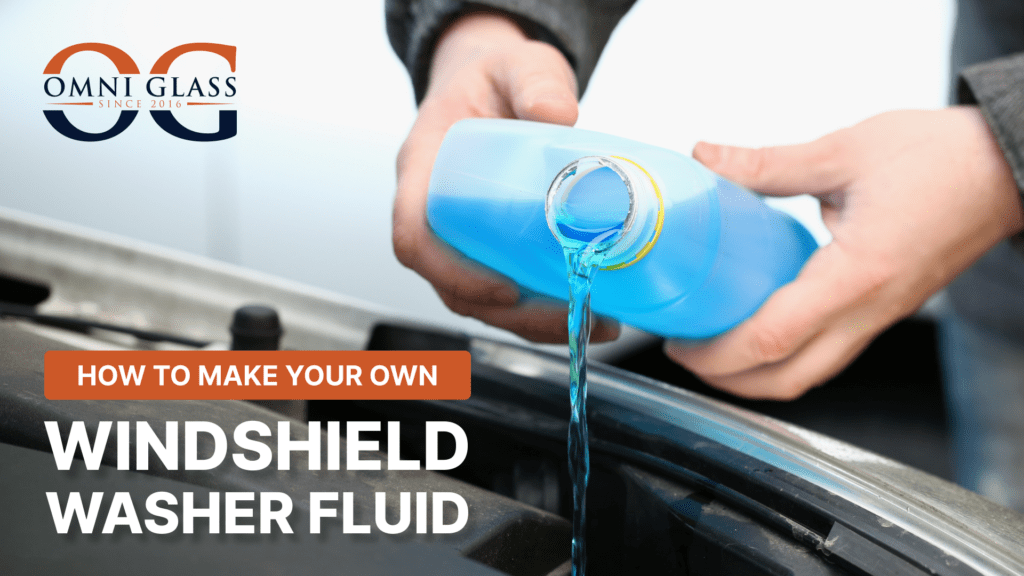
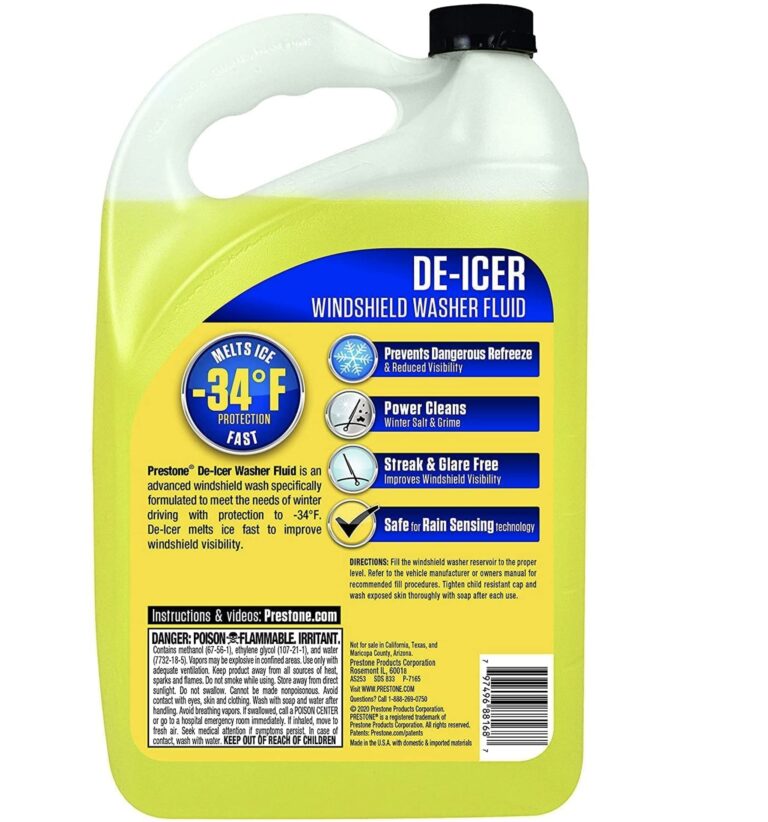
No. You should not use dish soap as windshield washer fluid. It can create excess foam, leave a film on the glass, reduce visibility, and cause problems in the washer system. Use automotive windshield washer fluid instead.
Across the United States, drivers rely on windshield washer fluid to keep their view clear during rain, dusty trips, summer road travel, and winter storms. When the reservoir runs low, dish soap may seem like a cheap and easy fix. It cuts grease on plates and glasses, so it may seem like a good choice for a car windshield, too.
The problem is that a windshield washer system needs more than a cleaning agent. It needs a liquid that sprays well, clears dirt without leaving a film, works with the pump and hoses, and suits the weather. Dish soap is made for hand washing and thorough rinsing, not for use inside a vehicle’s washer system.
Vehicle makers provide specific guidance on suitable washer fluids. Mazda warns against using soapy water in the reservoir because it may cause paint discoloration or pump damage. Honda recommends commercially available washer fluid in its owner’s manuals. These instructions support a simple rule: keep household dish soap out of the washer tank.
If you have already added dish soap, do not panic. A small amount does not automatically mean the pump or reservoir is damaged. The right next step depends on how much soap you added, whether the system has been used, and whether the fluid has started to foam or leave streaks.
Why You Should Not Use Dish Soap for Windshield Washer Fluid
Dish soap is designed to loosen grease and food from dishes. It is usually rinsed away with plenty of running water. A car’s windshield washer system works differently: it sprays a limited amount of liquid onto the glass, and the wipers spread and remove that liquid.
This difference matters because a product that cleans dishes well may not leave automotive glass clear. The washer fluid must work with the pump, hoses, spray nozzles, wiper blades, vehicle paint, and changing outdoor temperatures. Household dish soap is not formulated or approved for all these jobs.
The most immediate concern is visibility. Even if the soap removes some dirt, it may leave a hazy layer or streaks behind. At night, that film can scatter light from streetlights and oncoming headlights, making it harder to see clearly.
The long-term effect depends on the soap, its concentration, the vehicle, and how often it is used. There is no universal safe amount of dish soap for every washer system. The best choice is to use fluid intended for the task.
Source: beavermaids.com
Excess foam
Many dish soaps are made to produce suds. Foam can interfere with consistent spraying and may leave the glass harder to clear.
Streaks and residue
Soap may not rinse away fully with the small amount of fluid sprayed by the washer system. Residue can remain on the glass and wiper blades.
No dependable freeze protection
Dish soap mixed with water is not a winter washer fluid. The mixture may freeze in the reservoir, hoses, pump, or spray nozzles.
Uncertain material compatibility
Household detergents vary in ingredients and concentration. Their suitability for repeated contact with vehicle paint, seals, hoses, and pump parts has not been established for every vehicle.
Does Dish Soap Damage the Windshield Washer Pump?
Dish soap can contribute to washer-system problems, but damage is not guaranteed every time a small amount enters the reservoir. The risk depends on the formulation, concentration, exposure, and design of the system.
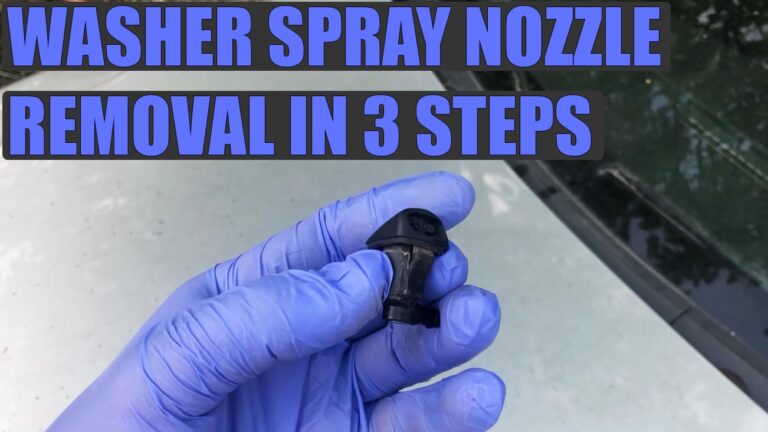
Foam or detergent residue may interfere with the spray pattern or contribute to clogged nozzles. A thick or highly concentrated mixture may also be unsuitable for a pump designed to move automotive washer fluid. Freezing creates a separate risk because expanding ice can damage system components.
If the pump stops working, makes an unusual noise, or the nozzles stop spraying after soap was added, stop operating the system. Have the fluid checked and the system cleaned or repaired if needed rather than repeatedly running the pump.
Warning sign
The pump runs, but little or no fluid reaches the windshield.
Possible explanation
The reservoir may be empty, the mixture may have frozen, a nozzle may be blocked, or the pump may have a fault. The symptom alone does not prove that soap caused the problem.
What Happens If You Put Dish Soap in the Washer Reservoir?
The effects can range from poor cleaning to problems that need attention. A small splash of soap mixed into a nearly full tank may behave differently from a reservoir filled with a concentrated soap mixture. Neither situation makes dish soap a recommended washer fluid.
You may first notice bubbles, uneven spray, or a cloudy film on the windshield. The wipers may spread the residue across the glass instead of clearing it. If this happens while driving, the reduced visibility can become a safety issue, especially in rain or at night.
Soap residue may also remain inside the reservoir, lines, and nozzles after the first tank is emptied. Simply topping up with automotive washer fluid does not guarantee that all detergent has been removed. The amount of flushing needed depends on the concentration and the vehicle’s system.
In cold weather, a soap-and-water mixture may freeze because it does not contain a suitable amount of freeze-protection ingredients. Freezing can prevent spraying and may damage the pump, hoses, reservoir, or nozzles. Do not assume that a mixture is winter-safe because it contains soap.
Source: budget101.com
Cloudy glass
Stop using the washers if the windshield becomes hazy. Pull over somewhere safe and clean the glass with a suitable automotive glass cleaner before continuing.
Persistent foam
Avoid repeated spraying in an attempt to clear the foam. Have the reservoir and system checked, especially if the mixture is highly concentrated.
No spray in freezing weather
Do not keep activating a system that may be frozen. Allow safe thawing conditions and seek service if spraying does not return.
Unusual pump noise
Stop operating the pump and have the cause checked. Running a pump without proper fluid flow can make an existing problem worse.
Can Dish Soap Ruin Your Car’s Paint?
A single accidental splash of diluted dish soap does not automatically ruin automotive paint. The concern is that household detergents differ from automotive products and may affect wax, protective coatings, or the finish when used in unsuitable concentrations or left on surfaces.
Washer fluid can run from the windshield onto the hood and nearby trim. If the mixture contains strong detergent or leaves residue, clean the affected exterior surfaces with water and a car-wash product that is suitable for the finish. Do not let concentrated household cleaner dry on the paint.
If you notice lasting discoloration, dull patches, or other changes after an accidental spill, consult a qualified automotive detailing professional. The result depends on the product, the finish, and the length of contact.
For a fresh spill
Rinse the affected exterior area with plenty of clean water, provided it is safe to do so.
For recurring residue
Stop using the mixture and switch to the vehicle manufacturer’s recommended washer fluid.
Can You Use a Small Amount of Dish Soap in Windshield Washer Fluid?
It is best not to add even a small amount of dish soap to the washer reservoir. There is no single dose that can be recommended for all vehicles and all dish soap formulas. A low concentration may reduce some problems, but it does not make the mixture a tested automotive product.
Online homemade washer fluid recipes sometimes include dish soap because it is inexpensive and easy to find. However, a recipe shared online does not establish that the mixture is safe for a particular pump, paint finish, seal, or nozzle. It also does not establish that the liquid will clean without streaks under real driving conditions.
Dish soap may be suitable for certain manual cleaning tasks when the product label and vehicle care instructions permit it. Cleaning a removable surface by hand is different from filling a closed washer system that stores and pumps the liquid repeatedly.
If you want to improve windshield cleaning, choose an automotive washer fluid designed for the dirt and weather you face. Bug-removal formulas may help with insect residue, while winter formulas are made to provide specified freeze protection when used according to their labels.
Source: itsoverflowing.com
Avoid guessing the dose
Do not rely on a few drops, a teaspoon, or another informal measurement as a universal safe mixture.
Check the owner’s manual
Follow the vehicle maker’s instructions for fluid type, filling, and cold-weather use.
Use a purpose-made product
Select a washer fluid labeled for automotive use and appropriate for the expected temperature range.
Is Dish Soap Better Than Plain Water?
Dish soap may help break down grease during hand washing, but that does not mean it works better than plain water inside a windshield washer system. The system needs a liquid that sprays consistently and leaves a clear view after the wipers pass.
Plain water is generally a simpler temporary option in warm weather when the owner’s manual permits it. It avoids adding household detergent, but it offers limited cleaning performance against some road grime and does not provide dependable freeze protection.
Water can also leave mineral deposits if it is hard. Some manufacturers caution against prolonged use of hard water because mineral buildup may affect the washer system. For regular use, automotive washer fluid remains the preferred option.
Warm weather
Plain water may serve as a short-term fallback if allowed by the owner’s manual and freezing is not a concern.
Cold weather
Use washer fluid with freeze protection suitable for the expected temperatures.
What Should You Use Instead of Dish Soap?
The best substitute depends on the weather and what your vehicle’s owner’s manual allows. For routine use, choose commercially available windshield washer fluid intended for automotive washer systems. Read the label and use a product with the right temperature rating for your area.
Drivers in the United States face very different conditions. A vehicle in a warm Southern state may rarely encounter freezing temperatures, while one driven through the Midwest or Northeast may face ice, snow, and severe cold. The correct fluid must match the conditions where the car will be driven, not just the weather on the day it is filled.
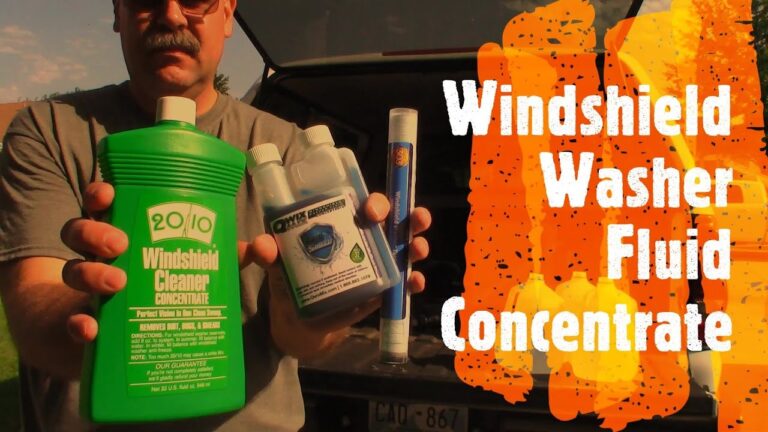
Do not assume that all washer fluids have the same temperature rating. Some are intended for warmer conditions, while others offer protection against lower temperatures. Concentrates also require the exact dilution specified on the label. Adding too much water can weaken their freeze protection.
Avoid mixing unrelated cleaners into automotive washer fluid. Household glass cleaner, dish detergent, vinegar mixtures, engine coolant, and radiator antifreeze are not interchangeable with windshield washer fluid. Follow the vehicle maker’s instructions rather than experimenting with chemicals.
Source: i.pinimg.com
Regular automotive washer fluid
A practical choice for routine cleaning when its label and temperature rating match the vehicle’s needs.
Winter-rated washer fluid
Use a product that provides adequate freeze protection for the lowest expected temperatures.
Automotive bug-removal fluid
Consider a product designed for insect residue during warm-weather driving, while following the label and vehicle instructions.
Plain water for temporary use
Use only when permitted by the owner’s manual and when freezing is not a concern. Replace it with suitable washer fluid as soon as practical.
How to Choose the Right Washer Fluid
Start with the owner’s manual. It may identify a recommended fluid, warn against certain additives, or specify temperature requirements. If the manual and product label differ from general advice, follow the instructions that apply to your vehicle and product.
Next, check the temperature rating on the container. A fluid designed for mild conditions may not protect the system during a hard freeze. Do not judge freeze protection by color, smell, thickness, or the presence of soap.
Finally, use the product as directed. If it is a concentrate, follow the stated mixing ratio. If it is ready to use, do not dilute it unless the label says that dilution is permitted.
Check compatibility
Confirm that the product is intended for automotive windshield washer systems.
Check temperature protection
Match the stated protection to the conditions you may encounter.
Follow filling instructions
Use the correct reservoir and avoid overfilling or spilling the fluid.
How to Remove Dish Soap From the Windshield Washer Reservoir
If dish soap is already in your reservoir, stop adding it and avoid using the washer system until the mixture has been addressed. The right cleanup method depends on how much soap entered the tank and whether the system has already pumped the mixture through its lines.
For a small accidental addition, a repair shop may be able to drain and rinse the reservoir, then refill it with suitable washer fluid. If the reservoir contains a concentrated soap mixture or the pump and nozzles have already been used, a more thorough flush may be needed.
Do not use engine coolant, bleach, solvents, vinegar, or other household chemicals to neutralize the soap. Mixing cleaners can create additional compatibility or safety concerns. Use only a cleaning method appropriate for the vehicle’s washer system.
If you are unsure how to reach the reservoir safely, ask a qualified mechanic. Some tanks are difficult to access, and disassembly can damage clips, hoses, or surrounding components. Professional help is especially sensible when the system has stopped spraying or when freezing temperatures are expected.
Source: practicalmechanic.com
Step 1: Stop using the mixture
Do not keep spraying to empty the tank. This can spread detergent through the system and may worsen foaming or visibility problems.
Step 2: Check the owner’s manual
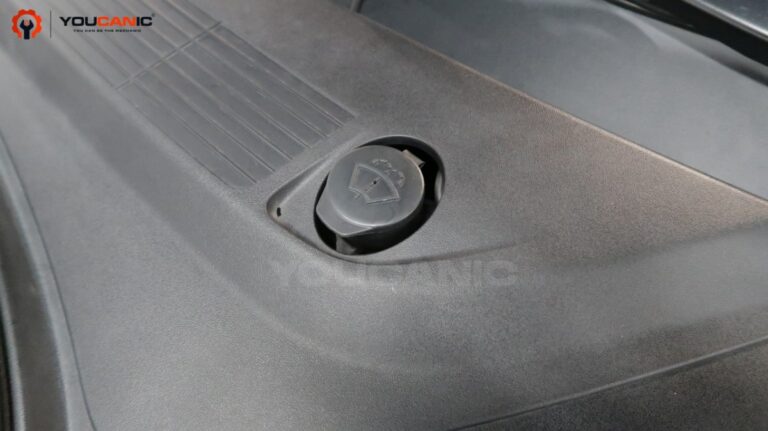
Find the washer reservoir location and any specific instructions for filling or servicing the system.
Step 3: Arrange draining and rinsing
Have the reservoir emptied and rinsed as needed. The method should suit the vehicle and the amount of soap present.
Step 4: Refill with the correct fluid
Use automotive washer fluid suitable for the expected weather and follow the product instructions.
Step 5: Check the spray
Once the system has been properly cleaned and refilled, verify that the nozzles spray evenly and the windshield clears without residue.
What If the Washer Fluid Has Already Been Sprayed?
If the mixture has reached the windshield, stop somewhere safe before cleaning it. Do not continue driving if the glass is hazy or streaked and your view is impaired. Clean the outside of the windshield with a suitable automotive glass cleaner and a clean cloth, following the product label.
The reservoir may still contain detergent even after some fluid has been sprayed. Have the system checked and flushed if needed before returning to normal use. Cleaning the glass alone does not remove residue from the tank, pump, or lines.
If the pump makes unusual noises, the spray is weak, or the system fails after the cleanup, seek professional service. A blockage, electrical fault, frozen liquid, or pump problem may need separate diagnosis.
Prioritize visibility
Pull over safely if the windshield becomes difficult to see through. Do not attempt to clean the glass while driving.
Do not force the pump
If no fluid sprays, stop operating the system until the cause is checked.
Frequently Asked Questions
Q
Can you use Dawn dish soap for windshield washer fluid?
No. Dawn and other household dish soaps are not designed for use in a vehicle’s windshield washer reservoir. They may create foam, leave residue, and reduce visibility. Use automotive washer fluid that meets your vehicle’s requirements.
Q
Will a few drops of dish soap damage my car?
A few drops do not automatically mean that damage has occurred. However, there is no universal safe amount for every vehicle or soap formula. Stop using the mixture, check your owner’s manual, and arrange to have the reservoir rinsed if needed.
Q
Can I mix dish soap with regular windshield washer fluid?
It is not recommended. Adding dish soap can change how the fluid foams, rinses, and behaves on glass. It may also introduce ingredients that have not been tested for your vehicle’s washer system. Use the washer fluid as supplied or diluted only as its label directs.
Q
Can I use dish soap to clean my windshield by hand?
Cleaning glass by hand is different from putting detergent into the washer reservoir. For exterior car glass, use an automotive glass cleaner or a cleaning method permitted by your vehicle’s care instructions. If you use any soap-based product, rinse it thoroughly and avoid leaving residue on the glass, paint, or trim.
Q
Is plain water safer than dish soap for the washer reservoir?
Plain water avoids adding household detergent and may be permitted as a temporary option in warm weather. It does not offer the cleaning performance or freeze protection of suitable automotive washer fluid. Check your owner’s manual, and never rely on plain water when the system may freeze.
Q
Can dish soap freeze inside the windshield washer system?
Yes. A mixture of dish soap and water does not provide reliable freeze protection. It may freeze in the reservoir, hoses, pump, or nozzles during cold weather. Use washer fluid with a temperature rating appropriate for the conditions you expect.
Q
How do I know if dish soap has clogged the washer nozzles?
Weak spray, uneven spray, or no spray may indicate a problem, but these symptoms can also result from an empty reservoir, frozen fluid, a damaged hose, or a faulty pump. Stop using the system if it behaves abnormally and have the cause checked rather than probing the nozzles with a sharp object.
Q
Can I use household glass cleaner instead of washer fluid?
Do not assume that household glass cleaner is suitable for a washer reservoir. Products made for hand cleaning may not be formulated for the vehicle’s pump, hoses, seals, paint, or outdoor temperature range. Save such products for approved manual cleaning tasks and use automotive washer fluid in the reservoir.
✦ Wrapping Up
Conclusion
So, can you use dish soap for windshield washer fluid? The answer is no. Although dish soap can remove grease from dishes and may seem useful for dirty glass, it is not designed for a vehicle’s washer system. Foam, residue, streaks, uncertain material compatibility, and a lack of reliable freeze protection make it a poor substitute.
The safest routine choice is automotive windshield washer fluid that matches your vehicle’s requirements and the weather where you drive. Plain water may be acceptable as a short-term fallback in warm conditions if the owner’s manual allows it, but household detergent should stay out of the reservoir.
If you have already added dish soap, stop using the washer system and arrange to have the reservoir and lines checked and rinsed as needed. If the windshield becomes hazy, pull over safely and restore a clear view before continuing. If the pump fails or the nozzles stop spraying, seek professional help.
💡 Key Takeaway
Check your owner’s manual, select automotive windshield washer fluid with suitable temperature protection, and keep dish soap and other household cleaners out of the reservoir.