Putting engine antifreeze in windshield washer fluid can leave a film on the windshield, reduce visibility, damage paint or trim, and harm parts of the washer system. Do not use the washer system until the wrong fluid has been removed and the system has been cleaned.
In the United States, drivers often keep engine coolant and windshield washer fluid under the hood for routine car care. The containers and filler caps can look similar, especially when you are in a hurry to prepare for a cold morning. However, these fluids have different jobs and are not interchangeable.
Engine antifreeze, also called engine coolant, helps control engine temperature and protects the cooling system from freezing and corrosion. Windshield washer fluid is made to clean glass and, in cold-weather formulas, resist freezing inside the washer system. Putting engine coolant into the washer reservoir can create a road safety problem if the mixture sprays onto the windshield.
If you have already added antifreeze to the washer fluid reservoir, do not panic. The best response depends on how much entered the tank, whether the washer pump has been used, and whether the liquid has reached the windshield. Stop using the system, avoid driving if your view is impaired, and arrange safe removal and cleaning before using it again.
What Happens If You Put Antifreeze in Windshield Washer Fluid?
Putting engine antifreeze into windshield washer fluid can contaminate the reservoir and the fluid that feeds the spray nozzles. The most urgent risk occurs when the contaminated mixture reaches the windshield. It can leave a cloudy, greasy, or streaky film that makes it harder to see other vehicles, road signs, pedestrians, and lane markings.
Vehicle manufacturers warn against this mistake. Hyundai, Kia, General Motors, Mazda, and Ford owner information all caution drivers against using engine coolant in the washer reservoir because it can impair visibility or damage vehicle surfaces and components. The exact effects depend on the coolant formula, the amount added, and whether the washer system has been operated.
The mistake does not automatically mean that the entire vehicle is damaged. If you added coolant but did not run the washer pump, the contamination may be limited to the reservoir. If you used the washers, some of the mixture may have moved through the pump, hoses, and nozzles. A technician can assess how much cleaning is needed.
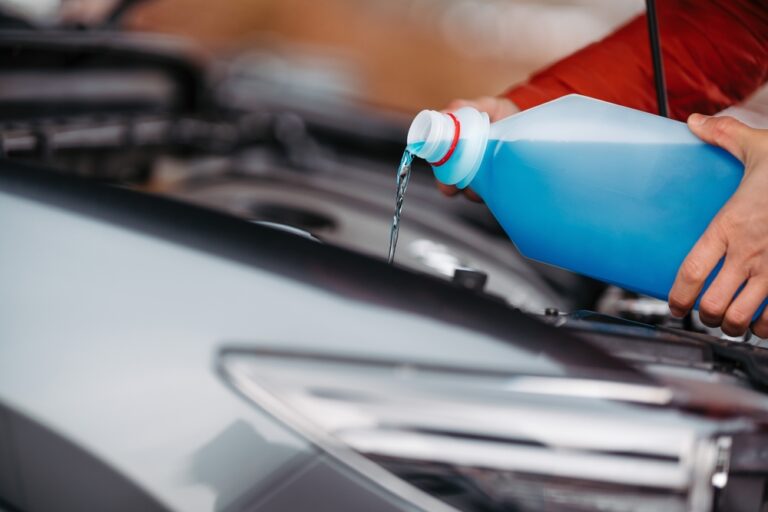
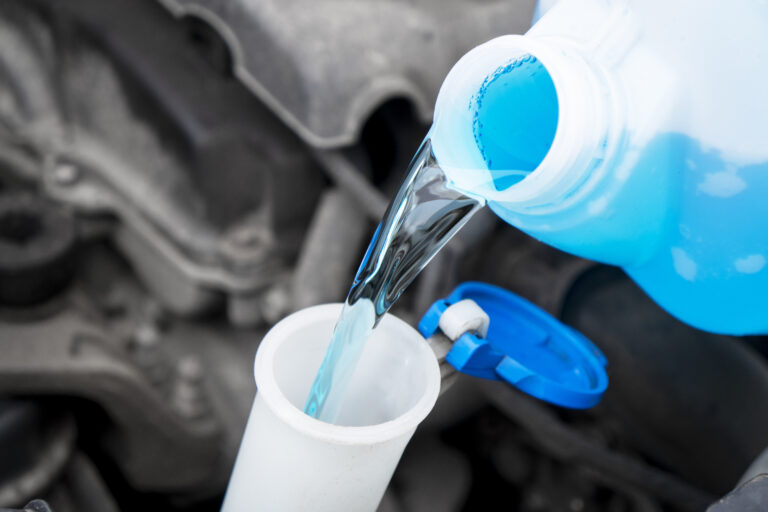
Source: vehiclechef.com
Reduced windshield visibility
Coolant can spread across the glass and create a film that ordinary wiper action may smear rather than remove. This can make driving unsafe.
Possible paint or trim damage
Some coolant formulas may affect paint, coatings, or exterior trim, especially after prolonged contact. The risk varies by product and surface.
Washer system contamination
The reservoir, pump, hoses, and spray nozzles may retain contaminated liquid. These parts may need draining and flushing.
Potential repair costs
A simple reservoir cleaning may be enough when the pump has not been used. More extensive cleaning or replacement may be needed if parts are damaged or the contamination cannot be removed.
Does Antifreeze Immediately Damage the Washer System?
Not necessarily. Adding coolant does not prove that the pump, reservoir, or hoses have failed. However, these parts are designed for specified washer fluids, not engine coolant, so the mixture should be removed rather than left in the system.
The safest response is to avoid testing the spray to see whether it works. Running the pump may spread the coolant farther through the system and onto the windshield. A qualified technician can determine whether draining and flushing will solve the problem or whether any component needs replacement.
If the pump was not used
Tell the technician that the contamination may be confined to the reservoir. This can help guide the inspection.
If the pump was used
Explain that coolant may have entered the hoses and nozzles. Ask for the full washer circuit to be checked and cleaned as needed.
Why Engine Antifreeze and Windshield Washer Fluid Are Different
Engine antifreeze and windshield washer fluid serve different systems. Engine coolant circulates through the engine and cooling system to transfer heat, help control freezing and boiling, and protect compatible metals and seals. Windshield washer fluid is intended to loosen dirt, road film, and other deposits from glass.
Engine coolant commonly contains ethylene glycol or propylene glycol, water, and a package of corrosion inhibitors and other additives. The exact formula varies. Windshield washer fluid often contains water, cleaning agents, and alcohols or other ingredients that help it clean glass and resist freezing. Its composition also varies by brand and temperature rating.
These differences matter because a product suitable for one system may be unsuitable for another. Coolant is not designed to provide the glass-cleaning performance required of washer fluid. Nor is it formulated as a substitute for the materials and operating conditions of a windshield washer circuit.
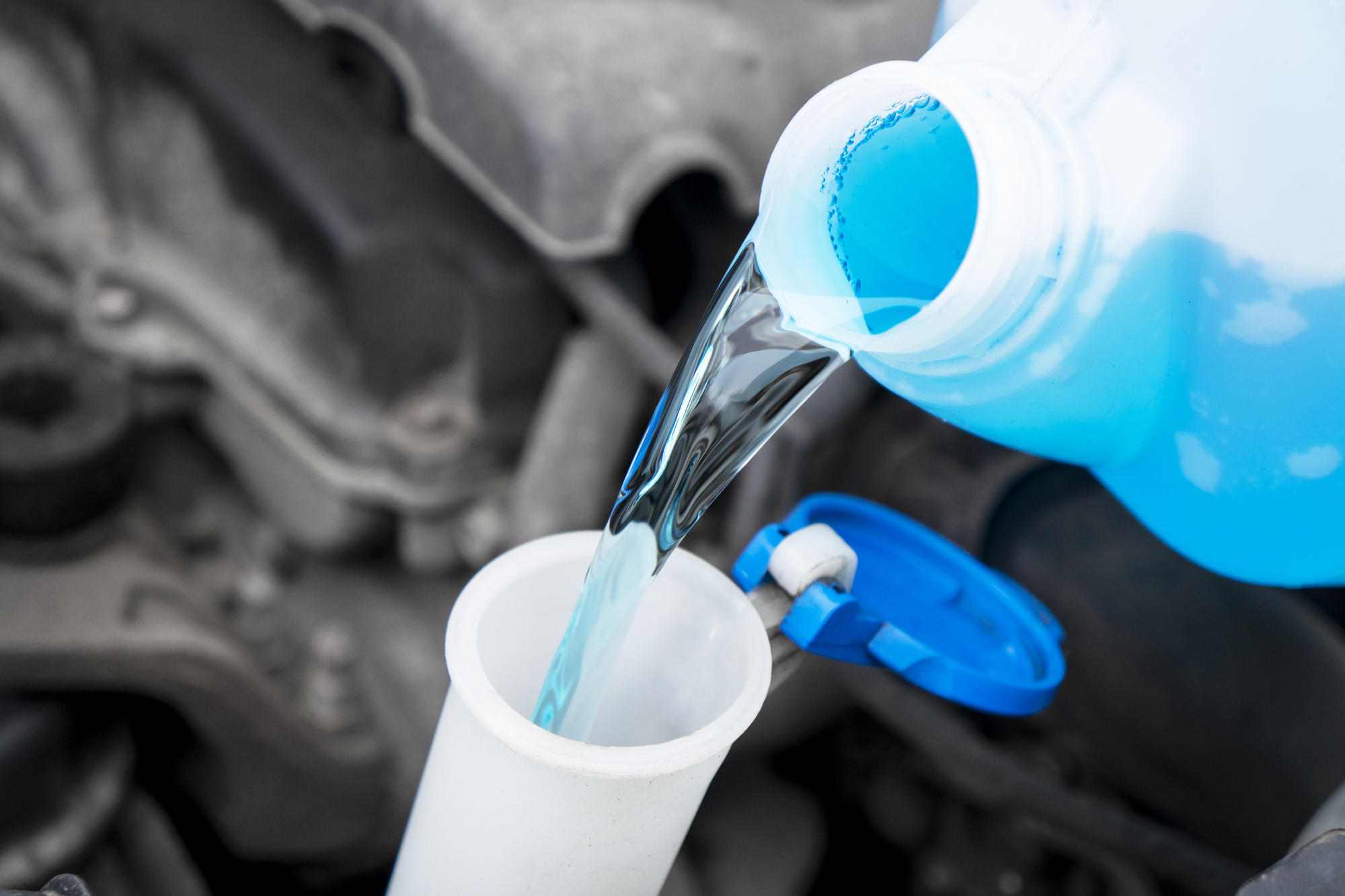
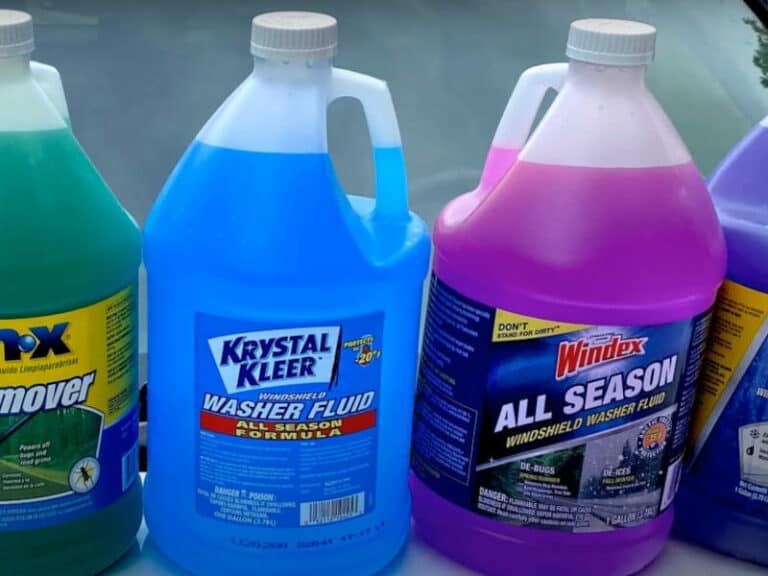
Source: metroautoglass.com.au
Engine antifreeze
Made for the engine cooling system. It helps regulate temperature and protect compatible cooling system components.
Windshield washer fluid
Made to clean automotive glass and, when formulated for winter, help prevent freezing in the reservoir, hoses, and nozzles.
Winter washer fluid
Uses a formulation designed for a stated temperature range. It is not the same as engine coolant, even if both products resist freezing.
Why Coolant Can Make Glass Harder to See Through
A windshield needs to remain clear, especially when sunlight, headlights, rain, or road spray affect visibility. Coolant is not designed to leave glass in the same clean condition as a suitable washer product. When sprayed onto the windshield, the liquid may form streaks or a film that wipers spread across a wider area.
The outcome varies with the coolant formula and the condition of the glass. A clear-looking windshield before the washer is used does not mean the system is safe to operate. If coolant has reached the glass, clean it thoroughly with an automotive glass cleaner that is suitable for the surface and confirm that no film remains.
Do not rely on wipers alone
Wipers can spread contaminated fluid over the glass. Stop using the washer system until it has been cleaned.
Check the whole field of view
Look for haze, streaks, and glare across the driver’s full viewing area before driving.
What to Do If You Accidentally Add Antifreeze to the Washer Reservoir
If you put engine antifreeze into the windshield washer reservoir, stop using the washer system. Do not add more washer fluid in an attempt to dilute the coolant, and do not activate the pump just to check whether the nozzles still spray. Adding more liquid does not reliably remove the contamination and may spread it through the system.
If the vehicle is parked, leave it parked until you have a safe plan to remove the wrong fluid. If you are already on the road and the windshield becomes smeared, pull over somewhere safe as soon as you can. Do not continue driving with impaired visibility.
The most appropriate repair depends on how much coolant entered the tank and whether the pump was used. A repair shop can drain the reservoir, flush affected parts with a suitable method, and refill the system with the correct washer fluid. Follow the vehicle manufacturer’s instructions for the exact model.
Source: blog.droom.in
Step 1: Stop using the washer system
Do not spray the contaminated mixture onto the windshield. Keep the washer controls off until the system has been cleaned.
Step 2: Identify the product
Keep the coolant container or take a photo of its label. The product name and formulation can help the technician choose a suitable cleaning method.
Step 3: Explain what happened
Tell the technician approximately how much was added and whether the washer pump was operated. Do not guess if you are unsure.
Step 4: Arrange removal and cleaning
Ask for the reservoir and any affected hoses, pump, and nozzles to be checked and cleaned as needed. Use a professional if access is difficult or the system’s design is unfamiliar.
Step 5: Refill with the correct fluid
Use washer fluid that meets the vehicle manufacturer’s requirements and suits the expected temperatures. Follow the label directions.
What If You Added Only a Small Amount?
A small amount of coolant may create less contamination than a full reservoir, but there is no universal safe amount for every vehicle or coolant product. Even a small quantity can be sprayed onto the windshield, where visibility matters more than the amount originally added.
Do not assume that filling the tank with washer fluid will make the mixture safe. The correct action is to remove the contaminated fluid and clean the affected parts. Tell the technician the best estimate of the amount added so the repair can be planned properly.
Small spill into the reservoir
Keep the pump off and arrange removal before the fluid is used.
A large amount or an unknown quantity
Request a full assessment of the washer system rather than trying to judge the mixture by its color.
What If You Already Sprayed Antifreeze on the Windshield?
Stop using the contaminated washer system and clean the windshield before driving again. If the glass has a persistent film, use an appropriate automotive glass cleaner and clean microfiber cloths, following the product directions. Check the wiper blades as well, because they may have picked up residue.
If the film will not come off, visibility remains poor, or the glass becomes smeared again, do not drive the vehicle until the problem has been resolved. Arrange professional cleaning or roadside help if needed. A contaminated windshield is a safety issue, not just a cosmetic problem.
Clean safely
Park in a safe location and use a glass cleaner intended for automotive use. Avoid spraying cleaners into electrical parts or onto surfaces the product label excludes.
Inspect the wiper blades
Residue on the rubber may spread back across the glass. Clean the blades as directed by the vehicle or product manufacturer, and replace them if they remain contaminated or perform poorly.
Can Antifreeze Damage Car Paint or Exterior Trim?
Yes, engine coolant can damage some vehicle finishes or trim, although the degree of risk depends on the product, surface, concentration, and time before cleanup. Some vehicle manuals specifically warn that engine coolant in the washer reservoir can damage paint. This is one reason not to treat the mistake as harmless.
If coolant spills onto the bodywork, follow the coolant label and vehicle care guidance. In general, prompt rinsing with plenty of water is a sensible first response when the product label permits it. Do not let the liquid dry on the surface, and avoid using strong household chemicals that could cause further damage.
If you notice discoloration, a change in surface texture, or a persistent mark, seek advice from a qualified automotive detailer or body shop. Do not assume that every mark is permanent, but do not use abrasive products or aggressive solvents without confirming they are suitable for the finish.
Source: as2.ftcdn.net
Act promptly
Avoid prolonged contact with paint, plastic trim, rubber, or other exposed surfaces.
Follow the product label
Use the cleanup method recommended for the specific coolant. If the label provides exposure instructions, follow them.
Check for visible changes
Look for residue or changes in color and finish after cleanup. Seek professional advice if damage appears.
Does Every Antifreeze Formula Cause the Same Damage?
No. Engine coolants differ in their base ingredients and additive packages. Vehicle paint systems and trim materials also differ, so one product’s effect cannot be used to predict the result for every car.
The safest approach is to prevent contact in the first place, clean accidental spills promptly, and use the vehicle manufacturer’s approved products. A coolant label or safety data sheet may provide information about handling and exposure, but it does not replace guidance for the vehicle’s particular finish.
Avoid broad assumptions
Color alone cannot reliably identify coolant chemistry or establish whether a surface is safe.
Get help for uncertain damage
A body shop can inspect the finish and recommend a cleaning or repair method that suits the material.
How to Choose the Right Windshield Washer Fluid
Choose a windshield washer fluid made for your vehicle and the temperatures where you drive. Read the owner’s manual and the container label before filling the reservoir. If the manufacturer specifies a particular type or limits certain additives, follow those directions.
In cold parts of the United States, winter washer fluid needs a suitable freeze rating. A product that freezes in the reservoir, hoses, or spray nozzles may leave you unable to clean the windshield when road salt, slush, or ice reduces visibility. In warmer regions, a different formula may be appropriate, but it must still meet the vehicle’s requirements.
Do not confuse washer fluid labeled for winter use with engine antifreeze. Both may be described as having freeze protection, but they are designed for different systems. Use only a washer product intended for the reservoir.
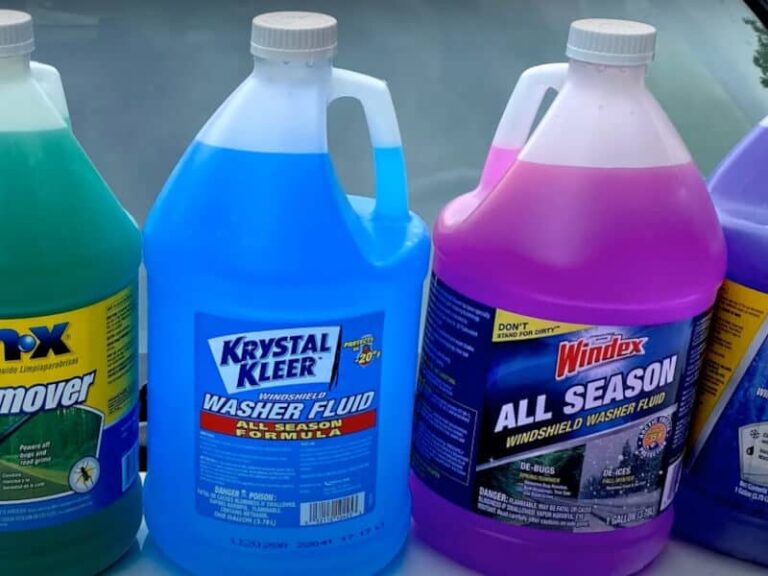
Source: minit-tune.com
Read the temperature rating
For cold-weather driving, select a product with freeze protection suited to the lowest temperatures you expect to encounter.
Follow mixing directions
Some products are ready to use, while concentrates require dilution as directed. Do not guess at the ratio.
Check compatibility
Use a formula that meets the owner’s manual requirements and is suitable for your vehicle’s glass, paint, and washer system.
Keep containers distinct
Store engine coolant and washer fluid in their original labeled containers to reduce the chance of another mix-up.
Can You Mix Engine Antifreeze With Winter Washer Fluid?
No. Do not mix engine antifreeze with winter windshield washer fluid, even if both products claim to protect against freezing. A winter washer formula is designed to clean glass and move through the washer system. Engine coolant is made for the engine cooling circuit.
If the products have already been mixed in the washer reservoir, do not rely on adding more winter fluid to correct the mixture. Have the contaminated liquid removed and the affected parts cleaned before refilling the tank with a suitable washer product.
Use the right product
A washer fluid’s stated temperature range does not make engine coolant an acceptable substitute.
Do not judge by color
Coolant and washer fluid can come in similar colors. The product label, not appearance, determines what the liquid is.
Common Mistakes to Avoid After Adding the Wrong Fluid
The biggest mistake is continuing to use the washer system because the vehicle still starts and runs normally. The engine cooling system and windshield washer system are separate. A normal-running engine does not mean that coolant in the washer reservoir is safe.
Another mistake is adding more washer fluid to dilute the coolant. This does not reliably remove the unwanted ingredients, and it may increase the amount of contaminated liquid that must be removed. It can also leave the pump and hoses exposed to the mixture.
Avoid dismantling a reservoir or disconnecting hoses unless you understand the vehicle’s design and can do the work safely. Access can be difficult on some models, and careless handling can spill coolant. Engine coolant must also be kept away from children, pets, drains, and the environment.
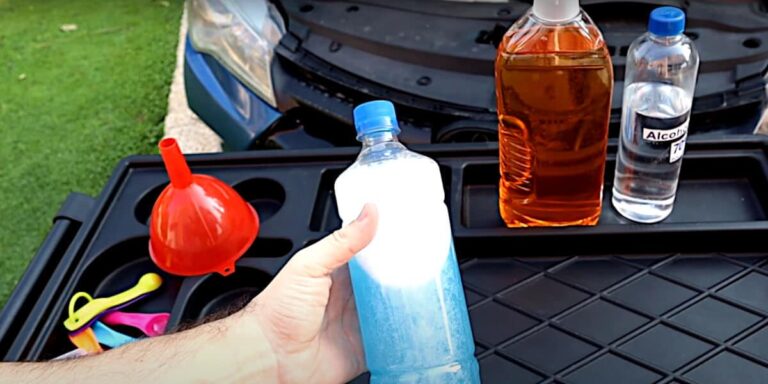
Source: i.ytimg.com
Do not keep spraying
Repeated use may spread coolant across the glass and through more of the washer system.
Do not use an unapproved chemical flush
Strong cleaners or solvents may damage the reservoir, pump, hoses, paint, or trim. Use a suitable method recommended for the vehicle.
Do not pour waste coolant down a drain
Collect and dispose of contaminated fluid according to local hazardous-waste rules and the product label.
Do not leave the mistake unreported
Tell the repair technician what was added, even if the amount seems small or the washer system has not yet been used.
What About Pets, Children, and Accidental Exposure?
Many engine coolant products can be harmful if swallowed, and some contain ethylene glycol, which is highly toxic. Keep the container and any spilled or drained fluid away from children and animals. Do not leave a catch container where a pet could reach it.
If a person may have swallowed coolant or had a significant exposure, contact a poison control center or seek medical advice promptly. In the United States, Poison Control can be reached at 1-800-222-1222. If an animal may have swallowed coolant, contact a veterinarian or an animal poison control service immediately. Do not wait for symptoms to appear.
Prevent access
Keep coolant in its original closed container and clean up spills promptly using appropriate protection.
Get prompt help
Use the product label and appropriate poison or veterinary guidance for an exposure. Do not attempt home treatment without professional advice.
How to Prevent Another Washer Fluid Mix-Up
Preventing the mistake is easier than cleaning a contaminated system. Before adding any automotive fluid, read the container label and match it to the correct filler cap. Many vehicles have several reservoirs under the hood, and the correct location should be confirmed in the owner’s manual rather than guessed from the shape or color of a cap.
Keep each product in its original container. Never transfer coolant or washer fluid into an unmarked bottle, and do not reuse drink bottles for automotive chemicals. Clear labels and separate storage locations make it easier to identify each fluid during routine maintenance.
If another person maintains your vehicle, show them the correct washer reservoir and explain which product belongs in it. A simple check before pouring can prevent a visibility hazard and avoid unnecessary repair work.
Source: img.freepik.com
Read the owner’s manual
Confirm the washer reservoir location and the recommended fluid type for your exact vehicle.
Check the label twice
Read the product name before opening the container and again before pouring.
Store fluids separately
Keep products labeled, closed, upright, and away from food, drinks, children, and pets.
Clean spills promptly
Use the product’s recommended cleanup method and prevent the liquid from reaching drains or areas accessible to animals.
What Should You Check Before Driving After Repairs?
Before returning to normal use, confirm that the reservoir contains the correct washer fluid and that the technician has cleaned the parts affected by the contamination. The pump and nozzles should operate as intended, and the windshield should remain clear rather than developing a film.
If the spray pattern is weak, the pump makes an unusual noise, the nozzles remain blocked, or the windshield becomes streaky, stop using the system and arrange a further inspection. A repair is not complete simply because the reservoir has been refilled.
Confirm the correct refill
Check that the replacement fluid meets the vehicle manufacturer’s recommendations.
Check glass clarity
Make sure the windshield is clean and free of film before driving.
Address persistent faults
Have a technician inspect ongoing pump, hose, nozzle, or wiper problems rather than repeatedly running the system.
Frequently Asked Questions
Q
Can You Put Antifreeze in Windshield Washer Fluid?
No. Engine antifreeze is not a suitable replacement for windshield washer fluid. It can leave a film on the windshield, impair visibility, and damage paint or parts of the washer system. Use a washer fluid that meets your vehicle manufacturer’s requirements.
Q
What Happens If You Put a Little Antifreeze in the Washer Reservoir?
Even a small amount can contaminate the reservoir and may affect visibility if sprayed onto the windshield. The exact risk depends on the product and how much entered the tank. Stop using the washer system and arrange proper removal and cleaning instead of trying to dilute the mixture.
Q
Will Antifreeze Ruin My Windshield?
A coolant spill does not automatically mean that the windshield is permanently damaged. However, coolant may leave a film or streaks that make it harder to see through the glass. Clean the windshield with a suitable automotive glass cleaner and confirm that it is clear. Seek professional help if the film remains.
Q
Can Antifreeze Damage Car Paint?
It can damage some finishes or exterior trim, depending on the formula, surface, and duration of contact. If coolant spills onto the vehicle, follow the product label and vehicle care guidance for cleanup. Promptly remove the residue using an appropriate method, and consult a body shop if discoloration or other damage appears.
Q
Can I Fix the Problem by Adding More Windshield Washer Fluid?
No. Adding more washer fluid does not reliably remove engine coolant from the reservoir, pump, hoses, or nozzles. It can also spread the contaminated mixture if the washer system is used. Have the affected parts drained and cleaned before refilling with the correct product.
Q
Can I Drive My Car After Adding Antifreeze to the Washer Reservoir?
If the washer pump has not been used and the windshield is clean, the contamination alone does not necessarily affect the engine’s ability to run. However, do not use the washer system, and arrange for the reservoir to be cleaned. If coolant has been sprayed onto the windshield or visibility is impaired, do not drive until the glass is clean and safe to see through.
Q
Is Windshield Washer Fluid the Same as Antifreeze?
No. Winter windshield washer fluid and engine antifreeze may both offer freeze protection, but they serve different purposes. Washer fluid cleans glass and protects the washer system from freezing. Engine coolant manages engine temperature and protects compatible cooling system parts. They should never be used interchangeably.
✦ Wrapping Up
Conclusion
Putting engine antifreeze in windshield washer fluid is a mistake worth correcting promptly. The main concern is that contaminated liquid may spread across the windshield and reduce visibility. Coolant may also affect paint, exterior trim, or parts of the washer system, depending on the formula and exposure.
If you have already added antifreeze, stop using the washer system and do not try to fix the mixture by adding more fluid. Arrange for the reservoir and any affected components to be cleaned, then refill with washer fluid approved for your vehicle. If coolant has reached the glass, make sure the windshield is clear before driving.
A careful check of the container label and filler cap can prevent the problem in the future. Keep engine coolant and washer fluid in their original labeled containers, follow the owner’s manual, and treat any loss of windshield visibility as a reason to stop and resolve the problem before continuing.
💡 Key Takeaway
Do not operate a washer system containing engine antifreeze. Keep the vehicle parked if visibility is affected, arrange safe removal and cleaning, and refill only with the correct windshield washer fluid.
Learn how to install a windshield sun shade correctly in your car. Follow simple steps for folding, roll-up, and umbrella-style shades, plus fit, safety, storage, and troubleshooting tips.