windshield washer fluid usually comes out weakly because of clogged spray nozzles, low fluid, a blocked or damaged hose, frozen fluid, or a weak washer pump. Check the fluid level first, then listen for the pump and inspect the spray pattern before replacing any parts.
If you drive a car, pickup truck, SUV, or minivan in the United States, a working windshield washer system is an important part of safe driving. Road salt in northern states, dust in the Southwest, pollen in the Southeast, and rain across much of the country can quickly dirty a windshield. When washer fluid barely reaches the glass, it can leave dirt in your line of sight and make driving harder.
The good news is that weak windshield washer spray often has a simple cause. The system moves fluid from a reservoir through a small electric pump and narrow hoses to one or more spray nozzles. A blockage, leak, low fluid level, or loss of pump pressure can reduce the amount of fluid that reaches the windshield.
Start with the easiest checks before buying replacement parts. Confirm that the reservoir has enough fluid, listen for the pump, and look for leaks or uneven spray. These clues help you narrow down the problem and avoid replacing a part that still works.
What Causes Windshield Washer Fluid to Barely Come Out?
Weak washer spray usually means that fluid cannot move through the system at its normal rate or pressure. The cause may be a small blockage near the nozzle or a problem farther back in the hose, reservoir, or pump. The spray pattern often provides the first useful clue.
Before removing parts, note whether both nozzles spray weakly, only one nozzle has trouble, or the spray starts normally and then fades. Also note whether the problem appeared after a cold night, after the reservoir was refilled, or without any clear change.
The table below matches common symptoms with likely causes. These are diagnostic clues, not proof of a failed part, so confirm the cause before making repairs.
Source: storage.googleapis.com
Both nozzles spray weakly
Check the fluid level, pump output, reservoir filter, shared hose, and possible freezing. A problem affecting the common fluid supply can reduce flow on both sides.
Only one nozzle sprays weakly
A clogged nozzle, kinked branch hose, loose connector, or restricted flow on that side is more likely than a complete pump failure.
Fluid comes out in a thin stream
A partly blocked nozzle, restricted hose, or weak pump may prevent the fluid from forming the normal spray pattern.
Spray starts strong and then fades
A low fluid level, restricted pickup filter, leaking hose, or pump that cannot maintain flow may be responsible.
Fluid appears under the hood or car
Look for a disconnected hose, split line, cracked reservoir, or leaking pump seal. Stop repeated testing until the leak is located.
1. Check the Windshield Washer Fluid Level
Check the reservoir first because the pump cannot deliver a steady spray when the fluid supply is too low. Some vehicles have a translucent tank that lets you see the fluid level, while others require you to open the cap and look inside.
Park on level ground, switch off the vehicle, and let hot parts cool before opening the hood. Find the washer-fluid cap by checking the owner’s manual. It often has a windshield symbol with water spray above it, but the cap design and reservoir location vary by vehicle.
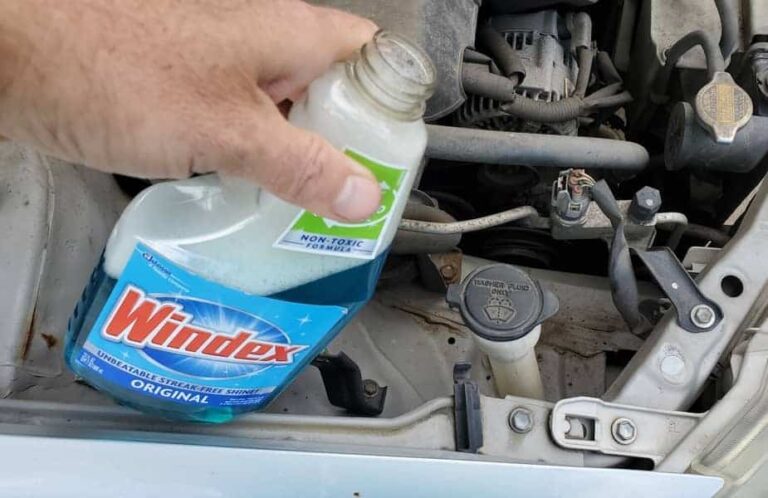
If the level is low, add automotive windshield washer fluid that suits your climate and vehicle requirements. Do not confuse the washer-fluid reservoir with the coolant tank or brake-fluid reservoir. These systems use different fluids and must not be mixed.
After filling the tank, close the cap and briefly test the washers. If the spray returns to normal, low fluid was likely the cause. If the reservoir was full or the spray remains weak, move to the next check rather than adding more fluid.
Source: hitchesguide.com
Use the correct fluid
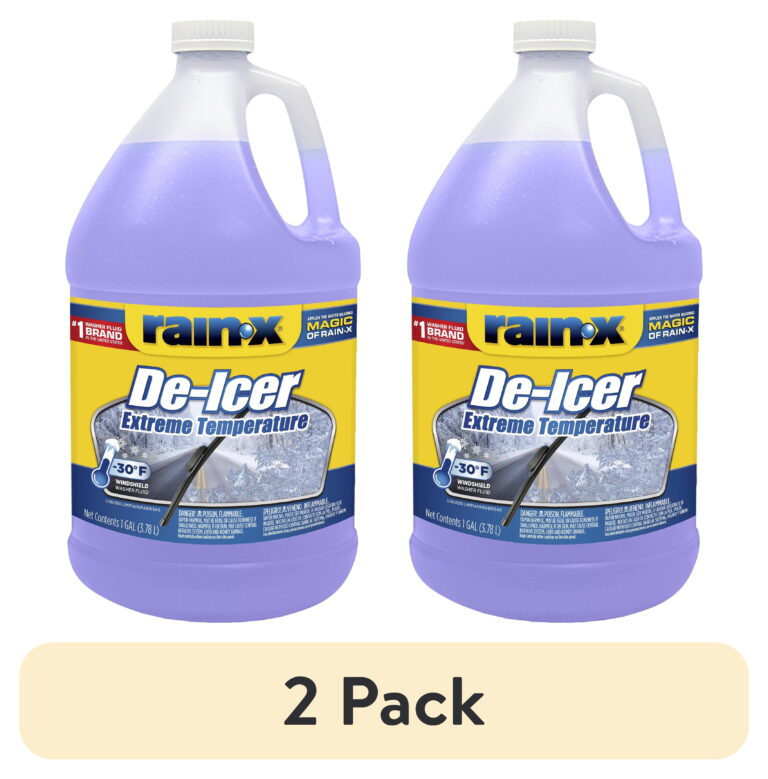
Choose a washer fluid labeled for automotive windshield use and suitable for the temperatures you expect. Follow the product label and vehicle manual.
Watch for a falling fluid level
If the reservoir becomes low again soon after filling, look for a leak at the tank, pump seal, hoses, and connectors.
Avoid unsuitable mixtures
Do not pour engine coolant, household glass cleaner, or other unapproved liquids into the washer reservoir. They may cause damage, residue, or poor spray performance.
2. Clean Clogged Windshield Washer Nozzles
A clogged nozzle is a likely cause when the pump runs but fluid comes out as a weak stream, sprays in the wrong direction, or fails to reach the glass. Washer nozzles have very small openings, so dirt, dried fluid residue, and mineral deposits can restrict the flow.
The problem may affect one nozzle more than the other. If the driver’s-side nozzle sprays normally but the passenger-side nozzle barely works, start by checking the affected nozzle and its hose rather than assuming that the whole pump has failed.
Inspect the nozzle openings for visible dirt or deposits. With the vehicle switched off, gently clean the exterior using a soft cloth. If the manufacturer’s instructions permit it, use an appropriate nozzle-cleaning tool carefully and avoid forcing a thick pin or sharp object into the opening.
Do not enlarge the opening, bend the nozzle, or use force to remove stubborn debris. Some vehicles have fan-pattern jets, heated nozzles, or integrated nozzle assemblies that can be damaged by improvised tools. If cleaning does not restore the spray, the nozzle may need further inspection or replacement.
Source: automoexperts.com
Uneven spray
One weak jet often points toward a local blockage, a damaged nozzle, or a restricted hose branch.
A narrow stream instead of a fan
A partially blocked nozzle may change the spray shape even when some fluid still reaches the windshield.
Repeated blockage
If the nozzle clogs again soon after cleaning, inspect the fluid for contamination and ask a mechanic to check the reservoir pickup screen and lines.
Can Tap Water Cause Washer Nozzles to Clog?
Tap water can leave mineral deposits as it dries, depending on the water supply. Those deposits may build up around small nozzle openings, especially when water is used often instead of suitable washer fluid.
Using automotive washer fluid as directed can help limit residue and provides cleaning agents designed for windshield use. Follow the label rather than adding extra water or mixing products without checking compatibility.
3. Inspect Washer Hoses for Kinks, Leaks, and Loose Connections
A damaged or restricted hose can prevent fluid from reaching the nozzles even when the reservoir is full and the pump runs. Washer hoses are small flexible lines that carry fluid from the pump to the windshield, often through connectors under the hood or near the cowl.
With the vehicle off, inspect any visible hose sections for sharp bends, crushed areas, cracks, loose fittings, or signs of wetness. A hose can become disconnected after work under the hood, or it may split as the material ages. Some lines also run inside the hood or body trim, where damage is harder to see.
If a hose has come loose from an accessible connector, the correct repair may be to reconnect it securely or replace a damaged section with a compatible part. Do not use an improvised hose that does not fit or tolerate washer fluid and the operating conditions.
If the system sprays fluid into the engine bay instead of onto the glass, stop activating the washer control. Continued testing can empty the reservoir and make the leak harder to locate. Have concealed lines or difficult connections checked by a qualified mechanic.
Source: hitchesguide.com
Wet areas near hose joints
Fresh fluid around a connector may indicate a loose fitting, damaged hose end, or cracked plastic connector.
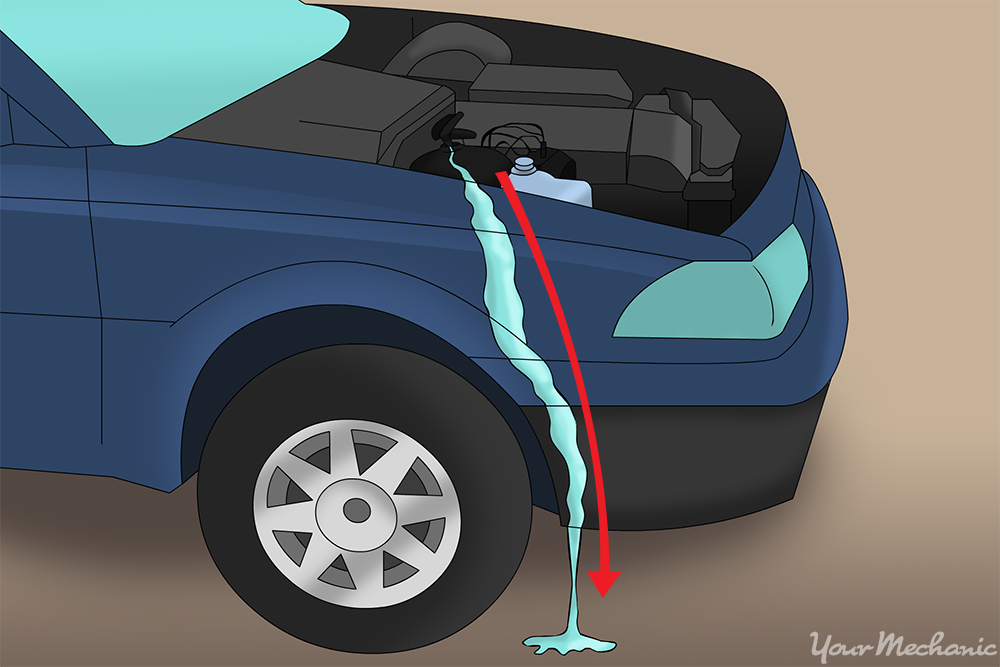
A puddle below the front of the vehicle
This may indicate a washer-system leak, but other vehicle fluids can also form puddles. Identify the fluid and its source before assuming the washer reservoir is responsible.
Normal flow at one nozzle but not the other
Inspect the affected side’s hose branch and connector for restrictions or leaks.
4. Check for Frozen Washer Fluid or Blocked Lines
Cold weather can freeze washer fluid in the reservoir, pump, hoses, or nozzles if the mixture is not rated for the conditions. Even if some fluid remains liquid, ice in a narrow passage can restrict flow and make the spray weak or uneven.
This problem is more likely when the washers stop working after an overnight freeze or when summer-grade fluid remains in the system during a cold spell. A pump may still make a humming sound, but that does not mean the fluid can pass through frozen lines.
If freezing is possible, stop operating the pump. Repeatedly running it against a frozen or blocked system can strain the pump and may cause damage. Move the vehicle to a suitably warm location and allow the system to thaw naturally, following the vehicle manufacturer’s guidance.
Once the system has thawed, inspect for leaks because freezing may damage a reservoir, hose, or connector. Replace the fluid with a product rated for the expected local temperatures. Do not pour boiling water onto the windshield, nozzles, or reservoir, and do not use an open flame or other direct heat source.
Source: storage.googleapis.com
The problem appears only in freezing weather
Suspect frozen fluid or ice in the nozzles and hoses before replacing the pump.
The system works after thawing
Check the washer fluid’s temperature rating and inspect for damage before returning to normal use.
The pump runs but flow stays weak after thawing
A blockage, damaged hose, clogged filter, or pump problem may remain and need separate diagnosis.
Does Summer Washer Fluid Work in Winter?
Not always. Washer fluids differ in their stated freeze protection, and a product designed for mild conditions may freeze when temperatures fall below its rating.
Choose a product suitable for the coldest conditions you expect to encounter. Follow its label and the vehicle manual, and avoid mixing products if the resulting freeze protection is uncertain.
5. Listen for a Weak or Failing Windshield Washer Pump
The washer pump pushes fluid from the reservoir through the hoses and out of the nozzles. If the pump is worn, its inlet is blocked, or its fluid supply is restricted, it may not deliver enough flow for a normal spray pattern.
With enough fluid in the reservoir and no sign of freezing, briefly activate the washer control while listening for a short humming sound near the reservoir. Keep your hands away from moving wipers and other moving parts, and do not reach into the engine bay while another person operates the controls.
A humming sound suggests that the pump motor is running, but it does not prove that the pump is producing enough pressure or moving fluid. A clogged inlet screen, air entering the system, a leak, or internal pump wear may still cause weak spray.
If the pump is silent, the cause could be an electrical fault, blown fuse, damaged wiring, failed switch signal, or failed pump motor. Check the vehicle manual for the correct fuse and circuit. Do not replace a fuse with one of a higher rating or repeatedly replace a fuse that blows again.
Pump replacement may be needed if the pump receives the correct electrical supply, has an adequate fluid supply, and still fails to deliver normal output. Because pump access differs by vehicle, confirm the diagnosis before purchasing a replacement.
Source: hitchesguide.com
Pump hums and both nozzles are weak
Check for a restricted inlet, contaminated fluid, frozen lines, a leak, or a worn pump.
Pump hums but no fluid comes out
Check the fluid supply, hose connections, nozzles, and possible blockage between the reservoir and the windshield.
Pump makes no sound
Check the relevant fuse and electrical supply according to the owner’s manual. A failed pump is one possibility, not the only one.
How Can You Tell Whether the Washer Pump Is Bad?
A weak spray alone does not prove that the pump is defective. A mechanic can isolate the pump from the downstream hoses, check whether fluid reaches its inlet, measure its output, and test its electrical supply when needed.
If the pump produces a normal flow when tested correctly but the nozzles remain weak, the restriction is likely farther along the system. If the pump has the proper supply but cannot deliver the required flow, replacement may be appropriate.
6. Check the Reservoir Filter and Fluid Quality
Debris in the reservoir can restrict the pump’s inlet filter and reduce the amount of fluid reaching the nozzles. Dirt, particles, residue, and unsuitable liquids may contribute to blockages, especially if the reservoir has not been cleaned or the fluid supply has become contaminated.
If the fluid looks unusually dirty or contains visible debris, avoid repeatedly operating the washer system. Contaminated fluid can move particles into narrow hoses and nozzles, causing the problem to return even after a nozzle has been cleaned.
Some vehicles use a small screen or filter near the pump inlet. Access may require removing a wheel liner, underbody panel, or other components, so the procedure is not the same for every vehicle. Check the service information before trying to remove the pump or reservoir.
Use only fluid intended for automotive windshield washers. If the reservoir contains the wrong product, a thick mixture, or an unknown substance, ask a mechanic about the safest way to drain and clean the system. Do not mix cleaning chemicals or attempt an improvised chemical flush.
Source: automoexperts.com
Dirty or cloudy fluid
Check for contamination and consider professional reservoir cleaning if debris is visible or the fluid is unsuitable.
The spray improves briefly after cleaning
A blocked filter or recurring contamination may be feeding particles back into the system.
The reservoir empties while the car is parked
Inspect the reservoir, pump seal, and hoses for leaks rather than assuming that the nozzles are clogged.
7. Use a Simple Troubleshooting Sequence
The most useful way to diagnose weak washer spray is to move from simple checks to more involved tests. This approach can help you identify a low fluid level, nozzle blockage, leak, or pump problem without replacing parts at random.
Before starting, park safely, switch off the engine, and consult the owner’s manual for the reservoir location and washer-system layout. Keep testing brief, and stop if you suspect frozen fluid, find a leak, or notice an electrical problem.
Follow the steps below in order. If one check clearly identifies the cause, address it before moving on. If the problem remains, the next check should help narrow the source of the restriction.
Source: hitchesguide.com
Step 1: Confirm the fluid level
Fill the reservoir with suitable automotive washer fluid if it is low, then briefly test the spray.
Step 2: Compare both nozzles
Note whether both sides are weak or only one side has a problem. A single weak nozzle points toward a local restriction.
Step 3: Listen for the pump
A humming sound suggests the motor is running. Silence calls for a fuse and electrical check rather than immediate pump replacement.
Step 4: Look for leaks
Inspect visible hoses, joints, and the area beneath the reservoir for fresh washer fluid.
Step 5: Inspect the nozzles
Look for visible dirt or residue and clean the nozzle gently according to the manufacturer’s instructions.
Step 6: Consider freezing or contamination
If the problem began in cold weather or after unsuitable fluid was added, stop testing until the cause can be addressed safely.
Step 7: Arrange a flow and electrical test
If the earlier checks fail, have a mechanic check pump output, the inlet filter, hoses, and the electrical circuit.
How Do You Know the Repair Worked?
A successful repair should restore a steady spray that reaches the intended part of the windshield. Both nozzles should operate as designed, and fluid should not leak from the reservoir, hoses, or connectors.
Test the system briefly while the vehicle is parked. If the spray is still weak, uneven, or short-lived, do not assume that the problem is fixed simply because some fluid now comes out.
8. Common Mistakes to Avoid When Fixing Weak Washer Spray
Small washer-system parts are easy to damage when troubleshooting becomes rushed. A careful inspection is usually more useful than forcing a blockage out or replacing the first part that seems suspicious.
Avoid testing the pump for long periods when the reservoir is empty or the lines may be frozen. Also avoid using sharp tools that can enlarge a nozzle opening, as this may permanently change the spray pattern.
Do not assume that a working wiper motor means the washer pump is working. The wipers and washer pump have different functions, and one may work while the other has an electrical or mechanical fault.
Source: hitchesguide.com
Replacing the pump without testing it
A blocked nozzle, loose hose, or low fluid level may cause the same symptom. Check the simpler possibilities first.
Using household cleaners or random mixtures
Unapproved liquids may leave residue or damage components. Use suitable automotive washer fluid and follow the product label.
Forcing a tool into a nozzle
A thick pin or sharp object may damage the small opening or change the spray direction. Use an approved cleaning method.
Ignoring a recurring leak
A leak can empty the reservoir and leave the system unable to clean the windshield when needed.
Driving with poor visibility
If dirt, road spray, or other debris obstructs your view and the washers cannot clear it, pull over somewhere safe. Do not rely on dry wipers to remove heavy grime.
9. When Should You See a Mechanic?
Professional diagnosis is sensible when the basic checks do not restore normal spray or when the repair requires access to hidden components. A mechanic can isolate the fluid path and determine whether the fault lies in the pump, filter, hoses, nozzles, or electrical circuit.
Seek help if the pump remains silent after the relevant fuse and visible connections have been checked, if a replacement fuse blows again, or if fluid leaks from an inaccessible area. Electrical testing may require a wiring diagram, a multimeter, and vehicle-specific service information.
Some newer vehicles use heated nozzles, integrated hose assemblies, check valves, or electronic controls. Their repair steps can differ from those of a basic washer system, so the vehicle’s service procedure matters.
If the windshield is too dirty to see clearly, do not continue driving in the hope that the spray will recover. Stop in a safe location and clean the glass only when it is safe to do so, or arrange assistance.
Source: automoexperts.com
Repeated pump or fuse failure
A mechanic can check for a failed motor, wiring fault, damaged connector, or an electrical problem that needs more than a fuse replacement.
A leak that cannot be located
A technician can inspect concealed lines, the reservoir, pump seal, and connections without unnecessary disassembly.
No improvement after nozzle cleaning
Further flow testing can determine whether the blockage is in the hose, inlet filter, or pump.
Frequently Asked Questions
Q
Why is my windshield washer fluid barely coming out on one side?
When one nozzle sprays normally and the other barely works, the most likely causes are a clogged nozzle, a kinked hose, a loose connection, or a restriction in that side’s fluid line. Inspect the affected area and clean the nozzle gently using the vehicle manufacturer’s recommended method.
If the problem continues, have the hose and nozzle checked for internal blockage or damage. A weak spray on only one side does not automatically mean the pump needs replacement.
Q
Why does my windshield washer pump work but the fluid barely sprays?
A humming pump may still be unable to deliver enough fluid because of a blocked nozzle, restricted inlet filter, kinked hose, fluid leak, frozen line, or worn pump. The sound confirms only that the motor appears to be operating; it does not confirm normal fluid output.
Check the reservoir level, look for leaks, and inspect the nozzles. If the spray remains weak, a flow test can help separate a blockage from a pump problem.
Q
Can low windshield washer fluid cause weak spray?
Yes. When the reservoir is nearly empty, the pump may draw an inconsistent supply of fluid and produce weak or intermittent spray. Fill it with suitable automotive washer fluid and test the system briefly.
If the reservoir level drops again quickly, check for a leak rather than repeatedly topping it up without finding the cause.
Q
Can I use a pin to unclog a windshield washer nozzle?
A very fine cleaning tool may help with some simple nozzles, but not every nozzle is designed to be cleared with a pin. Forcing a sharp object into a small opening can damage the nozzle or change its spray pattern.
Start with gentle exterior cleaning and follow the vehicle manufacturer’s instructions. If the nozzle remains blocked, professional cleaning or replacement may be the safer option.
Q
Why does my windshield washer fluid barely come out in cold weather?
Fluid or ice may be blocking the reservoir pickup, hoses, or nozzles. This can happen if the washer fluid is not rated for the temperatures the vehicle encounters.
Stop running the pump if freezing is suspected. Let the system thaw in a suitably warm place, inspect for leaks or damage, and refill with fluid rated for the expected conditions.
Q
How much does it cost to fix weak windshield washer spray?
The cost depends on the cause, vehicle design, parts, and local labor rates. Refilling low fluid or cleaning an accessible nozzle may cost little, while replacing a pump, reservoir, concealed hose, or electrical component can cost more.
There is no single reliable price for every vehicle. Ask for a diagnosis and an itemized estimate before approving repairs, especially when the pump is suspected but has not been tested.
Q
Can I drive if the windshield washer fluid barely sprays?
It is risky to drive when the windshield is dirty and the washer system cannot restore clear visibility. Road grime, dust, insects, and spray from other vehicles can quickly obstruct your view.
If visibility becomes poor, pull over somewhere safe. Clean the windshield and arrange a repair before continuing when you cannot maintain a clear view of the road.
✦ Wrapping Up
Conclusion
If your windshield washer fluid is barely coming out, start by checking the fluid level, nozzle openings, and visible hoses. Then listen for the pump and consider whether cold weather or contaminated fluid may be restricting flow. These simple checks can help identify many common problems without replacing parts unnecessarily.
If the spray remains weak, a mechanic can test the pump, reservoir filter, hoses, and electrical circuit to find the actual fault. Repair the cause rather than relying on repeated refills or temporary fixes, and make sure the windshield can be kept clear before driving.
💡 Key Takeaway
Start with the reservoir, compare the spray from both nozzles, and listen briefly for the pump. Check for leaks and freezing before cleaning or replacing parts. If the cause remains unclear, arrange a professional flow and electrical test.