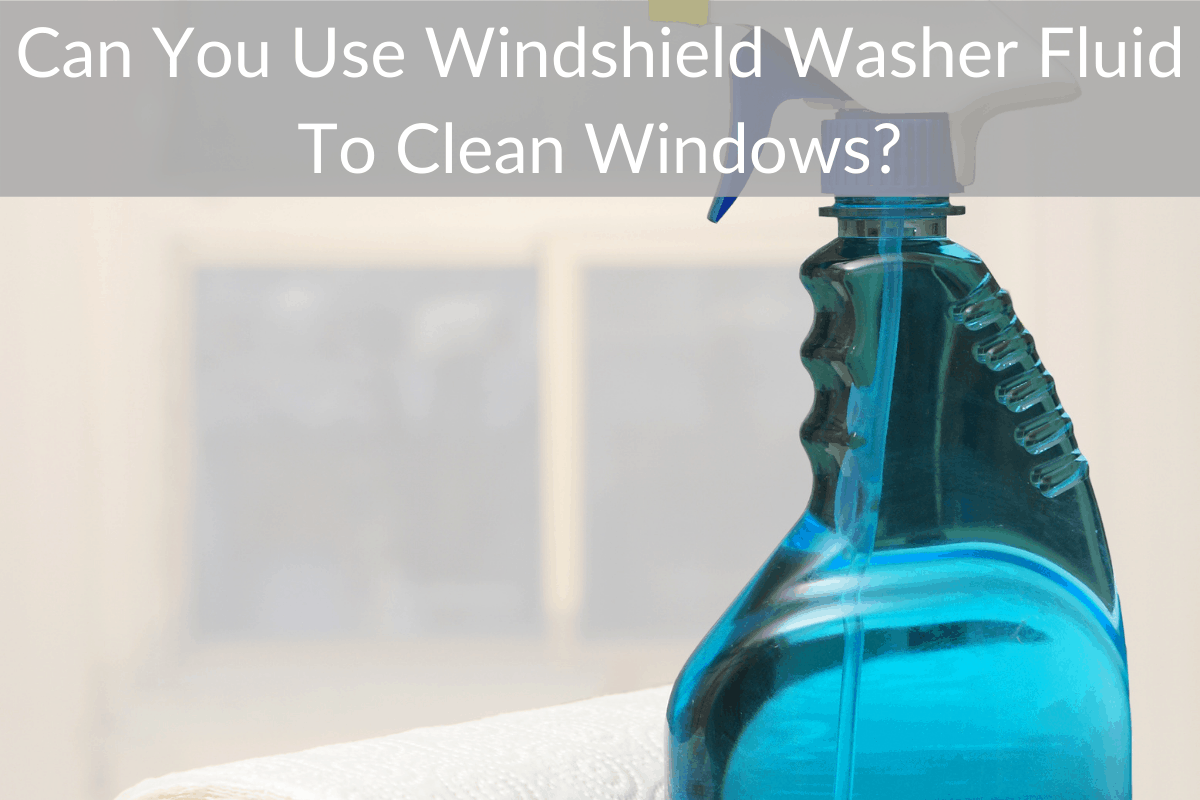
No. You should not use ordinary household Windex glass cleaner as windshield washer fluid. Use a washer fluid made for vehicles instead. Household glass cleaner is designed to be sprayed onto glass and wiped away, not stored in your car’s washer reservoir and pumped through its spray system.
For drivers across the United States, clear windshield glass is vital in rain, snow, road construction zones, and heavy traffic. A dirty windshield can make it harder to see road signs, pedestrians, and other vehicles. When the washer fluid runs low, using a bottle of Windex from under the kitchen sink may seem like a quick fix, but the two products serve different purposes.
Ordinary Windex glass cleaner contains water and cleaning agents. Some versions also contain ammonia, fragrance, and colorants. Automotive windshield washer fluid is formulated for a vehicle’s reservoir, pump, hoses, spray nozzles, and changing weather. It may also contain ingredients that help it clean road film and resist freezing. These differences make automotive washer fluid the better choice.
There is one useful distinction: a product sold specifically as Windex automotive windshield washer fluid is not the same as ordinary Windex household glass cleaner. Always check the product label. If you have already poured household Windex into the reservoir, do not panic. The right next step depends on how much you added, the existing fluid, and the weather.
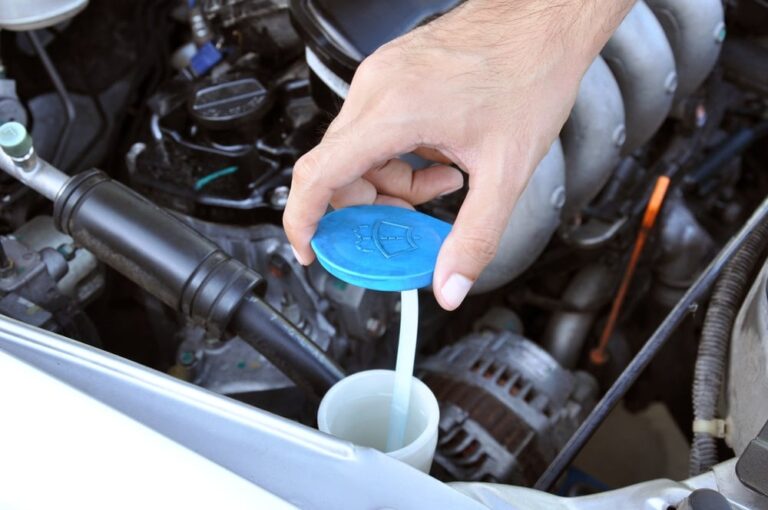
Ordinary Windex glass cleaner is designed for cleaning glass surfaces by spraying the product onto the surface and wiping it away with a cloth. A windshield washer system works differently. It stores liquid in a reservoir and sends it through a pump, hoses, and small spray nozzles when you activate the washer controls.
The key issue is not whether Windex can remove dirt from glass. It can clean many glass surfaces when used as directed. The issue is whether a household cleaner is suitable for repeated storage and circulation through a vehicle’s washer system. Its intended use and formulation do not establish that it is compatible with every vehicle.
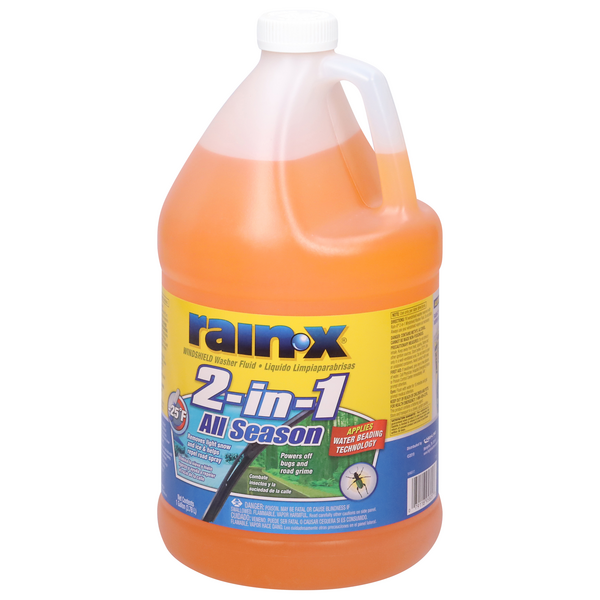
Automotive washer fluid is made for this specific task. Depending on the product, it may help remove insects, dust, oily road film, and other grime while providing protection against freezing. Household Windex should not be assumed to offer the same performance.
There is no sound reason to replace a purpose-made automotive fluid with a household cleaner when the correct product is widely used for this job. Choosing fluid that matches the vehicle and the local weather is the more reliable approach.
Source: www.canadiantire.ca
Different intended uses
Household Windex is generally sprayed onto a surface and wiped off. Automotive washer fluid is intended to be stored and pumped through a vehicle’s washer system.
Uncertain system compatibility
A household cleaner’s label does not establish that its ingredients are suitable for every reservoir, pump, seal, hose, or nozzle.
Limited weather protection
Ordinary household glass cleaner should not be relied on for the freeze protection provided by a suitable winter washer fluid.
Different cleaning demands
A moving vehicle faces road spray, insects, dust, salt, and oily film. Automotive washer fluid is designed for this type of cleaning.
Does Windex Contain Ammonia?
Some Windex products contain ammonia, while others are labeled ammonia-free. SC Johnson, the manufacturer of Windex, confirms that formulas differ by product. Windex Original Glass Cleaner lists ammonium hydroxide among its ingredients, while Windex Ammonia-Free Glass Cleaner uses a different formulation.
This difference matters when selecting a cleaner for a car’s glass, especially if the vehicle has aftermarket window tint or special glass coatings. However, the presence or absence of ammonia alone does not determine whether a product is suitable for a washer reservoir. Even an ammonia-free household cleaner is not automatically an approved substitute for automotive washer fluid.
Read the exact label
Check the full product name, intended use, ingredients, and directions rather than relying on the Windex brand name alone.
Can Windex Damage the Washer System?
It is not accurate to claim that one small amount of household Windex will automatically damage every washer system. The outcome depends on the product formula, the amount added, the fluid already in the reservoir, the vehicle design, and the surrounding temperature.
However, the absence of confirmed damage does not prove compatibility. Household glass cleaner is not a dependable substitute, and its use may create uncertainty about cleaning performance, residue, or operation in cold weather. Follow the vehicle owner’s manual and ask a qualified mechanic if you added a large amount or notice a problem.
Watch for poor spray performance
If the jets spray unevenly, the pump sounds unusual, or the windshield remains dirty, stop using the mixture and investigate the cause.
Household Windex vs. Automotive Windshield Washer Fluid
The easiest way to choose the right product is to compare its intended use, weather protection, and compatibility with the vehicle. Household glass cleaner and automotive washer fluid may both look like cleaning liquids, but they are not interchangeable by default.
Household Windex is meant for surfaces that you can reach and wipe. Automotive washer fluid is made for the vehicle’s built-in cleaning system. The right automotive formula depends on where and when you drive, particularly if winter temperatures can fall below freezing.
Some products are sold under familiar cleaning brands but are formulated specifically for automotive use. Their names can be similar to household products, so check the packaging carefully. The words ‘windshield washer fluid’ and the stated temperature rating are more useful than the brand name alone.
Source: www.freestufffinder.com
Household Windex
Designed mainly for cleaning surfaces by spraying and wiping. Do not pour it into the washer reservoir unless the exact product label and vehicle manufacturer explicitly permit that use.
Automotive washer fluid
Made for the washer system and available in formulas suited to different temperatures and cleaning needs.
Automotive glass cleaner
A separate product used to clean glass by hand. It is not necessarily suitable for the washer reservoir.
What About Windex Automotive Washer Fluid?
A product specifically labeled as Windex automotive windshield washer fluid is different from ordinary household Windex Original Glass Cleaner. The automotive product is intended for windshield washing, subject to its label directions and stated temperature range.
Do not identify a product by its blue color, familiar logo, or similar name alone. Read the front and back labels before pouring anything into the reservoir. If the container says glass cleaner rather than windshield washer fluid, treat it as a separate product.
Confirm the product category
Look for explicit automotive windshield washer fluid labeling and follow its directions.
Check the temperature rating
Choose a formula that suits the lowest temperatures expected where you drive.
What Happens If You Put Windex in the Washer Reservoir?
If you have already added household Windex, the first step is to stay calm and avoid adding more. A small accidental amount does not automatically mean the system is damaged, but the mixture should not be treated as a recommended washer fluid.
The next step is to work out how much was added. A small splash mixed with a nearly full reservoir is different from filling an empty reservoir with household glass cleaner. The existing fluid, the specific Windex formula, and the outside temperature also affect the next decision.
If you added a substantial amount, the safest course is to avoid operating the washer until you have checked the vehicle manual or received advice from a qualified mechanic. They can determine whether the reservoir should be drained and refilled. Do not open or remove components while the engine is hot, and keep cleaning products away from children and pets.
If the washer system has already been used, that fact alone does not prove damage. Check whether the fluid sprays normally and whether it clears the glass. Stop using it if the system behaves unusually, the windshield becomes smeared, or visibility gets worse.
Source: www.mybargainbuddy.com
If you added only a small amount
Do not add any more household cleaner. Check the owner’s manual and consider the existing fluid and expected weather before deciding whether the mixture needs to be replaced.
If you filled the reservoir with Windex
Do not rely on the mixture. Ask a mechanic how to remove it and refill the system with suitable automotive washer fluid.
If freezing weather is possible
Avoid relying on household cleaner for freeze protection. Have the fluid checked before using the washer system in cold conditions.
If the system stops working properly
Stop using the washer and have the fluid, pump, hoses, and nozzles checked if the problem continues.
Should You Drain the Reservoir?
Draining the reservoir may be appropriate when it contains a large amount of unsuitable cleaner, but the method depends on the vehicle. Some reservoirs are easy to access, while others require the removal of parts or professional service.
Do not siphon automotive chemicals by mouth, disconnect hoses without knowing the system design, or pour removed fluid onto the ground or into a storm drain. If you cannot safely access the reservoir, let a mechanic handle the job. Once the unsuitable mixture is removed, refill the reservoir with a compatible automotive product and test the spray before driving.
Use the owner’s manual
Check the recommended fluid and any instructions for the washer system before attempting service.
Dispose of removed liquid responsibly
Follow local disposal guidance for the product. Do not assume household cleaners or automotive fluids can be poured into drains or onto soil.
How to Choose the Right Windshield Washer Fluid
Choose automotive washer fluid based on your vehicle manual, the weather, and the kind of dirt you face. A suitable fluid helps keep the windshield clear without asking a household cleaner to do a job it was not designed to perform.
Drivers in warm parts of the United States may use a summer or all-season formula that matches local conditions. Drivers in states with freezing winters should select a product with a temperature rating suited to the coldest conditions they expect. A product that works in mild weather may freeze when temperatures drop.
Read the product label before adding fluid. Some concentrates require dilution with water in the proportions stated by the manufacturer, while premixed products are ready to use. Do not assume every product needs water, and do not mix products unless their labels permit it.
If you drive in areas with heavy road salt, frequent insect buildup, or dusty roads, choose a formula intended for those conditions. Keep the windshield and wiper blades clean as well. Washer fluid cannot compensate for worn blades, damaged glass, or a malfunctioning spray system.
Source: hitchesguide.com
Check your owner’s manual
Follow the vehicle maker’s guidance for suitable washer fluid and any material or system restrictions.
Match the local climate
Use a winter-rated product when freezing conditions are expected. Check the stated protection temperature instead of guessing from the color.
Follow dilution directions
Use concentrates and premixed formulas as directed on their labels. Too much water can reduce a concentrate’s intended performance and freeze protection.
Inspect the wipers
Replace blades that chatter, skip, or leave persistent streaks after the glass has been cleaned.
Can You Use Water Instead?
Water alone is not a dependable year-round replacement for automotive washer fluid. It may provide limited help in mild weather, but it does not offer the same cleaning additives or freeze protection as an appropriate washer fluid.
In freezing conditions, water can freeze in the reservoir, hoses, or nozzles and stop the washer system from working. Ice can also create additional service problems. Follow your vehicle manual and use a suitable product rather than relying on plain water.
Do not rely on water in winter
Use a fluid rated for the temperatures you expect, especially before a cold-weather trip.
Can You Mix Windex With Washer Fluid?
Do not deliberately mix ordinary household Windex with automotive washer fluid. Mixing products can change the resulting formula, and the mixture may not retain the intended cleaning performance or temperature protection.
If the products have already been mixed, check their exact labels and the vehicle manual. When the mixture contains a meaningful amount of household glass cleaner, ask a mechanic whether it should be removed and replaced. Do not assume that adding more automotive fluid will make every mixture suitable.
Avoid improvised mixtures
Use a single suitable automotive washer fluid unless the manufacturer explicitly permits mixing.
Can You Use Windex to Clean Your Car Windshield by Hand?
Yes, some Windex products can be used to clean car glass by hand, but you must choose the correct formula and follow the label. This is different from pouring a product into the washer reservoir.
SC Johnson recommends Windex Ammonia-Free Glass Cleaner for car windows. The company says it can be used on automotive glass and tinted windows, mirrors, chrome, stainless steel, plastic, and vinyl when used as directed. It also advises taking care to avoid painted surfaces and testing an inconspicuous area on tinted glass.
For a clean windshield, park the vehicle in a safe place away from moving traffic. Work on cool glass when possible, rather than allowing the cleaner to evaporate quickly in direct sunlight. Spray the product onto a clean microfiber cloth and wipe the glass in even strokes, following the label directions.
Use a separate clean, dry section of the cloth to remove remaining moisture or marks. Avoid spraying cleaner onto nearby painted surfaces, and never clean the windshield while driving. If the glass has a protective coating, follow the vehicle or coating maker’s care instructions.
Source: eduautos.com
Choose the right formula
Use an automotive-compatible glass cleaner, such as the manufacturer’s recommended ammonia-free option, according to its label.
Use a clean microfiber cloth
A clean cloth helps lift dirt and reduces the risk of leaving lint or marks on the glass.
Keep cleaner off paint
Apply it carefully to the cloth and wipe the glass without soaking surrounding painted surfaces.
Clean both sides when needed
If streaks remain, check both the inside and outside of the windshield and use clean cloth sections to avoid spreading dirt.
Why Does the Windshield Still Look Streaky?
Streaks can result from oily road film, dirty wiper blades, residue from an earlier cleaner, or cleaning glass while it is hot. A cleaner cannot fix every source of haze, especially if the wiper blades are worn or the glass is damaged.
Clean the glass with a suitable product and a fresh microfiber cloth. Wipe the rubber edges of the wiper blades with a damp cloth if the vehicle manual permits it. If streaks continue, inspect the blades for cracks or wear and replace them when needed. Persistent haze or damage may require professional attention.
Avoid hot glass
Clean in a shaded area when practical to reduce rapid evaporation and streaking.
Check the blades
Worn or dirty blades may leave marks even when the windshield itself is clean.
Common Mistakes to Avoid
Many washer fluid problems start with a simple assumption: if a liquid cleans glass, it must work in the washer system. The products may share a cleaning purpose, but their formulas, instructions, and intended uses differ.
Avoid treating household cleaners, water, and automotive washer fluid as interchangeable. The right choice is a product intended for your vehicle, used in the way its label describes. This is especially important before long trips or when temperatures may fall below freezing.
If you are unsure what is already in the reservoir, do not keep adding products to try to improve it. Check the labels, review the manual, and seek qualified help when needed. A clear windshield is part of safe driving, not a good place for guesswork.
Source: storage.googleapis.com
Do not judge by color
Blue liquid is not automatically washer fluid. Read the product name and intended use.
Do not assume ammonia-free means reservoir-safe
A household cleaner may be suitable for wiping car glass but still lack approval for use in the washer system.
Do not ignore the weather
Check the product’s temperature rating before driving in cold conditions.
Do not use an untested mixture
Avoid combining household cleaners and automotive fluids unless the product instructions specifically allow it.
Do not drive with poor visibility
If the windshield remains dirty or the washer system fails, stop in a safe location and resolve the problem before continuing when visibility is affected.
A Simple Decision Guide
Use this guide to choose the next step based on what is in the reservoir and what you need to clean.
You need to refill an empty reservoir
Use automotive windshield washer fluid suited to your vehicle and the expected weather.
You want to clean the glass by hand
Use a suitable automotive glass cleaner and follow its label directions.
You accidentally added household Windex
Do not add more. Check the amount, the existing fluid, and the weather, then consult the owner’s manual or a mechanic about the appropriate next step.
The washer jets do not spray
Check the fluid level and the vehicle manual. If the problem continues, have the system inspected rather than assuming the cleaner is the only possible cause.
Frequently Asked Questions
Q
Can you use Windex as windshield washer fluid in an emergency?
Ordinary household Windex is not a recommended emergency substitute. Use automotive washer fluid that matches your vehicle and the weather. If you have no suitable fluid, do not rely on a household cleaner to restore visibility. Stop in a safe place if the windshield becomes too dirty to see through clearly.
Q
Will household Windex damage my car’s washer pump?
Damage is not guaranteed, and the outcome depends on the formula, amount used, existing fluid, and vehicle design. However, household Windex is not designed as a general replacement for automotive washer fluid. If you added a large amount or notice unusual pump sounds or spray problems, stop using the mixture and ask a mechanic to inspect the system.
Q
Can I use Windex Ammonia-Free in the washer reservoir?
Do not assume that ammonia-free means suitable for a washer reservoir. Windex Ammonia-Free Glass Cleaner is intended for surface cleaning and is recommended by its manufacturer for car windows when used as directed. Use a product specifically labeled for automotive windshield washer systems in the reservoir.
Q
Is Windex better than windshield washer fluid for removing bugs?
Household Windex can clean glass when sprayed onto the surface and wiped off, but it is not designed to replace washer fluid while driving. If insects leave marks on your windshield, use automotive washer fluid intended for that cleaning need and clean the glass by hand with a suitable automotive glass cleaner when necessary.
Q
Can Windex freeze inside the washer reservoir?
You should not rely on ordinary household Windex for freeze protection. Its ability to remain liquid at a given temperature is not a substitute for a stated automotive washer fluid temperature rating. In cold weather, use a product rated for the expected temperatures and follow the vehicle manufacturer’s guidance.
Q
What should I do if I already filled the reservoir with Windex?
Do not add more household cleaner or assume the system is damaged. Avoid further use until you have checked the product and the vehicle manual. Contact a qualified mechanic for advice about draining and refilling the reservoir, especially if the reservoir was filled mostly or entirely with household glass cleaner or freezing weather is expected.
✦ Wrapping Up
Conclusion
Can you use Windex as windshield washer fluid? Ordinary household Windex is not a suitable general substitute for automotive washer fluid. It is made for cleaning glass by hand, while washer fluid is designed for a vehicle’s reservoir, pump, hoses, and spray nozzles.
The important distinction is between household Windex glass cleaner and a product specifically labeled as automotive windshield washer fluid. Check the label rather than relying on the brand name. For hand cleaning, use an appropriate automotive glass cleaner according to its directions, and take care with tinted windows, coatings, and painted surfaces.
If you already added household Windex to your reservoir, the situation does not automatically mean that damage has occurred. Stop adding it, consider how much was used, and seek advice from your owner’s manual or a qualified mechanic if the amount was substantial or the system behaves unusually. Use the correct automotive fluid before relying on the washer system in difficult weather.
💡 Key Takeaway
Before your next drive, check the washer fluid level and product label. Refill with automotive windshield washer fluid rated for your local climate, and keep household glass cleaner for cleaning the windshield by hand.
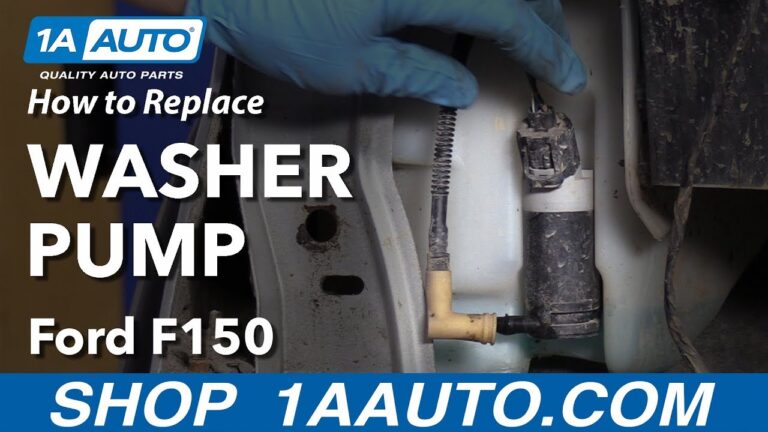
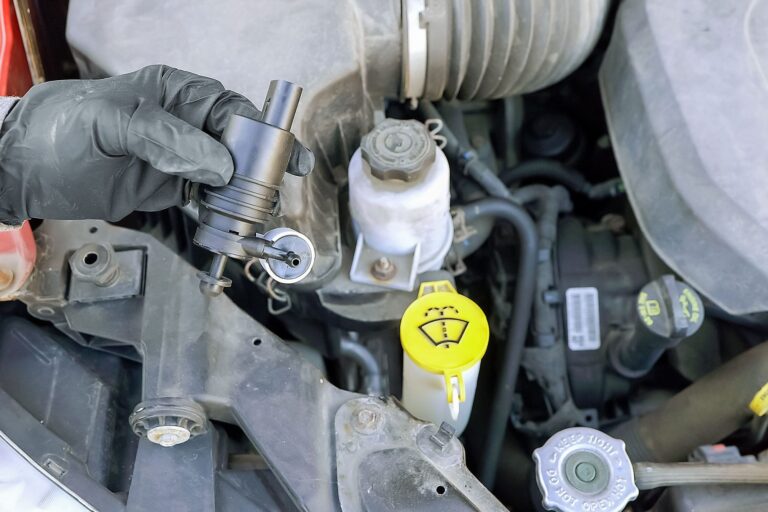
Learn how to replace a windshield washer pump on a Ford F-150, including diagnostic checks, tools, removal steps, installation tips, and troubleshooting.