Windshield washer fluid is generally not highly corrosive to vehicle parts when you use a suitable product as directed. However, its effects depend on the formula, the material it touches, and how long the liquid stays on the surface.
Across the United States, drivers use windshield washer fluid to remove road grime, dust, bugs, salt, and other debris. In northern states, winter formulas also help prevent the fluid from freezing in the reservoir and spray lines. Although this product is made for automotive use, that does not mean every formula is harmless to every surface.
Most ready-to-use washer fluids contain water, alcohol, and cleaning agents. Some also contain dyes and other additives. These ingredients help clean glass and lower the freezing point, but their effects on paint, metal, rubber, and plastic can vary. A brief splash on a compatible surface is different from a leak that leaves liquid sitting on a metal part for days.
The key is to separate corrosion from other types of damage. Corrosion involves the deterioration of a material, often a metal. Paint discoloration, rubber changes, plastic damage, and health hazards are different concerns. Understanding these differences helps you handle spills, choose the right fluid, and avoid unnecessary repairs.
What Makes Windshield Washer Fluid Potentially Corrosive?
Windshield washer fluid is a cleaning solution designed for vehicle glass and the washer system. It is not a single chemical. Its ingredients vary by brand, season, intended temperature range, and product type. These differences help explain why one formula may behave differently from another.
Corrosion is the gradual breakdown of a material through a chemical or electrochemical reaction. Iron and steel can rust when water and oxygen interact with exposed metal. Other metals can also corrode, although the process and appearance vary. A liquid does not need to be a strong acid to contribute to corrosion under certain conditions.
Most ordinary washer fluids are not designed to attack vehicle metals. Yet a product’s general purpose does not prove that it is compatible with every finish, seal, coating, or alloy. The manufacturer’s instructions and safety data sheet provide more useful guidance than the fluid’s color or smell.
Source: minit-tune.com
Water
Water forms a large part of many ready-to-use formulas. Water alone is not a strong corrosive agent, but trapped moisture can support rust on exposed iron or steel, especially when road salt is present.
Alcohols
Methanol or other alcohols may be used to lower the freezing point. These ingredients also affect flammability and toxicity. Their presence does not automatically mean the mixture will corrode a vehicle.
Cleaning agents
Surfactants help loosen dirt and road film. Their effects depend on the specific chemicals, their concentrations, and the surface being cleaned.
Dyes and additives
Some formulas contain colorants, fragrances, or other additives. Their presence and compatibility vary, so do not assume that all washer fluids have the same properties.
Is Corrosive the Same as Toxic?
No. Corrosivity describes a material’s ability to damage another material through chemical action. Toxicity describes the potential to harm a living organism. A washer fluid can be toxic without being strongly corrosive to car parts. Some products may also irritate the skin or eyes.
Many washer fluids contain methanol, which can cause severe poisoning if swallowed. Never taste the fluid or transfer it to a food or drink container. Keep it in its original, labeled container and follow its handling instructions.
For vehicle parts
Check material compatibility, spill duration, and the manufacturer’s instructions.
For people and pets
Treat the product as a potentially hazardous chemical, regardless of whether it is corrosive to metal.
Can Windshield Washer Fluid Damage Car Paint?
A brief splash of ordinary, vehicle-compatible windshield washer fluid on intact automotive paint is generally unlikely to cause serious damage. The product is intended for use around a vehicle’s windshield, and overspray can reach nearby body panels during normal use. Still, you should not treat every formula or painted surface as identical.
Modern automotive paint usually has several layers, including a clear coat that protects the color layer beneath it. A short exposure to a compatible washer fluid will not normally strip these layers. Problems become more plausible when a spill remains on the surface, the finish is already damaged, or the liquid mixes with other chemicals.
Heat and direct sunlight can cause liquid to evaporate more quickly. This may leave visible residue from dyes, minerals, or other ingredients. Residue is not proof that the paint has corroded. It may simply be a surface deposit that needs gentle cleaning.
Source: mroilguy.com
Brief contact
A small splash on sound paint will usually be manageable with prompt rinsing and gentle drying.
Dried residue
Colored spots or streaks may result from dried fluid. Wash the area with automotive-safe soap and water before considering stronger cleaning methods.
Damaged paint
Scratches, chips, peeling clear coat, and older repairs may be more vulnerable to staining or other surface effects.
Repeated leaks
Regular exposure can leave residue and keep dirt or moisture around trim and body seams. Find and repair the leak rather than relying on repeated cleaning.
How to Clean Washer Fluid From Paint
If washer fluid spills on your vehicle, rinse the affected area with clean water as soon as practical. Use a soft wash mitt and automotive-safe soap if residue remains. Rinse again, then dry the area with a clean microfiber towel.
Avoid abrasive pads, harsh solvents, and household cleaners unless the vehicle or product manufacturer specifically approves them. If the paint remains discolored or feels damaged after cleaning, ask an automotive detailing professional or body shop to inspect it.
Do
Use clean water, a gentle wash method, and products made for automotive paint.
Do not
Scrub aggressively or mix cleaning chemicals in an attempt to remove a stain.
Can Washer Fluid Corrode Metal Parts?
Windshield washer fluid is not generally expected to cause rapid corrosion in a properly maintained, compatible washer system. However, prolonged contact with exposed metal can contribute to a problem when other conditions are present. Moisture, road salt, damaged coatings, and existing rust may be more important factors than the washer fluid alone.
Metal parts near the washer reservoir can include brackets, fasteners, body panels, and other nearby components. Their resistance to corrosion depends on the metal, any protective coating, and the environment. A small leak that repeatedly wets one area deserves attention, even if the fluid itself is not strongly corrosive.
Drivers in states that use road salt during winter should be especially alert to persistent wetness around the engine bay and body seams. Salt can increase the conductivity of water and speed up corrosion on susceptible metals. A washer fluid leak may keep a surface damp or carry grime into a narrow gap, creating conditions that deserve cleaning and inspection.
Source: autoglassestimator.com
Exposed steel
Unprotected steel can rust when moisture and oxygen are present. Scratches and damaged coatings can expose the metal underneath.
Aluminum parts
Aluminum forms a natural oxide layer that often protects it. Certain chemical conditions can still damage that protection, so compatibility should not be assumed.
Fasteners and brackets
Small parts may corrode if moisture and road salt remain trapped around them. Clean and inspect persistent leaks instead of assuming the fluid is the only cause.
Electrical connectors
Repeated liquid exposure around connectors can cause problems, particularly if seals are damaged. Keep fluid away from electrical connections and seek qualified help if electrical symptoms appear.
Signs That Need an Inspection
Look for repeated wet patches, rust-colored marks, peeling protective coatings, or fluid collecting below the washer reservoir. These signs do not prove that washer fluid caused corrosion. A technician may need to identify the liquid and check the source of the leak.
If you see fluid near electrical components, avoid touching exposed wiring or connectors. Have the area inspected if a warning light appears, an electrical feature stops working, or the source of the leak is unclear.
Persistent dampness
Find out whether a cracked reservoir, loose hose, or leaking connection is allowing repeated exposure.
Visible rust
Check for other sources of moisture and road salt before blaming the washer fluid.
Unknown liquid
Do not identify a fluid by color alone. Check the source and ask a qualified technician if necessary.
Does Windshield Washer Fluid Damage Rubber, Plastic, or Glass?
The answer depends on the exact material and fluid formula. Washer systems use plastic reservoirs, rubber or elastomer seals, flexible hoses, and small spray nozzles. These parts are selected for automotive service, but their compatibility with every chemical mixture cannot be assumed.
A fluid approved for a vehicle’s washer system should normally be suitable for its intended use when handled as directed. Problems can arise when drivers use an unapproved chemical, a highly concentrated product without proper dilution, or a substitute meant for another automotive system.
Glass is generally resistant to ordinary washer fluid, which is designed to clean it. The more common concerns are streaking, residue, poor visibility, or damage from an unsuitable additive. If the windshield becomes hazy after spraying, stop using the product until you can check its suitability and clean the glass safely.
Source: storage.googleapis.com
Rubber seals and hoses
Compatibility depends on the rubber compound and the chemical mixture. Do not use household solvents or other unapproved liquids to clean the washer system.
Plastic reservoirs
A compatible washer fluid should be used as directed. Unapproved chemicals can affect some plastics or seals, so avoid improvised mixtures.
Spray nozzles
Dirt, deposits, freezing, and blocked lines can reduce spray performance. Corrosion is only one possible explanation for a malfunction.
Windshield glass
Normal washer fluid should clean automotive glass, but residue or an incompatible additive can cause streaks that reduce visibility.
Why the Correct Formula Matters
Washer fluid sold in the United States includes products intended for different seasons and temperatures. Summer formulas may focus on bugs and road film, while winter formulas use ingredients that help lower the freezing point. Concentrates must be prepared according to the label rather than diluted by guesswork.
The vehicle owner’s manual is the best starting point for checking the required fluid type. The product label and safety data sheet can provide further information about ingredients, hazards, dilution, and material precautions. If the manufacturer does not establish compatibility with a particular material, do not assume that it is safe simply because it is sold for automotive use.
Use the recommended product
Follow the vehicle manual and the fluid label, including any dilution instructions.
Avoid homemade chemical blends
Household cleaners, vinegar mixtures, and other improvised solutions may harm components or perform poorly.
Can Winter Washer Fluid Increase Corrosion Risk?
Winter washer fluid is not automatically more corrosive than summer fluid. Its main purpose is to help the washer system keep working in cold weather. Many winter products contain alcohols or other ingredients that lower the freezing point, but formulas differ, so there is no single rule that applies to every product.
The larger winter concern for many vehicles is the combination of moisture, road salt, dirt, and existing damage to protective coatings. These conditions can cause corrosion even when the washer fluid is suitable for the car. A leak may add to the problem if it repeatedly wets the same area or carries grime into tight spaces.
In colder parts of the United States, drivers should select a product rated for the temperatures they may encounter. A fluid that freezes in the reservoir, hoses, or nozzles can stop the washer system from working and may damage components. Check the label’s temperature rating rather than relying on the product’s color or a general seasonal description.
Source: evpulse.com
Choose the right freeze protection
Select a fluid rated for the expected local temperature and follow any mixing instructions.
Rinse off road salt
Clean salt and grime from exposed vehicle surfaces during suitable weather and routine washes.
Repair washer leaks
Replace damaged hoses, seals, or reservoirs when needed to prevent repeated wetting.
Do not add engine coolant
Radiator coolant is not a substitute for washer fluid. It can leave a film on the windshield and interfere with visibility.
Does Washer Fluid Need to Be Rinsed Off in Winter?
If washer fluid spills on the vehicle body or nearby parts, rinse it away when conditions allow. Do not pour water over a vehicle outdoors if it is likely to freeze in a way that creates a safety problem. In freezing weather, use a safe wash area or wait for suitable conditions.
If fluid has leaked into an enclosed space or near an electrical connection, a simple exterior rinse may not solve the issue. Have a technician inspect the source and determine whether cleaning or repair is needed.
Normal use
Using the correct product in a working washer system does not normally require a special corrosion treatment.
A large spill or leak
Clean the affected area safely, identify the source, and inspect any parts that remain wet.
How to Prevent Washer Fluid Damage and Corrosion
The best way to prevent problems is to use the correct fluid, clean spills promptly, and fix leaks early. These steps reduce unnecessary chemical exposure and prevent moisture from collecting around nearby parts. They also help keep the windshield clear, which is a key safety benefit of a working washer system.
Start with the owner’s manual and the instructions on the fluid container. If you are unsure whether a product is compatible, check its technical information or ask the vehicle manufacturer or a qualified repair shop. Do not rely on online claims that every blue, green, or orange fluid has the same chemical properties.
When inspecting the system, work on a parked vehicle in a well-ventilated area and keep the fluid away from heat, sparks, and flames. Avoid contact with your eyes and skin, and wash your hands after handling the product. Never work beneath an unsupported vehicle or reach into moving machinery to investigate a leak.
Source: minit-tune.com
Step 1: Check the owner’s manual
Confirm the type of washer fluid recommended for your vehicle and climate.
Step 2: Inspect the reservoir
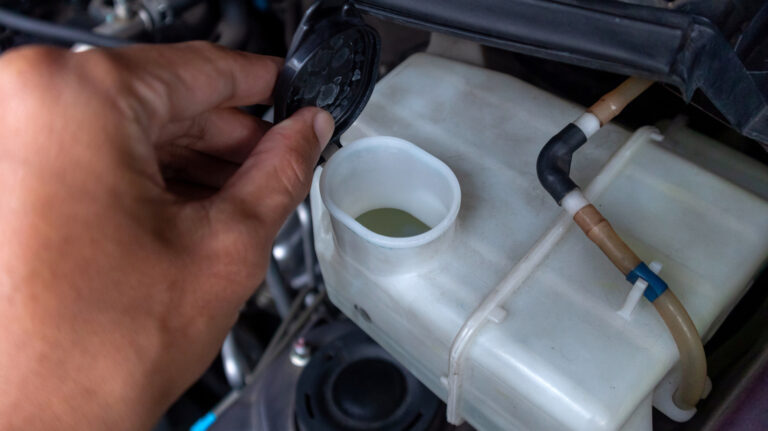
Look for visible cracks, loose caps, damaged hoses, or wet areas around the reservoir.
Step 3: Clean accidental spills
Follow the product label. For a small exterior spill, rinse with water when conditions are safe and dry the surface gently.
Step 4: Check for leaks
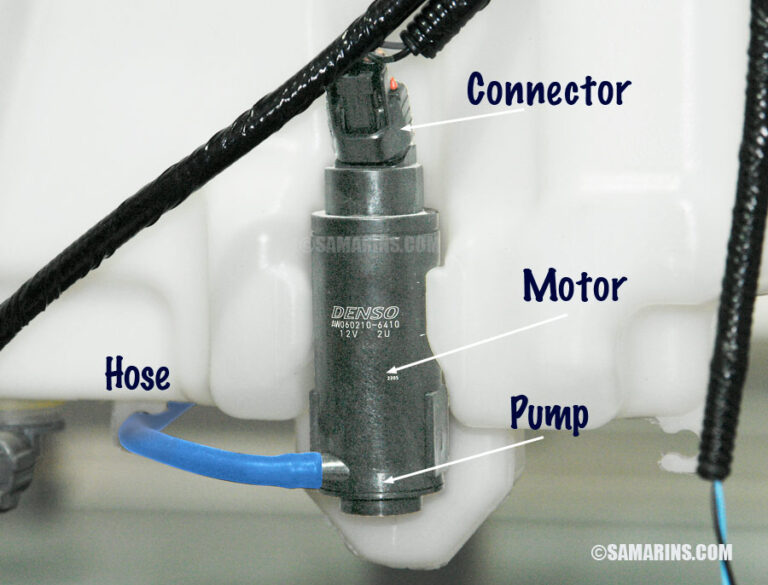
If the fluid level drops repeatedly without normal use, arrange an inspection of the reservoir, hoses, pump, and connections.
Step 5: Monitor washer performance
Check whether the spray reaches the windshield and whether the wipers clear it without unusual streaking.
What to Do if Washer Fluid Leaks
A leak can come from a cracked reservoir, a loose hose, a failed seal, or a damaged pump connection. First, park safely and switch off the vehicle. If the source is easy to see without touching hot or moving parts, note its location and the amount of liquid present.
Do not assume that every puddle under a vehicle is washer fluid. Coolant, oil, brake fluid, and other liquids can have different colors and hazards. If the liquid is unknown, avoid direct contact and have the vehicle inspected. A repair professional can identify the source and determine whether nearby parts need cleaning or replacement.
If a leak is close to electrical components, do not spray water into the area or attempt an improvised electrical repair. Seek qualified help, especially if warning lights or electrical faults appear.
Small exterior spill
Follow the product label and clean the surface without spreading the fluid onto other materials.
Repeated fluid loss
Arrange a repair instead of continually topping up the reservoir.
Unknown or large leak
Keep people and pets away from the liquid and ask a qualified technician how to handle the area safely.
How to Read the Product Safety Data Sheet
A safety data sheet, often called an SDS, gives details about a particular chemical product. It is more useful for evaluating a specific washer fluid than a broad statement about the whole product category. Look for the exact product name and version so that the information matches the container you have.
The hazard identification section describes known health and physical hazards. The handling and storage section explains precautions, while the stability and reactivity section may describe incompatible materials. The exposure controls section can provide guidance on protective equipment. These details help you understand the product’s risks without guessing from its color or odor.
Verify the product identity
Make sure the sheet matches the brand, formula, and product version.
Check material warnings
Follow any documented restrictions for metals, plastics, coatings, or other materials.
Follow handling precautions
Use the stated protective measures and storage instructions rather than assuming that a common automotive product is harmless.
Windshield Washer Fluid vs. Other Automotive Fluids
Windshield washer fluid, engine coolant, brake fluid, and engine oil serve different purposes. Their chemical makeup and material compatibility differ, so they should never be treated as interchangeable. Using the wrong fluid can create a more serious problem than ordinary washer fluid contact.
Engine coolant is designed to manage engine temperature, not clean a windshield. Brake fluid belongs in the specified braking system, while engine oil lubricates engine components. Washer fluid is made for the washer reservoir and spray system. Putting one fluid into another system can cause poor performance, component damage, or a safety hazard.
If you accidentally add the wrong liquid to a reservoir, do not start using the system in an attempt to dilute it. Check the owner’s manual and contact a qualified repair professional for instructions. The correct response depends on the fluid, the amount added, and whether the system has been operated.
Source: carfromjapan.com
Windshield washer fluid
Used to clean automotive glass and, in suitable formulas, help prevent freezing in the washer system.
Engine coolant
Used to control engine temperature. It should not be placed in the windshield washer reservoir.
Brake fluid
Used in the braking system. Contact with the wrong materials can cause damage, and handling must follow the vehicle’s service guidance.
Engine oil
Used to lubricate engine parts. It is not a glass cleaner and can leave a film that affects visibility.
Is Plain Water a Safer Alternative?
Plain water may be acceptable as a short-term option in suitable warm conditions if the vehicle manufacturer permits it. However, water does not provide the same cleaning performance or freeze protection as every purpose-made washer fluid. In freezing weather, water can freeze in the reservoir, lines, or nozzles and prevent the system from working.
Water quality also matters. Hard water may leave mineral deposits over time, and water alone may not remove road film or insect residue as effectively as a suitable cleaning formula. Check the vehicle manual and return to a recommended product when practical.
Warm weather
Use water only when the manufacturer permits it and the conditions do not create a freezing risk.
Cold weather
Use a suitable washer fluid with freeze protection rated for the expected temperature.
Frequently Asked Questions
Q
Is windshield washer fluid corrosive to metal?
Most ordinary automotive washer fluids are not highly corrosive to compatible vehicle parts when used as directed. However, prolonged exposure, damaged protective coatings, road salt, and trapped moisture can contribute to corrosion. Check the product safety data sheet if you need information about a specific formula.
Q
Will windshield washer fluid ruin car paint?
A brief splash of a suitable washer fluid is generally unlikely to ruin intact automotive paint. Dried residue, prolonged exposure, damaged clear coat, and incompatible additives can create other problems. Rinse spills promptly and use automotive-safe soap if needed.
Q
Can windshield washer fluid damage rubber hoses and seals?
A product intended for the vehicle’s washer system should normally be suitable when used as directed. Compatibility can vary by material and formula, so avoid unapproved chemicals and homemade mixtures. If a hose swells, cracks, or leaks, have it inspected and replaced as needed.
Q
Does windshield washer fluid cause rust?
Washer fluid does not automatically cause rust. Rust can develop when susceptible iron or steel remains exposed to moisture and oxygen. Road salt, damaged coatings, and persistent leaks may increase the risk, so clean affected areas safely and repair the source of repeated wetness.
Q
Is windshield washer fluid safe to touch?
Do not assume that it is harmless. Some formulas contain methanol or other ingredients that can be toxic or irritating. Follow the label, avoid skin and eye contact, and wash exposed skin with water. If the fluid enters the eyes, rinse promptly and seek medical advice if irritation continues. If swallowed, contact a poison center or emergency medical service immediately.
Q
Can windshield washer fluid damage plastic parts?
The risk depends on the plastic, the formula, and the duration of exposure. Products intended for the vehicle’s washer system are designed for their specified use, but compatibility with every plastic cannot be guaranteed. Use the recommended fluid and have damaged reservoirs or fittings checked.
Q
Should I rinse windshield washer fluid off my car?
Rinse accidental spills from painted surfaces with clean water when conditions allow. If residue remains, use automotive-safe soap and dry the area gently. Avoid rinsing in conditions where water may freeze and create a hazard, and seek professional help for persistent staining or unknown chemical spills.
✦ Wrapping Up
Conclusion
Windshield washer fluid is generally not highly corrosive to compatible automotive parts when used as directed. However, the exact formula, the material involved, and the length of exposure all matter. A brief splash on intact paint is usually a minor concern, while a persistent leak near exposed metal or electrical parts deserves closer attention.
For U.S. drivers, the most practical approach is to follow the vehicle owner’s manual, choose a washer fluid rated for local weather, clean spills safely, and fix leaks promptly. Do not use engine coolant or other automotive fluids as substitutes, and check the product label and safety data sheet when compatibility is uncertain.
Remember that corrosion is only one concern. Some washer fluids are toxic and flammable, so store them in their original containers, keep them away from children and pets, and follow all handling precautions. If you notice rust, damaged components, recurring leaks, or electrical symptoms, arrange a professional inspection rather than guessing at the cause.
💡 Key Takeaway
Check your owner’s manual and washer fluid label today. If you find a spill, clean it safely; if you find a recurring leak or signs of corrosion, identify the source and arrange the right repair.