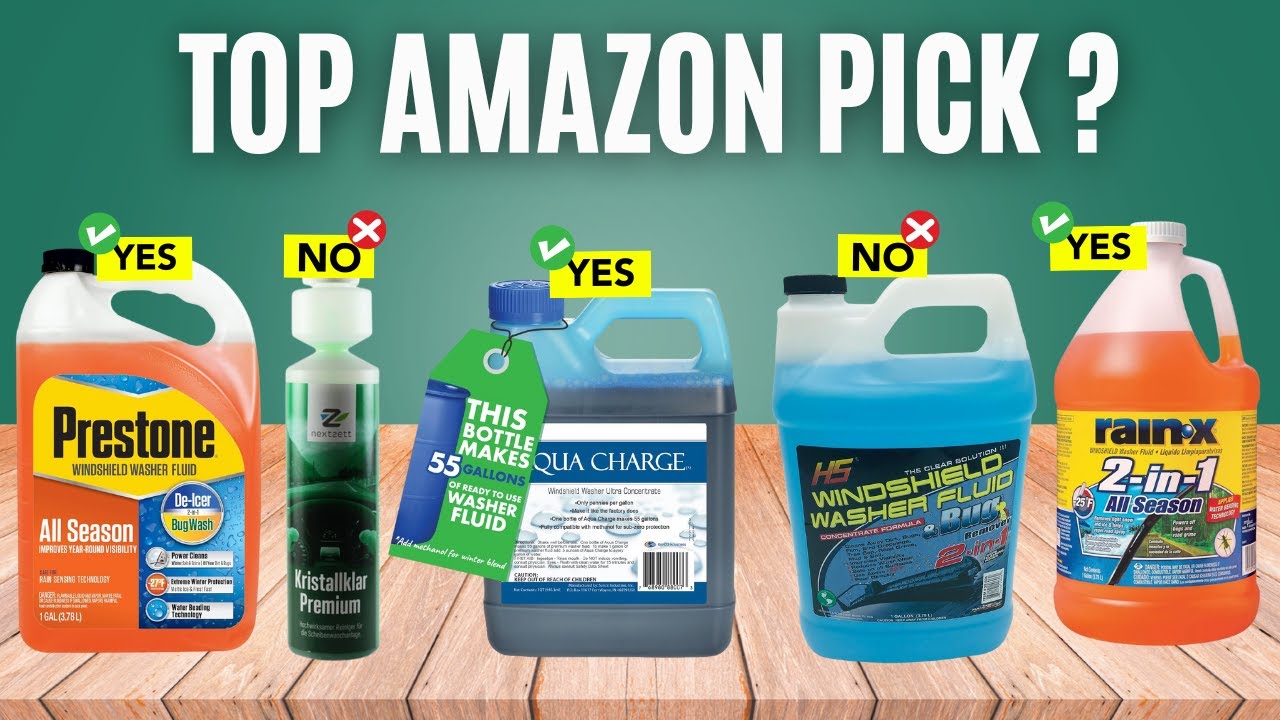
Yes, there are different types of windshield washer fluid. Common options include summer, winter, all-season, bug-removal, water-repellent, and concentrated formulas. Each type serves a different purpose, so the right choice depends on your local weather, driving conditions, and vehicle maker’s instructions.
Across the United States, drivers face very different road and weather conditions. A driver in Florida may deal with rain, pollen, dust, and insects, while someone in Minnesota may need washer fluid that stays liquid during freezing winter weather. One formula may not meet both needs equally well.
Windshield washer fluid, also called windshield wiper fluid, helps remove road film, dirt, salt, and other debris from glass. Some formulas focus on cleaning bugs, while others offer freeze protection or a water-repellent effect. The label tells you what the product is made to do and the temperatures for which it is intended.
Choosing the right fluid is simple once you know what the main types offer. This guide explains their uses, key differences, limits, and safety concerns so you can select a suitable formula without paying for features you may not need.
What Are the Main Types of Windshield Washer Fluid?
The main types of windshield washer fluid differ in cleaning power, freeze protection, and added features. Most products fit into one or more categories. For example, a winter formula may also remove bugs, while an all-season formula may include a water-repellent ingredient.
The most useful distinction is the job the fluid must do. A basic cleaner handles routine dirt, a winter formula protects against freezing, and a bug-removal formula targets sticky insect residue. Concentrated products also differ from ready-to-use fluids because they require preparation according to the label.
The table below compares common options. Product names and features vary by brand, so use the stated temperature rating and directions on the exact container you buy.
Source: ricksfreeautorepairadvice.com
Summer washer fluid
Designed for warm weather and routine cleaning, often with ingredients that help loosen bugs, pollen, and road grime.
Winter washer fluid
Contains freeze-protection ingredients and may help remove light frost or slush, depending on its rating and formula.
All-season washer fluid
Made for use across a range of conditions. Its stated temperature rating determines whether it suits your winter climate.
Bug-removal washer fluid
Uses cleaning agents intended to loosen insect residue and other sticky deposits.
Water-repellent washer fluid
Adds a coating intended to help water bead on the glass. Compatibility with your vehicle’s wipers and washer system matters.
Concentrated washer fluid
Must be diluted or prepared as directed. The final mixture must have suitable cleaning ability and freeze protection.
Comparison of Common Washer Fluid Types
Use this comparison to narrow your choices. No type is automatically best for every driver, and features may overlap between products.
For everyday dirt
Choose a basic or all-season cleaner with a temperature rating that suits your climate.
For frequent summer driving
Consider a summer or bug-removal formula if insects and road film often cover your windshield.
For freezing weather
Choose winter-rated fluid that remains effective at the lowest expected temperature.
For concentrated storage
Consider concentrate only if you can follow the mixing directions and measure the dilution correctly.
1. Summer Windshield Washer Fluid
Summer washer fluid is made for warm conditions when freezing is not a concern. It helps remove ordinary road dirt, dust, pollen, and oily film. Some versions also include cleaning agents aimed at dried insect residue.
In many parts of the United States, summer driving brings more insects, road trips, pollen, and dusty roads. These deposits can build up fast and create a hazy film that makes it harder to see clearly, especially when sunlight hits the glass.
Summer formulas can be useful when your windshield often collects bugs or grime. However, they may not offer enough protection against freezing temperatures. If the weather can turn cold where you drive, check the label before using a summer-only product.
Source: carfluidpro.com
Best suited for
Warm weather, routine cleaning, pollen, dust, and insect residue.
Main benefit
Focuses on cleaning common warm-weather deposits from glass.
Main limitation
May freeze in cold weather if it lacks sufficient freeze protection.
Does Summer Fluid Remove Dried Bugs?
Some summer formulas are designed to soften and remove bug residue, but results depend on how long the insects have been on the glass and how dirty the windshield is. Dried deposits may need more than one washer cycle.
If the windshield remains smeared, park safely and clean the glass with a suitable automotive glass cleaner. Keep the washer reservoir filled, and replace worn wiper blades when they leave persistent streaks.
Check the label
Look for a clear statement that the product is intended to remove insect residue.
Keep the glass maintained
Clean the windshield and wiper blades as needed instead of relying on washer fluid alone.
2. Winter Windshield Washer Fluid
Winter washer fluid is made to resist freezing at a stated temperature. This matters in states where temperatures drop below freezing, because frozen fluid can stop the washer system from working when you need a clear view of the road.
Winter formulas use ingredients that lower the freezing point of the liquid. Some also help loosen frost or light ice on the windshield. However, a washer fluid is not a replacement for a proper defroster, an ice scraper, or safe snow and ice removal.
Check the product’s temperature rating before buying it. A fluid rated for mild cold may not be suitable for a severe winter in states such as North Dakota, Michigan, or Maine. The lowest temperature you expect to face is more useful than the season name alone.
Source: www.pinterest.com
Best suited for
Freezing temperatures, winter road spray, and cold-weather driving.
Main benefit
Helps the washer system remain usable when the correct freeze rating is selected.
Main limitation
A rating that is too warm for local conditions may leave the fluid or spray system vulnerable to freezing.
How Cold Should Your Washer Fluid Be Rated For?
Select a product whose stated freeze protection meets the lowest temperatures expected during your trips. If you drive through mountain passes or travel between states, account for colder destinations rather than choosing fluid based only on your home town.
Do not assume that every product labeled winter offers the same protection. Read the temperature rating, check whether the product is ready to use, and follow any directions about dilution. Adding water to a ready-to-use winter formula can reduce its freeze protection.
If the washer jets stop spraying during a freeze, do not keep operating the system in the hope that it will clear itself. Stop somewhere safe, let the vehicle warm as appropriate, and follow the vehicle manual’s advice. Seek service if the system remains blocked.
Before winter
Check the reservoir and refill with a suitable winter-rated formula before severe cold arrives.
During a cold snap
Keep the windshield clear with the defroster and proper ice removal. Do not drive with an obscured view.
3. All-Season Windshield Washer Fluid
All-season washer fluid is designed to handle everyday cleaning across a range of weather conditions. It can be a practical choice for drivers who want one product for much of the year rather than changing formulas every season.
The term all-season does not mean that every formula works in every climate. One product may offer modest cold protection, while another may be rated for much lower temperatures. The stated rating is the key detail, not the wording on the front of the bottle.
For drivers in areas with mild winters, an all-season formula may provide enough protection and cleaning power. In regions with severe cold, a stronger winter product may be more suitable. Always check the forecast and the label before relying on an all-season fluid.
Source: www.youtube.com, Car Care
Best suited for
Drivers who want routine cleaning and suitable freeze protection within a defined temperature range.
Main benefit
Can reduce the need to switch products when seasons change.
Main limitation
May not provide enough protection during extreme cold.
Is All-Season Fluid Better Than Summer or Winter Fluid?
All-season fluid is not always better. It is a convenient option when its cleaning features and temperature rating match your needs. A dedicated winter formula may be the better choice when temperatures drop well below freezing, while a bug-focused summer formula may suit heavy summer driving.
Think of all-season fluid as a general-purpose option rather than a guarantee of year-round performance. Choose based on local weather, the types of dirt you face, and the vehicle maker’s requirements.
Choose convenience
Use all-season fluid if its temperature rating covers your expected driving conditions.
Choose a seasonal formula
Switch when a specialized cleaning need or colder temperature makes it more suitable.
4. Bug-Removal and Heavy-Duty Cleaning Formulas
Bug-removal washer fluid is designed to help loosen insect remains, sticky road film, and other stubborn deposits. It can be useful for drivers who travel long distances, use highways often, or drive through areas with many insects.
These products may contain cleaning agents that differ from those in a basic washer fluid. Their performance still depends on the residue, the age of the deposit, the condition of the glass, and the wiper blades. No formula can guarantee that every dried stain will disappear with one spray.
Some bug-removal formulas are intended for warm weather, while others offer additional features. Do not assume that a product with strong cleaning claims is safe for freezing temperatures. Look for a stated temperature rating and use the formula according to its directions.
Source: autoglassestimator.com
Best suited for
Frequent highway driving, insect buildup, and stubborn road grime.
Main benefit
Targets deposits that a basic cleaner may struggle to remove.
Main limitation
May require manual cleaning for old or heavy residue and may have limited freeze protection.
When Should You Use a Heavy-Duty Cleaner?
Use a stronger cleaning formula when routine washer fluid leaves a film or cannot remove common road deposits. If the glass still looks hazy, stop in a safe place and inspect the windshield rather than repeatedly spraying while driving.
Greasy film, mineral deposits, damaged wiper blades, and a dirty windshield can all cause poor wiping. Washer fluid alone may not solve these problems. A suitable glass cleaner and clean microfiber cloth can help with deposits that remain after normal washing.
Inspect the glass
Check whether the residue is on the outside or inside of the windshield.
Check the blades
Replace damaged or worn blades if they leave repeated streaks.
5. Water-Repellent Windshield Washer Fluid
Water-repellent washer fluid is made to clean the windshield and leave a surface treatment intended to help rain form beads and move off the glass. This can appeal to drivers who often travel in wet weather.
The extra coating is the main difference between this type and a standard cleaner. Its real-world effect depends on the product, glass condition, speed, rainfall, and wiper performance. It does not remove the need for functioning wipers or careful driving in heavy rain.
Compatibility is especially important with water-repellent formulas. Some vehicle manufacturers warn that certain water-repellent products or additives can cause wiper chatter, skipping, or other problems. Check your owner’s manual before using one, especially if your vehicle has rain-sensing wipers or special glass treatments.
Source: kmsolutionsllc.com
Best suited for
Drivers who want a cleaning fluid with an added water-beading feature and whose vehicle permits its use.
Main benefit
May help rainwater bead on the glass and improve water movement under suitable conditions.
Main limitation
May cause wiper chatter or skipping on some vehicles, and it cannot replace good wipers or safe driving.
Can You Mix Water-Repellent Fluid With Regular Washer Fluid?
Do not assume that mixing the two types is safe or useful. Different formulas may use different ingredients, and mixing can change cleaning performance or leave unwanted residue. Some vehicle manuals specifically advise against water-repellent washer products.
If you want to change types, follow the product directions and the vehicle maker’s guidance. If you notice skipping, chatter, or a persistent film after switching, stop using the product and seek advice from the vehicle manufacturer or a qualified service professional.
Check compatibility first
Review the owner’s manual and the product label before adding a water-repellent formula.
Watch for changes
Pay attention to streaking, residue, and unusual wiper movement after a product change.
6. Concentrated Versus Ready-to-Use Washer Fluid
Concentrated and ready-to-use washer fluids differ in how they are prepared. Ready-to-use fluid is sold at the intended strength and can usually be poured into the reservoir as directed. Concentrate needs the specified amount of water or other preparation before use.
Concentrate can reduce the amount of liquid you need to store and transport. However, it requires careful measuring. Too much water may weaken cleaning performance or reduce freeze protection, while an incorrect mixture may fail to meet the product’s intended specifications.
Read the entire label before preparing a concentrate. Some products are designed for different dilution ratios based on the season or desired freeze protection. Never assume that all concentrates use the same ratio, and never add water to a ready-to-use product unless the manufacturer specifically allows it.
Source: www.youtube.com, Review Product
Ready-to-use fluid
Convenient for quick refills because it requires no mixing when used as directed.
Concentrated fluid
Can be practical for storage and transport but requires accurate preparation.
Important rule
Use only the dilution ratio and water type stated by the product maker.
How Do You Choose Between Concentrate and Premixed Fluid?
Choose ready-to-use fluid if you want a simple refill and do not want to measure ingredients. Choose concentrate if the label provides clear mixing directions and you can prepare the correct blend.
For winter driving, the final mixture must have sufficient freeze protection for the lowest temperatures you expect. If the instructions are unclear, select a ready-to-use product with an appropriate rating rather than guessing at the mixture.
For convenience
Ready-to-use fluid is often the simplest choice.
For flexible preparation
Concentrate may be useful when you can follow its exact mixing instructions.
How to Choose the Right Windshield Washer Fluid
The best washer fluid for your vehicle is the one that cleans the glass well, suits the weather, and is compatible with your washer system. You do not need to buy every available type. Start with your climate and the conditions you encounter most often.
Before buying, read the product label and your vehicle owner’s manual. Pay attention to the stated freeze rating, any mixing directions, and warnings about water-repellent ingredients. If your vehicle maker specifies a particular type, follow that guidance.
Source: autoglassestimator.com
Step 1: Check your climate
Choose freeze protection that suits the lowest temperatures expected where you drive.
Step 2: Identify your main cleaning need
Use a general cleaner for routine dirt or consider a bug-removal formula for frequent insect buildup.
Step 3: Read the temperature rating
Do not rely on terms such as all-season or winter without checking the stated limit.
Step 4: Check vehicle compatibility
Look for warnings about water-repellent additives, special glass, and washer-system requirements.
Step 5: Confirm how it is used
Determine whether the fluid is ready to use or requires dilution.
A Simple Decision Guide for U.S. Drivers
A driver in a warm coastal area may prefer a summer or general-purpose cleaner that handles insects and road film. A driver in a region with regular freezing weather should give freeze protection priority, even if bug removal is also useful.
If you travel across several climate zones, choose fluid rated for the coldest conditions on your route. For drivers who prefer a single product, an all-season formula may work if its stated rating covers those conditions.
Warm climate
Consider a summer or all-season cleaner with the features you need.
Cold climate
Choose a winter-rated formula that covers expected low temperatures.
Mixed weather
Use an all-season formula only if its rating meets your local and travel needs.
Frequent highway travel
Consider bug-removal features without sacrificing needed freeze protection.
Can You Mix Different Types of Windshield Washer Fluid?
Mixing different washer fluids is not always recommended. Some ordinary cleaning formulas may be compatible, but ingredients and intended uses vary. Mixing products can change freeze protection, reduce cleaning performance, or create residue that affects the windshield and wipers.
The safest approach is to follow both product labels and the vehicle owner’s manual. If the manufacturer warns against mixing formulas, do not do it. This is especially relevant to specialty products, including some water-repellent treatments and vehicle-specific washer fluids.
If you do not know what is already in the reservoir, avoid guessing about its freeze protection. For cold-weather use, the mixture needs adequate protection for the expected temperature. If the contents are unsuitable or uncertain, ask a qualified service professional about the appropriate way to replace the fluid.
Source: ricksfreeautorepairadvice.com
Avoid random combinations
Do not mix products simply because both are labeled windshield washer fluid.
Adding water or a different formula can change the mixture’s temperature rating.
Follow vehicle guidance
Some vehicles have specific restrictions on washer fluid additives.
What If You Added the Wrong Washer Fluid?
If you added a small amount of a different washer fluid, check the product labels and the vehicle manual before adding anything else. Do not try to correct an unknown mixture by pouring in extra concentrate or water.
If you accidentally added engine coolant, radiator antifreeze, or another non-washer fluid, do not operate the washer system. Contact a qualified mechanic for guidance on proper removal and cleaning. Coolant can smear across the glass and impair visibility.
Ask a qualified service professional how to correct contamination without damaging the washer system.
Does Windshield Washer Fluid Color Matter?
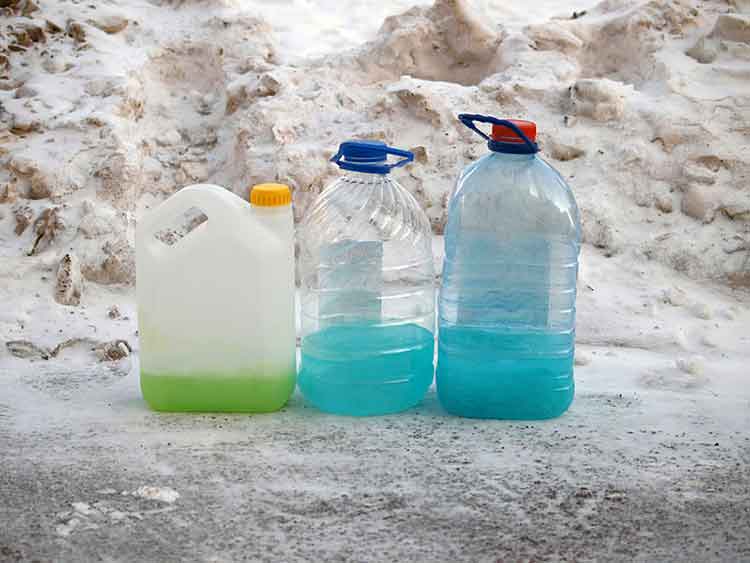
Windshield washer fluid color is not a dependable way to identify its type. Products may be blue, green, pink, orange, or another color, but color alone does not tell you the ingredients, cleaning strength, or freezing point.
Two fluids with the same color may have different formulas, and two fluids with different colors may serve similar purposes. A colored liquid is not proof that it is winter-rated, safe for every vehicle, or suitable for mixing with another product.
Read the container label instead. Look for the product’s intended use, temperature rating, dilution directions, and compatibility warnings. If the fluid in the reservoir is unknown, do not rely on its color to decide whether it is suitable for freezing weather.
Source: kmsolutionsllc.com
What color can tell you
It can help you see the liquid in a container or reservoir, but it does not reliably identify its formula.
What the label tells you
It provides the intended use, stated temperature protection, and directions for safe use.
Can Blue Washer Fluid Be Used in Winter?
Blue washer fluid can be suitable for winter only if its formula provides enough freeze protection for the temperatures you expect. Its color does not establish that protection.
Check the temperature rating and make sure the product is intended for your conditions. Apply the same rule to green, pink, orange, or any other color.
Check the stated rating
Use the printed temperature limit rather than color as your guide.
Windshield Washer Fluid Safety and Common Mistakes
Windshield washer fluid is a chemical product, not drinking water. Some formulas contain methanol or other alcohols, and swallowing them can cause severe poisoning. Handle the product carefully and follow the safety directions on the container.
Store the fluid in its original, clearly labeled container with the cap secured. Keep it out of reach of children and pets, and never pour it into a drinking bottle, cup, or food container. If someone swallows washer fluid, seek urgent poison-control or emergency medical advice rather than waiting for symptoms.
The other major safety concern is visibility. Using the wrong fluid, driving with a frozen washer system, or relying on a poor cleaning result can leave the windshield obscured. Do not continue driving when you cannot see the road clearly.
Source: carfluidpro.com
Never use engine coolant
Radiator coolant is not windshield washer fluid and can create a dangerous film on the glass.
Do not drink or taste it
Keep washer fluid away from the mouth, eyes, children, and pets.
Avoid flames and sparks
Some washer fluids are flammable. Follow the product’s handling and storage instructions.
Do not run the pump dry
Refill the reservoir when needed and follow the vehicle manual’s instructions.
Never dilute without checking
Water can weaken a winter mixture and increase the risk of freezing.
What Should You Do If Washer Fluid Does Not Spray?
If the washer system stops working, first check the reservoir level and the outside temperature. A low reservoir may need a refill, while freezing conditions may prevent the fluid from flowing.
If the reservoir is full and the weather is not cold, a blocked nozzle, a leak, a damaged hose, or a pump fault may be the cause. Do not keep activating a system that is not working. Have a mechanic inspect it if basic checks do not resolve the problem.
Check the fluid level
Refill with the correct product if the reservoir is low.
Consider freezing
Allow appropriate warming and follow the manual rather than forcing a frozen system.
Arrange a repair
Seek service if the nozzles, hoses, or pump appear to be faulty.
Frequently Asked Questions
Q
Are there different types of windshield washer fluid?
Yes. Common types include summer, winter, all-season, bug-removal, water-repellent, and concentrated formulas. Some products combine several features, so read the label to learn what each one does.
Q
Which windshield washer fluid is best for everyday use?
A general-purpose or all-season formula can work well for everyday driving if its temperature rating suits your climate. In areas with severe winters, choose a product with enough freeze protection for the lowest expected temperatures.
Q
Can I use water instead of windshield washer fluid?
Some vehicle manuals allow plain water in limited circumstances, especially in warm weather. However, water does not provide the same cleaning additives or freeze protection as suitable washer fluid. It can freeze in cold weather, so follow your vehicle manual and use the correct fluid for your conditions.
Q
Can I use winter washer fluid all year?
Often, yes, if the product is suitable for your vehicle and its label permits year-round use. It may be a practical choice when temperatures change often. Check its cleaning features, temperature rating, and any manufacturer restrictions before using it throughout the year.
Q
Can different windshield washer fluids be mixed?
Compatibility varies by formula. Mixing can change freeze protection or cleaning performance, and some vehicle makers warn against certain combinations. Follow the product labels and owner’s manual rather than assuming that all fluids are interchangeable.
Q
Does windshield washer fluid expire?
Storage life varies by formula and manufacturer. Check the container for a shelf-life statement, storage conditions, or a date code. Keep the cap tightly closed and protect the product from unsuitable temperatures. If the fluid’s condition or history is uncertain, follow the manufacturer’s advice before using it.
Q
Can windshield washer fluid damage car paint?
Washer fluid intended for automotive use is generally designed for normal use on vehicle glass and surrounding surfaces, but formulas vary. Avoid prolonged contact with the bodywork, follow the label, and rinse spills when appropriate. If a product causes an unusual mark or reaction, stop using it and consult the vehicle maker.
Q
Is water-repellent washer fluid safe for every car?
No. Some vehicle makers caution against water-repellent additives because they may cause wiper chatter, skipping, or other issues. Check the owner’s manual before using a formula that leaves a coating on the glass.
✦ Wrapping Up
Conclusion
There are several types of windshield washer fluid, and each serves a different need. Summer and bug-removal formulas help with warm-weather grime, winter formulas focus on freeze protection, and all-season products offer a general-purpose option within a stated temperature range. Water-repellent and concentrated formulas add features that require closer attention to compatibility and preparation.
For most drivers, the decision comes down to climate, the dirt encountered most often, and the vehicle maker’s instructions. Do not choose by color or a product name alone. Read the label, confirm the temperature rating, and avoid mixing fluids unless the directions permit it.
A clean windshield is a key part of safe driving. The right washer fluid helps keep the glass clear, but it works best alongside sound wiper blades, a working washer system, and proper windshield maintenance.
💡 Key Takeaway
Before your next refill, check your owner’s manual, choose a washer fluid rated for your expected weather, and confirm whether it is ready to use or requires dilution. In freezing conditions, make adequate freeze protection your first priority.
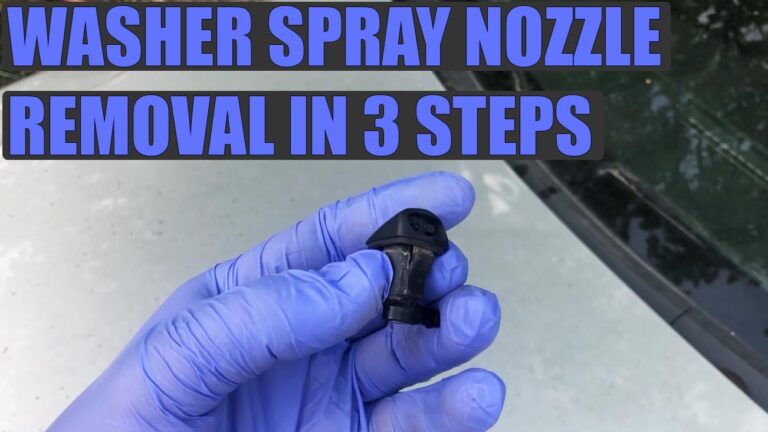
Learn how to remove a windshield washer nozzle safely, identify clip and screw-mounted designs, disconnect the hose, replace the nozzle, and test the spray pattern.