Yes, a cracked windshield can break further or suddenly develop extensive cracks while driving. However, most modern US vehicles use laminated windshield glass that helps hold broken pieces together. A damaged windshield can still threaten visibility, passenger protection, and vehicle safety, so prompt professional inspection is essential.
Across the United States, drivers face many road hazards, from loose gravel on interstate highways to potholes on city streets and sudden changes in weather. A small stone can leave a chip in a windshield, while heat, cold, road vibration, or another impact can cause that damage to spread. What looks like a minor mark in the morning may become a serious obstruction during a drive.
Modern automotive windshields generally use laminated safety glass. This design has two glass layers bonded to a plastic inner layer, which helps retain glass fragments when the glass breaks. As a result, a cracked windshield does not usually fall apart like a typical drinking glass. Still, the glass can develop a dense network of cracks, lose some of its strength, and interfere with the driver’s view.
The safest response depends on the crack’s size, location, depth, and rate of growth. A tiny chip away from the driver’s main field of vision may qualify for repair, but a long crack, edge damage, or glass that suddenly becomes difficult to see through calls for a more cautious response. If the windshield has extensive damage, do not continue driving just to reach a repair shop. Arrange safe assistance instead.
Can a Cracked Windshield Actually Shatter While Driving?
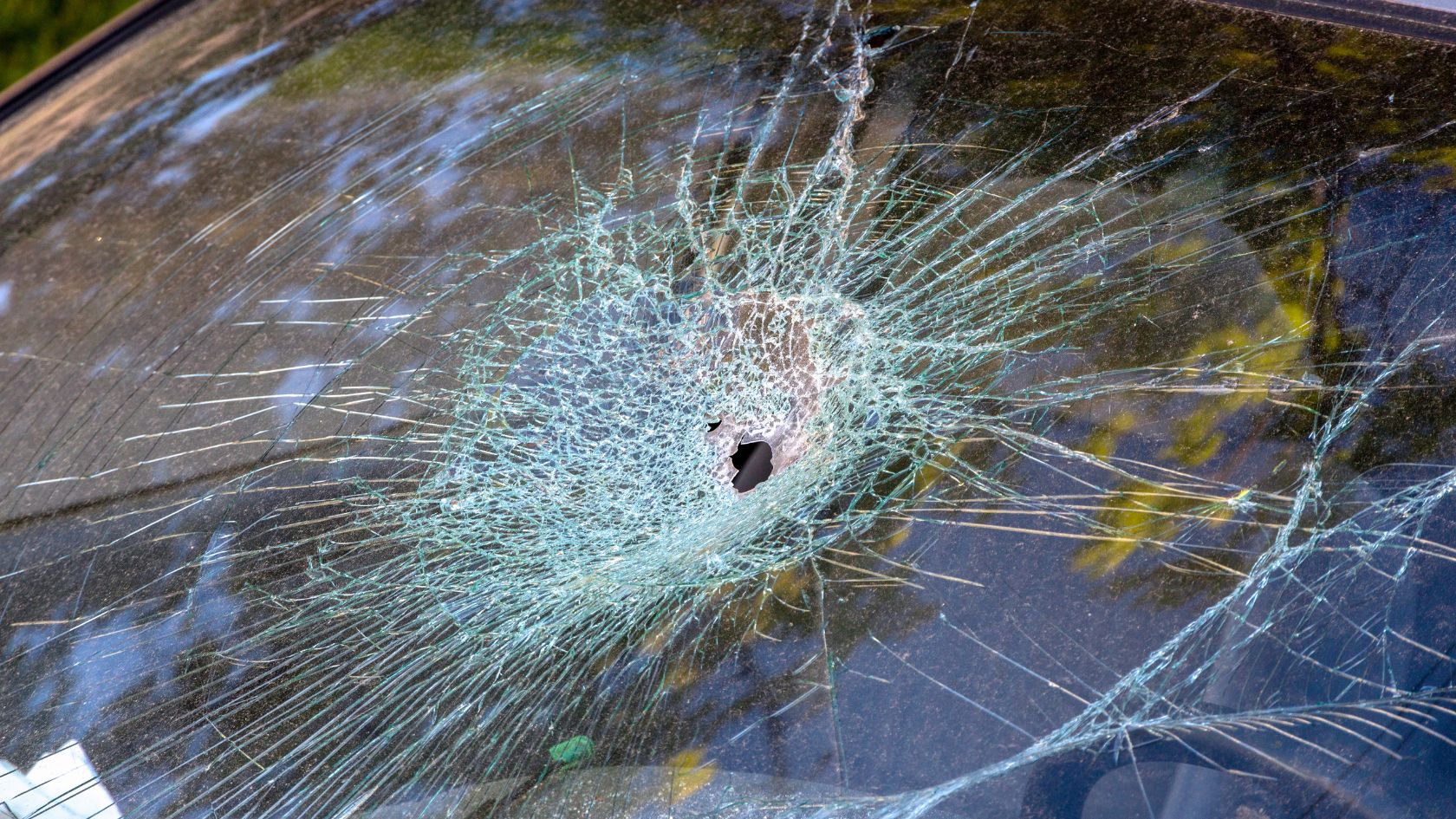
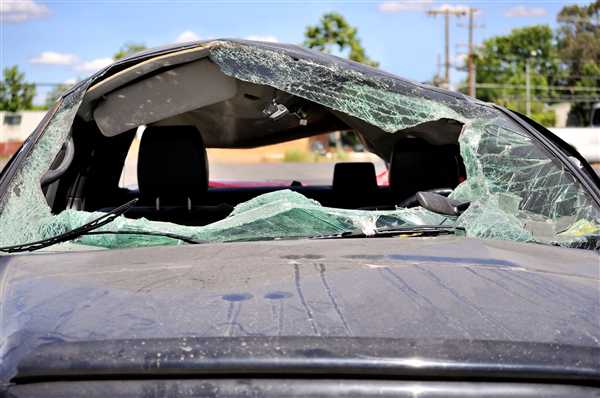
Yes. A damaged windshield can crack further or experience extensive breakage while a vehicle is in motion. However, a complete collapse of the glass into loose pieces is not the usual outcome for a modern laminated windshield. The plastic layer between the glass sheets helps hold fragments together even after the glass breaks.
The distinction matters because the word shatter can describe different events. A crack may suddenly spread across the windshield, a small impact may create a large web of fractures, or extensive damage may make the glass difficult to see through. These events can be dangerous even if the windshield remains in its frame.
The National Highway Traffic Safety Administration has explained the safety reasons for using laminated glass in vehicle windshields. Unlike ordinary tempered glass, laminated glass can retain substantial holding ability after one or both glass layers crack. That feature reduces some risks, but it does not guarantee that a damaged windshield will remain safe under every condition.
Source: carmecrazy.com
Further cracking
An existing crack grows longer or branches into smaller cracks as stress acts on the glass.
Extensive breakage
A new impact or severe stress creates many fractures across the windshield, reducing visibility.
Loss of safe visibility
Reflections, glare, and overlapping cracks make it harder to see traffic, road signs, and hazards.
Why Laminated Windshield Glass Matters
Laminated glass consists of two sheets of glass bonded to a plastic interlayer, commonly made from polyvinyl butyral. If the glass cracks, this inner layer helps keep many fragments attached rather than allowing the windshield to break into separate pieces.
This construction is a safety feature, not a promise that the windshield cannot fail. A severe impact can still cause extensive damage, and an existing crack may weaken the glass. The condition of the bonding layer, the windshield frame, and the installation also affects how well the windshield performs.
Fragment retention
The plastic interlayer helps keep many broken glass pieces in place.
Continued structural concerns
Cracked glass may not provide the same level of support or protection as an intact windshield.
What Causes a Cracked Windshield to Break Further?
A crack spreads when stress acts on the damaged area. The original impact creates a weak point, and later changes in temperature, pressure, or movement can place more stress on that point. The speed and extent of crack growth depend on the glass, the shape of the damage, and the conditions around it.
There is no reliable countdown for how long a cracked windshield will last. One small chip may remain stable for a while, while another may spread during a single trip. A driver cannot judge the remaining strength of the glass by appearance alone.
Source: glasswindshieldrepair.com
Flying rocks and road debris
A stone thrown up by another vehicle can strike an already weakened windshield and cause more damage.
Rapid temperature changes
Uneven heating or cooling makes different parts of the glass expand or contract at different rates.
Potholes and rough roads
Road impacts and vehicle movement can add stress to a cracked windshield.
Pressure changes
Changes in cabin pressure or vehicle flex may contribute to crack growth in already damaged glass.
Damage near the edge
Cracks that reach the windshield perimeter can be harder to repair and may affect the glass’s support.
Heat and Direct Sunlight
A parked car can heat unevenly in direct sunlight. If one part of a windshield becomes much warmer than another, differences in expansion can put stress on a crack. Turning on a very hot defroster against cold glass can also create a sudden temperature difference.
On a hot US summer day, avoid directing maximum heat at a damaged windshield or using extreme cooling settings without care. Let the cabin temperature change gradually when practical, and arrange a professional inspection rather than relying on temperature control to prevent the crack from spreading.
Cold Weather and Defrosting
Cold weather can make existing windshield damage more likely to spread when the glass experiences uneven heating or cooling. Pouring hot water onto an icy windshield is particularly unwise because the sudden temperature change can increase stress.
Use the vehicle’s defrost system according to the owner’s manual and allow the glass to warm gradually. Do not scrape aggressively over a damaged area or use force to remove thick ice near a crack.
Potholes, Speed Bumps, and Highway Travel
Driving over potholes or rough surfaces can cause the vehicle body to flex and vibrate. That movement may add stress to an existing crack. Highway travel also exposes the windshield to airflow and a greater chance of being struck by road debris.
These factors do not mean every cracked windshield will suddenly break at highway speed. They do mean that an already damaged windshield should not be treated as reliable simply because it has survived previous trips.
Warning Signs That a Windshield Needs Urgent Attention
The most important warning signs are rapid crack growth, damage that reaches the edge, extensive branching, and any loss of clear vision. A windshield that changes noticeably during a trip should be treated as a safety concern, not a minor cosmetic problem.
Some damage looks small from outside the car but appears much larger from the driver’s seat. Light can reflect off the fractured surfaces, and oncoming headlights or low sunlight can make the damage harder to see through. If you cannot see the road clearly, do not continue driving.
Source: faithautoglassdallas.com
A crack is spreading
New branches or a longer crack indicate that the damage is changing.
The crack reaches the edge
Perimeter damage can affect the windshield’s integrity and often requires replacement.
The driver’s view is blocked
Damage in the main field of vision can distort objects and make hazards harder to spot.
The glass has dense fractures
A web of cracks may scatter light or obscure the road even if the glass remains in place.
The windshield or its seal appears loose
Movement, separation, or visible damage around the frame needs professional assessment.
Is a Small Crack Safer Than a Large Crack?
A small crack away from the driver’s view may present less immediate concern than extensive damage across the windshield. However, size alone cannot establish that the glass is safe. Location, depth, crack pattern, edge involvement, and the condition of the surrounding glass all matter.
A short crack near the edge may be more concerning than a somewhat longer crack in another location. Multiple chips can also weaken different areas. A technician should inspect the damage before deciding whether repair is appropriate.
Small chip
May be repairable if it meets the technician’s criteria and does not compromise visibility or safety.
Long or branching crack
Often needs replacement, especially when it affects visibility or reaches an edge.
Crack in the driver’s view
May require replacement even when the damaged area is relatively small.
What to Do If Your Windshield Starts Shattering While Driving
If your windshield suddenly develops extensive cracks, your first priority is to maintain control of the vehicle and reach a safe stopping place. Do not make a sharp turn or sudden stop just because the glass has cracked. Your response should depend on how much visibility remains and whether traffic conditions allow you to move safely.
If the glass becomes difficult to see through, do not try to complete the journey. Signal and pull over when it is safe to do so. If you cannot see well enough to continue safely, use the safest available way to stop and seek roadside assistance or emergency help as the situation requires.
Source: thecarplus.com
1. Stay calm and keep control
Hold the steering wheel steadily, avoid abrupt movements, and assess whether you can still see the road.
2. Reduce speed carefully
Ease off the accelerator and slow down smoothly if traffic and road conditions permit.
3. Move to a safe stopping place
Use your signal when possible and pull into a safe parking area or other suitable location away from moving traffic.
4. Stop if visibility is impaired
Do not continue on an interstate or busy road when the windshield prevents you from seeing clearly.
5. Arrange professional assistance
Contact roadside assistance or a qualified auto glass service. Use a tow if the vehicle cannot be driven safely.
Should You Keep Driving to the Nearest Repair Shop?
Not always. If the windshield has extensive fractures, is loose, has damage that blocks your view, or appears close to coming away from the frame, driving to a repair shop is not a safe default. Ask a roadside assistance provider about towing or another suitable way to transport the vehicle.
A limited journey may sometimes be possible when a qualified professional has assessed the damage and confirmed that the vehicle can be moved safely. Do not assume that a crack is harmless because the glass has not fallen apart.
What If Glass Fragments Enter the Cabin?
Stop in a safe place and check whether anyone needs medical attention. Avoid touching loose fragments with bare hands. If anyone has a serious injury, eye injury, or embedded glass, seek urgent medical assistance rather than trying to remove the material yourself.
Do not resume driving if loose glass, damaged trim, or fractured areas obstruct your view or create a risk to occupants. Let trained roadside personnel assess the vehicle and help arrange safe transport.
How a Cracked Windshield Affects Vehicle Safety
A windshield does more than block wind, rain, and road debris. It also helps maintain the vehicle’s safety structure, supports proper operation of some passenger-side airbag systems, and provides a clear view of the road. Damage can affect more than the glass itself.
The exact consequences depend on the vehicle design, the location and severity of the damage, and the quality of the windshield installation. A cracked windshield does not automatically mean every safety feature will fail, but it can compromise functions that rely on sound glass and proper bonding.
Source: motorera.com
Driver visibility
Cracks may distort the road scene, create glare, or hide pedestrians, signs, and other vehicles.
Passenger airbag performance
On many vehicles, the windshield helps guide or support the deployment of the front passenger airbag.
Rollover protection
The windshield and its bond to the vehicle can contribute to roof support in a rollover, depending on vehicle design.
Occupant retention
Properly installed laminated glass helps retain occupants and limit openings in certain crash conditions.
Driver assistance systems
Cracks or poor replacement work near a windshield-mounted camera may affect systems that rely on that camera.
Why the Windshield Bond Matters
The adhesive bond between the windshield and the vehicle frame is a key part of the installation. If the bond is damaged or the glass has been installed incorrectly, the windshield may not provide its intended level of support during a crash.
For this reason, replacement should be performed by a qualified installer who follows the vehicle manufacturer’s procedures and uses suitable materials. The installer should also explain any required waiting period before the vehicle can be driven.
Windshield Cameras and Advanced Driver Assistance Systems
Many newer vehicles have cameras or sensors mounted on or near the windshield. These may support lane departure warnings, automatic emergency braking, traffic sign recognition, or other driver assistance features.
If replacement is needed, the vehicle may require camera calibration. Ask the installer whether calibration is necessary for the specific make, model, and equipment. Do not assume that a new windshield automatically means every camera-based feature is working correctly.
Can a Cracked Windshield Be Repaired or Must It Be Replaced?
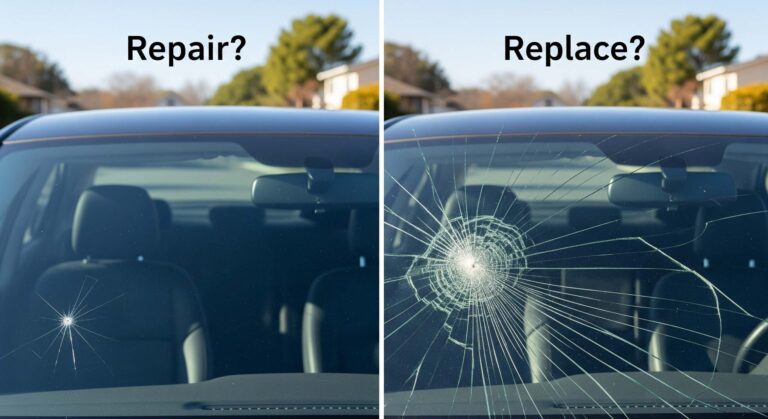
A cracked windshield may be repairable, but replacement is often the safer option when the damage is long, deep, near an edge, or located in the driver’s main field of vision. The technician must assess the size, shape, location, and number of damaged areas before recommending a repair.
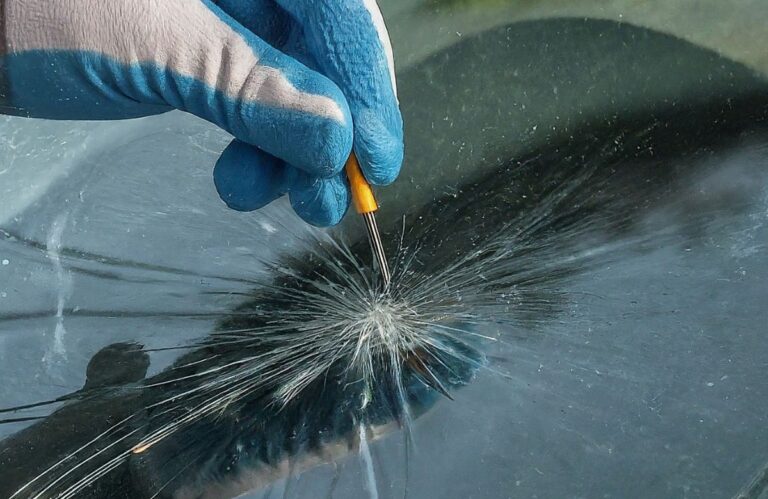
Windshield repair generally involves injecting a special resin into suitable damage. The resin helps restore some strength and can improve the appearance of the affected area. A repair does not make the glass exactly like new, and it may leave a visible mark.
Replacement removes the damaged windshield and installs new glass using the proper adhesive and procedures. When the glass is extensively fractured or its structural function may be compromised, replacement is usually the more appropriate solution.
Source: carglassfix.com
Repair may be suitable
The damage is limited, the location is appropriate, and a technician confirms that the glass can be safely repaired.
Replacement may be necessary
The crack is long, reaches the edge, blocks the driver’s view, or includes extensive or multiple areas of damage.
Professional inspection is essential
There is no single crack-size rule that safely applies to every vehicle and every type of damage.
What Factors Determine Whether Repair Is Possible?
Technicians consider the crack’s length and depth, the number of impact points, its proximity to the windshield edge, and whether it lies in the driver’s main field of vision. They also examine contamination, moisture, and signs of damage to the inner glass layer.
Repair limits vary by vehicle, damage pattern, equipment, and applicable requirements. A crack that appears repairable to an untrained observer may still require replacement after a closer inspection.
Why Delaying Repairs Can Make the Problem Worse
Dirt and moisture can enter damaged glass and make a successful repair more difficult. The crack may also spread after temperature changes, road vibration, or another impact. Prompt assessment gives the technician a better chance to determine whether a limited repair remains appropriate.
Avoid pressing on the crack, tapping the glass, or using household adhesives. These actions do not restore the windshield’s designed strength and may make later professional work harder.
How to Reduce the Risk of Further Windshield Damage
You cannot make a damaged windshield completely safe through driving habits alone. However, you can avoid some common sources of extra stress while arranging an inspection. The most useful step remains getting the damage assessed promptly rather than waiting to see whether it grows.
If a technician advises that the vehicle can be moved, use cautious driving practices and avoid unnecessary trips until the repair or replacement is complete. If the damage affects visibility or the windshield’s integrity, do not drive it.
Source: smileysglass.com
Avoid sudden temperature changes
Do not pour hot water on icy glass or direct intense heat at a very cold, damaged windshield.
Choose smoother roads when movement is approved
Avoid rough routes, potholes, and unnecessary trips that could add stress to the damaged glass.
Leave more space behind other vehicles
Following at a sensible distance can reduce exposure to some stones and debris thrown up by vehicles ahead.
Do not press on the crack
Avoid pushing, tapping, or bending the glass in an attempt to test its strength.
Arrange prompt inspection
A qualified technician can determine whether repair or replacement is needed.
Should You Cover a Windshield Crack With Tape?
Tape does not restore the strength of a cracked windshield or prevent every type of crack growth. It may sometimes be used to keep loose exterior debris away from a small chip before professional service, but it is not a safety repair.
Do not apply tape where it obstructs the driver’s view, interferes with sensors, or leaves adhesive that may complicate the repair. Follow the glass technician’s advice instead of relying on a temporary covering.
Can a DIY Windshield Repair Kit Stop the Crack?
Some consumer repair kits are designed for limited types of chips and small cracks. They cannot correct every damage pattern or restore glass that has extensive fractures, edge damage, or compromised structural support.
If the damage is in the driver’s view, is spreading quickly, or may affect safety, seek professional assessment before attempting a DIY repair. A failed repair can leave the glass unsuitable for a later repair attempt.
Is It Legal to Drive With a Cracked Windshield in the United States?
US windshield laws vary by state. Some rules focus on whether damage obstructs the driver’s clear view, while vehicle inspection rules may set additional requirements. A windshield that is technically present but severely cracked may still make a vehicle unsafe or unlawful to operate.
Federal vehicle safety standards govern important aspects of vehicle design and equipment, but drivers should not assume that one federal rule provides a universal permission to drive with cracked glass. State statutes, inspection programs, and general unsafe-vehicle rules may also apply.
Before driving a vehicle with windshield damage, check the current requirements in the state where it is registered and operated. When the damage blocks vision or the glass appears unstable, safety should take priority over trying to determine whether a short trip is legally allowed.
Source: faithautoglassdallas.com
Check your state’s requirements
Review official state motor vehicle agency guidance for windshield visibility and inspection rules.
Consider the damage location
Damage in the driver’s primary field of vision may be treated differently from damage near the passenger side.
Do not rely on a universal size limit
A crack-size threshold from one state or inspection program may not apply elsewhere.
Choose safe transport when in doubt
If the windshield makes driving unsafe, arrange towing or other suitable assistance.
Does Insurance Cover Windshield Repair or Replacement?
Coverage depends on the insurance policy, the type of damage, the deductible, and state law. Comprehensive coverage often includes certain types of glass damage, but not every policy provides the same benefits or waives the deductible.
Contact your insurer to ask whether repair or replacement is covered, whether you must pay a deductible, and whether the policy has rules for choosing a repair provider. Confirm any coverage details before authorizing work, unless immediate safety needs require urgent action.
How Much Does Windshield Repair or Replacement Cost?
The cost depends on the vehicle, the glass specification, the damage, local labor rates, and whether cameras or sensors need calibration. A small repair is generally less expensive than replacing an entire windshield, but extensive damage may leave replacement as the only suitable option.
Vehicles with rain sensors, heating elements, head-up displays, acoustic glass, or advanced driver assistance systems may need specialized parts or additional work. Prices also differ between original equipment glass and aftermarket options, so a low quote should be checked against the vehicle manufacturer’s requirements.
Ask for a written estimate that identifies the glass type, installation work, adhesive, calibration if needed, and any warranty. If insurance is involved, compare the estimate with your policy terms rather than assuming that all work will be covered.
Source: thecarplus.com
Type and extent of damage
A repairable chip usually costs less to address than a windshield that needs complete replacement.
Vehicle make and model
Special glass, unusual shapes, and integrated equipment can affect the final price.
Calibration requirements
Some vehicles require camera or sensor calibration after replacement, adding labor and equipment costs.
Insurance terms
A deductible, coverage limit, or approved-provider process may change what the owner pays.
How to Choose a Qualified Auto Glass Technician
Choose a provider who can explain whether the windshield should be repaired or replaced and why. Ask about training, suitable glass, installation procedures, adhesive curing time, and any required camera calibration.
In the United States, the Auto Glass Safety Council provides information about industry standards and qualified businesses. Checking credentials and asking clear questions can help you avoid a repair that looks acceptable but fails to meet the vehicle’s safety needs.
Frequently Asked Questions
Q
Can a cracked windshield suddenly shatter without warning?
A cracked windshield can develop extensive fractures with little warning, particularly after another impact or a sudden temperature change. Modern laminated glass usually helps hold fragments together, but a driver cannot predict exactly when a crack will spread. Arrange prompt professional inspection and do not drive if visibility or structural integrity is in doubt.
Q
Can a windshield crack spread while the car is parked?
Yes. A windshield crack can grow while the car is parked because the glass may experience uneven heating or cooling. Direct sunlight, cold weather, and rapid temperature changes can place additional stress on an existing crack. Parking in a sheltered area may reduce some exposure, but it cannot guarantee that the damage will remain stable.
Q
Is it safe to drive a short distance with a cracked windshield?
There is no universal safe distance. A small crack outside the driver’s main field of vision may be less urgent than extensive damage, but the glass still needs professional assessment. Do not drive if the crack obstructs your view, spreads rapidly, reaches the edge with signs of instability, or otherwise makes the vehicle unsafe. Consider roadside assistance or towing when necessary.
Q
Does a cracked windshield weaken the car’s roof?
The windshield can contribute to roof support during a rollover, depending on the vehicle’s design and how the glass is bonded to the frame. Damage or a poor installation may compromise its intended contribution. A cracked windshield does not mean the roof will collapse, but extensive damage should be assessed and repaired promptly.
Q
Can a windshield crack be repaired without replacing the glass?
Some small chips and limited cracks can be repaired with specialized resin. The outcome depends on the damage’s size, depth, shape, and location. Long cracks, edge damage, multiple fractures, or damage in the driver’s main field of vision may require replacement. A qualified technician should make the final decision.
Q
Will turning on the air conditioner make a windshield crack spread?
It can contribute to stress when the glass is already damaged and experiences a sharp temperature difference. For example, very cold air directed at hot glass may cool one area faster than another. The result depends on the conditions and the damage. Avoid extreme temperature changes and have the windshield inspected rather than relying on climate controls to keep it intact.
Q
Should I call the police if my windshield shatters while driving?
Call emergency services if the incident causes a crash, an injury, a dangerous road obstruction, or another emergency that needs immediate assistance. If you can stop safely and there is no emergency, roadside assistance or a towing provider may be enough. Follow local requirements and do not remain in a hazardous location when you can safely move to a protected area.
✦ Wrapping Up
Conclusion
A cracked windshield can break further while driving, but modern laminated glass is designed to help keep many fragments together. That feature reduces some risks without removing the dangers of poor visibility, weakened glass, or compromised vehicle safety. The likelihood and severity of further damage depend on the crack, the windshield’s condition, and the conditions around the vehicle.
Do not wait for a small crack to become a large one before taking action. Avoid sudden temperature changes, do not press on the damaged glass, and arrange a professional assessment as soon as possible. If the windshield suddenly develops extensive fractures or blocks your view, stop in a safe place and request appropriate assistance rather than continuing your trip.
💡 Key Takeaway
Inspect the windshield from a safe position, note whether the crack reaches an edge or obstructs your view, and contact a qualified auto glass technician. If the damage makes driving unsafe, arrange roadside assistance or towing instead of driving to the repair shop.
Learn how to fold a collapsible windshield sun shade using the simple figure-eight method, plus tips for storage, troubleshooting, and different shade designs.