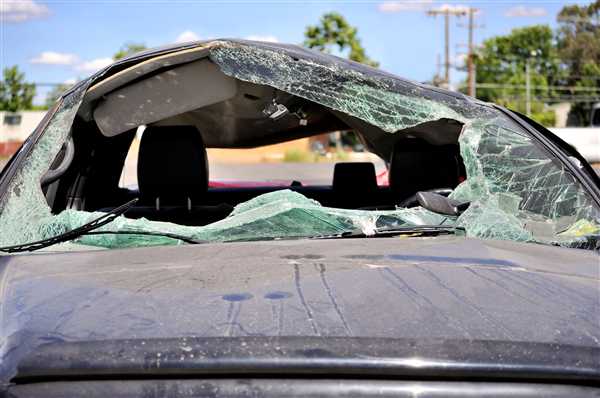
You may be able to drive with minor windshield damage, but you should not drive if the glass blocks your view, has large or spreading cracks, has loose pieces, or creates another safety hazard. US laws vary by state, so check your local rules and arrange professional repair or replacement as soon as possible.
Across the United States, a broken windshield can turn a routine trip into a safety and legal concern. A small chip may seem harmless, but a long crack across the driver’s view can make it harder to spot a person, read a road sign, or judge the distance to another car. Whether you can legally continue driving depends on your state’s rules and the condition of the glass.
A windshield does more than block wind and rain. It helps protect people inside the vehicle and can support the passenger airbag and roof structure in a crash. The American Automobile Association explains that windshield damage can affect both visibility and vehicle safety. For that reason, the safest choice is to assess the damage before moving the car and contact a qualified auto glass professional when the condition is uncertain.
This guide explains when a damaged windshield makes driving unsafe, how US laws generally treat windshield damage, what to do after the glass breaks, and how to choose between repair and replacement. It also covers insurance questions and common mistakes that can make damage worse. The central rule is simple: do not take a road trip or routine drive in a vehicle whose windshield no longer provides a clear and safe view.
Can You Drive With a Broken Windshield in the United States?
The answer depends on how badly the windshield is damaged and whether the vehicle remains safe to operate. A small chip outside the driver’s direct field of view may allow a short trip to a repair shop if the glass is stable and visibility remains clear. A windshield with a large crack, missing sections, loose glass, or serious visual distortion is a different matter. In those cases, do not drive the vehicle.
There is no single rule that makes every damaged windshield automatically illegal on every US passenger vehicle. States set their own rules for vehicle equipment, safe operation, driver visibility, and inspections. A crack that is tolerated in one situation may violate the rules in another, especially if it obstructs the driver’s view or affects safe operation.
The safest decision should come before the legal question. Even if a small crack does not violate a local rule, the damage can spread and become harder to manage. Contact an auto glass professional to find out whether the windshield can be repaired or needs replacement.
Source: northeastautoglass.net
Minor chip outside the driver’s view
A short trip may be reasonable only if the windshield is stable, visibility is clear, and local law permits it. Arrange an assessment promptly.
Long crack across the glass
Avoid driving if the crack creates glare, distortion, or a visual obstruction. Long cracks often need replacement rather than repair.
Shattered, loose, or partly missing windshield
Do not drive. The glass may not provide reliable protection, and airflow or vibration can worsen the damage.
Damage after a collision
Check for other vehicle damage and possible injury. If the windshield is unstable or the vehicle’s safety is uncertain, arrange towing.
What counts as a broken windshield?
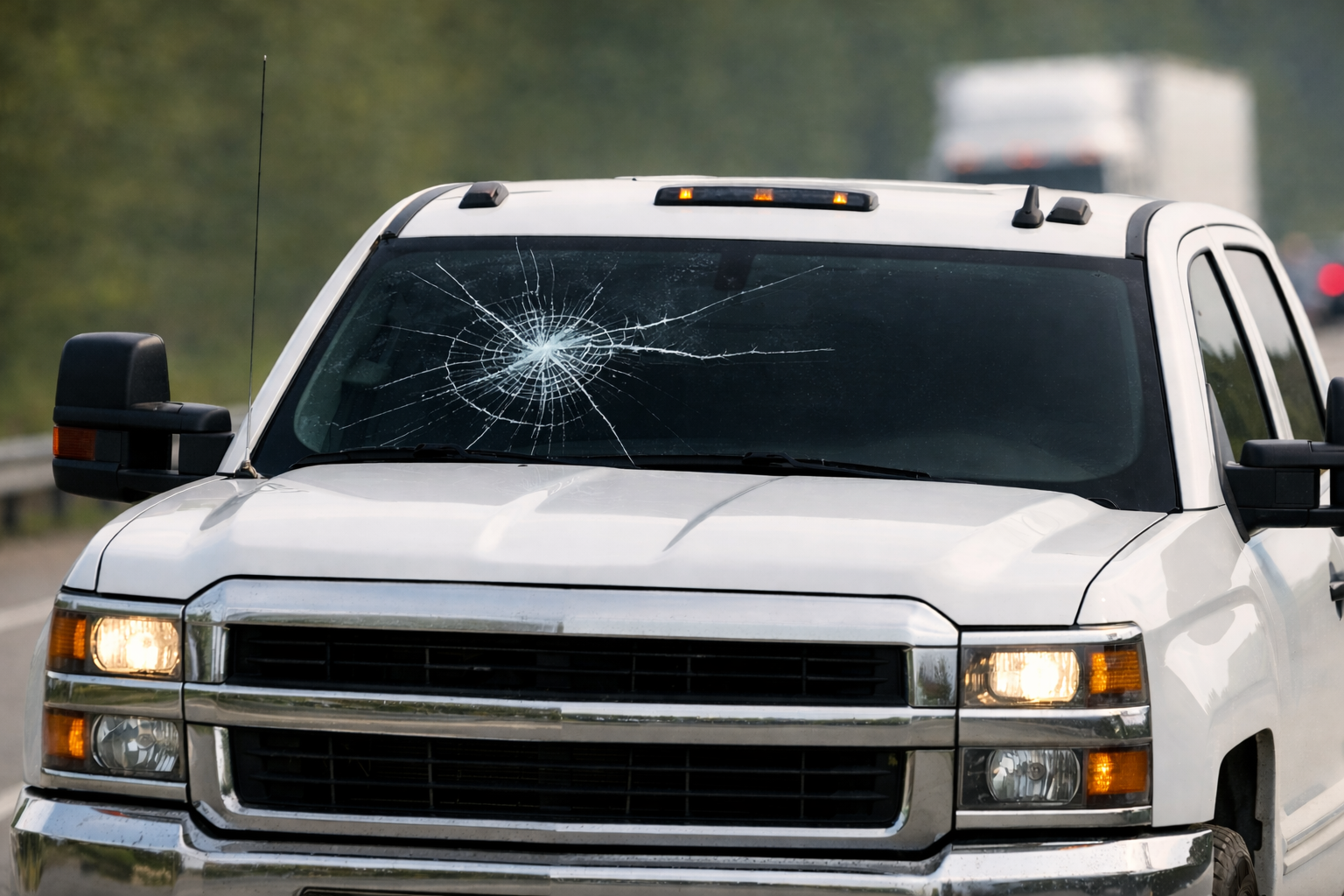
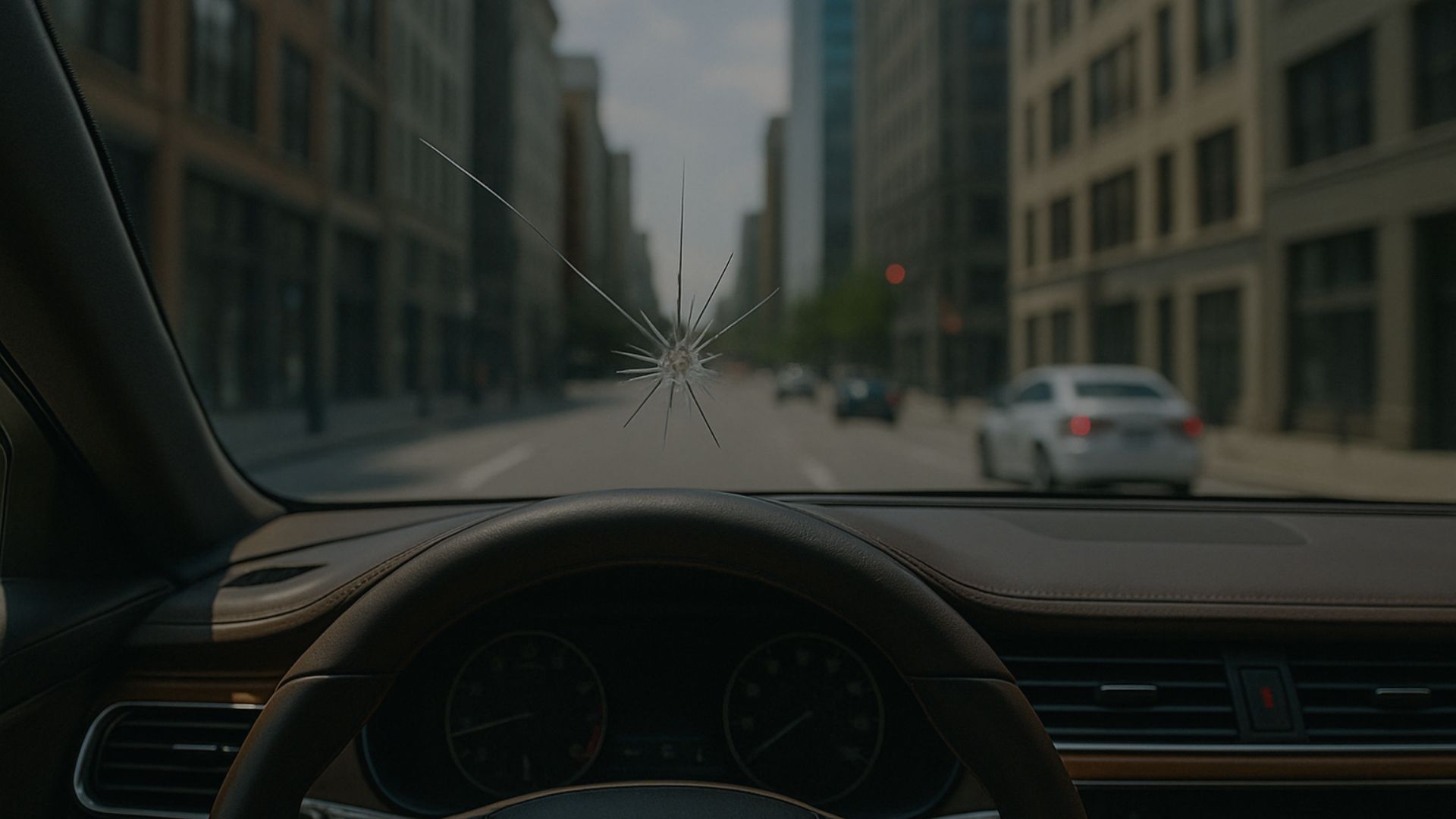
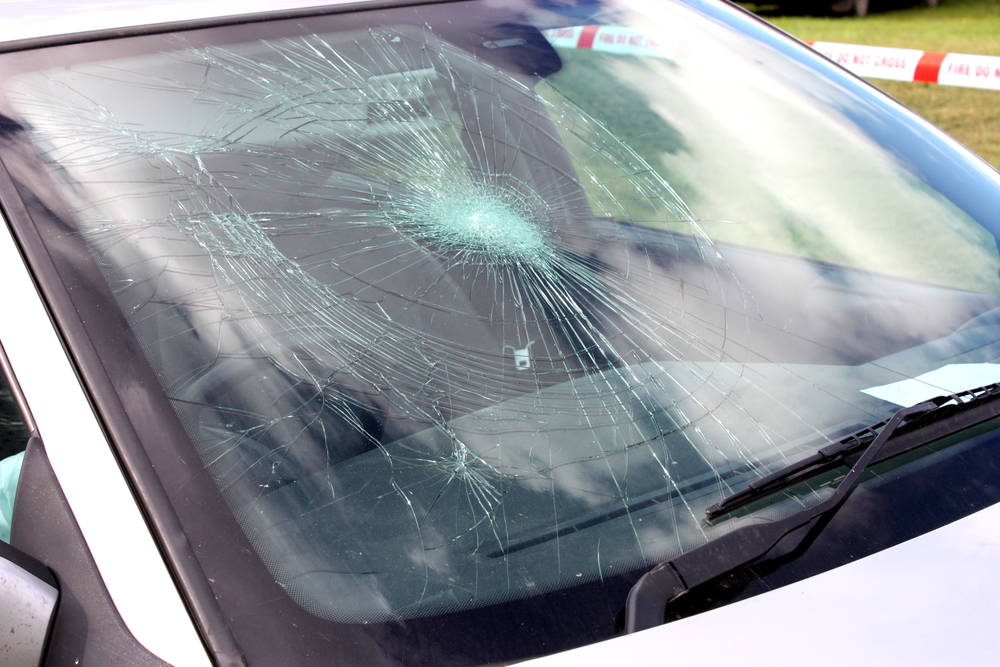
A broken windshield can have several forms. A chip is a small area where an object has removed or fractured part of the glass. A crack is a visible line that runs through the glass layers or along its surface. A star break has several short lines branching from one impact point, while a shattered windshield may have extensive fractures or missing sections.
Damage can also affect the glass edge or the bond between the windshield and the vehicle frame. This type of damage may be difficult to judge from outside the car. A trained technician can inspect the glass, its edges, and its installation to determine whether repair is suitable.
Chip or small impact mark
May be repairable when it is small, stable, and outside areas where a repair could interfere with clear vision.
Crack reaching the edge
Often raises greater concern because edge damage can spread and may affect the glass assembly.
Extensive breakage
Usually calls for replacement and may require towing if the vehicle cannot be operated safely.
Why Driving With a Broken Windshield Can Be Dangerous
A damaged windshield can affect much more than the way a car looks. The main risks are poor visibility, reduced glass integrity, and possible problems with the vehicle’s crash protection. The degree of risk depends on the type and location of the damage, but serious breakage should never be treated as a minor inconvenience.
The National Highway Traffic Safety Administration sets federal requirements for automotive glazing in new vehicles and replacement glazing. Its rules address factors such as the material and performance of vehicle glass. These requirements do not mean that a damaged windshield remains safe to use after an impact. The condition of the actual glass still needs to be assessed.
AAA notes that a windshield can help keep occupants inside the vehicle during a crash, support the roof during a rollover, and play a role in passenger airbag deployment. A damaged or poorly installed windshield may not provide the protection the vehicle was designed to deliver.
Source: roadrunnerautoglass.com
Reduced visibility
Cracks can distort light, create glare, or hide hazards, especially at night, in rain, or when sunlight is low.
Weakened glass assembly
Damage may reduce the windshield’s ability to perform its intended protective role during a collision.
Possible airbag concerns
The windshield can help support passenger airbag deployment in some vehicles. Damage or poor bonding can affect this function.
More extensive damage
Vibration, temperature changes, and road impacts can cause a small fracture to spread.
How a broken windshield affects visibility
Drivers need a clear view of the road, traffic signals, pedestrians, cyclists, and nearby vehicles. A crack in the direct line of sight can create a visual distraction or distort what the driver sees. A small mark can become more troublesome when headlights or bright sunlight shine through it.
Water, dirt, and road grime may collect around damaged areas and make them harder to see through. Windshield wipers can also struggle to clear water smoothly over damaged glass. If the damage affects the driver’s view or the wipers cannot clear the windshield, do not continue driving.
Night driving
Oncoming headlights can reflect through damaged areas and make it harder to see clearly.
Rain and snow
Poor visibility can become worse when water, snow, or road spray covers the glass.
Low sun
Glare can make cracks and chips more distracting and may hide objects ahead.
Can a broken windshield shatter while driving?
A cracked windshield does not always collapse into pieces while a vehicle is moving. Most modern windshields use laminated glass, which has layers joined by a plastic interlayer that helps hold broken pieces together. However, laminated glass can still suffer severe fractures, lose its ability to provide a clear view, or become less reliable after extensive damage.
A sudden impact, a sharp temperature change, or strong vibration can worsen an existing crack. There is no dependable way to predict exactly when a damaged windshield will deteriorate. Do not wait for the glass to fail before arranging professional help.
Do not test the glass
Avoid pressing, tapping, or striking the damaged area to see whether it is stable.
Avoid sudden temperature changes
Do not direct very hot air onto cold damaged glass or use extreme cooling to try to control the crack.
Get severe damage assessed
A technician can determine whether repair is appropriate or the windshield needs replacement.
Is It Illegal to Drive With a Broken Windshield?
Driving with a broken windshield may be illegal in your state, depending on the damage and the rules that apply to your vehicle. State laws commonly address whether the windshield gives the driver an adequate view, whether required safety glass is present, and whether the vehicle is in safe operating condition. Some jurisdictions also have rules or inspection standards concerning damage in particular areas of the glass.
A federal glazing standard should not be mistaken for a universal rule allowing a specific crack size on every passenger car. Federal Motor Vehicle Safety Standard No. 205 covers glazing requirements, while separate federal regulations address certain commercial motor vehicles in service. State and local requirements can differ, so drivers should confirm the rules that apply to their vehicle and location.
An officer may stop a vehicle if its condition appears to create a safety hazard or obstruct the driver’s view. Depending on state law, the result may include a citation, an inspection requirement, or a demand to correct the problem. A vehicle can also be unsafe to drive even if the driver has not received a ticket.
Source: formula1collision.com
Check your state vehicle code
Look for rules on windshield condition, driver visibility, vehicle equipment, and safe operation.
Check inspection requirements
If your state requires a vehicle safety inspection, confirm how windshield damage is assessed and whether repairs are needed to pass.
Check commercial vehicle rules
Commercial trucks and buses may be subject to separate federal and state requirements that do not apply in the same way to ordinary passenger cars.
Do not rely on a size rule from another state
A crack limit quoted online may apply to a particular jurisdiction, inspection program, or commercial vehicle category rather than your vehicle.
Do all US states use the same windshield rules?
No. State laws are not identical. Some rules focus on whether damage obstructs the driver’s view, while others may address particular windshield areas, equipment requirements, or inspection criteria. The details and enforcement process depend on the jurisdiction.
For example, a rule for commercial vehicles under federal regulations should not be presented as a universal passenger-car law. Likewise, a repair shop’s suggested crack-size limit is not necessarily a legal threshold. Verify the current law through your state’s official motor vehicle agency or legislative website before making a legal decision.
Use official sources
Check your state department of motor vehicles, highway patrol, transportation department, or current state statutes.
Consider the damage location
A crack in the driver’s direct field of vision may create a greater legal and safety concern than a small chip away from that area.
Treat safety as the first test
Even if local law permits limited damage, do not drive when the windshield makes the vehicle unsafe.
When Should You Stop Driving With a Broken Windshield?
Stop driving when the windshield damage interferes with a clear view, leaves loose glass, creates sharp exposed edges, or appears to affect how the glass is held in place. Do not drive merely because you need to reach work, school, or another appointment. The risks of poor visibility and reduced protection can outweigh the convenience of continuing the trip.
If the windshield breaks while you are already on the road, stay calm and focus on reaching a safe stopping place. Avoid sudden steering or braking unless needed to avoid an immediate hazard. If you cannot see clearly, the glass is unstable, or debris is entering the cabin, pull over as safely as possible and arrange assistance.
Do not attempt to hold broken glass in place while driving or use tape, plastic sheets, or other makeshift materials as a substitute for a safe windshield. These measures cannot restore the windshield’s original strength or protective functions. A professional assessment is the appropriate next step.
Source: ab-autoglass.com
Stop if your view is blocked
Do not continue if the crack or broken area hides road hazards, traffic lights, signs, or pedestrians.
Stop if the glass is loose
A windshield that shifts, separates from its frame, or has large loose sections requires professional attention.
Stop if the damage is rapidly spreading
A growing crack can suddenly create a larger visual obstruction or make the windshield less reliable.
Seek help after a collision
If the windshield broke during a crash, check for injuries and other damage. Call emergency services when needed and use towing if the vehicle is unsafe.
What to do immediately after the windshield breaks
First, protect yourself and other road users. If you are moving, slow down smoothly when conditions allow and pull over to a safe location away from traffic. Turn on your hazard lights when appropriate and avoid touching damaged glass.
Once stopped, assess whether the vehicle can remain safely parked. Keep children and other passengers away from loose glass, and do not drive if the view is obstructed or the windshield is unstable. Contact roadside assistance, your insurer, or an auto glass service to arrange the right help.
Secure the scene
Move to a safe place if possible, use hazard lights when appropriate, and stay away from moving traffic.
Avoid handling broken glass
Do not push loose sections or try to remove pieces that are still attached.
Document the damage
If it is safe, take photos for the repair provider or insurer. Record what happened and when.
Arrange assistance
Ask a qualified technician whether mobile service is suitable or whether the vehicle should be towed.
Can a Broken Windshield Be Repaired or Must It Be Replaced?
A small chip or limited crack may be repairable, but severe damage usually requires windshield replacement. The decision depends on the size, depth, location, and pattern of the damage, along with the vehicle’s glass design and the repair provider’s standards. A technician should inspect the damage before promising that a repair will restore safe use.
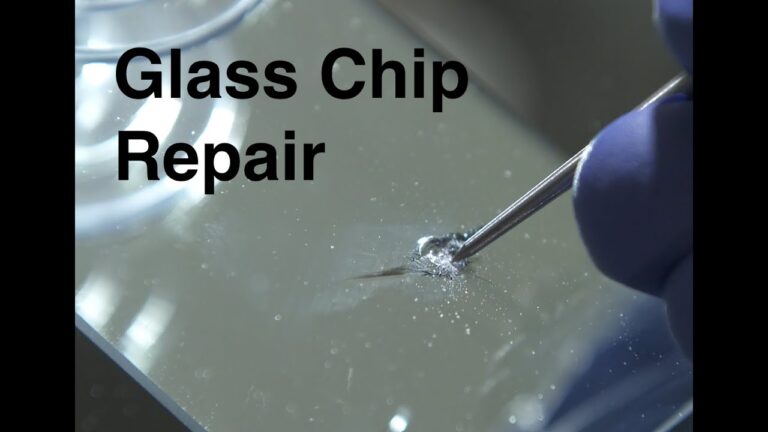
Windshield repair often involves injecting a suitable resin into a damaged area. This can improve the glass’s strength and reduce the appearance of the mark, but it may not make the damage completely invisible. A repair is not suitable for every crack, especially if the damage is extensive, reaches the edge, or interferes with the driver’s direct view.
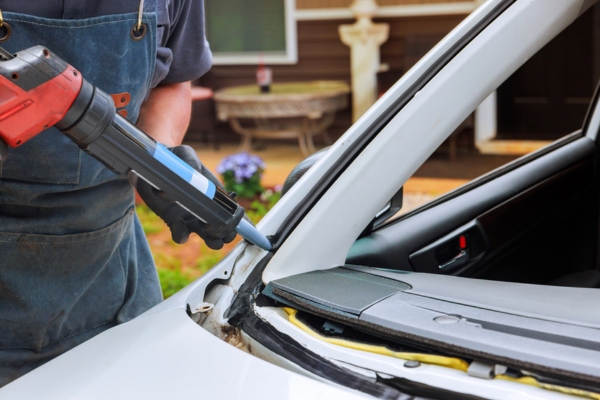
Replacement removes the damaged windshield and installs a new one that meets the vehicle’s requirements. Proper installation matters because the windshield’s bond to the vehicle helps it perform its safety functions. Some vehicles also need calibration of cameras or sensors after windshield replacement, so ask the service provider whether your vehicle requires this work.
Source: ceramicpro.com
Repair may be possible
Small chips or limited impact damage may qualify when they are stable, suitable for the repair process, and located away from critical viewing areas.
Replacement may be needed
Large cracks, multiple impact points, extensive breakage, or damage near the edge often make repair unsuitable.
Visibility matters
Even when a repair is technically possible, the remaining mark may create unacceptable visual distortion in the driver’s viewing area.
Installation quality matters
The replacement must be fitted and bonded correctly according to the vehicle manufacturer’s requirements.
How long can you drive before getting the damage fixed?
There is no universal safe number of hours or days for driving with a broken windshield. A small chip that does not obstruct the driver’s view may remain stable for a time, while another crack can spread after a temperature change or road impact. Damage location and severity matter more than a fixed waiting period.
Arrange an assessment as soon as practical, ideally without making unnecessary trips. If a professional says the windshield is unsafe to use, follow that advice and arrange towing or a suitable mobile service. Do not treat the fact that the car has completed one trip without a problem as proof that it is safe for another.
Small and stable damage
Contact a repair provider promptly and confirm whether a short trip to the shop is appropriate.
Growing crack or impaired view
Do not continue driving. Arrange professional assistance.
Severe breakage
Keep the vehicle parked and ask about towing or mobile replacement.
How to prevent a crack from getting worse
You cannot guarantee that a windshield crack will stop spreading, but you can avoid some added stress while arranging repair. Rapid heating or cooling can create temperature differences across the glass, and rough roads can add vibration. These steps are not a substitute for professional repair and should not be used to justify driving an unsafe vehicle.
Avoid slamming doors, striking the damaged area, or directing extreme heat onto the glass. Do not apply household glue or unapproved chemicals to the crack. If the windshield is safe enough to remain parked, keep the vehicle in a sheltered location when practical and arrange an assessment.
Avoid sudden temperature changes
Use normal, gradual cabin temperature settings rather than extreme heating or cooling on damaged glass.
Avoid rough handling
Do not slam doors or press on the damaged area.
Skip makeshift repairs
Household adhesives and improvised patches do not restore the windshield’s designed performance.
Does Car Insurance Cover a Broken Windshield?
Car insurance may cover windshield repair or replacement, but the answer depends on your policy, the cause of the damage, and any deductible. Comprehensive coverage may apply when a rock, falling object, hail, or another covered event damages the glass. Collision coverage may apply when the damage results from a covered crash.
Coverage rules vary by insurer and state. Some policies offer separate glass coverage or waive a deductible for certain windshield repairs or replacements. Other policies require the owner to pay some or all of the cost. Do not assume that every comprehensive policy provides a free replacement.
Contact your insurer before authorizing costly work, unless immediate action is needed to address a safety emergency. Ask whether the claim is covered, what deductible applies, whether you can choose your repair shop, and whether calibration or other related work is included. Read the policy terms and request confirmation of important coverage details.
Source: glasshopperautoglass.com
Review comprehensive coverage
Check whether your policy covers glass damage caused by debris, weather, falling objects, or other covered events.
Check your deductible
Compare the deductible with the estimated repair cost before deciding whether to file a claim.
Ask about repair and replacement
Your policy may treat a minor repair differently from a full windshield replacement.
Keep your records
Save photographs, claim details, repair estimates, invoices, and any instructions from the insurer.
Will insurance pay for a windshield damaged by a rock?
A rock striking the windshield may fall under comprehensive coverage, depending on the policy and circumstances. If the rock came from another vehicle or the damage happened during a collision, other coverage questions may arise. The cause of the loss and the wording of the policy determine which option applies.
Report the damage promptly and ask the insurer whether it needs photographs, an inspection, or an estimate before the work begins. If the windshield is unsafe, do not continue driving while waiting for a claim decision. Ask about towing or mobile service and keep the vehicle parked until safe operation is confirmed.
Report the event accurately
Describe how and when the damage occurred without guessing about facts you did not observe.
Confirm the approved work
Ask whether the insurer covers repair, replacement, and any required vehicle sensor calibration.
Common Mistakes to Avoid With a Broken Windshield
The most common mistake is treating windshield damage as a cosmetic issue. A crack may look small from the outside yet interfere with the driver’s view or affect the glass assembly. Its true condition cannot always be judged from a photograph or a quick glance.
Another mistake is assuming that a crack will remain the same size. Heat, cold, vibration, and further impacts can change the damage. Waiting for the crack to grow can make a repair less suitable and may leave the driver with a larger safety problem.
Drivers should also avoid relying on advice intended for a different state or vehicle type. A rule for commercial trucks, a repair shop’s internal guideline, and a state inspection rule are not necessarily interchangeable. Confirm the rules and the repair recommendation that apply to your situation.
Do not ignore damage in your field of view
A crack that distorts the road view can create a hazard even when the rest of the glass looks intact.
Do not assume tape makes the vehicle safe
A temporary cover cannot restore the windshield’s structural role or guarantee that the glass will remain secure.
Do not use extreme heat or cold
Sudden temperature changes may add stress to damaged glass.
Do not delay a professional assessment
Early assessment can help determine whether repair is still possible and reduce uncertainty about safe use.
Do not assume insurance is automatic
Coverage, deductibles, approved work, and calibration requirements depend on your policy and vehicle.
How to choose a qualified auto glass provider
Choose a provider that can explain whether the damage is repairable and why replacement is recommended when needed. Ask whether the glass meets the vehicle manufacturer’s specifications, whether the installer follows the required bonding procedures, and whether any camera or sensor calibration is necessary.
Request a written estimate that identifies the work, glass type, labor, calibration, and warranty terms. Compare the full scope rather than choosing only by the lowest quoted price. If a provider says that extensive damage is safe without a clear inspection, seek another qualified opinion.
Ask about training
Find out whether the technicians have suitable training and experience with your vehicle’s windshield system.
Confirm the glass specification
Ask whether the replacement glass meets applicable requirements and the vehicle manufacturer’s specifications.
Check calibration needs
Vehicles with windshield-mounted driver assistance cameras or sensors may require calibration after replacement.
Get written terms
Confirm the price, warranty, installation details, and any insurance arrangements before work begins.
A Practical Decision Guide for Broken Windshield Damage
Use the condition of the windshield to decide what to do next. This guide is a safety aid, not a legal ruling or a substitute for an inspection. If the damage is difficult to judge, choose the safer option and ask a professional before driving.
Small chip with clear visibility
Keep the trip limited, if necessary and permitted, and arrange a prompt professional assessment. Avoid unnecessary driving.
Crack near the driver’s view
Do not drive if it distorts, obstructs, or distracts from the road view. Arrange mobile service or towing as appropriate.
Crack reaching the windshield edge
Get the glass inspected promptly because edge damage may spread and may make repair unsuitable.
Large break or missing glass
Do not drive. Keep passengers away from loose pieces and arrange professional assistance.
Damage after a collision
Check for injuries and other damage, contact emergency services when needed, and do not drive if the vehicle’s safety is uncertain.
What should you tell the repair provider?
Give the provider a clear description of the damage and where it sits on the windshield. Explain whether the crack is growing, whether visibility is affected, and whether the damage followed a rock strike, severe weather, or a collision. Photos can help with an initial assessment, but they may not show the full depth or condition of the glass.
Also provide the vehicle’s make, model, model year, and any known windshield camera or sensor features. Ask whether the vehicle can be driven to the shop or should be towed. If a safe mobile replacement service is available, ask whether it is appropriate for the damage and the vehicle.
Describe the damage
Explain the crack’s location, approximate size, and whether it affects your view.
Share vehicle details
Provide the make, model, model year, and relevant driver assistance features.
Confirm the safest service method
Ask whether mobile service is suitable or whether the vehicle should remain parked and be towed.
Frequently Asked Questions
Q
Can I drive with a small crack in my windshield?
Possibly, but it depends on the crack’s location, the clarity of your view, the condition of the glass, and your state’s laws. A small crack outside the driver’s direct field of view may not make every trip unsafe, but it should still be assessed promptly. Do not drive if the crack distorts your view or the glass appears unstable.
Q
Can police stop me for a broken windshield?
Yes, an officer may stop a vehicle if the windshield appears to obstruct the driver’s view or create a safety concern. Whether a citation or another action follows depends on the applicable state law and the circumstances. Check your state’s current vehicle equipment rules rather than relying on a crack-size limit from another jurisdiction.
Q
Can I drive to the auto glass shop with a broken windshield?
Only if the damage is minor, visibility remains clear, the glass is stable, and the trip is legal and safe. If the crack crosses your view, the glass is loose, or the windshield is extensively broken, do not drive to the shop. Ask about mobile service or towing instead.
Q
Will a broken windshield fail a state inspection?
It may. Inspection rules vary by state, and some programs assess windshield damage based on visibility, location, or severity. Other jurisdictions have different inspection requirements. Check the official inspection standards in your state and have a qualified technician assess damage before the inspection.
Q
Does a broken windshield always need replacement?
No. Some small chips and limited cracks can be repaired with a suitable resin process. Larger cracks, edge damage, extensive breakage, and damage that affects the driver’s direct view may require replacement. A qualified technician should make the final decision after inspecting the damage.
Q
Can cold weather or heat make a windshield crack worse?
Yes. Sudden temperature changes can create stress across damaged glass and may cause an existing crack to spread. Road vibration and additional impacts can also worsen the damage. Avoid extreme heating or cooling and arrange a professional assessment as soon as possible.
Q
Does comprehensive insurance cover a broken windshield?
Comprehensive coverage may pay for windshield damage caused by a covered event, such as a rock strike or hail, but coverage depends on your policy and deductible. Some policies have separate glass benefits. Contact your insurer to confirm the cause of loss, coverage, approved work, and any calibration costs.
✦ Wrapping Up
Conclusion
You may be able to drive with minor windshield damage, but you should never assume that every crack is safe or legal. The deciding factors are the location and severity of the damage, your ability to see the road clearly, the condition of the glass assembly, and the laws in your state. A large crack, obstructed view, loose glass, or extensive breakage calls for stopping and arranging professional assistance.
A windshield is a safety component, not just a clear panel in front of the driver. It can help protect occupants and support other safety systems, so a damaged windshield deserves prompt attention. A qualified technician can determine whether repair is suitable or replacement is needed, while your insurer can explain the coverage available under your policy.
💡 Key Takeaway
Before driving again, check whether the damage blocks your view, reaches the windshield edge, or leaves the glass loose or extensively fractured. If any of these conditions are present, keep the vehicle parked and arrange professional help. If the damage is minor, confirm that the vehicle is safe and legal to move, then schedule an assessment promptly.
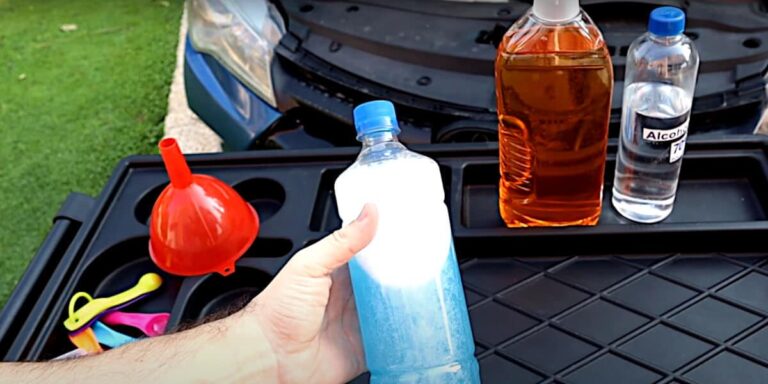
Is windshield washer fluid universal? Learn which types work for your car, how to choose the right formula, and what to avoid in hot or freezing weather.
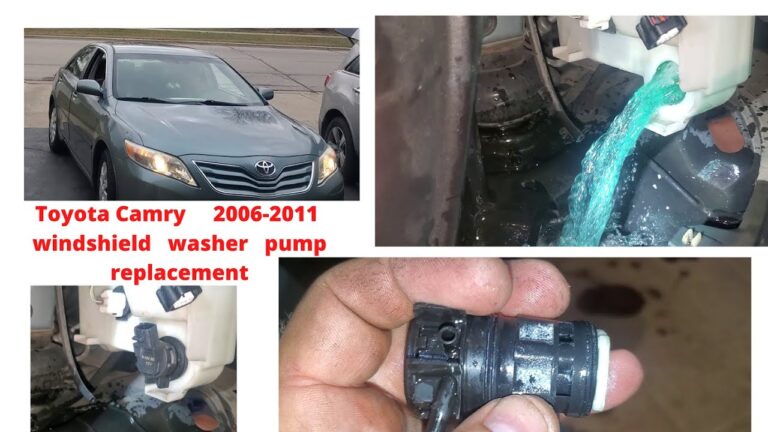
Learn how to replace a Toyota Camry windshield washer pump, diagnose pump failure, access the reservoir, install a new pump, and test the washer system.