How to Read Vw Engine Codes: Setup Steps and Troubleshooting Tips
To read VW engine codes, first identify the engine code stamped on the engine or shown on the vehicle data sticker, then compare it with reliable model-year documentation. Do not confuse that code with an OBD-II trouble code, which describes a detected fault rather than the engine’s identity.
A Volkswagen engine code is usually a short combination of letters and, on some engines, numbers. It can identify an engine family, displacement, fuel system, generation, emissions equipment, or factory configuration, but the same-looking engine may have different versions across markets and production years. A small detail—such as the vehicle’s model year, transmission, or emissions specification—can change which parts and repair procedures are correct.
This guide explains where to find the code, how to record and interpret it, how VIN and diagnostic information confirm the result, and why online code lists sometimes conflict. You will also learn how to distinguish an engine identification code from a fault code, what to check before ordering parts, and when a partially visible or suspicious code should be verified by a Volkswagen specialist.
What a VW Engine Code Identifies
The engine code is an identifier assigned to a particular Volkswagen engine specification. It is not normally a complete serial number and does not, by itself, tell you the exact mileage, service history, or condition of the engine.
Depending on the vehicle, the code can help identify details such as:
- Engine family and approximate displacement
- Petrol or diesel configuration
- Turbocharged or naturally aspirated design
- Fuel-injection and emissions equipment
- Production revisions and output ratings
- Compatible replacement parts and service information
Volkswagen uses related engines with different codes because of changes in emissions rules, software, cylinder heads, turbochargers, injectors, internal components, or vehicle packaging. An engine that appears to be a direct match may therefore require different sensors, timing components, wiring, or control-module programming.
The most useful approach is to treat the code as one part of an identification chain: engine stamp plus vehicle data plus VIN confirmation. A code found in isolation is helpful, but it may not be enough to select a part or diagnose a repair.
Engine Code Versus VW Fault Code
Many people searching for how to read VW engine codes are actually referring to diagnostic codes. These are separate systems and should not be mixed.
An engine identification code is physically or administratively tied to the engine specification. It may look like a short group of letters, such as a three- or four-character code, although formats vary by engine family and market.
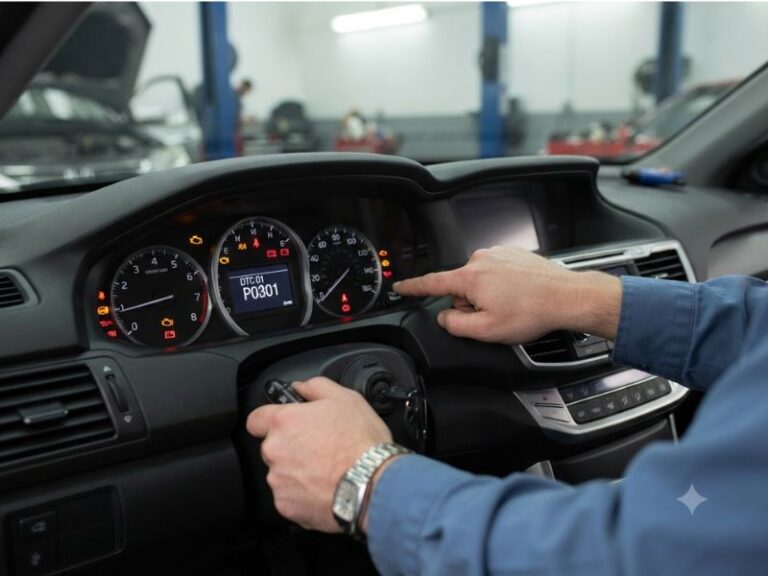
An OBD-II fault code is generated by a control module when it detects an electrical, emissions, or operating problem. It commonly begins with a letter followed by four digits, such as P0301 or P0171. The first letter identifies the system, while the numbers narrow the fault description.
For example, an engine code tells you which engine is installed. A code such as P0301 may indicate a misfire detected in cylinder one. Clearing the diagnostic code does not change the engine identification, and knowing the engine code does not prove that a fault code has been correctly diagnosed.
Where to Find the Volkswagen Engine Code
Volkswagen may provide the same identification in more than one location. The exact position depends on the model, engine family, market, and production year, so avoid relying on a single universal location.
Vehicle data sticker
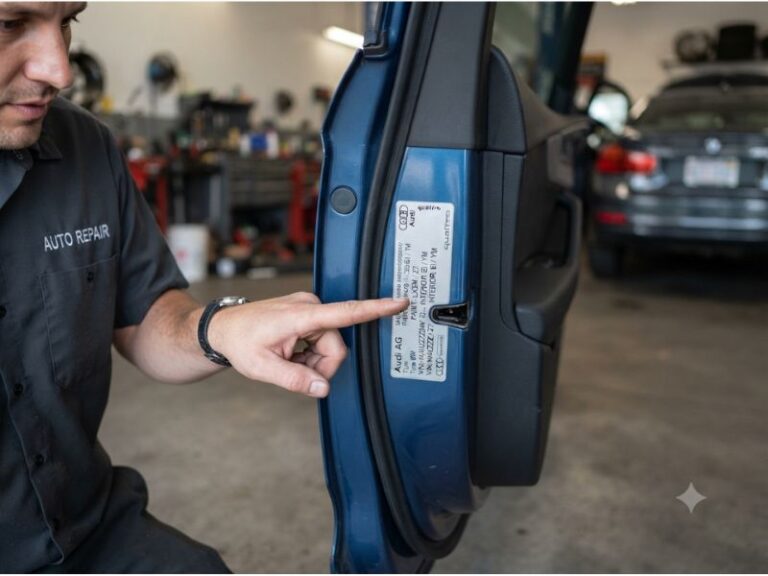
The easiest source is often the vehicle data sticker. It is commonly found in the spare-wheel well, beneath the trunk or luggage-area floor, or in the service documentation supplied with the vehicle. On some vehicles, the sticker is in another body or service-record location.
The sticker normally contains a mixture of codes for the engine, transmission, paint, trim, and installed equipment. Look for a short engine-code entry rather than assuming that every three-character group identifies the engine.
Engine block stamping
The engine code may also be stamped directly into the engine block. It is often located near the joint between the engine and transmission, on a machined pad, or on another flat area of the block. Access may be restricted by intake plumbing, wiring, brackets, dirt, or corrosion.
Clean the area carefully with a suitable degreaser and a soft brush. Do not aggressively grind, sand, or alter the stamped surface, because removing characters can make identification more difficult and may create concerns about the engine’s history.
Labels and service records
Some engines have labels on the timing-belt cover, valve-cover area, or other components. Repair invoices, inspection records, and dealer documentation may also list the engine code, but these are supporting records rather than a guarantee that the current engine is original.
If the engine has been replaced, the vehicle’s data sticker and VIN may describe the car as built, while the stamp describes the engine currently installed. That difference matters when buying parts or confirming whether a swap was performed.
How to Read the Stamped Code Correctly
Start by making the code visible. Use a flashlight and take several close photographs from different angles. A mirror, inspection camera, or phone camera can help when the stamping is hidden behind hoses or near the transmission housing.
Record every character exactly as it appears, including its order. Stamped markings can be difficult to distinguish, especially when dirt or oxidation affects the surface. Common reading errors include confusing the letter O with the number 0, the letter I with the number 1, or the letter S with the number 5.
Do not assume that a nearby number belongs to the engine code. A casting number, part number, manufacturing mark, or serial sequence may appear beside the identification stamp. The shape, placement, and format of the marking help determine which characters are relevant.
Use this process:
- Clean only enough of the surface to expose the characters.
- Photograph the complete marking and its location.
- Transcribe the code in the same order, preserving letters and numbers.
- Compare the result with the vehicle data sticker and service records.
- Confirm the code against a model-specific repair manual, parts catalog, or Volkswagen service source.
If the first character is unclear, record the possible alternatives instead of choosing one prematurely. Searching both possibilities can reveal which interpretation fits the engine family, but final confirmation should come from the physical stamp and vehicle documentation.
Using the VIN to Confirm the Engine
The 17-character VIN identifies the vehicle and its factory configuration, but it may not display the full engine code in a simple, publicly readable form. VIN decoding can still confirm the model year, market, body style, plant, and other details that narrow the correct engine specification.
Use the VIN together with the engine code rather than treating a generic VIN decoder as the final authority. A decoder may identify a vehicle family while omitting a mid-year engine revision or a market-specific emissions version.
The VIN is especially important when:
- The engine stamp is damaged or incomplete
- The vehicle has an imported-market history
- The engine may have been replaced
- Several engine codes were used in the same model year
- A parts catalog asks for production dates or emissions details
For parts selection, also note the build date, transmission type, drivetrain, fuel type, turbocharger arrangement, and emissions equipment. These details can separate two engines that share displacement but do not share all components.
Interpreting a VW Engine Code
Once the characters are confirmed, search for the code in documentation that matches the vehicle’s market and model year. A general internet list can provide a useful starting point, but it may combine European and North American applications or omit later revisions.
A valid reference should help answer more than “what engine is this?” Check whether it identifies:
- Displacement and cylinder arrangement
- Fuel type and injection system
- Rated power and torque
- Turbocharger or supercharger equipment
- Production years and vehicle applications
- Timing-belt or timing-chain configuration
- Engine-management and emissions differences
Power figures should be treated carefully because ratings can differ by measurement standard, software calibration, fuel requirements, and market. The code may identify the hardware family without proving that the engine still has its original control software or accessories.
Engine codes also do not automatically identify every attached component. The alternator, starter, turbocharger, fuel pump, injectors, sensors, and transmission may have their own part numbers and revision changes. Confirm those components separately when the repair depends on an exact match.
Checking the Code Before Ordering Parts
Use the engine code as a filter, not as the only ordering detail. Enter the code into a reputable parts catalog, then compare the result with the VIN, production date, and the part already fitted to the vehicle.
Pay attention to phrases such as “from chassis number,” “up to production date,” “PR code required,” or “verify connector.” Volkswagen vehicles can use option codes, known as PR codes, to describe equipment and brake, suspension, drivetrain, or electrical variations. Those codes may be just as important as the engine code for some parts.
Before buying a timing component, sensor, injector, turbocharger, or control module, verify:
- The complete engine code, not a shortened family name
- Vehicle model, year, and market
- VIN or chassis break point
- Original part number and connector style
- Whether the part is for the engine or transmission code
For used engines, ask for a clear photograph of the block stamp and compare it with the seller’s description. A listing that says only “fits VW” is not enough evidence of compatibility.
What to Do When the Code Does Not Match
A mismatch does not always mean that the vehicle is incorrectly documented. The car may have received a replacement engine, the sticker may have been read incorrectly, or the physical stamp may have been mistaken for another marking.
First, repeat the inspection in good lighting and compare photographs. Then check whether the engine code is printed on the data sticker, listed in the service history, or stored in a vehicle scan report.
When the mismatch remains, stop using the code to order critical parts until the situation is resolved. A Volkswagen repair facility or specialist can compare the engine’s casting features, control-module identification, wiring, and factory records.
Do not alter or re-stamp the engine identification area. If the marking appears ground down, over-stamped, or deliberately obscured, document it and seek professional advice before purchasing or registering the engine.
Safety and Practical Inspection Tips
Finding a code often requires working around hot, sharp, or moving components. Let the engine cool, switch the ignition off, and keep hands and clothing away from belts, fans, pulleys, and electrical terminals.
Use a stable light and suitable gloves, but avoid placing tools where they can fall into the engine bay. If lifting the vehicle is necessary to reach the transmission-side stamping, use proper jack stands on a solid surface rather than relying on a jack alone.
Stop cleaning if the surface begins to lose material or the characters appear to be stamped into a fragile or corroded area. A clear photograph taken before further cleaning may be more useful than a damaged marking.
FAQ: Reading Volkswagen Engine Codes
Where is the VW engine code located?
It is commonly found on the vehicle data sticker or stamped on the engine block. Check the spare-wheel well, service documentation, and the block area near the engine-transmission joint, while remembering that locations vary by model and engine family.
How can I tell an engine code from an OBD
An engine code identifies the engine specification, while an OBD code identifies a detected fault. Engine codes are usually short letter-and-number identifiers tied to the engine, whereas diagnostic codes commonly use a system letter followed by four digits, such as P0301.
Can I use a VIN decoder instead of finding
A VIN decoder can narrow the vehicle configuration but may not replace the engine code. It may not show market-specific revisions, mid-year changes, or the identity of a replacement engine, so confirm important parts with both VIN information and the physical engine marking.
Why does my VW engine code not appear
The list may cover a different market, model year, or engine-generation naming system. Recheck unclear characters, then use model-specific service information or a Volkswagen specialist rather than forcing the code to match a generic result.
Is the engine code enough to order a replacement part?
It is often necessary but not always sufficient. Production date, VIN, transmission, emissions equipment, PR codes, and the existing part number can affect fitment, especially for sensors, timing components, injectors, and control modules.
What should I do if the engine code and data
Assume the discrepancy needs verification before ordering major parts. The engine may have been replaced, the stamp may have been misread, or the documentation may be incorrect; compare the VIN, service records, control-module data, and physical engine features.
Conclusion: Confirm the Code Before Repairing
Reading a VW engine code means locating the correct marking, recording every character accurately, and confirming it against the vehicle’s VIN and model-specific information. The major limitation is that an engine code alone may not identify every component or reveal whether the engine is original, so avoid using an unverified code for critical parts. Photograph the stamp and data sticker, then have a Volkswagen specialist confirm any mismatch before proceeding.