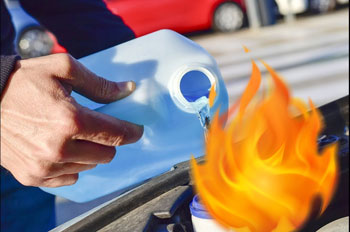
No. You should never use engine coolant or radiator antifreeze as windshield washer fluid. Coolant can leave a film on your windshield, reduce visibility, damage paint or trim, and create a serious driving hazard. Use the correct windshield washer fluid instead.
Across the United States, drivers face many road conditions, from dusty highways in Texas and heavy rain in Florida to snowy roads in Michigan and New York. A clean windshield helps drivers see traffic, road signs, cyclists, and pedestrians. When the washer fluid runs low, it may seem easy to reach for another liquid in the garage. However, engine coolant is not a safe substitute for windshield washer fluid.
Engine coolant and windshield washer fluid have different jobs. Coolant moves through the engine cooling system to control temperature and protect metal parts from corrosion and freezing. Washer fluid is made to remove road grime, dust, insects, and other deposits from glass. Their ingredients and intended uses differ, so putting coolant in the washer reservoir can create problems rather than solve them.
The safest choice is simple: keep the two fluids separate. If you have already added coolant to the washer reservoir, do not spray it onto the windshield. Avoid driving if your view is dirty or unclear, and arrange to have the incorrect fluid removed. This guide explains the risks, the correct alternatives, and what to do after an accidental mix-up.
Why You Should Never Use Coolant as Windshield Washer Fluid
Coolant is not designed to clean a windshield. Its job is to move heat away from the engine and help protect the cooling system. When sprayed onto glass, it may leave a slippery or greasy-looking film that ordinary wiper blades cannot remove well.
Vehicle manufacturers warn against using radiator coolant in the washer reservoir. The owner’s manuals for several modern Hyundai and Kia vehicles state that coolant can obscure the driver’s view and may damage paint or body trim. That warning applies even if the coolant looks clean or has been diluted with water.
The main danger is not simply that the windshield may look untidy. A film across the glass can scatter light, create glare, and make it harder to see road users. This is especially risky at night, in rain, or when facing bright headlights.
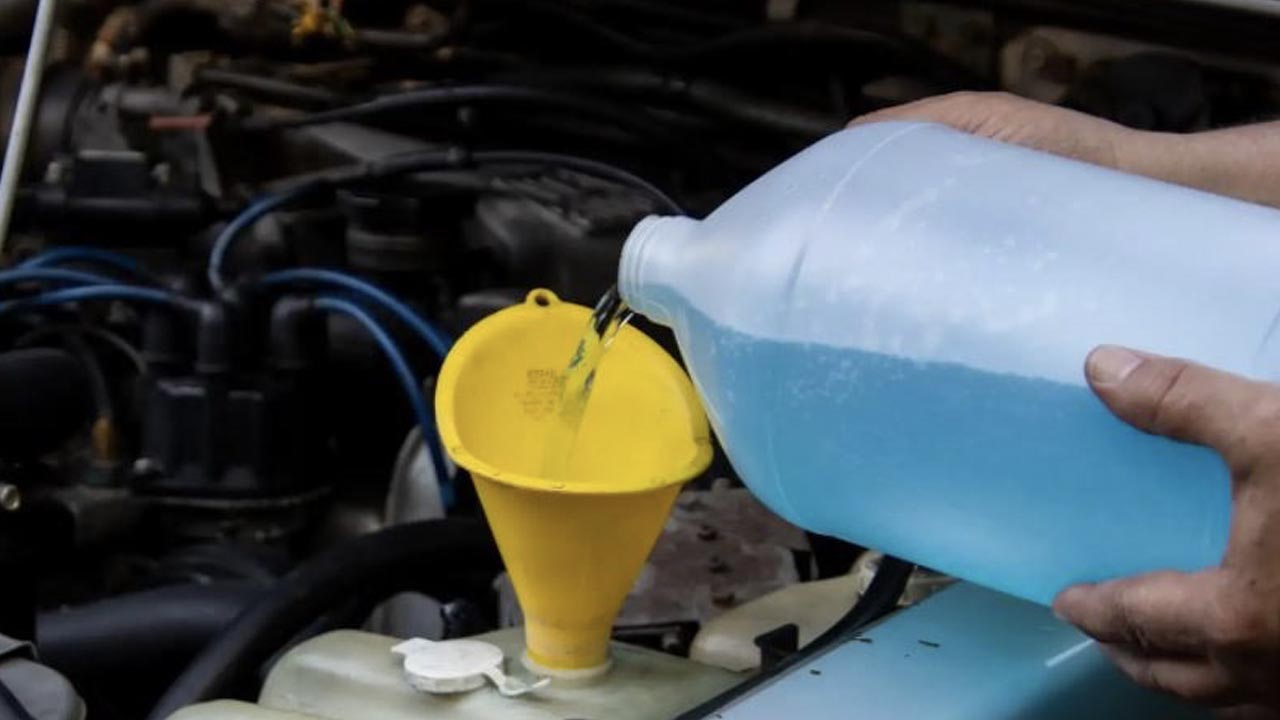
Source: upiautoparts.com
Reduced visibility
Coolant can leave residue on glass, making it harder to see through the windshield.
Possible paint and trim damage
Coolant may harm vehicle finishes or trim, especially if it spills and remains on the surface.
Poor cleaning performance
Engine coolant is not formulated to remove road grime, insect residue, and traffic film from glass.
Potential system contamination
Coolant may leave residue in the washer reservoir, pump, hoses, and spray nozzles.
Can coolant damage your windshield?
A coolant spill does not automatically mean the windshield itself is permanently damaged. The more immediate concern is the film or residue that may remain on the glass and reduce visibility. Paint, exterior trim, and washer-system parts also deserve attention after a spill.
The exact effect depends on the coolant formula, the amount used, how long it remains on a surface, and the material involved. Do not assume every coolant product has the same properties. Follow the product label and vehicle manufacturer’s cleaning guidance.
If coolant reaches the glass
Clean the glass with a suitable automotive glass cleaner and a clean cloth when the vehicle is safely parked.
If coolant reaches the paint
Rinse the affected area promptly with plenty of water, following the coolant label and vehicle care instructions.
Can coolant make driving dangerous?
Yes. A clear view of the road is essential for safe driving. If coolant is sprayed across the windshield and leaves a film that the wipers cannot clear, the driver may have trouble seeing vehicles, signs, lane markings, or people ahead.
If the windshield becomes smeared while driving, do not keep using the washer system in the hope that more spraying will solve the problem. Slow down smoothly, leave extra space, and pull over somewhere safe as soon as possible. Continue only when the windshield is clear enough for safe driving.
Stop if visibility is poor
Choose a safe place away from moving traffic rather than attempting repairs while driving.
Coolant vs. Windshield Washer Fluid: What Is the Difference?
Coolant and windshield washer fluid may both be sold as automotive liquids, but they are made for different systems. Using one in place of the other ignores the chemical and mechanical needs of the vehicle.
Engine coolant usually contains water, a glycol-based ingredient, and additives that help control corrosion and protect the cooling system. Many common formulas use ethylene glycol, while some products use propylene glycol or other formulations. The correct coolant depends on the vehicle’s design and manufacturer specifications.
Windshield washer fluid is designed to wet and clean automotive glass. Depending on the product, it may contain water, cleaning agents, alcohol, and other ingredients. Some versions also provide freeze protection or help remove bugs and road film.
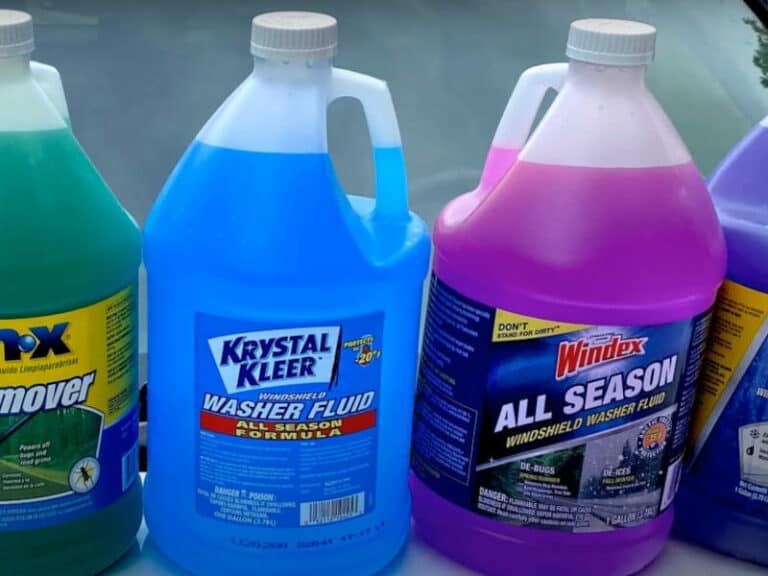
Color does not tell you whether a fluid is suitable for a particular system. Coolant may be green, orange, pink, yellow, blue, or another color. Washer fluid is often blue but may also be sold in other colors. Always read the label instead of identifying a fluid by its appearance.
Source: carblogindia.com
Engine coolant
Helps regulate engine temperature, transfer heat, protect cooling-system components, and provide freeze protection when correctly formulated.
Windshield washer fluid
Helps remove dirt, dust, insects, and road film from the windshield while supporting washer-system operation.
Coolant antifreeze
A term often used for the concentrate or product that helps lower freezing temperature and protect a cooling system. It is not windshield cleaner.
Winter washer fluid
A washer product formulated for cold conditions, with freeze protection stated on the product label.
Why does engine coolant contain different additives?
An engine cooling system contains metal parts, seals, hoses, and other components that must work together. Coolant additives help protect those parts from corrosion and deposits and support the product’s intended temperature range.
Those properties do not make coolant a glass cleaner. An additive that serves a useful purpose inside an engine may leave unwanted residue on the windshield. The fact that coolant contains water does not make the whole mixture suitable for spraying onto glass.
Use the specified coolant
Choose coolant that meets the vehicle manufacturer’s requirements rather than selecting it only by color or price.
Why is washer fluid better for cleaning glass?
Washer fluid is formulated for the cleaning task. It helps loosen and carry away common road deposits so the wipers can move the liquid and dirt off the glass. A suitable formula can also help reduce freezing in cold weather.
Different washer fluids have different limits. A summer formula may not protect against freezing during a winter storm, and a product intended for a mild climate may not suit a vehicle used in severe cold. Check the label for the expected temperature range.
Match the season
Choose a washer fluid with suitable freeze protection for the lowest temperatures you expect to encounter.
What Happens If You Put Coolant in the Washer Fluid Reservoir?
The effects depend on how much coolant entered the reservoir and whether the washer pump was used. If you have only poured coolant into the tank and have not activated the washers, you may have avoided spreading it across the glass. The system still needs attention before normal use.
If you have already sprayed the mixture, coolant may have reached the hoses, nozzles, wiper blades, and windshield. The amount of residue can vary with the product and concentration. Do not keep spraying to try to flush the system while driving.
A small amount of contamination is not proof that every washer-system component has been damaged. However, the safest approach is to stop using the system and have the reservoir and affected parts cleaned as needed. A mechanic can assess whether the pump, lines, or nozzles require further work.
Source: transpotrends.com
Coolant added but not sprayed
Leave the washer system switched off and arrange to have the reservoir emptied and cleaned before adding the correct fluid.
Coolant already sprayed
Avoid further spraying. Clean the windshield and arrange appropriate washer-system cleaning.
Washer pump makes an unusual sound
Stop using the system and ask a mechanic to check the pump and fluid supply rather than repeatedly running the pump.
Fluid leaks from the reservoir
Have the source of the leak checked. Do not assume the leak is caused only by the fluid type.
Can you simply add washer fluid to dilute the coolant?
No. Adding washer fluid to a contaminated reservoir does not make the mixture safe or restore the intended cleaning performance. It may reduce the coolant concentration, but it does not remove the unwanted ingredients from the system.
The better solution is to have the incorrect fluid removed. The reservoir and any affected lines or nozzles can then be cleaned as appropriate, and the system can be refilled with a compatible washer product. The exact cleaning method depends on the vehicle’s design.
Do not rely on dilution
Arrange proper removal rather than trying to correct the mixture by adding more fluid.
Will coolant clog the washer nozzles?
Coolant is not intended to flow through the washer system, so its effects on the nozzles and lines are not something you should assume will be harmless. Residue or contamination may affect normal operation, but the result depends on the product and the vehicle.
If the spray pattern changes, a nozzle stops working, or the pump behaves differently after contamination, have the system inspected. Avoid inserting sharp objects into the nozzles because they may damage or misalign them.
Check operation after professional cleaning
Confirm that the washers spray normally and that the windshield clears properly before returning to routine use.
What Should You Use Instead of Coolant?
Use a windshield washer fluid that suits your vehicle and the weather. This is the most direct way to clean the glass without exposing the washer system to a liquid designed for another purpose.
For many drivers in the United States, a ready-to-use washer fluid is the simplest option. It does not require measuring or mixing, and its label states the intended use and, where applicable, the freeze protection range.
Some products are concentrates that must be mixed with water. Follow the manufacturer’s stated ratio and use the recommended type of water. Do not pour a concentrate into the reservoir at full strength unless its label specifically says it is ready to use.
Climate matters. In warm weather, a suitable summer washer fluid can help remove road grime and insects. In areas with freezing winters, choose a winter-rated formula that matches the expected temperatures. Water alone may freeze and damage the reservoir, pump, or lines.
Source: www.slashgear.com
Ready-to-use washer fluid
A convenient choice for drivers who want to fill the reservoir without preparing a mixture.
Concentrated washer fluid
Suitable when the product label permits it and the correct dilution instructions are followed.
Winter washer fluid
Use a formula with adequate freeze protection for the conditions in which the vehicle will operate.
Water in a temporary warm-weather situation
Some vehicle manuals allow plain water when washer fluid is unavailable in warm conditions. It provides less cleaning performance and should not be used where freezing is possible.
Can you use plain water instead of windshield washer fluid?
Plain water may be an acceptable temporary option in warm weather if the owner’s manual permits it. It can rinse away some loose dust, but it does not offer the same cleaning action as a suitable washer fluid.
Water is not a good choice when temperatures may fall below freezing. Frozen water can block the washer system and may damage parts as it expands. In winter, use a washer fluid rated for the conditions rather than relying on water or engine coolant.
Use water only when suitable
Check the owner’s manual and local weather, and replace the temporary fill with the recommended washer product when practical.
Can household glass cleaner replace washer fluid?
Do not assume that a household glass cleaner is safe for the washer reservoir. Products made for indoor windows may contain ingredients that are not designed for vehicle paint, rubber parts, washer pumps, or exterior glass under driving conditions.
Use a product labeled for automotive windshield washer systems. If you need to clean the outside of the glass by hand, choose an automotive glass cleaner and follow its label. Keep cleaning products away from hot surfaces and store them safely.
Read the product label
Confirm that the product is intended for the exact task before adding it to any vehicle reservoir.
How to Fix an Accidental Coolant Mix-Up
If coolant has entered the washer fluid reservoir, stop using the washer system until the incorrect liquid has been removed. Acting promptly can help prevent the mixture from reaching the windshield and reduce the chance of residue spreading through the system.
Do not open the engine cooling system to solve a washer reservoir problem. The coolant reservoir and windshield washer reservoir are separate systems, and the engine cooling system can remain hot and pressurized after the engine stops. Work only on the washer system and follow the owner’s manual.
If you are unsure which reservoir received the fluid, do not start pouring in more liquid. Check the cap symbols and owner’s manual, or ask a qualified mechanic to identify the reservoirs. Never open a hot radiator cap.
Source: storage.googleapis.com
Step 1: Stop using the washers
Do not activate the pump if you know or suspect that coolant is in the reservoir.
Step 2: Identify the product
Keep the coolant container or product label available so the person cleaning the system knows what entered it.
Step 3: Arrange safe removal
Have a qualified mechanic or suitable service facility empty and clean the reservoir and assess the affected components.
Step 4: Clean affected surfaces
If coolant has reached the glass or paint, clean the affected area using a suitable product and the vehicle manufacturer’s guidance.
Step 5: Refill with the correct fluid
Use a compatible washer fluid and follow the reservoir’s fill guidance. Avoid overfilling.
Step 6: Check normal operation
Once the system has been cleaned and refilled, verify that the spray pattern is normal and the glass clears properly before driving.
Should you flush the washer system yourself?
A person with suitable automotive knowledge may be able to service a washer reservoir, but the right procedure varies by vehicle. Some reservoirs are easy to access, while others are behind body panels or other components. Improper removal can spill coolant or damage parts.
If access is difficult, the system has already been operated, or you cannot identify all affected components, professional service is the safer choice. Ask the mechanic to check the reservoir, pump, hoses, nozzles, and wiper blades as needed rather than replacing parts without inspection.
Avoid unnecessary repairs
Ask for an assessment of the contamination and the actual condition of the system before approving replacement parts.
How should you handle spilled coolant?
Engine coolant can be toxic if swallowed, and some formulations contain ethylene glycol. Keep children and pets away from spills and prevent the liquid from reaching drains, soil, or places where animals may lick it.
Wear suitable protection as directed by the product label, contain the spill safely, and follow local disposal rules. Do not pour used coolant onto the ground or into a household drain. If a person or pet may have swallowed coolant, seek urgent medical or veterinary advice rather than waiting for symptoms.
Protect people and pets
Keep the area clear, avoid direct contact, and follow the product safety instructions.
Dispose of waste correctly
Use an appropriate automotive fluid collection or hazardous waste service according to local requirements.
Common Mistakes to Avoid When Filling the Washer Reservoir
Most washer fluid mistakes happen when a driver is in a hurry or assumes that all automotive liquids do the same job. Taking a moment to check the cap and label can prevent contamination and save time later.
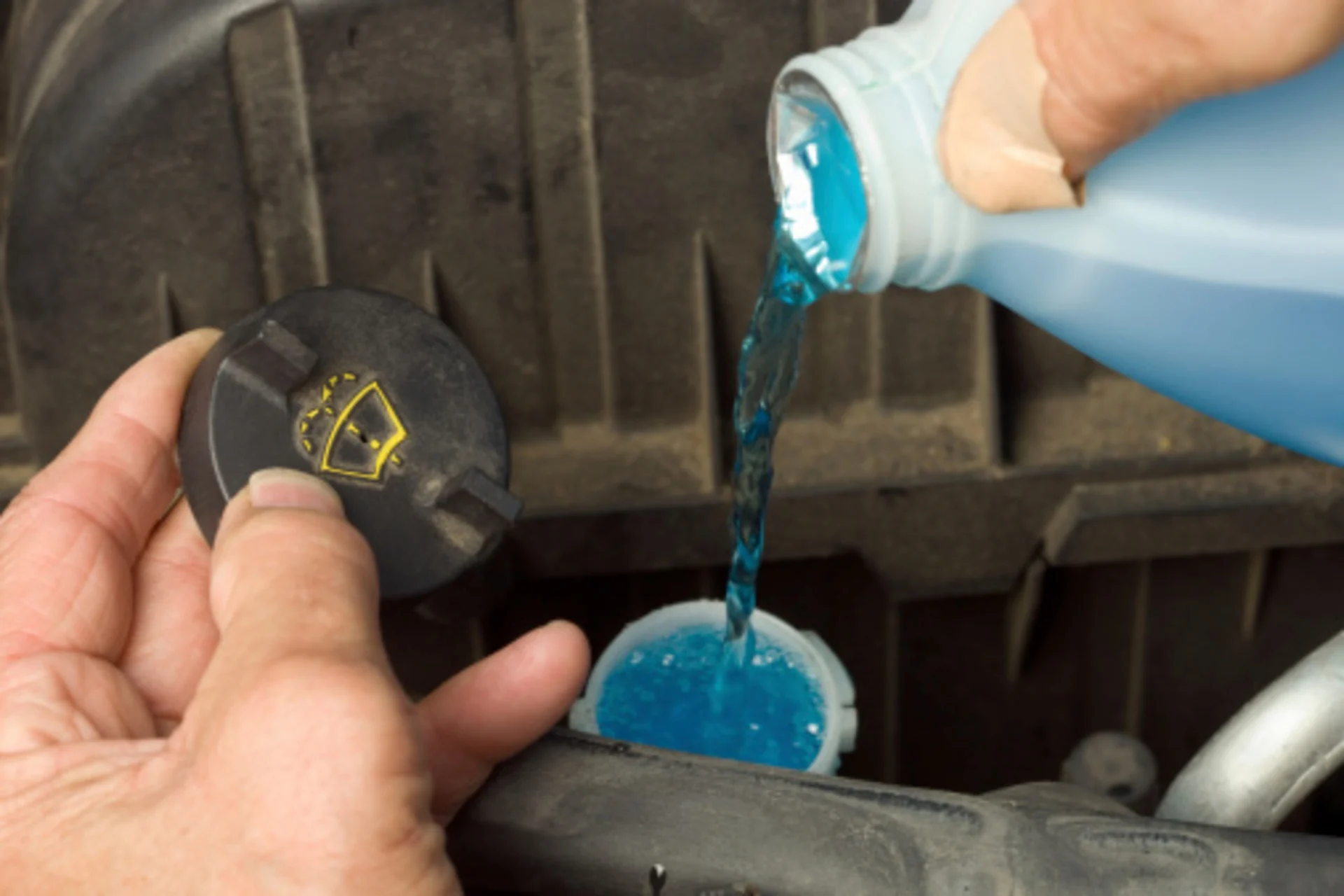
The washer reservoir is often made of translucent plastic and may have a symbol showing a windshield with spray. The coolant reservoir usually has a different cap and markings. Reservoir locations vary by vehicle, so do not rely on color or location alone.
Do not mix unknown fluids in an attempt to make a useful substitute. A mixture can behave differently from either product alone, and dilution does not prove that it is safe for the vehicle or effective on glass.
Source: storage.googleapis.com
Mistake: Choosing by color
Different products can share the same color. Read the label and verify the intended use.
Mistake: Assuming antifreeze means washer fluid
Engine antifreeze protects the cooling system. Washer fluid with freeze protection is a separate product.
Mistake: Mixing coolant with washer fluid
Do not attempt to create a safe washer solution by combining the two liquids.
Mistake: Ignoring the weather
A product that works in warm weather may not protect the system from freezing.
Mistake: Driving with a smeared windshield
Stop in a safe location and restore a clear view before continuing.
Mistake: Leaving spills unattended
Clean spills safely and keep coolant away from children, pets, drains, and soil.
How can you identify the correct reservoir?
Check the symbols on the cap and compare them with the illustrations in your owner’s manual. A washer reservoir commonly has a windshield and spray symbol. Coolant reservoirs often display temperature warnings and level marks such as MIN and MAX.
Never remove a coolant cap while the engine is hot. Hot coolant can be under pressure and cause severe burns. If the markings are unclear or the reservoirs are hard to reach, ask a mechanic for help before adding fluid.
Verify before pouring
Read the cap, consult the manual, and confirm that the container label matches the system.
How often should you check washer fluid?
Check the washer fluid level regularly, especially before a long trip, during periods of heavy road spray, and when bugs or road salt build up quickly. The exact rate of use depends on the weather, road conditions, and how often you operate the washers.
Keep a suitable container of washer fluid available when practical, and check that the cap is secure after filling. If the level drops unusually fast, inspect for a leak or ask a mechanic to check the system.
Make it part of routine checks
Check the washer fluid along with other basic vehicle items before longer drives.
Choosing Washer Fluid for Different U.S. Weather Conditions
The best washer fluid depends on the climate where you drive and the temperatures you expect to face. Drivers in warmer states may focus on dust, insects, and road grime, while drivers in colder regions need to consider freezing temperatures as well.
In summer, a suitable automotive washer fluid can help remove bugs and traffic film. In winter, a product with the right freeze protection can help prevent the reservoir and washer lines from freezing. Check the stated temperature rating rather than assuming that every winter product offers the same protection.
Drivers who travel between states should consider the conditions along the entire route. A warm starting point does not guarantee warm weather at a mountain pass or destination. Select a product that fits the coldest conditions reasonably expected during the trip.
Source: www.theweathernetwork.com
Warm and dry conditions
Choose an automotive washer fluid intended for routine cleaning of dust, bugs, and road grime.
Frequent rain
Use a suitable washer fluid and maintain good wiper blades so dirt can be cleared effectively.
Cold winters
Select a washer fluid rated for the expected low temperatures and follow its instructions.
Long-distance travel
Check the forecast and road conditions before leaving, especially when crossing regions with different climates.
Does winter washer fluid replace engine coolant?
No. Winter washer fluid is made for the windshield cleaning system, not the engine cooling system. Its freeze protection does not mean it can protect an engine against overheating, freezing, or corrosion.
Engine coolant must meet the specifications listed for the vehicle. Use the correct product in the cooling system and the correct washer fluid in the washer reservoir. Neither product is a substitute for the other.
Keep the systems separate
Check each fluid label and fill only the reservoir intended for that product.
Frequently Asked Questions
Q
Can you use coolant as windshield washer fluid in an emergency?
No. Coolant can leave residue on the windshield, impair visibility, and harm paint or trim. If the washer reservoir is empty, use a suitable automotive washer fluid as soon as possible. Some owner’s manuals permit plain water as a temporary option in warm conditions, but water is unsuitable when freezing is possible.
Q
What happens if you accidentally put antifreeze in the washer fluid tank?
Stop using the washer system and arrange to have the incorrect fluid removed. If the system has already been used, coolant may have reached the hoses, nozzles, wiper blades, and windshield. Have the affected parts assessed and cleaned as needed before normal use resumes.
Q
Can you mix coolant and windshield washer fluid?
You should not mix them. The products have different purposes and ingredients, and mixing them does not create a tested or suitable washer solution. If they have already mixed in the reservoir, have the mixture removed rather than trying to correct it by adding more washer fluid.
Q
Is coolant the same as antifreeze?
The terms are often used together, but they can refer to products in different forms. Antifreeze concentrate is commonly mixed with water to create engine coolant, while many products are sold premixed and ready to use. Neither form should be placed in the windshield washer reservoir.
Q
Can windshield washer fluid damage an engine if it is put in the coolant reservoir?
Yes, putting washer fluid into the engine cooling system can cause problems because washer fluid is not formulated to protect engine parts, seals, and cooling-system materials. Do not start the engine if you know the wrong fluid has entered the coolant reservoir. Contact a qualified mechanic for advice on removing the contamination and checking the system.
Q
Can coolant be washed off a windshield?
Often, surface residue can be removed with a suitable automotive glass cleaner and a clean cloth. If coolant was sprayed through the washer system, do not keep activating the washers to clear the glass. Clean the windshield safely while parked and arrange to have the contaminated washer system serviced.
Q
Is it safe to touch engine coolant?
Avoid direct contact and follow the product label. Some coolants contain ethylene glycol, which is poisonous if swallowed. Keep coolant away from children and pets, wash exposed skin promptly, and seek professional medical or veterinary advice if ingestion is suspected.
Q
Can I use water in the windshield washer reservoir instead?
Some vehicle manuals allow plain water temporarily in warm weather when washer fluid is unavailable. However, water may not clean as well as washer fluid and can freeze in cold conditions. Check the owner’s manual and use a suitable automotive washer fluid for regular use.
✦ Wrapping Up
Conclusion
You should never use coolant as windshield washer fluid. Engine coolant protects the engine and cooling system, while washer fluid is designed to clean glass. Putting coolant in the washer reservoir can leave residue on the windshield, reduce visibility, damage paint or trim, and contaminate parts of the washer system.
If coolant has entered the reservoir, stop using the washers and arrange to have the incorrect fluid removed. Clean any affected glass or paint according to the relevant product and vehicle instructions. If the fluid has entered the engine cooling system instead, do not start the engine until a qualified mechanic has advised you on the next steps.
For routine care, use a compatible automotive washer fluid that suits your climate. Check the product label, follow the owner’s manual, and verify the reservoir before pouring. A quick check can help protect your vehicle and keep your view of the road clear.
💡 Key Takeaway
Do not put coolant or antifreeze in the windshield washer reservoir. Use the correct automotive washer fluid, and if a mix-up has already happened, stop using the system and arrange proper cleaning before driving.
Learn how to unclog a windshield washer hose, check for blockages, restore washer fluid flow, and identify when a damaged hose or pump needs replacement.
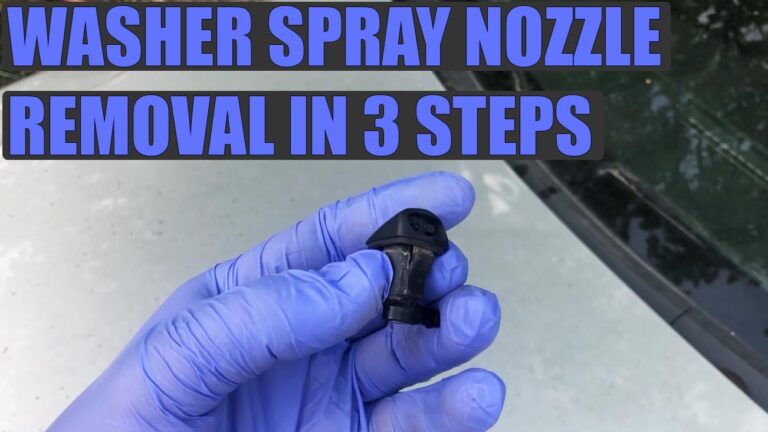
Learn how to remove a windshield washer nozzle safely, identify clip and screw-mounted designs, disconnect the hose, replace the nozzle, and test the spray pattern.