Putting windshield washer fluid in your car’s radiator can contaminate the engine coolant, reduce corrosion protection, and affect heat transfer. If this happens, shut off the engine if it is safe to do so, do not drive the car, and arrange for the cooling system to be checked and drained as needed.
Across the United States, drivers rely on engine coolant to protect their cars during summer heat, winter freezes, and long highway trips. Windshield washer fluid serves a different job. It helps clear dirt, road salt, and bugs from the windshield so drivers can see the road. Although both fluids may come in brightly colored containers, they are not interchangeable.
If you accidentally pour windshield washer fluid into the radiator or coolant reservoir, the outcome depends on how much entered the system, the type of washer fluid, and whether the engine has been started. A small spill into the wrong tank is not the same as adding a large amount directly to the cooling system. The safest response is to stop, avoid further operation, and find out where the fluid went.
This guide explains the possible effects, the steps to take after an accidental mix-up, and the signs that professional service may be needed. It also explains why the coolant reservoir and windshield washer reservoir must be identified correctly before adding any fluid.
What Happens If You Put Windshield Washer Fluid in the Radiator?
Putting windshield washer fluid in the radiator introduces a liquid that was not made for engine cooling. The cooling system depends on a carefully chosen coolant mixture to move heat away from the engine, resist freezing, raise the boiling point when properly formulated, and protect metal parts from corrosion. Washer fluid is made to clean glass, not perform these jobs.
The immediate effect is contamination. The seriousness of that contamination depends on the amount added and the vehicle’s condition. A few drops are unlikely to have the same effect as a large pour, but there is no universal amount that can be declared safe for every car.
If the engine has not been started, the mixture may still be limited to the area where the fluid entered. If the engine has been running, the water pump may have moved the mixture through more of the cooling system. That can increase the work needed to restore the correct coolant mixture.
Do not assume the car is safe just because the temperature gauge looks normal. Some problems may not appear at once, and the gauge cannot confirm that the coolant still has the right chemical properties.
Source: carfluidpro.com
Reduced coolant protection
Washer fluid does not provide the full set of corrosion inhibitors and other protective properties required by an engine cooling system.
Possible cooling performance changes
Changing the intended coolant mixture can affect its thermal and chemical performance. The actual effect depends on the amount and formulation of the contaminant.
Potential damage if the engine overheats
If cooling performance becomes inadequate, continued driving may lead to costly engine damage. Overheating is a warning to stop, not a problem to drive through.
Possible service costs
A technician may need to drain and refill the system, inspect its components, and check for leaks or overheating-related damage.
Does Windshield Washer Fluid Immediately Damage an Engine?
Not necessarily. Adding washer fluid does not automatically mean that an engine has been ruined. If the engine stayed off and the contamination is removed promptly, the risk of serious damage may be lower than if the vehicle was driven while contaminated.
However, the exact risk cannot be determined from appearance alone. Washer fluid formulas differ, and vehicle cooling systems also differ. A mechanic can use the amount added, the location of the fill point, and the vehicle’s service information to decide what work is needed.
Engine stayed off
This is generally the more favorable situation because the pump has not circulated the mixture during engine operation.
Engine ran briefly
Stop operating the vehicle and explain to the mechanic how long it ran and whether the temperature gauge changed.
Engine overheated
Do not restart it to test whether it has cooled down. Arrange professional inspection before further operation.
Why Windshield Washer Fluid Is Different From Engine Coolant
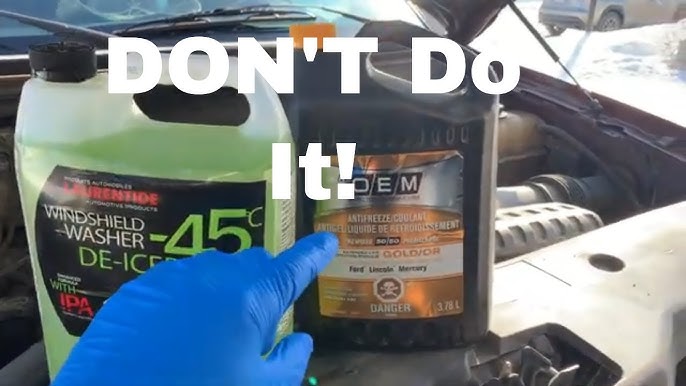
Windshield washer fluid and engine coolant are made for different systems. Washer fluid removes grime from glass and helps the wipers clear the windshield. Engine coolant circulates through passages in the engine and radiator to manage heat and protect the cooling system.
Many washer fluids contain water, alcohols such as methanol or ethanol, detergents, dyes, and other ingredients. The exact formula varies by product. Some are designed for freezing conditions, while others are intended for warmer weather or bug removal.
Engine coolant may contain ethylene glycol or propylene glycol, along with additives selected to protect metals, seals, and other cooling-system parts. The correct formulation depends on the vehicle. Different coolant technologies are not always interchangeable, so a color match is not enough to identify the right product.
The main issue is not simply that washer fluid is a different color. It is that washer fluid has not been formulated or approved to serve as engine coolant. Adding it changes the intended mixture and can weaken the protection that the system needs.
Washer fluid cleans the windshield; coolant carries engine heat and protects cooling-system parts.
Different chemical additives
Washer fluid’s cleaning agents and alcohols are not a substitute for the corrosion inhibitors and other additives specified for engine coolant.
Different operating demands
Coolant must work across the engine’s temperature range and under system pressure. Washer fluid is designed for a washer tank, pump, hoses, and spray nozzles.
Some washer fluids contain toxic ingredients. Coolant can also be harmful if swallowed, so both products must be handled according to their labels and safety instructions.
Can Washer Fluid Change the Coolant’s Freezing or Boiling Protection?
It can change the properties of the mixture, but the exact result cannot be predicted without knowing the products and their proportions. Engine coolant is normally mixed with water at a ratio specified by the product or vehicle manufacturer. Adding another fluid changes that intended ratio and may reduce protection against freezing or boiling.
A windshield washer fluid’s winter rating applies to its use in the washer system, not to its use inside an engine. Do not rely on a washer fluid label that mentions freezing temperatures as evidence that it can protect a radiator.
Winter driving
An incorrect coolant mixture may not provide the freeze protection needed for the vehicle and local weather.
Summer driving
High outside temperatures, heavy traffic, towing, or steep climbs can place extra demands on the cooling system. Use the specified coolant mixture.
What to Do Immediately After Adding Washer Fluid to the Radiator
The safest first step is to stop adding fluid and leave the engine off. Do not start the car simply to see whether it runs normally. The next step is to confirm which tank received the fluid and estimate how much was added.
Never remove a radiator cap or open a pressurized coolant reservoir while the engine is hot. The cooling system can remain hot and pressurized after the engine stops. Wait until the vehicle is fully cool and follow the owner’s manual, or let a qualified technician handle the inspection.
If the fluid went into the actual coolant system, arrange for professional advice before driving. A small amount and a large amount may require different service, but the decision should be based on the vehicle and the contamination rather than a guess.
Source: storage.googleapis.com
Step 1: Keep the engine off
If you have not started the car, do not start it. If the engine is running and there is no immediate danger from stopping, switch it off safely.
Step 2: Confirm the fill point
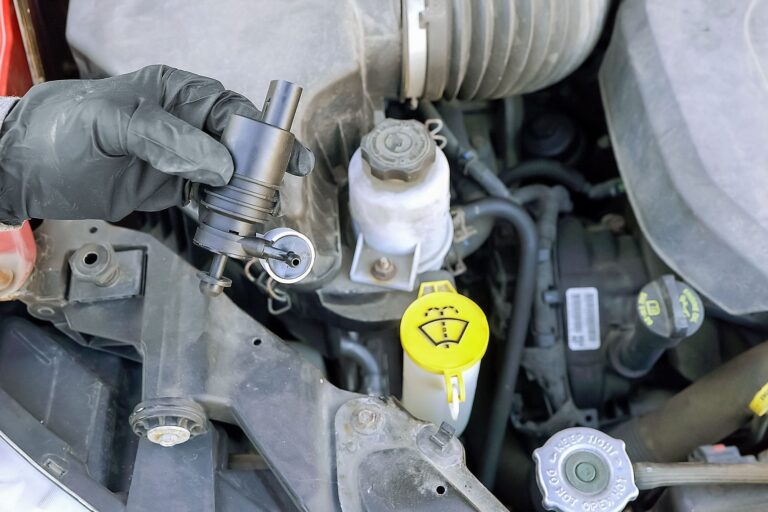
Check the tank cap symbols and the owner’s manual. The windshield washer tank is separate from the engine coolant reservoir, even when both are located under the hood.
Step 3: Estimate the amount
Tell the technician whether you added a few drops, a small splash, or a substantial amount. Also report whether the engine was running.
Step 4: Save the product details
Keep the washer fluid container or take a clear photo of its label. The ingredients and product type may help the technician assess the situation.
Step 5: Arrange proper service
Ask whether the vehicle should be towed and whether the cooling system needs draining, rinsing, refilling, and inspection.
What If the Engine Is Hot?
Do not open the radiator cap when the engine is hot. Pressurized coolant can escape suddenly and cause severe burns. Do not pour cold water or additional fluids into a hot engine as an improvised fix.
If the temperature gauge is in the danger zone, a warning light appears, steam is visible, or the engine loses power, pull over in a safe place and shut it off. Keep clear of escaping steam and call for roadside help. Do not remove caps while waiting.
Avoid contact
Keep your hands and face away from the cap, hoses, and any escaping steam.
Do not drive on
Continuing to drive an overheating car can turn a manageable repair into major engine damage.
Wait for qualified help
Follow the vehicle manual and roadside technician’s advice before any inspection or restart.
What If You Poured It Into the Wrong Reservoir?
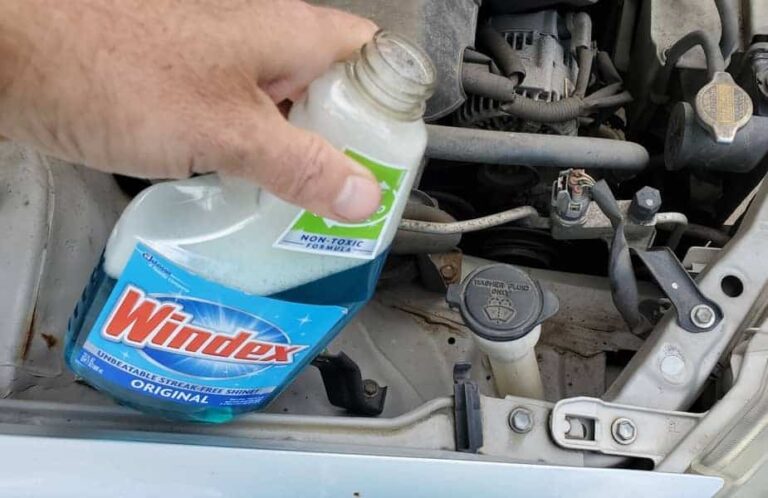
If the fluid went into the windshield washer reservoir rather than the coolant system, the engine cooling system may be unaffected. Do not add more fluid until you have confirmed the tank’s purpose.
If you accidentally added engine coolant to the washer reservoir, avoid spraying it onto the windshield. Coolant can leave a film that reduces visibility, and the product may be harmful. Have the washer tank drained and cleaned as appropriate, and dispose of the fluid safely.
Washer tank received washer fluid
This is the intended use. Follow the washer fluid label and the vehicle manual.
Coolant tank received washer fluid
Keep the engine off and arrange assessment and removal of the contaminant.
Washer tank received coolant
Do not spray it. Have the tank serviced and use the correct washer fluid afterward.
Does the Cooling System Need a Flush?
A cooling-system drain and refill may be needed after washer fluid enters the coolant. A more thorough rinse may also be appropriate, depending on the amount added, the fluid’s ingredients, and whether the engine circulated the mixture.
A flush is not automatically required in every case, and a simple top-up with fresh coolant is not a reliable fix for significant contamination. Adding more coolant may dilute the unwanted fluid, but it does not ensure that the system has returned to the required specification.
A qualified technician can determine how much fluid must be removed and whether the system should be rinsed. The service procedure must fit the vehicle’s design. Some vehicles have specific bleeding steps, air pockets that are difficult to remove, or electric cooling components that require special procedures.
After the system is cleaned, it must be refilled with the correct coolant at the proper concentration. The technician should also check the coolant level, remove trapped air according to the manufacturer’s procedure, and confirm that the system operates normally.
Source: carfluidpro.com
Small amount, engine not started
A technician may find that prompt removal and correct refilling are sufficient. The right response depends on where the fluid entered and the vehicle’s design.
Large amount added
A drain and rinse may be needed to remove the contaminant rather than simply dilute it.
Engine ran after contamination
The fluid may have circulated through the system, so the technician may need to assess more than the original fill point.
Overheating occurred
The repair may require further checks for leaks, cooling-system faults, or heat-related damage before the vehicle returns to service.
Can You Flush the Radiator Yourself?
Some experienced vehicle owners can perform a coolant drain and refill, but this job is not the same for every car. The owner must know the correct coolant specification, the safe service procedure, the required capacity, and how to remove trapped air.
Because washer fluid is an unintended contaminant, a professional assessment is a sensible choice when the amount is unknown, the engine has been run, or the fluid contains an unfamiliar formula. If you are not sure how to service a pressurized cooling system safely, do not attempt the job.
Never pour used coolant or contaminated fluid onto the ground, into a storm drain, or into household plumbing. Keep it away from children and pets, and ask a local automotive service facility or waste program how to dispose of it.
Check the owner’s manual
Use the specified coolant type and follow the model-specific maintenance instructions.
Use proper safety measures
Work only on a fully cool system and prevent contact with harmful fluids.
Do not guess at the refill
Use the correct mixture and the manufacturer’s air-bleeding procedure.
Symptoms to Watch for After Coolant Contamination
The most urgent warning sign is engine overheating. A temperature warning light, a gauge entering the danger zone, visible steam, or an overheating message means you should stop in a safe place and switch off the engine.
Other symptoms may include coolant leaks, an unusual coolant appearance, or a cabin heater that no longer works as expected. These signs do not prove that washer fluid caused the problem. They can also indicate an existing leak, low coolant, trapped air, a faulty thermostat, a water-pump problem, or another cooling-system fault.
Do not wait for symptoms before arranging service if you know that washer fluid entered the cooling system. Contamination may not create an immediate warning. Prompt action can reduce the chance of the vehicle being operated with an unsuitable mixture.
Source: transpotrends.com
High temperature or warning light
Stop driving as soon as it is safe. Do not restart the engine to see whether the warning clears.
Steam or a strong fluid smell
Keep away from hot components and escaping vapor. Arrange roadside assistance if needed.
Visible leaks or falling coolant level
Have the system inspected for leaks and other faults. Do not rely on repeated top-ups.
Poor cabin heat
This can have several causes, including low coolant or trapped air. A technician should diagnose it rather than assume contamination is the only cause.
No obvious symptoms
The absence of warning signs does not prove the coolant mixture is safe. Arrange an assessment before normal driving.
Could Washer Fluid Cause Corrosion?
Engine coolant contains additives intended to protect the metals and other materials inside the cooling system. Washer fluid does not provide the same specified protection. Introducing it may weaken the intended protective chemistry, especially if a significant amount remains in the system.
The extent of any corrosion risk depends on the formula, concentration, materials, and exposure time. It would be misleading to claim that every accidental addition causes immediate corrosion or that damage is certain. The practical response is to restore the approved coolant mixture promptly.
Short exposure
Prompt removal may limit the time that unsuitable fluid remains in contact with cooling-system parts.
Longer exposure
Leaving a contaminated mixture in service increases uncertainty about the system’s chemical protection and performance.
How Much Windshield Washer Fluid Is Too Much?
There is no single safe volume that applies to every vehicle. The importance of the amount depends on the cooling system’s total capacity, the type of washer fluid, the existing coolant mixture, and whether the fluid circulated.
For example, a hypothetical small splash in a system holding several gallons is different from pouring a large portion of a washer fluid bottle into a nearly empty coolant reservoir. However, neither example creates a universal safe threshold. A small amount can still warrant advice, especially if the vehicle has a special cooling-system design or the product contains an ingredient of concern.
Do not try to calculate a safe dilution ratio by adding extra coolant or water. The correct response is to report the estimated amount and product to a technician. That information helps determine whether draining, rinsing, and refilling are needed.
Source: carnewsbox.com
Amount added
Record an estimate in ounces, cups, or liters if possible. An approximate amount is more useful than saying only that some fluid was added.
Where it entered
Tell the technician whether the fluid went into the radiator, the pressurized expansion tank, or another reservoir.
Whether the engine ran
Report whether the engine was off, idling, or driven and for how long.
Product ingredients
Provide the brand, product name, label, and safety information when available.
Does a Small Amount Need Immediate Attention?
A very small amount may present less risk than a large pour, but it should not be treated as automatically harmless. The right decision depends on the exact product and the vehicle.
If the engine is still off, leave it off and contact a repair shop for advice. If the engine has been operated or the amount is uncertain, explain those facts before deciding whether the vehicle can be moved. Towing is the safer option when there is doubt about overheating or cooling-system safety.
Do not rely on color
Fluid color cannot establish its concentration, compatibility, or safety.
Do not rely on the temperature gauge alone
A normal reading cannot confirm that the correct coolant chemistry has been restored.
Common Mistakes to Avoid
The biggest mistake is continuing to drive because the vehicle seems normal. A contaminated cooling system may not show an immediate symptom, and the cost of an avoidable overheating event can be high.
Another common mistake is opening the radiator cap while the engine is hot. Even if the vehicle has stopped running, the system may still hold dangerous pressure. Always allow the system to cool fully and follow the manufacturer’s instructions.
Avoid home remedies such as adding dish soap, vinegar, alcohol, or other household liquids to correct the problem. These products are not approved substitutes for coolant, and additional ingredients can complicate cleanup.
Finally, do not assume that topping up with the correct coolant fixes a large contamination event. Dilution alone may leave unwanted fluid in the system. A mechanic should determine the correct drain, rinse, and refill procedure.
Source: carfluidpro.com
Mistake: driving to the repair shop
If the engine’s cooling condition is uncertain, ask the shop whether the vehicle should be towed instead.
Mistake: opening a hot system
Wait until the engine is fully cool. Never use the radiator cap as a quick way to check the mixture.
Mistake: adding more fluids
Do not add water, more washer fluid, or random coolant products as an improvised correction.
Mistake: mixing coolant by color
Use the specification listed in the owner’s manual or approved service information, not color alone.
Mistake: ignoring disposal
Keep contaminated fluid contained and use an appropriate automotive-fluid disposal service.
Can You Use Water Instead of Coolant to Fix the Mixture?
Adding water is not a dependable way to remove washer fluid from the cooling system. It may dilute the mixture, but it does not remove the contaminant or restore the required corrosion protection. It can also alter freeze and boil protection.
Water may be used in certain manufacturer-approved service procedures, but that is different from using it as an improvised fix. Follow the vehicle’s specified process and refill with the approved coolant mixture.
Use the specified coolant
Check the owner’s manual for the required coolant type and concentration.
Use a proper service procedure
Have the system drained and rinsed when required rather than trying to solve contamination by dilution alone.
Frequently Asked Questions
Q
Will windshield washer fluid ruin my radiator?
Not in every case. The outcome depends on the amount added, the fluid formula, and how long the mixture remains in the cooling system. Prompt removal may prevent more serious problems, but significant contamination can affect coolant performance and protection. Keep the engine off and arrange an assessment.
Q
Can I drive after putting windshield washer fluid in the coolant reservoir?
The safest choice is not to drive until the situation has been assessed. If the fluid entered the engine cooling system, continuing to operate the vehicle may circulate the contaminant and create a risk of overheating or other problems. Ask a mechanic whether towing is needed.
Q
What if I started the engine after adding washer fluid?
Turn the engine off as soon as it is safe to do so. Tell the mechanic how long the engine ran, whether the vehicle was driven, and whether any temperature warning appeared. The mixture may have circulated, so the technician can determine the right cleaning and refill procedure.
Q
Can I fix the problem by adding more antifreeze?
Do not rely on adding antifreeze alone. It may dilute the washer fluid, but it does not ensure that the contaminant has been removed or that the cooling system has the correct chemical balance. The vehicle may need a drain, rinse, and refill with the specified coolant.
Q
How much does it cost to remove windshield washer fluid from a radiator?
The cost varies by vehicle, location, labor rate, contamination level, and whether a simple drain and refill or a more involved service is needed. If the engine overheated, extra diagnosis or repairs may add to the cost. Ask a repair shop for an estimate after explaining the amount added and whether the engine ran.
Q
How can I tell the coolant reservoir from the washer fluid reservoir?
Use the cap symbols and owner’s manual rather than guessing from the tank’s shape or fluid color. The windshield washer reservoir often has a windshield-and-spray symbol. The coolant tank commonly has a temperature or coolant warning symbol. Do not open a hot coolant system to identify it.
Q
Can windshield washer fluid and antifreeze ever be mixed?
They should not be mixed for use in an engine cooling system. Washer fluid is formulated for cleaning glass, while engine coolant is designed for heat transfer and cooling-system protection. Use only a coolant approved for your vehicle.
✦ Wrapping Up
Conclusion
Putting windshield washer fluid in a radiator or coolant reservoir can contaminate the engine cooling system and change the properties of the coolant. Possible consequences include reduced protection against corrosion, altered temperature protection, and an increased risk of trouble if the vehicle continues to run. Serious engine damage is not inevitable, but the risk should not be ignored.
If you made this mistake, keep the engine off, do not open a hot radiator cap, and identify the product and approximate amount added. A qualified mechanic can decide whether the system needs to be drained, rinsed, refilled, and inspected. If the car overheated or the cooling system’s condition is uncertain, arrange roadside assistance rather than driving it.
For future maintenance, check the owner’s manual and read the reservoir symbols before pouring any fluid. Windshield washer fluid belongs in the washer reservoir, while the cooling system needs the exact coolant specification approved for the vehicle.
💡 Key Takeaway
Keep the engine off if washer fluid entered the coolant system, never open a hot radiator cap, and contact a qualified mechanic to determine whether draining, rinsing, and refilling are required.