To fill windshield washer fluid in a Nissan Altima, park on level ground, turn off the engine, open the hood, locate the windshield washer fluid reservoir, and pour in suitable washer fluid until the reservoir is full without overflowing. Secure the cap and test the washers.
For Nissan Altima owners in the United States, keeping the windshield washer reservoir filled helps maintain clear visibility during rain, road trips, dusty commutes, and winter driving. Refilling the reservoir is a straightforward maintenance task that usually requires only a bottle of automotive windshield washer fluid and a few minutes.
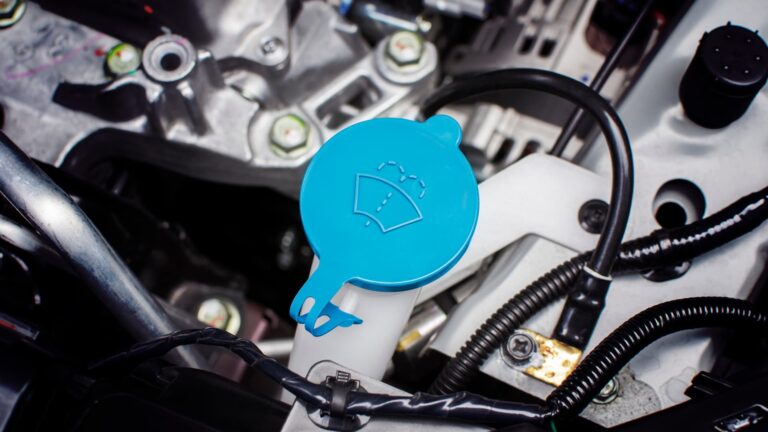
The exact reservoir position and under-hood layout can vary by Altima model year. Use the windshield washer symbol on the cap to identify the correct opening, and consult the owner’s manual if the reservoir is difficult to locate. Never confuse the washer fluid reservoir with the coolant reservoir, brake fluid reservoir, or engine oil filler.
Choose washer fluid appropriate for your local climate. Summer formulas may help remove road grime and insects, while winter formulas are designed to resist freezing at a specified temperature. Do not use engine coolant, household cleaning products, or other automotive fluids as substitutes.
What You Need Before Filling a Nissan Altima’s Washer Fluid
Gather the correct supplies before opening the hood. Most Nissan Altima models have an accessible washer fluid reservoir, so you generally do not need special tools for a routine refill.
Work on a level surface with the engine switched off. Allow hot components to cool before reaching into the engine compartment, and keep the washer fluid away from children and pets.
Source: www.youtube.com > Virar Automotive
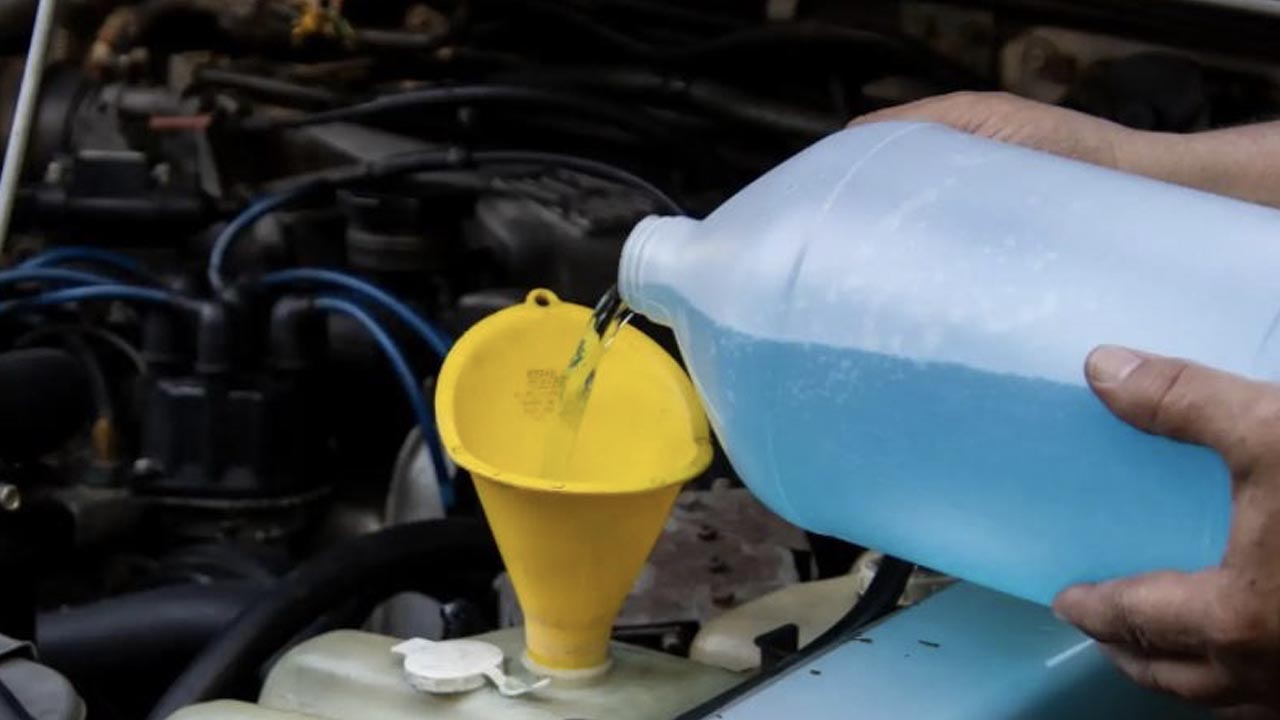
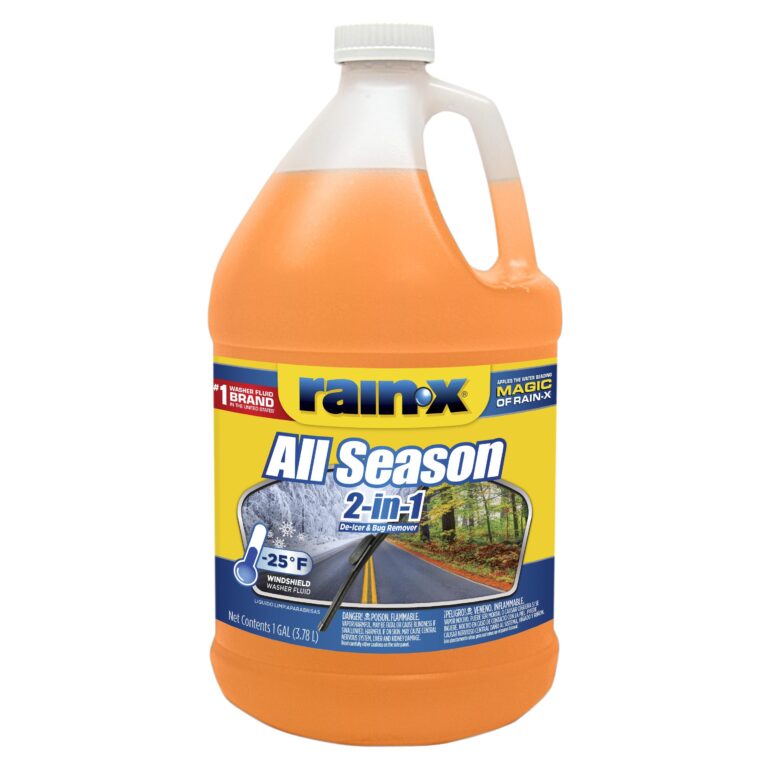
Automotive windshield washer fluid
Select a premixed or concentrated automotive washer product according to its label. If using concentrate, follow the manufacturer’s dilution instructions.
Funnel, if needed
A clean funnel can help prevent spills when the reservoir opening is narrow or awkward to reach.
Owner’s manual
Use the manual for your specific Altima model year to confirm the reservoir location and any model-specific instructions.
Clean cloth
Keep a cloth nearby to wipe away accidental drips from surrounding surfaces.
Which Washer Fluid Should You Use?
Choose fluid based on the weather where you drive. In warm conditions, a summer or all-season formula may be appropriate. In areas that experience freezing temperatures, use a winter-rated formula whose stated freeze protection suits the expected conditions.
Follow the product label for mixing and temperature limits. Do not assume that every all-season product provides adequate protection during a severe freeze. If the reservoir contains a different fluid already, check the new product’s compatibility instructions before mixing them.
Cold-weather driving
Use washer fluid rated for the lowest temperatures you reasonably expect. Fluid that freezes can prevent spraying and may damage components.
Warm-weather driving
A suitable summer or all-season washer fluid can help remove ordinary road film, dust, and insects.
Avoid inappropriate substitutes
Do not pour engine coolant, brake fluid, or household detergents into the washer reservoir. Avoid plain water in freezing weather because it can freeze in the reservoir, pump, or hoses.
How to Fill Windshield Washer Fluid in a Nissan Altima
The basic refill process is similar across many Nissan Altima model years. The main differences are the under-hood layout and the position of the reservoir, so verify the location for your particular vehicle.
Source: www.youtube.com > Paul79UF
Step 1: Park and switch off the engine
Park on level ground, engage the parking brake, switch off the engine, and remove the key or switch off the vehicle as applicable. Let hot engine components cool before working under the hood.
Step 2: Open the hood
Release the hood using the interior hood-release lever, then operate the exterior safety latch and raise the hood. Secure it with the support rod if your model uses one, or confirm that the hood stays safely open.
Step 3: Locate the washer fluid reservoir
Look for a plastic reservoir with a cap marked by a windshield and spray symbol. Its position varies by model year. If you cannot identify it confidently, check the under-hood diagram or owner’s manual before opening any container.
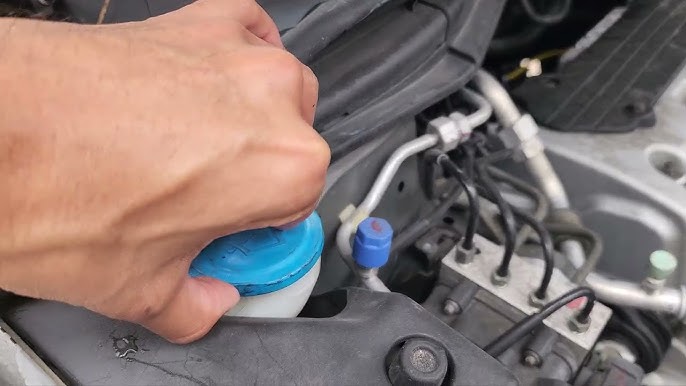
Step 4: Open the reservoir cap
Lift or unscrew the washer reservoir cap according to its design. Keep dirt and debris away from the opening so they do not enter the system.
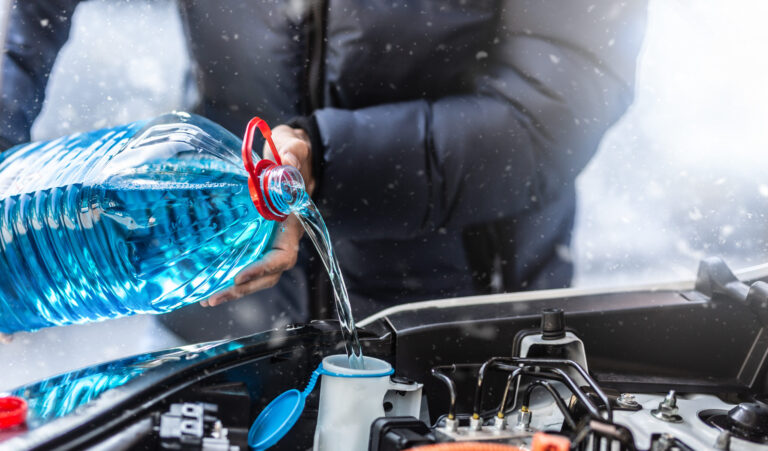
Step 5: Add the correct washer fluid
Pour automotive windshield washer fluid slowly into the reservoir. Use a funnel if it helps direct the stream. Stop before the fluid spills over the opening, and do not force extra fluid into a reservoir that appears full.
Step 6: Replace the cap
Securely close the reservoir cap and wipe up any spilled fluid. Make sure no tools or cloths remain in the engine compartment.
Step 7: Close the hood and test the washers
Close the hood securely, then operate the windshield washer according to your owner’s manual. Confirm that fluid reaches the windshield and the wipers clear it normally.
How Do You Know When the Reservoir Is Full?
Depending on the reservoir design, you may be able to see the fluid level through the translucent plastic or observe the fluid near the filler opening. Stop when the reservoir reaches its indicated full level, if marked, or when the level is near the appropriate filling point described in the owner’s manual.
Do not estimate a fixed capacity without checking the specification for your Altima’s model year. Reservoir sizes and layouts can differ, and filling until fluid spills out is unnecessary.
Visible fluid level
If the reservoir is translucent, use the visible level to judge how much more fluid it needs.
Fluid near the opening
Pour slowly and stop when the level reaches the intended filling point. Allow time for the fluid to settle.
No visible level
Use the model-specific owner’s manual rather than inserting tools into the reservoir or guessing at its capacity.
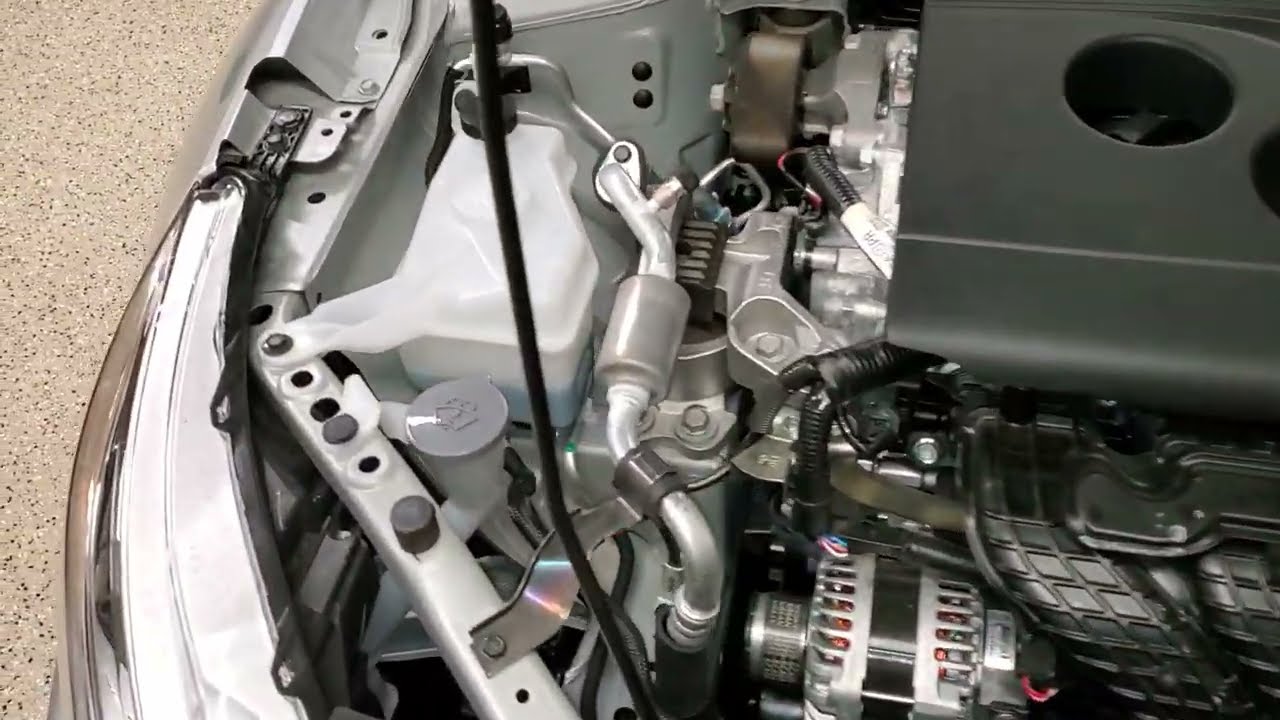
Where Is the Windshield Washer Fluid Reservoir on a Nissan Altima?
The windshield washer fluid reservoir is under the hood in the engine compartment. Its exact position can change between generations and model years, so a location shown in a video for another Altima may not match your car.
The easiest way to identify the correct reservoir is to look for the windshield washer symbol on the cap. Consult the owner’s manual if the symbol is difficult to see or if several fluid containers are close together.
Source: www.youtube.com
Look for the washer symbol
Find the cap showing a windshield with spray marks. Confirm the symbol before adding fluid.
Check the owner’s manual
Use the engine-compartment illustration for your specific model year to confirm the location.
Do not rely on cap color alone
Cap colors are not a dependable identification method across all vehicles. Read the marking and verify the container.
How to Avoid Filling the Wrong Reservoir
The washer reservoir is different from the engine coolant expansion tank, brake fluid reservoir, and engine oil filler. These systems require different fluids, and adding the wrong substance can lead to costly repairs or unsafe operation.
If you accidentally pour the wrong fluid into a reservoir, stop immediately. Do not operate the affected system or start the engine if engine oil or coolant may have been contaminated. Obtain vehicle-specific advice from a qualified repair professional before proceeding.
Washer fluid reservoir
Contains windshield cleaning fluid and is identified by the washer symbol.
Coolant reservoir
Contains engine coolant. Do not open it while hot or add washer fluid to it.
Brake fluid reservoir
Contains specified brake fluid. Contamination can affect braking performance and requires professional attention.
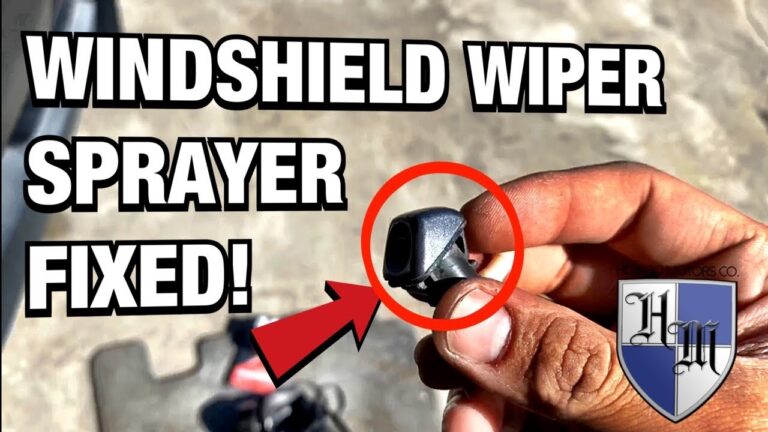
What to Do If Your Nissan Altima’s Washer Fluid Will Not Spray
If the reservoir is full but the windshield remains dry, adding more fluid is unlikely to solve the problem. Check for a frozen system, clogged spray nozzles, a disconnected hose, a leak, or a failed washer pump.
Park safely before troubleshooting. Do not keep activating the washer pump repeatedly if it makes unusual noises or no fluid is reaching the windshield. Running a pump without adequate fluid can contribute to damage.
Source: www.youtube.com > Paul79UF
Check the fluid level again
Make sure the reservoir contains enough fluid and that its cap is properly secured.
Consider freezing temperatures
If the weather is below freezing, the fluid or washer lines may be frozen. Move the vehicle to a warmer location and allow the system to thaw naturally. Do not use an open flame or pour boiling water over components.
Inspect the visible hoses
With the vehicle switched off, look for an obviously disconnected or damaged hose and signs of fluid leaking underneath the car. Avoid reaching near moving parts or hot components.
Check the spray nozzles
Dirt or debris can block the nozzles. Clean accessible nozzle openings gently without forcing sharp objects into them or damaging their alignment.
Listen for the pump
When conditions are safe, briefly operate the washer control and listen for the pump. No sound may indicate an electrical, switch, fuse, wiring, or pump issue; hearing the pump does not prove that the fluid path is clear.
When Should You Get Professional Help?
Arrange an inspection if the reservoir repeatedly empties without normal use, fluid leaks from the vehicle, the pump does not operate after basic checks, or the washer system remains inoperative after thawing and nozzle cleaning.
If rain, road spray, or dirt makes it difficult to see through the windshield, do not continue driving until visibility is adequate. Pull over somewhere safe and resolve the visibility problem before continuing.
Repeated fluid loss
A cracked reservoir, loose hose, or leaking connection may need repair.
Electrical symptoms
A failed fuse, damaged wiring, faulty control, or defective pump may require diagnosis.
Persistent blockage
A technician can inspect the hoses, pump, and nozzles if ordinary cleaning does not restore spraying.
Common Mistakes When Refilling Washer Fluid
Most washer fluid refills are simple, but using the wrong liquid or overlooking cold-weather conditions can cause avoidable problems. A careful refill helps protect the system and keeps the windshield cleaning function ready when needed.
Source: YouTube > The Zebra
Adding fluid to the wrong container
Confirm the windshield washer symbol before pouring. Never use a container’s position or color as the only identifier.
Using plain water in freezing weather
Water can freeze inside the reservoir and plumbing, preventing operation and potentially damaging components.
Overfilling the reservoir
Pour slowly and stop at the intended level. Overflowing fluid creates unnecessary spills and does not improve cleaning.
Mixing incompatible products
Follow the washer fluid label before mixing formulas, especially when switching between concentrated and premixed products.
Ignoring persistent warning signs
Repeated low levels, leaks, or failure to spray after a refill may indicate a fault rather than normal fluid consumption.
Opening the hood without checking safety
Switch off the engine, keep clear of hot components, and ensure the hood is supported securely while you work.
Can You Use Water Instead of Washer Fluid?
Water may seem convenient in warm weather, but it is not a reliable all-season replacement for automotive washer fluid. It lacks the cleaning additives found in many washer products and can freeze when temperatures drop.
For routine use, choose a compatible automotive washer fluid that suits local weather conditions. If you have already added water, consider the expected temperatures and the product instructions before topping up with another formula. Do not operate the system if you suspect it has frozen.
Warm conditions
Water may provide limited rinsing, but it does not offer the same formulated cleaning performance as a suitable washer product.
Freezing conditions
Use properly rated winter washer fluid and avoid leaving water in the system when freezing is expected.
How Often Should You Refill Washer Fluid in a Nissan Altima?
There is no single mileage interval that applies to every Nissan Altima. Washer fluid consumption depends on driving conditions, weather, how frequently you clean the windshield, and whether the system has a leak.
Check the reservoir periodically and before long drives, especially during rainy seasons, winter weather, or periods of heavy road grime. Refill it whenever the level is low enough that you may run out during normal use.
A reservoir that becomes empty unusually quickly deserves attention. Repeated fluid loss may indicate a leak or another fault, particularly if you rarely use the washers.
Source: roadworthylabs.com
Before a long trip
Check the fluid level and make sure the spray pattern reaches the windshield effectively.
During winter
Verify that the fluid is suitable for expected temperatures and that the system operates normally.
After frequent washer use
Check the level if you have used substantial fluid to clear mud, insects, salt, or road spray.
Does a Low Washer Fluid Level Mean Something Is Broken?
Not necessarily. Washer fluid is consumed during normal use, so a low level after repeated spraying is expected. However, a sudden or repeated drop without much use can point to a leak, a damaged reservoir, or a loose hose.
If the reservoir repeatedly empties, inspect for visible leaks and arrange a repair if the cause is not obvious. Do not assume that a refill alone has corrected an underlying problem.
Normal consumption
Fluid decreases after you spray the windshield, particularly during dirty or wet driving conditions.
Possible leak
Fluid disappears quickly, pools under the vehicle, or leaves wet marks around the reservoir or hoses.
Frequently Asked Questions
Q
Where do you put windshield washer fluid in a Nissan Altima?
Pour it into the under-hood reservoir marked with a windshield washer symbol. The exact location varies by model year, so consult your owner’s manual if you cannot identify the correct cap.
Q
Can I fill my Nissan Altima’s washer fluid when the engine is hot?
It is safer to switch off the engine and let hot components cool before working under the hood. Keep your hands and clothing away from hot surfaces, fans, belts, and other components.
Q
How much windshield washer fluid does a Nissan Altima hold?
The exact reservoir capacity depends on the vehicle specification and model year. Check the owner’s manual for your particular Altima, and use the reservoir’s visible level or documented filling instructions rather than guessing a capacity.
Q
Why does my Nissan Altima still not spray after I add washer fluid?
Possible causes include frozen fluid, clogged nozzles, a disconnected hose, a leak, a blown fuse, an electrical fault, or a failed washer pump. Start with safe visual checks and arrange professional diagnosis if the problem persists.
Q
Can I use any brand of windshield washer fluid in my Nissan Altima?
Choose automotive windshield washer fluid labeled for the temperatures and conditions in which you drive. Follow the product’s compatibility and mixing instructions, particularly when changing formulas or using a concentrate.
Q
Can windshield washer fluid freeze in a Nissan Altima?
Yes. Fluid that is not rated for the prevailing temperatures can freeze in the reservoir, pump, or hoses. Use a winter-rated product appropriate for the expected low temperatures, and let a frozen system thaw naturally in a warmer location.
Q
How do I know if my Nissan Altima’s washer reservoir is leaking?
Signs include fluid disappearing unusually quickly, visible wetness around the reservoir or hoses, or a puddle beneath the vehicle after filling. If the source is unclear or the leak continues, have the washer system inspected.
✦ Wrapping Up
Conclusion
Filling windshield washer fluid in a Nissan Altima is a simple maintenance task. Park safely, switch off the engine, locate the reservoir using its washer symbol, add suitable automotive fluid, secure the cap, and test the spray system. Always use the owner’s manual for model-specific reservoir details.
Choose fluid suited to your local climate and check the level regularly, especially before road trips or winter driving. If the washers fail to spray after refilling, investigate possible freezing, blockages, leaks, or pump problems instead of continuing to add fluid.
💡 Key Takeaway
Before your next drive, check your Nissan Altima’s washer fluid level, top it up with a suitable automotive washer fluid, close the reservoir cap securely, and confirm that the windshield washers spray properly.
Learn how to put windshield washer fluid in a Smart car, locate the reservoir, choose the right fluid, refill it safely, and troubleshoot common problems.