A windshield washer pump uses a small electric motor to draw washer fluid from its reservoir and push it through hoses to spray nozzles on the windshield. When the driver activates the washer control, the pump receives electrical power and moves fluid onto the glass, helping the wipers clear dirt and improve visibility.
Across the United States, drivers face many conditions that can dirty a windshield, from road salt and slush in the Northeast to dust, pollen, rain, and insect residue in other regions. A working windshield washer system helps drivers keep the glass clear during daily commutes, highway trips, and changing weather. The pump is a small part, but it plays a key role in this basic visibility system.
Most modern vehicles use an electric washer pump mounted on or near the washer fluid reservoir. The system also includes a control switch, electrical wiring, fluid hoses, spray nozzles, and often a fuse or electronic control module. Understanding how these parts work together can help you tell whether a washer problem comes from the pump or from another part of the system.
This guide explains the pump’s working principle, the path fluid follows, common signs of failure, and practical checks you can make before paying for repairs. Exact layouts vary by make, model, and year, so use your owner’s manual for vehicle-specific locations and service instructions.
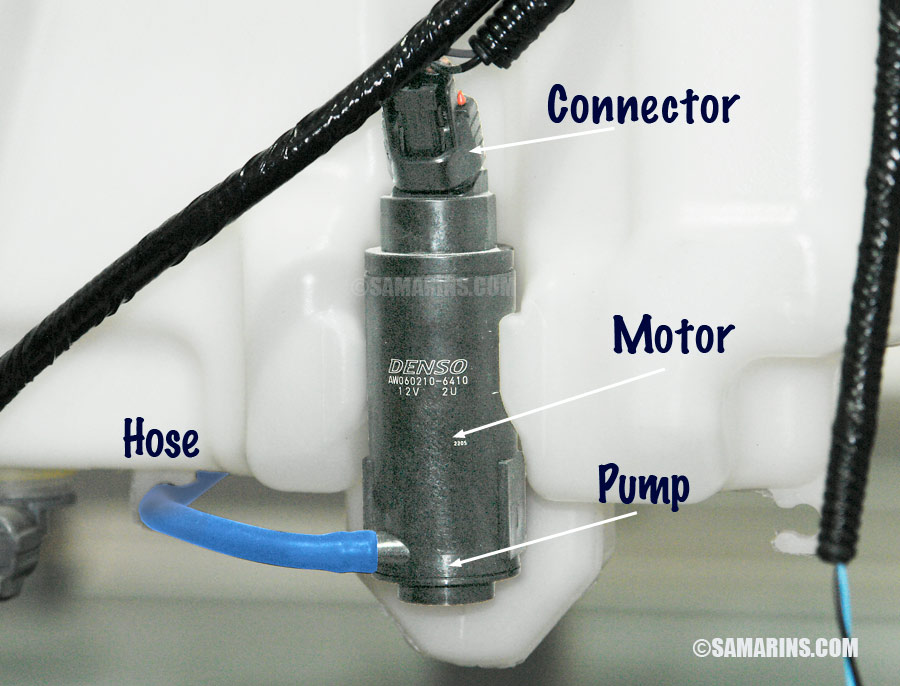
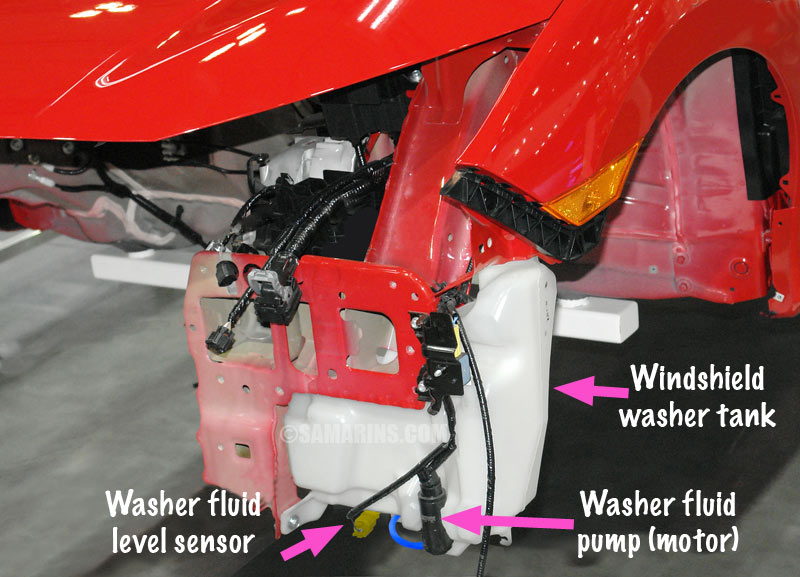
A windshield washer pump is a compact device that moves cleaning fluid from a storage tank to the windshield. In most modern cars, it combines a small electric motor with a pump mechanism in one unit. It is usually fitted low on the washer fluid reservoir so the inlet can draw fluid from the tank.
The pump does not clean the glass by itself. It supplies the fluid that loosens dirt, dust, pollen, road film, and other residue. The spray nozzles direct that fluid onto the windshield, and the wiper blades spread it across the glass and carry away the loosened grime.
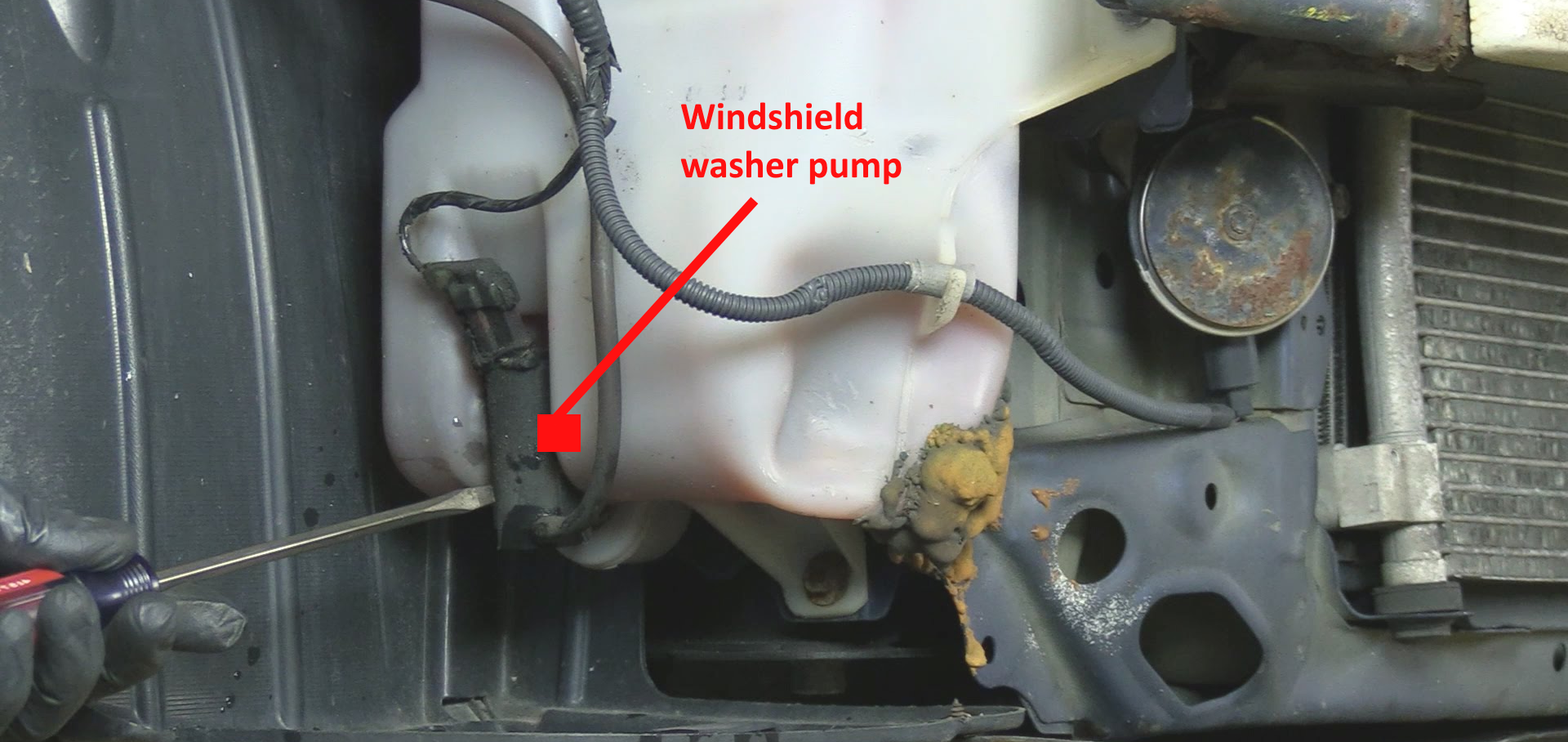
The pump is often hidden behind a fender, bumper, or other body panel. Some vehicles have easy access from under the hood, while others require removal of a wheel-well liner or reservoir. The owner’s manual or a vehicle-specific service guide is the best way to confirm its location.
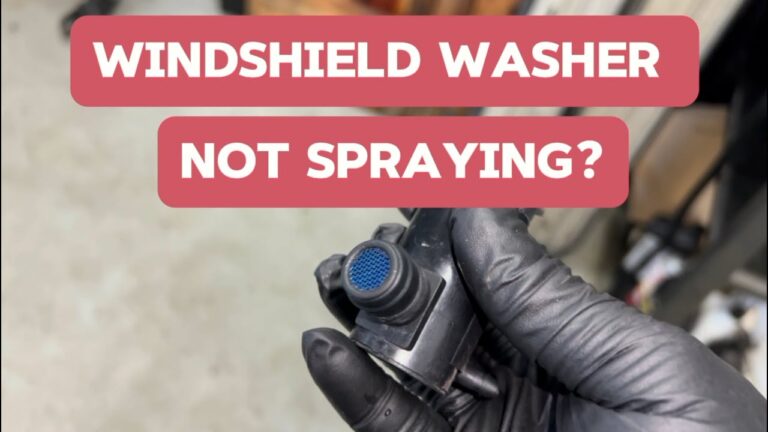
Source: storage.googleapis.com
Electric motor
Turns electrical power into rotation that drives the pump mechanism.
Pump housing and inlet
Allow washer fluid to enter the pump and move toward its outlet.
Fluid outlet
Connects the pump to the hoses that carry fluid to the spray nozzles.
Electrical connector
Supplies power and ground through the vehicle’s washer control circuit.
How the pump differs from the reservoir
The reservoir stores washer fluid, while the pump moves it. A full reservoir cannot spray the windshield if the pump has failed or its electrical supply is interrupted. Likewise, a healthy pump cannot deliver fluid properly if the tank is empty, a hose is disconnected, or a nozzle is blocked.
Reservoir
Holds the washer fluid until the driver needs it.
Pump
Moves fluid from the reservoir into the delivery lines.
How Does a Windshield Washer Pump Work Step by Step?
A windshield washer pump works when the driver requests fluid and the vehicle’s electrical circuit powers the motor. The motor rotates an internal pumping element, which draws fluid through the inlet and pushes it toward the outlet. The fluid then travels through the hoses and exits through the spray nozzles.
The process is simple in principle, although modern vehicles may use electronic control modules to manage the request. Some systems also combine washer operation with automatic wiper sweeps. The exact timing and control method depend on the vehicle.
Source: grimmermotors.co.nz
Step 1: The driver activates the washer
Pulling a steering-column lever, pressing a button, or using another designated control sends a washer request to the vehicle’s electrical system.
Step 2: The control circuit supplies power
Depending on the vehicle, a switch, relay, body control module, or related circuit allows current to reach the pump motor.
Step 3: The motor begins to rotate
Electrical energy produces motor rotation. The motor drives an internal impeller or rotor-style pumping mechanism.
Step 4: The pump draws in fluid
The rotating mechanism creates the pressure difference needed to pull washer fluid from the reservoir through the inlet.
Step 5: The pump sends fluid through the hoses
The pumping action raises the fluid pressure enough to move it through the delivery lines toward the nozzles.
Step 6: The nozzles spray the glass
Small openings shape the fluid into a stream or fan pattern aimed at the windshield. The wipers can then spread the fluid and remove loosened dirt.
Step 7: The pump stops
When the washer request ends, the control circuit stops powering the motor. Fluid delivery stops, although a small amount may remain in the hoses.
What creates the fluid pressure?
The motor turns a small pumping element inside the housing. Its design moves fluid from the inlet toward the outlet, creating the pressure needed to overcome resistance in the hoses and nozzles. This is a liquid-moving action, not compressed air pushing the fluid through the system.
The pump must create enough pressure for the fluid to reach the nozzles, but the system does not have one universal pressure value for every car. Pump design, fluid temperature, hose condition, nozzle size, and electrical supply all affect performance.
A clear inlet
Allows fluid to reach the pumping mechanism without a restriction.
A sound motor
Provides the rotation needed for normal fluid delivery.
Open hoses and nozzles
Allow the fluid to reach the glass without excessive resistance.
What Parts Make the Washer Pump System Work?
The washer pump is only one link in a chain. The control circuit starts the process, the reservoir supplies the liquid, and the hoses and nozzles deliver it to the glass. A fault in any of these parts can cause symptoms that resemble a failed pump.
Knowing each part’s role helps you narrow down the cause before buying a replacement. It also explains why a pump that makes a normal sound may still fail to produce a useful spray.
Source: www.youtube.com, DIY Projects
Washer switch
Lets the driver request fluid. It may be part of a steering-column stalk or a separate control.
Fuse and wiring
Protect and supply the electrical circuit. A blown fuse, loose connector, damaged wire, or poor ground can prevent the motor from running.
Control module or relay
On vehicles equipped with these components, they help route or control power in response to the driver’s request.
Washer fluid reservoir
Stores the cleaning fluid and usually feeds the pump through an inlet near the bottom of the tank.
Hoses and connectors
Carry fluid from the pump to the front or rear washer nozzles. A split hose can release fluid before it reaches the glass.
Spray nozzles
Direct and shape the fluid onto the glass. Debris or mineral deposits can restrict the spray.
Wiper blades
Spread the fluid and remove loosened grime. Worn or damaged blades can still leave streaks even when the pump works properly.
How front and rear washer systems differ
Some vehicles use one reversible pump to serve the front windshield and rear window. Reversing the motor’s direction can route fluid through a different outlet or internal valve. Other vehicles use separate pumps or another plumbing arrangement.
This difference matters during diagnosis. If the front washer works but the rear washer does not, the problem could involve a separate pump, a directional valve, a hose, or the control circuit. The symptom alone does not prove which component has failed.
Front washer works, rear washer fails
Check the vehicle’s pump layout, rear hose, rear nozzle, and related controls before assuming the main pump is defective.
Both washers fail
Check the fluid level, freezing, shared electrical supply, and common components first.
Signs of a Bad Windshield Washer Pump
A faulty windshield washer pump may cause no spray, weak spray, or inconsistent operation. However, these symptoms can also come from an empty reservoir, frozen fluid, clogged nozzles, damaged hoses, or electrical problems. Diagnose the system before deciding that the pump needs replacement.
The sound made when you activate the washer is a useful first clue. Listen briefly with the vehicle parked in a safe place, and stop testing if the reservoir is empty or the fluid may be frozen.
Source: askmyauto.com
No sound and no spray
Possible causes include a blown fuse, damaged wiring, a faulty switch or control module, a poor electrical connection, or a failed pump motor.
Motor runs but no fluid comes out
Check the fluid level, frozen fluid, a blocked inlet filter, a disconnected hose, a leak, or blocked nozzles.
Weak or uneven spray
A restriction, leak, worn pump, low supply voltage, or partially blocked nozzle may reduce fluid delivery.
Fluid leaks near the reservoir
A cracked tank, damaged pump seal, loose hose, or leaking connector may allow fluid to escape.
Pump works intermittently
Possible causes include a loose connector, damaged wiring, a failing motor, or a problem in the control circuit.
A fuse blows repeatedly
A short circuit, damaged wiring, or an overloaded motor may be responsible. Do not keep replacing the fuse without finding the cause.
Can a pump make noise and still be faulty?
Yes. Hearing a hum confirms that the motor is making some movement, but it does not prove that the pump can move fluid properly. A worn internal mechanism, blocked inlet, air entering the supply, or a disconnected hose can prevent normal spray.
If the pump runs but fluid does not reach the windshield, check the fluid supply and delivery path before replacing the unit. If fluid leaks from the pump body or its seal, the pump assembly or seal may need repair or replacement.
Listen
Note whether the pump is silent, humming, or making an unusual sound.
Observe
Look for fluid leaks and check whether any nozzle produces spray.
Compare
If the vehicle has front and rear washers, check whether both systems behave the same way.
How to Troubleshoot a Windshield Washer Pump
Start with the simplest and safest checks: fluid level, freezing, visible leaks, and nozzle blockage. If these checks do not solve the problem, inspect the fuse and electrical connections using the vehicle’s manual. This sequence helps avoid replacing a working pump.
Park on level ground, switch off the vehicle when inspecting under the hood, and keep hands away from moving parts. If a check requires access beneath the car, electrical testing, or removal of body panels, use the correct service information or ask a qualified technician.
Source: samarins.com
Step 1: Check the washer fluid level
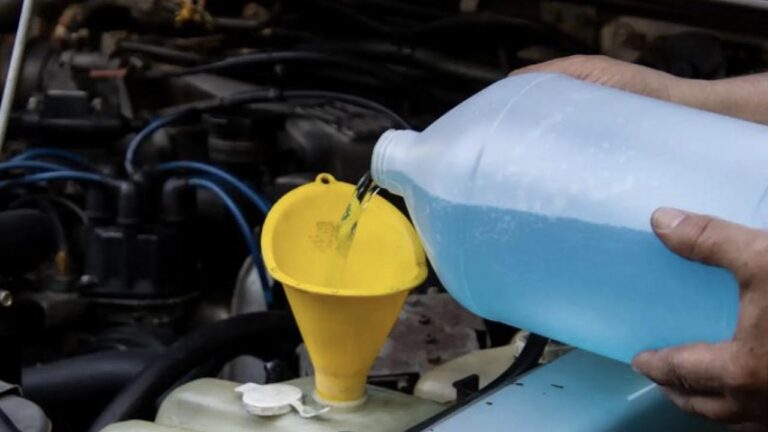
Find the washer reservoir using the owner’s manual. If it is low or empty, refill it with the correct washer fluid and test the system briefly.
Step 2: Check for freezing
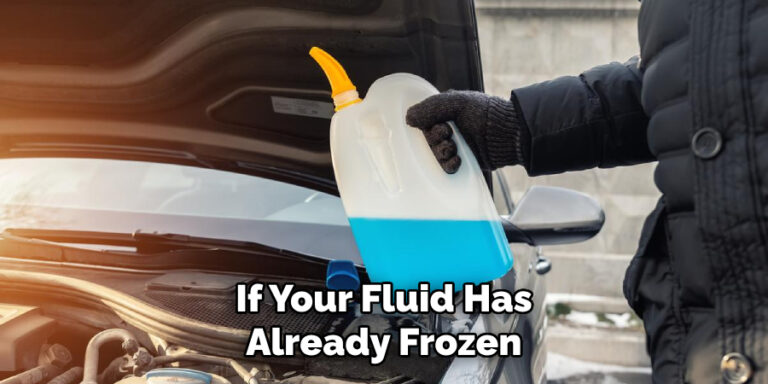
In cold weather, fluid can freeze in the reservoir, pump, hoses, or nozzles. Do not keep activating the pump or use an open flame to thaw the system.
Step 3: Listen for the pump
With enough fluid in the tank, activate the washer briefly while the vehicle is parked. A helper can listen from a safe position if the pump is difficult to hear.
Step 4: Inspect visible hoses and leaks
Look for loose connections, cracked hoses, wet areas, or fluid collecting beneath the vehicle. Do not reach near belts or fans while the engine is running.
Step 5: Check the nozzles
Look for dirt or debris blocking the spray openings. Follow the vehicle maker’s cleaning advice and avoid forcing sharp tools into delicate nozzles.
Step 6: Check the correct fuse
Use the owner’s manual or fuse diagram to identify the washer circuit. Replace a blown fuse only with the specified type and rating.
Step 7: Seek electrical diagnosis if needed
If the pump remains silent despite good fluid supply and a sound fuse, a technician can check the connector, wiring, ground, switch input, and control circuit.
What if the pump runs but the windshield stays dry?
First, confirm that the reservoir contains fluid and that it has not frozen. Then look for a loose or split hose and signs of a leak. If fluid is reaching the nozzle feed line but does not spray, a blocked nozzle is a likely possibility.
A technician can check fluid delivery at the hose connection and inspect the pump inlet. Avoid disconnecting hoses near electrical components or hot engine parts. Use the service manual’s procedure if direct access is needed.
Fluid appears under the vehicle
Inspect the reservoir, pump seal, and hoses for leaks.
No visible leak and no nozzle spray
Check for a blocked inlet, restricted hose, or clogged nozzle.
Pump sounds strained
Stop testing and check for low fluid, freezing, or a restriction before further operation.
When should you stop troubleshooting?
Stop if the fuse blows again, wiring looks damaged, a connector is melted, the pump becomes unusually hot, or you cannot access the component safely. Repeatedly powering a blocked or dry pump may cause more damage. Electrical faults and hidden leaks are best handled with the correct tools and vehicle-specific instructions.
Do not bypass the fuse
A larger fuse or improvised wire can overheat and create a fire risk.
Do not work under an unsupported vehicle
If access requires lifting the vehicle, proper lifting equipment and rated supports are essential.
What Affects Washer Pump Performance?
Washer pump performance depends on more than motor condition. Fluid temperature, reservoir level, electrical supply, hose condition, and nozzle resistance can all change how well fluid reaches the windshield. A pump that seems weak may be responding to a restriction elsewhere in the system.
For example, a vehicle that sprays well in warm weather may produce little or no spray after a cold night if the fluid is not rated for the temperature. In another case, the motor may sound normal while a split hose sends the fluid into the engine bay instead of onto the glass.
Source: storage.googleapis.com
Fluid level
A low or empty reservoir can prevent proper fluid delivery and may cause unnecessary pump wear.
Fluid temperature
Frozen fluid blocks movement through the system and can strain the pump.
Electrical supply
Poor connections or wiring faults can reduce or interrupt motor operation.
Hose condition
Cracks, kinks, leaks, and loose joints can reduce flow before the fluid reaches the nozzles.
Nozzle condition
Blocked or misdirected nozzles can cause weak, uneven, or misplaced spray.
Pump wear
Internal wear or damage can reduce fluid delivery even when the motor still runs.
Why the right washer fluid matters
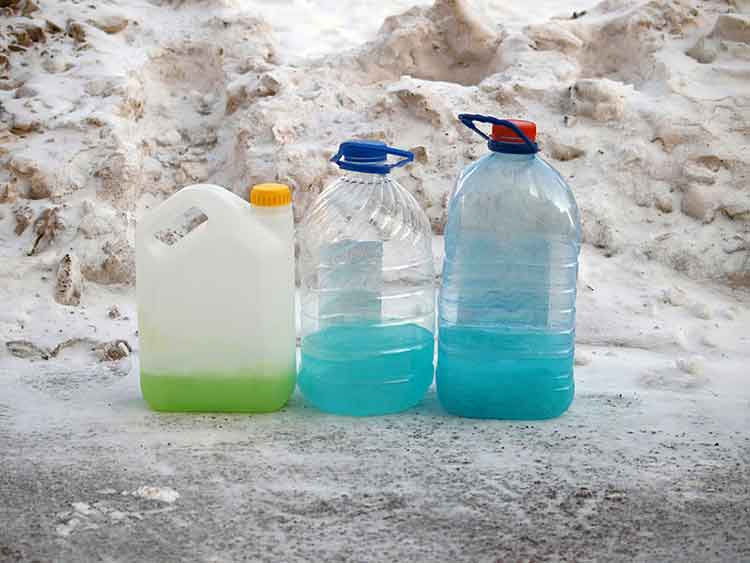
Use windshield washer fluid designed for automotive glass and suitable for the temperatures your vehicle may face. In cold parts of the United States, winter-rated fluid helps reduce the risk of freezing in the reservoir, pump, hoses, and nozzles. In warmer areas, choose a product that suits local conditions and the vehicle maker’s instructions.
Do not assume plain water is a suitable year-round substitute. It may freeze in cold weather and does not provide the cleaning agents found in automotive washer fluid. Never mix products unless their labels or the vehicle manufacturer’s guidance allow it.
Read the label
Check the stated temperature rating and follow any dilution instructions.
Avoid household cleaners
Dish soap and other household products may leave residue, create excess foam, or affect system materials.
Never run a frozen system repeatedly
Allow it to thaw safely in a suitable warm place before checking operation.
How to Maintain a Windshield Washer Pump
Basic maintenance can reduce avoidable washer pump problems. Keep the reservoir filled, use suitable fluid, and address leaks or blocked nozzles before they affect visibility. The system usually needs little routine service when all its parts remain clean and intact.
A washer pump is not generally treated as a scheduled replacement item. Replace it when testing confirms a failure or when physical damage or leakage makes repair necessary. The exact replacement procedure depends on the vehicle’s design.
Source: diagraminfo.com
Check the reservoir regularly
Top up the fluid when needed, especially before long drives and during seasons with heavy road spray or insect residue.
Use suitable fluid
Choose automotive washer fluid that meets the vehicle maker’s guidance and the expected weather.
Inspect for leaks
If the level falls unusually fast, look for leaks rather than assuming the fluid is being used during normal operation.
Keep nozzles clear
Remove visible debris using a method approved for the vehicle. Do not enlarge the nozzle openings with sharp tools.
Avoid repeated dry operation
Do not activate the washer for long periods when the reservoir is empty.
Respond to freezing
Use weather-appropriate fluid and allow frozen components to thaw safely before testing.
When does a washer pump need replacement?
Replacement may be needed when the motor has failed, the pump housing is damaged, or the assembly leaks and cannot be repaired properly. Before ordering a part, confirm that the pump receives the correct electrical supply and that the fluid path is not blocked.
Choose a replacement that matches the vehicle’s make, model, year, and washer system. Some cars use a pump dedicated to the front windshield, while others use a reversible unit or separate pumps for front and rear washing. Connector shape, outlet layout, mounting method, and seal size can also differ.
Confirm the diagnosis
Rule out a low fluid level, blocked nozzle, damaged hose, frozen fluid, and electrical fault.
Check part compatibility
Use the vehicle identification details and the correct parts catalog or service information.
Inspect the seal and reservoir
A damaged rubber seal or contaminated tank can cause problems even with a new pump.
Test after repair
Refill the reservoir, check for leaks, and confirm that the intended nozzles spray correctly before driving.
Frequently Asked Questions
Q
Does a windshield washer pump run on electricity?
Yes. Most modern windshield washer pumps use a small electric motor powered by the vehicle’s electrical system. When the washer control is activated, the relevant circuit supplies power to the motor, which drives the pump and moves fluid toward the spray nozzles.
Q
How do I know if my windshield washer pump is bad?
No spray, weak spray, unusual pump noise, or fluid leaking near the reservoir can indicate a problem. However, these signs do not prove that the pump has failed. Check the fluid level, freezing, hoses, nozzles, fuse, and electrical connections before replacing the unit.
Q
Why can I hear the pump but no washer fluid comes out?
The pump may be running while fluid is blocked or escaping before it reaches the windshield. Common causes include an empty reservoir, frozen fluid, a clogged inlet or nozzle, a split hose, or a damaged pump mechanism. Check the supply and hose path first.
Q
Can a windshield washer pump freeze in winter?
Yes. Fluid can freeze in the reservoir, pump, hoses, or nozzles when it is not rated for the temperature. Do not keep activating the pump while the system is frozen. Let the vehicle thaw in a suitable warm location, then replace unsuitable fluid with a product rated for the expected conditions.
Q
Can I run a windshield washer pump without fluid?
Avoid running it dry. The fluid helps the system deliver liquid as designed, and repeated dry operation can contribute to pump damage. Keep the reservoir filled with the correct washer fluid and stop testing if it is empty.
Q
Does every car use the same type of washer pump?
No. Pump shape, electrical connector, mounting method, outlet design, and control strategy vary by vehicle. Some models use one reversible pump for front and rear washers, while others use separate pumps. Confirm compatibility before purchasing a replacement.
Q
Why does my washer pump work sometimes but not always?
Intermittent operation can result from a loose connector, damaged wiring, a failing motor, or a problem in the switch or control circuit. If the problem persists after checking the fluid supply, a technician can test the electrical circuit and pump under the conditions specified by the manufacturer.
✦ Wrapping Up
Conclusion
A windshield washer pump works by using an electric motor to draw fluid from the reservoir and push it through hoses to the windshield nozzles. The switch and electrical circuit start the process, the pump creates fluid movement, and the nozzles direct the spray onto the glass. The wipers then spread the fluid and remove loosened dirt.
When the washer stops working, the pump is only one possible cause. Low fluid, frozen liquid, blocked nozzles, damaged hoses, a blown fuse, or a wiring fault can create similar symptoms. A few careful checks can help identify the likely problem without replacing parts unnecessarily.
Keeping the reservoir filled, using weather-appropriate washer fluid, and responding to leaks or weak spray can help maintain the system. If electrical faults persist or the pump needs difficult access, use vehicle-specific service information or seek help from a qualified technician.
💡 Key Takeaway
Start by checking the washer fluid level and temperature suitability. Listen for the pump, inspect visible hoses and leaks, and check the nozzles and correct fuse. If the cause remains unclear, have the pump and its electrical circuit tested before replacing any parts.
Learn how to unclog a windshield washer hose, check for blockages, restore washer fluid flow, and identify when a damaged hose or pump needs replacement.