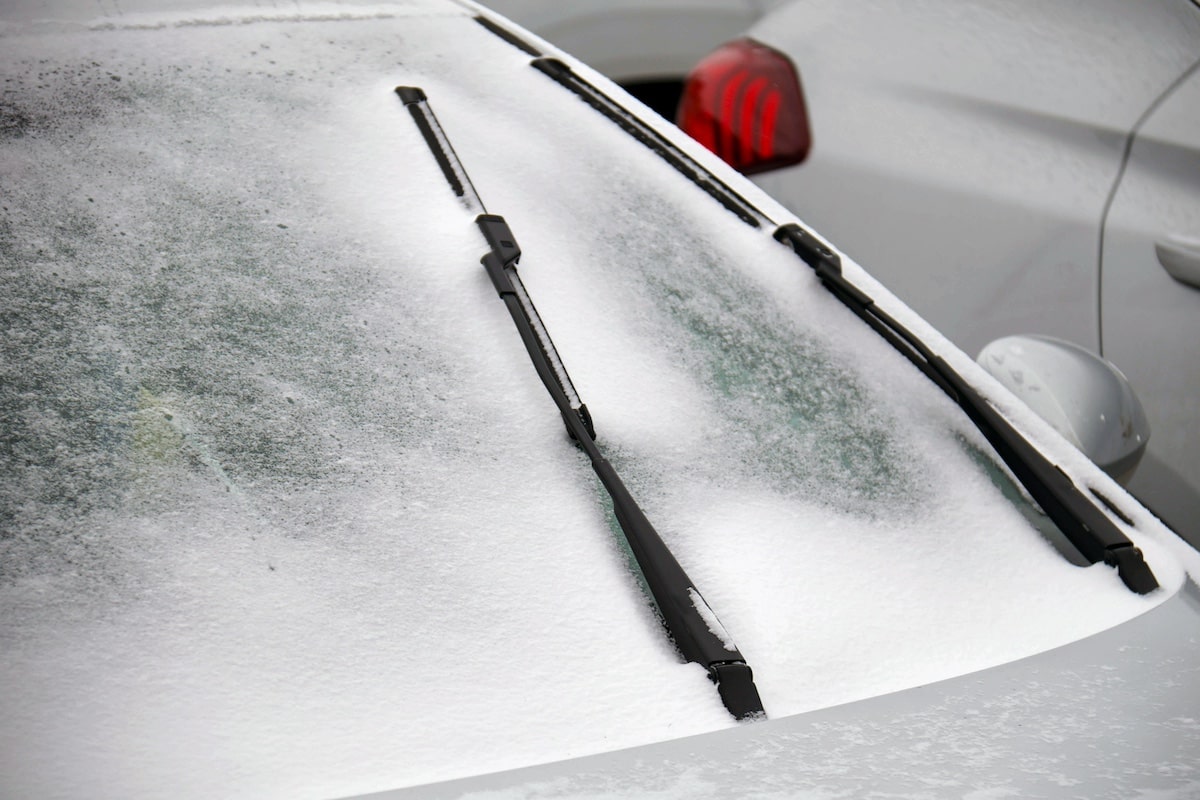
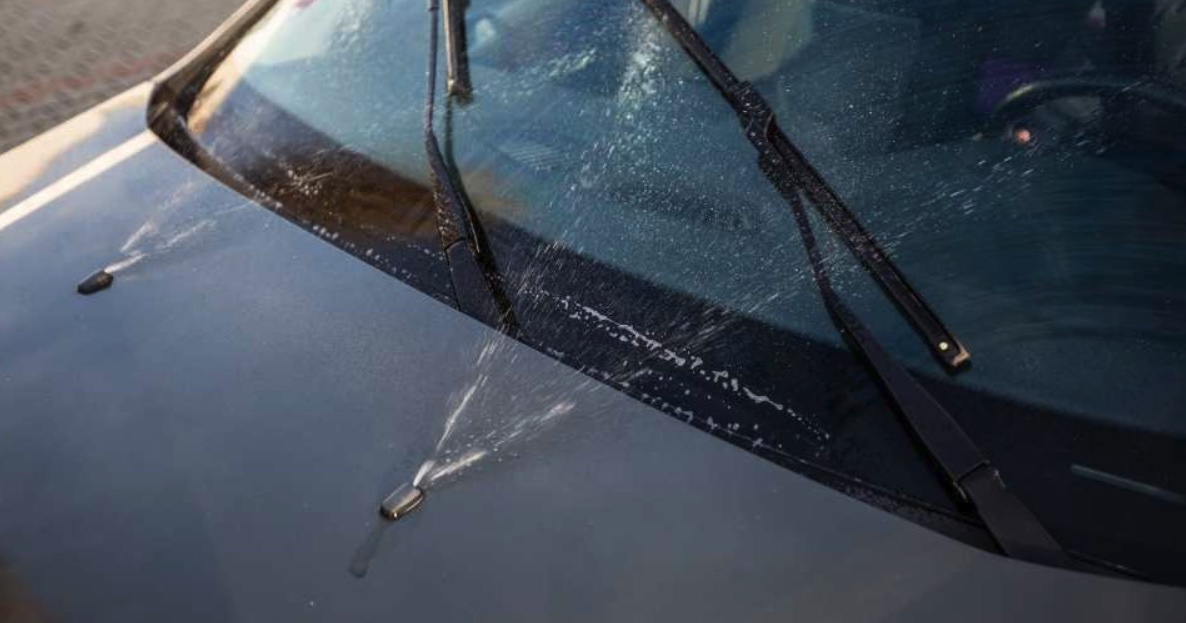
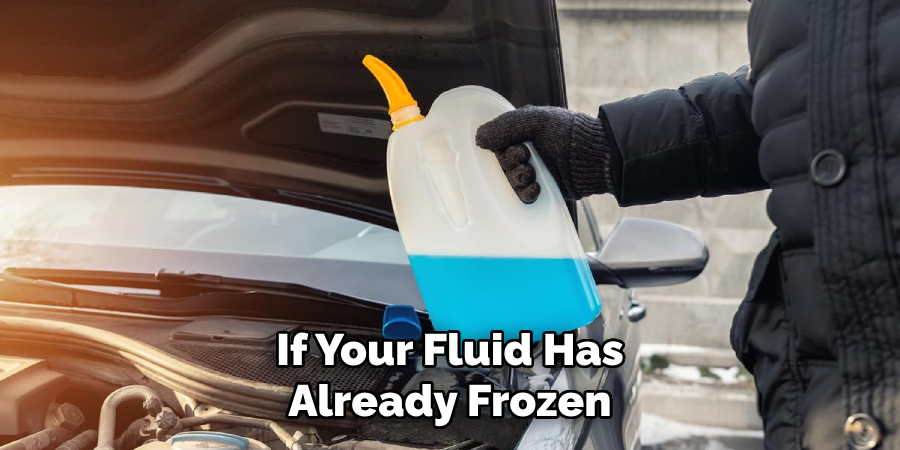
Yes, windshield washer lines can freeze when the liquid inside them gets cold enough. This often happens when a car contains summer washer fluid, diluted fluid, or plain water during a U.S. winter cold snap.
Across the United States, winter weather can change how well a car’s windshield washer system works. Drivers in Minnesota, Michigan, New York, Colorado, and other cold regions may face long periods of freezing weather. Even in states with milder winters, a sudden cold front can freeze liquid left in exposed washer hoses or spray nozzles.
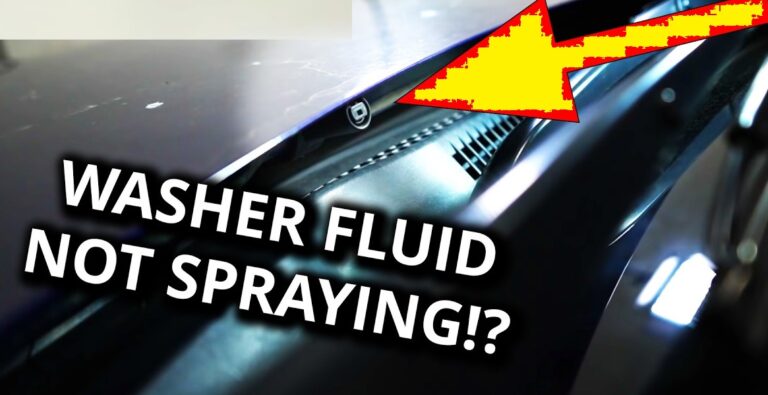
Windshield washer lines are small hoses that carry fluid from the reservoir to the spray nozzles. When ice blocks a hose, the washer pump may run without sending liquid to the glass. The reservoir can still look normal, so a driver may wrongly assume the pump has failed.
The safest first step is to stop using the washer control and let the system thaw in a warm place. Once the lines are clear, check the fluid and replace any mixture that lacks enough freeze protection. Never force a frozen system to work, because ice can block the flow and continued pump use may cause damage.
Windshield washer lines freeze when the liquid inside them loses enough heat to form ice. The exact temperature depends on the fluid mixture. Plain water freezes at 32 degrees Fahrenheit, while washer fluid with suitable antifreeze ingredients can remain liquid at much lower temperatures.
Many washer hoses run through the engine bay, beneath the hood, or near other exposed parts of the car. Some sections receive little heat from the engine, especially after the vehicle sits outside overnight. This lets the liquid inside a narrow hose cool and freeze.
The small size of the hose makes a blockage easy to miss. A thin layer of ice may stop the flow even when much of the fluid in the reservoir remains liquid. The exposed nozzle openings can freeze too, which creates symptoms similar to a blocked line.
The key issue is not simply how cold the weather feels. The fluid’s freeze rating, its mixture, how long the car stays cold, and the location of each component all affect the risk.
Source: servicecomplex10.pythonanywhere.com
Summer washer fluid
Some warm-weather formulas have little or no protection against freezing. They may turn to ice during a winter cold snap.
Plain water
Water can freeze at ordinary winter temperatures and may expand enough to damage the reservoir, hoses, or other parts.
Diluted fluid
Adding water to ready-to-use washer fluid weakens its freeze protection. The final mixture may freeze at a much warmer temperature than the label suggests.
Cold, exposed components
Hoses and nozzles in areas with little engine heat can freeze even when another part of the washer system remains liquid.
Can Washer Lines Freeze Even If the Reservoir Is Not Frozen?
Yes. The reservoir and the washer lines do not always cool at the same rate. A reservoir may contain liquid while a narrow hose or nozzle has an ice blockage.
For example, a car parked outside overnight may have liquid in its reservoir but no spray from the hood nozzles the next morning. The exposed nozzle openings or a cold section of hose may be frozen. This is a possible explanation, not proof that the lines are the cause.
Allow the whole system to warm up before deciding that a part has failed. If the washer still does not work after a full thaw, check for leaks, a loose hose, a clogged nozzle, a blown fuse, or a faulty pump.
What Temperature Do Windshield Washer Lines Freeze At?
There is no single freezing temperature for every windshield washer line. The liquid inside the hose determines when ice starts to form. Water freezes at 32 degrees Fahrenheit, but washer fluid with antifreeze ingredients can have a much lower freezing point.
Check the label on your washer fluid container for its stated freeze protection. Some products are designed for mild weather, while others are made for severe winter conditions. The rating applies to the product under the conditions stated by its maker, not automatically to a tank containing several mixed products.
If you pour winter fluid into a reservoir that still holds summer fluid, the two liquids mix. The final freeze protection may be weaker than the rating printed on the new bottle. Adding a small amount of cold-weather fluid does not guarantee that the existing mixture is safe for a hard freeze.
Outdoor temperature is only one factor. Wind can cool exposed vehicle parts quickly, but wind chill does not make a liquid freeze below the actual air temperature in the same way it affects human skin. Long exposure to cold can still bring hoses and nozzles down to the surrounding air temperature.
Source: hitchesguide.com
At 32°F (0°C)
Plain water can begin freezing. Washer fluid with a suitable antifreeze mixture may remain liquid.
Below the product’s rated temperature
The fluid may start to freeze or become slushy. The actual result depends on the formula and the mixture inside the system.
After a long, cold night
Exposed lines and nozzles may freeze even if the reservoir has not frozen completely.
How to Choose a Suitable Winter Freeze Rating
Choose washer fluid with a stated freeze rating below the lowest temperatures you reasonably expect where you drive. Leave a safety margin rather than selecting a product rated right at the forecast low.
Read the label before adding the fluid. Ready-to-use products should not be diluted unless the label says to do so. Concentrates require the exact mixing method stated by the manufacturer.
If the car already contains an unknown mixture, do not assume its freeze point from the latest bottle. Have the old mixture removed or replaced using a suitable method if its protection is uncertain.
Signs That Your Windshield Washer Lines May Be Frozen
The clearest sign of frozen washer lines is a lack of spray during freezing weather. If the washer worked before the temperature dropped and then stopped after a cold night, ice is a reasonable possibility. Still, a failed pump or a blocked nozzle can cause similar symptoms.
Pay attention to what happens when you briefly use the washer control. If the pump makes its usual sound but no fluid reaches the windshield, the fluid path may be blocked. If there is no sound, the cause could be electrical, mechanical, or related to a frozen pump.
A small amount of fluid from one nozzle and none from the other may point to a local blockage. A loose or split hose can also cause weak spray or fluid leaking under the hood. Do not keep pressing the washer control to force a result.
The weather provides useful context, but it cannot confirm the fault by itself. Let the system thaw fully before making a repair decision.
Source: storage.googleapis.com
No spray from either nozzle
Possible causes include frozen lines, frozen nozzles, a frozen reservoir, a failed pump, or an electrical fault.
Pump can be heard, but no fluid appears
A frozen or blocked fluid path is possible. A disconnected hose or an empty reservoir can produce a similar result.
Weak or uneven spray
Ice, dirt, or a damaged hose may restrict flow. Check whether the problem remains after the system has warmed up.
Fluid leaking below the hood
A hose may have come loose or a component may have cracked. Stop testing the washer until the leak is checked.
Washer does not work after thawing
The pump, fuse, wiring, hose connections, or nozzles may need further inspection.
Frozen Lines or a Bad Washer Pump?
A frozen line and a failed washer pump can look much alike because both may stop fluid from reaching the windshield. Start with the easiest safe check: confirm that there is fluid in the reservoir and allow the vehicle to thaw in a warm place.
After thawing, test the washer briefly while the vehicle is parked. If the pump runs and fluid sprays normally, freezing was likely the cause. If the pump runs but no fluid appears, inspect for a blockage or disconnected hose. If the pump stays silent, a fuse, wiring issue, or failed pump may be responsible.
Do not reach into moving parts or touch hot engine components during checks. If access requires removing body panels or working near electrical parts, ask a qualified mechanic for help.
How to Thaw Frozen Windshield Washer Lines Safely
The safest way to thaw frozen washer lines is to let the vehicle warm gradually in a space kept above freezing. A heated garage or suitable indoor parking area can warm the reservoir, hoses, and nozzles without exposing them to sudden temperature changes.
Avoid repeatedly running the washer pump while the system is frozen. Ice can prevent fluid from moving, and some vehicles may suffer pump or fuse problems when the washer system is operated with frozen fluid. Follow the vehicle owner’s manual if it gives specific instructions.
Do not pour boiling water over the lines, reservoir, or windshield. Sudden heat can damage plastic parts or glass. Do not use a blowtorch, open flame, or concentrated heat gun near the vehicle’s plastic parts, wiring, paint, or flammable washer fluid.
Thawing may take several hours, depending on the temperature and how much of the system has frozen. Do not assume the lines are clear just because the reservoir has turned liquid. Wait until the entire fluid path has had time to warm.
Source: artofit.org
Step 1: Park safely
Park away from traffic on a stable surface. If visibility is poor, do not continue driving until the windshield can be kept clear.
Step 2: Stop using the washer
Leave the washer control alone while freezing is suspected. Avoid repeated attempts to push fluid through the blockage.
Step 3: Move the car to a warm place
Use a garage or indoor parking area maintained above freezing when available. Keep the vehicle away from flames and other ignition sources.
Step 4: Allow enough time
Wait for the reservoir, lines, and nozzles to thaw fully. The time required varies with the car, the weather, and the extent of freezing.
Step 5: Check the fluid
Once the system is thawed, check the reservoir and the product label. Replace an unsuitable or overly diluted mixture with fluid that meets the expected temperature needs.
Step 6: Test briefly
With the vehicle parked and the windshield ready for use, operate the washer briefly. Check that fluid sprays from each nozzle and look for signs of leaks.
What If You Cannot Use a Heated Garage?
If you cannot access a heated garage, avoid trying to force the system to work outdoors. You can wait for a natural rise in temperature, provided the vehicle is parked safely and you do not need to drive with poor visibility.
Engine heat may warm some nearby parts after normal vehicle use, but it may not reach every hose or nozzle. Do not rely on a running engine as a guaranteed fix, and never leave a running vehicle unattended in an enclosed garage because exhaust gases can build up.
If the washer system remains frozen and you need the vehicle, arrange help or use another means of transport. A repair shop can thaw the system under controlled conditions and inspect it for damage.
Can Frozen Washer Lines Damage Your Car?
Yes, freezing can damage parts of a windshield washer system, although a frozen line does not always mean that damage has occurred. Water expands as it turns to ice, which can put pressure on a plastic reservoir, a hose, or a connection.
The possible effects depend on where the fluid freezes and how much pressure develops. A hose may split, a connector may loosen, or a reservoir may crack. A blocked system can also leave the pump unable to deliver fluid when needed.
General vehicle guidance and manufacturer service information warn against operating washer systems with frozen or unsuitable fluid. The exact risks and repair steps vary by vehicle, so use the owner’s manual as the main reference for your car.
After a thaw, check the fluid level and look for leaks around accessible hoses and beneath the vehicle. If the reservoir loses fluid, the pump sounds unusual, or the system still does not spray, arrange an inspection before relying on it.
Source: hitchesguide.com
Cracked reservoir
A damaged tank may leak fluid and need replacement. Adding more washer fluid will not repair a crack.
Split or loose hose
A damaged line may allow fluid to escape before it reaches the nozzles.
Blocked or damaged nozzle
Ice or debris may prevent the spray from reaching the glass. A nozzle that remains blocked after thawing may need cleaning or replacement.
Pump or electrical problem
Repeated attempts to run a frozen system may contribute to a fault on some vehicles. A mechanic can check the pump, fuse, and wiring if operation does not return.
How to Check for Damage After Thawing
Start by checking the washer fluid level before and after a brief test. A sudden drop may indicate a leak. Look only at parts that are easy to reach safely, and do not place your hands near belts, fans, or hot engine parts.
Next, observe the spray pattern. Both nozzles should deliver fluid as designed for your vehicle. If one side remains dry, a local blockage or hose problem may exist.
Stop if you see a leak, smell an unusual odor, hear an abnormal pump noise, or find damaged wiring. A qualified mechanic can locate hidden leaks and check components that are difficult to reach.
How to Prevent Windshield Washer Lines From Freezing
Prevention starts with using washer fluid that can handle the coldest temperatures expected in your area. Drivers in northern states may need stronger winter protection than drivers in warmer regions, but a sudden freeze can affect any vehicle containing an unsuitable mixture.
Check the fluid before winter weather arrives. Do not wait until the first frozen morning to replace summer fluid. Read the label and make sure the product is suitable for your vehicle and the temperatures you expect.
Avoid mixing products without checking their instructions. A winter formula cannot instantly provide its full stated protection when it mixes with a large amount of summer fluid or water. If the current mixture is uncertain, have it replaced appropriately.
Keep the reservoir at a practical level with suitable fluid, and deal with leaks or damaged hoses promptly. Heated nozzles, where fitted, may reduce nozzle icing, but they do not guarantee that every line or the reservoir will remain unfrozen.
Source: storage.googleapis.com
Use winter-rated washer fluid
Choose a product with a freeze rating suited to the local weather and follow its directions.
Avoid adding plain water
Water can weaken the mixture’s freeze protection and create a risk of ice in the hoses.
Prepare before a cold snap
Replace unsuitable warm-weather fluid before temperatures fall below freezing.
Follow the product label
Do not dilute ready-to-use fluid or change the mixing ratio for concentrate unless the manufacturer directs it.
Inspect the washer system
Fix leaks, loose connections, and damaged hoses before winter conditions make the problem harder to manage.
Keep the windshield warm before spraying
Use the vehicle’s defroster as directed by the owner’s manual. Washer fluid can freeze on cold glass and block the driver’s view.
Does Parking Indoors Prevent Frozen Washer Lines?
Parking indoors can reduce the chance of freezing if the space stays above the fluid’s freezing point. It gives the hoses, reservoir, and nozzles some protection from long exposure to outdoor cold.
An unheated garage may still become cold enough for unsuitable fluid to freeze. Indoor parking is therefore a useful extra measure, not a replacement for the correct washer fluid.
If the car must remain outdoors during winter, focus on fluid protection and regular checks. Those steps are more reliable than assuming the vehicle’s location will keep the system warm.
Common Mistakes to Avoid When Washer Lines Freeze
A frozen washer system can be frustrating, especially when road salt, mud, and slush cover the windshield. Rushing the repair can make the problem worse, so use gradual thawing and simple checks before replacing parts.
The most common mistake is repeatedly pressing the washer control because no spray appears. If ice blocks the line, repeated attempts will not remove the blockage and may cause additional trouble.
Another mistake is pouring hot water over frozen parts. Sudden heat can damage plastic components and may crack cold glass. Use a warm indoor space instead, and give the system time to thaw.
Do not add engine coolant, household cleaners, or other unapproved liquids to the washer reservoir. These products are not substitutes for windshield washer fluid and may harm the system or leave a film on the glass.
Source: storage.googleapis.com
Do not force a frozen pump
Stop testing if the system appears frozen. Wait until the fluid path has thawed before trying again.
Do not use open flames
Washer fluid may contain flammable ingredients. Keep flames and other ignition sources away from the vehicle.
Do not assume new fluid fixes old fluid instantly
Adding winter fluid does not guarantee that a frozen mixture will thaw or that the final mixture will meet the new product’s freeze rating.
Do not ignore a leak
A low fluid level after thawing may indicate damage. Check the system before adding more fluid and driving.
Do not drive with poor visibility
If the windshield becomes dirty or obstructed and the washers cannot clear it, stop somewhere safe rather than continuing.
When Should You Call a Mechanic?
Ask a qualified mechanic for help if the washer system does not work after a complete thaw. Professional inspection is also appropriate if fluid leaks, the pump remains silent, a fuse repeatedly fails, or a hose appears damaged.
Some vehicles place washer reservoirs and hoses behind covers or other components. Removing them without the correct tools or service information can damage clips, wiring, and nearby parts.
A repair professional can test the pump, inspect hose connections, clear or replace blocked nozzles, and check for damage caused by freezing. This is more reliable than replacing parts based on symptoms alone.
Troubleshooting Frozen Windshield Washer Lines
Use a simple troubleshooting sequence to separate freezing from a mechanical fault. Start with the weather and fluid type, then allow the system to thaw before testing it. This reduces the risk of damaging a blocked system or replacing a working part.
The table below links common symptoms to possible causes and sensible next steps. These are diagnostic clues rather than certain diagnoses, because several washer system faults can produce the same result.
Source: hitchesguide.com
Symptom: No spray after a freezing night
Possible cause: Frozen fluid in the lines, nozzles, or reservoir. Next step: Stop using the washer and allow the whole system to thaw in a warm place.
Symptom: Pump runs but fluid does not reach the glass
Possible cause: An ice blockage, a clogged nozzle, an empty reservoir, or a disconnected hose. Next step: Check the fluid level and retest after thawing.
Symptom: No pump sound
Possible cause: A frozen pump, a fuse issue, wiring trouble, or pump failure. Next step: Let the system thaw and seek a proper electrical check if the fault remains.
Symptom: Fluid leaks after thawing
Possible cause: A cracked reservoir, split hose, or loose connection. Next step: Avoid further use and arrange an inspection.
Symptom: Only one nozzle sprays
Possible cause: A local ice blockage, dirt, or a damaged hose. Next step: Let the system warm fully, then inspect the remaining blockage.
What Does a Successful Fix Look Like?
A successful thaw restores a normal spray pattern without unusual pump sounds or visible leaks. The reservoir should maintain its level during a brief test, and the nozzles should direct fluid onto the windshield as intended.
If spray remains weak or uneven, do not assume the repair is complete. The system may still contain ice, or a nozzle, hose, or pump may have a separate fault.
Before driving in winter conditions, make sure the windshield can be kept clear. If the washer system remains unreliable, arrange a repair and avoid trips where road spray could quickly block your view.
Frequently Asked Questions
Q
Can windshield washer lines freeze overnight?
Yes. Washer lines can freeze overnight when the temperature stays below the freezing point of the liquid inside them. The risk is greater when the car contains summer fluid, plain water, or a diluted mixture.
Exposed nozzles and hoses may freeze before the reservoir does. If the washers stop working after a cold night, let the system thaw before testing it again.
Q
Can washer fluid freeze in the hoses but not in the tank?
Yes. The reservoir, hoses, and nozzles can cool at different rates. A narrow or exposed hose may develop an ice blockage while the reservoir still contains liquid.
Do not assume that a liquid reservoir means the whole system is clear. Allow all parts to warm before testing the washers.
Q
How long does it take to thaw frozen washer lines?
Thawing time varies with the outside temperature, the amount of ice, and the vehicle’s design. A warm indoor space may help the system thaw over several hours, but there is no fixed time that works for every car.
Wait until the reservoir, lines, and nozzles have thawed. Avoid hot water and direct high heat, and do not keep operating the pump to speed up the process.
Q
Will adding winter washer fluid melt ice in the lines?
Not necessarily. New fluid may mix with the old mixture in the reservoir, but it cannot be relied on to reach or quickly melt an ice blockage inside a hose.
Thaw the system first. Then replace unsuitable fluid as needed and confirm that the final mixture provides the protection stated on the product label.
Q
Can frozen washer lines cause the washer pump to fail?
A frozen system can contribute to washer pump or electrical problems on some vehicles, especially if the pump is operated repeatedly while fluid cannot flow. The exact risk depends on the vehicle and its design.
Stop using the washer when freezing is suspected. If the pump does not work after a complete thaw, have the fuse, wiring, and pump checked.
Q
Can I use hot water to thaw windshield washer lines?
Avoid pouring hot or boiling water over the washer reservoir, hoses, nozzles, or windshield. Sudden temperature changes may damage plastic parts or crack cold glass.
A warm indoor parking space allows the system to thaw more gradually. If that is not available, wait for suitable conditions or ask a repair shop to help.
Q
Will heated washer nozzles stop the lines from freezing?
Heated nozzles can help reduce ice buildup at the spray openings on vehicles equipped with them. However, they do not necessarily heat the reservoir or every section of washer hose.
Use correctly rated winter washer fluid even if your vehicle has heated nozzles. Check the owner’s manual to learn which features your car includes.
Q
Can I drive if my windshield washer lines are frozen?
Driving is unsafe if road spray, snow, or dirt can obstruct the windshield and you cannot clear it. If visibility becomes poor, pull over at a safe location and stop until the glass can be cleaned and visibility is restored.
Thaw or repair the washer system before driving in conditions where you may need it. Do not rely on the wipers alone to remove heavy grime or road salt.
✦ Wrapping Up
Conclusion
Windshield washer lines can freeze when the liquid inside them reaches its freezing point. Summer washer fluid, plain water, and diluted mixtures raise the risk, especially when a car sits outside during a long winter night. A frozen nozzle or hose can stop the spray even when the reservoir still contains liquid.
The safest response is to stop operating the washer, allow the system to thaw gradually in a warm place, and check for leaks or damage. Once the system is clear, use washer fluid with a freeze rating suited to your local weather and follow the product label and vehicle owner’s manual.
If the washers remain blocked after thawing, the pump makes unusual sounds, or fluid leaks from the system, seek professional help. A working washer system helps maintain a clear view of the road, so resolve the problem before driving in conditions that could quickly dirty the windshield.
💡 Key Takeaway
Before the next cold snap, check your washer fluid label, avoid diluting ready-to-use fluid, and replace unsuitable fluid before freezing weather arrives. If your lines are already frozen, thaw the entire system safely before testing it.
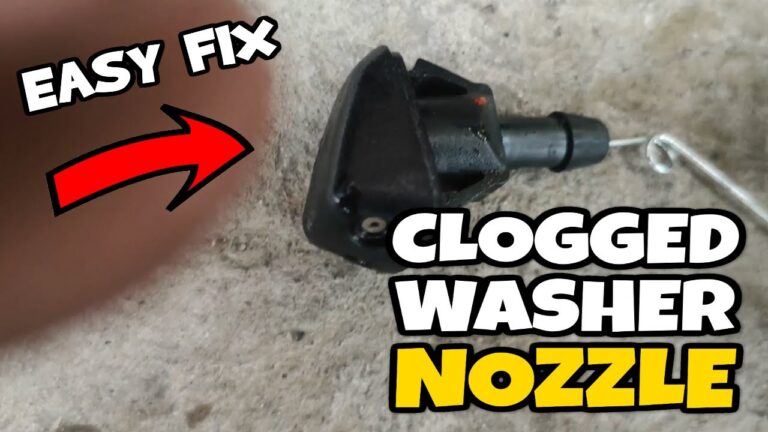
Learn how to unclog a windshield washer nozzle using safe cleaning methods, diagnose weak spray, clear debris, and troubleshoot persistent washer problems.
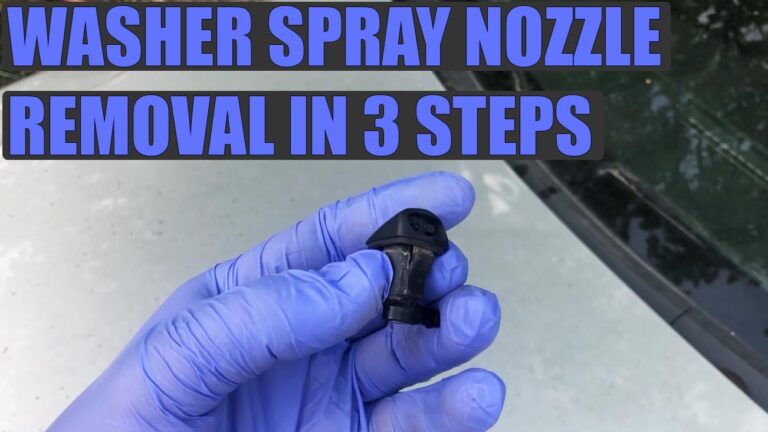
Learn how to remove a windshield washer nozzle safely, identify clip and screw-mounted designs, disconnect the hose, replace the nozzle, and test the spray pattern.
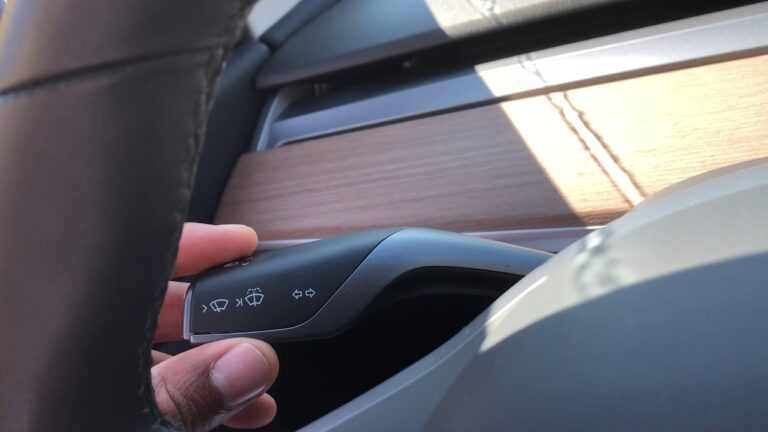
Learn how to turn on the Tesla Model 3 windshield washer, spray washer fluid, activate wipers, troubleshoot spray problems, and improve visibility safely.