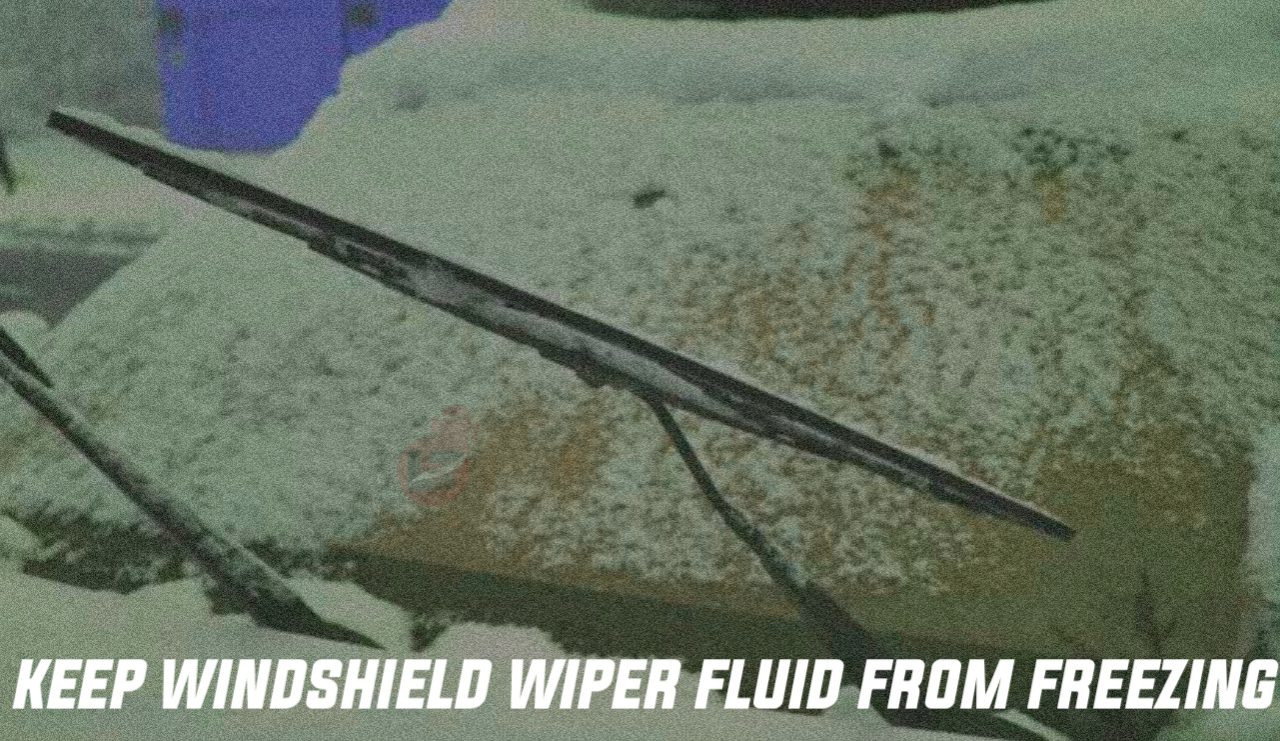
When windshield washer fluid freezes, it can block the spray nozzles, clog the fluid lines, stop the washer pump from moving fluid, and, in some cases, damage the reservoir or other parts. It can also freeze on your windshield and reduce visibility. Stop using the washers until the system thaws, then check for leaks and refill it with fluid rated for your local winter temperatures.
Across the United States, winter weather can change fast. A mild afternoon in Texas or Georgia may give way to a hard freeze overnight, while drivers in states such as Minnesota, Michigan, and New York may face long periods of below-freezing weather. If summer windshield washer fluid remains in your car, a cold snap can leave the washer system unable to clear road salt, dirt, and slush from the glass.
The main risk is not just a frozen tank. Ice can form in the narrow hoses and spray nozzles even when some fluid remains liquid in the reservoir. If the system cannot deliver washer fluid, the wipers may move across a dirty or dry windshield, making it harder to see other vehicles, road signs, and hazards.
The right response is simple: stop operating a washer system that may be frozen, let it thaw in a safe, warm place, and inspect it before using it again. The correct replacement fluid depends on the lowest temperatures your vehicle may face, the amount of old fluid left in the system, and the instructions in your owner’s manual.
When windshield washer fluid freezes, the washer system may stop working until the ice melts. The exact result depends on where the ice forms and how much of the system is affected. A blocked nozzle may cause only a small spray problem, while a frozen reservoir or damaged hose can prevent the entire system from working.
Washer fluid moves from a storage tank through a pump and narrow hoses before leaving the spray nozzles. Ice at any point can interrupt that flow. Since different parts of the system sit in different locations, they may freeze at different times.
Freezing does not always cause permanent damage. A system that thaws without leaks or broken parts may work normally again. However, a reservoir or fitting that cracks during freezing may need repair or replacement.
Source: i.ytimg.com
Blocked spray nozzles
Ice can plug the small openings that direct fluid onto the glass. The reservoir may still contain liquid, but little or no spray reaches the windshield.
Frozen fluid lines
Ice inside a hose can stop fluid from traveling between the tank and the nozzles. The blockage may remain even after the reservoir begins to thaw.
Pump strain
A frozen blockage can prevent normal fluid flow. Repeatedly activating the washer may place unnecessary strain on the pump.
Cracked reservoir or leaking connections
As water freezes and expands, it can stress plastic tanks, fittings, and other parts. Damage may become clear only after the ice melts.
Reduced visibility
Without washer fluid, the driver may be unable to remove road grime, salt, and slush. Fluid sprayed onto a cold windshield can also freeze and make visibility worse.
Can Frozen Washer Fluid Damage Your Car?
Yes, frozen washer fluid can damage parts of the washer system, but damage is not inevitable. The risk depends on the fluid mixture, how much ice forms, the temperature, and the design of the vehicle.
A plastic reservoir may crack, a hose may split, or a seal may leak after freezing. If the washer pump runs against a blockage for too long, it may also suffer damage. A single cold night does not prove that any part has failed, so inspect the system after it thaws before buying replacement parts.
Look for leaks
After thawing, check under the vehicle and around the reservoir for fresh fluid. A sudden drop in fluid level may point to a leak.
Check pump operation
Once the system is fully thawed and filled with suitable fluid, briefly test the washers. If the pump stays silent or the spray remains weak, further checks may be needed.
Why Does Windshield Washer Fluid Freeze?
Windshield washer fluid freezes when its temperature falls below the freezing point of its particular formula. Many summer blends focus on cleaning bugs, dust, and road film rather than resisting severe cold. Winter blends contain ingredients that lower the freezing point.
Plain water freezes at 32°F under ordinary conditions. Washer fluid may freeze at a lower temperature because it contains water and other ingredients, but the amount of protection varies by product. A label showing a low-temperature rating is more useful than the fluid’s color or brand name.
The weather outside matters, but so does the fluid already inside the system. If summer fluid remains in the tank and winter fluid is added on top, the two mixtures combine. The final blend may provide less cold protection than the new product’s label suggests.
Source: cimg2.ibsrv.net
Summer formula
Summer fluid is designed mainly for warm-weather cleaning. Unless the label states otherwise, do not assume it can withstand a hard freeze.
Water added to the tank
Adding water can weaken the freeze protection of washer fluid. A mixture that works in warm weather may freeze when temperatures drop.
Unexpected cold weather
A sudden cold snap can push temperatures below the product’s rated limit, especially when the fluid is not designed for winter.
Residual fluid
Old fluid left in the reservoir, hoses, and nozzles can dilute a winter blend. The fluid reaching the spray jets may not have the protection you expect.
At What Temperature Does Washer Fluid Freeze?
There is no single freezing temperature for every windshield washer fluid. A summer formula may freeze around 32°F, while winter formulas are sold with different stated limits, such as -20°F or -30°F. Some products offer protection at still lower temperatures.
These figures are product ratings, not universal guarantees for every mixture or vehicle. Read the label and follow its instructions. If your local forecast may reach a lower temperature than the product’s rated limit, choose a suitable alternative before the cold arrives.
Fluid can also become slushy or form ice crystals before the whole mixture turns solid. This matters because even partial freezing can block narrow hoses and nozzles. A tank that looks liquid does not prove that every part of the system is clear.
Check the printed rating
Use the temperature rating on the actual container rather than relying on a generic rule about all winter fluids.
Allow for local weather
Choose a formula that can handle the lowest temperatures you reasonably expect during storage and driving.
Do not judge by color
Blue, green, pink, or other colors do not reliably tell you a fluid’s freezing point. The label is the better guide.
Signs Your Windshield Washer Fluid May Be Frozen
The clearest warning is that the washers stop spraying during freezing weather. However, the same symptom can result from an empty reservoir, a failed pump, a blown fuse, a disconnected hose, or clogged nozzles. Check the simplest and safest possibilities before assuming the system is damaged.
Pay attention to what happens when you briefly use the washer control. If the pump makes its usual sound but no fluid appears, a frozen line or nozzle is one possible cause. If there is no sound, the pump may be frozen or there may be an electrical fault.
A wet patch beneath the vehicle after the system thaws can point to a cracked tank or loose connection. A low fluid level that returns soon after filling can also suggest a leak. Do not reach into hot or moving engine parts to investigate.
Source: jeepinside.com
No spray from either nozzle
The reservoir, pump inlet, or a shared fluid line may be blocked. An empty tank or pump fault can cause the same result.
Only one nozzle sprays
The other nozzle may be frozen or clogged, although a damaged or disconnected hose can also be responsible.
Pump sound without fluid flow
The pump may be operating while ice blocks the fluid path. Stop repeated testing and allow the system to thaw.
Unusual pump noise
A change in sound may indicate restricted flow, low fluid, or a pump problem. Do not keep running the pump to see whether it clears.
Fluid leaking after thawing
A split hose, cracked tank, or loose connection may be allowing fluid to escape. Repair the fault before normal use.
How to Tell a Frozen System From a Broken Pump
Weather and timing provide useful clues. If the washers worked before a freezing night and stopped soon afterward, ice is a reasonable first possibility. If they remain silent after the vehicle has fully thawed, the cause may be electrical or mechanical instead.
Do not keep activating the washer control to diagnose the fault. Allow the system to thaw completely, check the fluid level, and test it briefly with the correct fluid. If the pump remains silent, leaks appear, or the nozzles stay blocked, consult the owner’s manual or a qualified mechanic.
Frozen system is more likely
The problem begins during a cold spell and improves after the vehicle warms up.
Mechanical or electrical fault is possible
The washers still fail after full thawing, the pump remains silent, or fluid leaks from the system.
How to Safely Thaw Frozen Windshield Washer Fluid
The safest approach is to move the vehicle to a warm place and let the washer system thaw gradually. This gives ice in the reservoir, hoses, pump area, and nozzles time to melt without exposing plastic parts to sudden heat.
Do not drive if you cannot keep the windshield clear enough to see safely. If the glass is dirty, icy, or likely to become obscured and the washers do not work, arrange to thaw the system before driving or seek suitable assistance.
Avoid boiling water, open flames, heat guns, and other intense heat sources. Sudden temperature changes can damage plastic parts, and strong heat can melt hoses or nearby components. Never work around moving belts, fans, or hot engine parts.
Source: jeepcorner.com
Step 1: Stop Using the Washer Control
If you suspect frozen fluid, stop trying to spray it onto the windshield. Repeated activation will not reliably clear a solid ice blockage and may put unnecessary strain on the pump.
Do not run the wipers over a dry or icy windshield to compensate for the missing fluid. Follow the vehicle manual’s guidance for wiper use, and do not force wiper arms that appear frozen to the glass.
Protect the pump
Avoid repeated attempts to move fluid through a suspected ice blockage.
Protect the windshield
Use the appropriate defroster and safe glass-clearing methods before driving.
Step 2: Move the Vehicle to a Warm Location
If possible, park in a heated garage or another safe indoor location that stays above freezing. Allow enough time for the whole washer system to thaw; the reservoir may take longer than the exposed nozzles.
Never leave a running vehicle unattended in an enclosed garage. If engine heat is involved, follow the vehicle’s safety instructions and ensure exhaust fumes cannot build up. A warm indoor space with the engine off is generally the simpler option.
Thaw gradually
Wait until the tank, lines, and nozzles have had time to warm fully.
Avoid direct high heat
Do not use a flame, boiling water, or a heat gun on the reservoir or hoses.
Step 3: Inspect the Reservoir and Lines
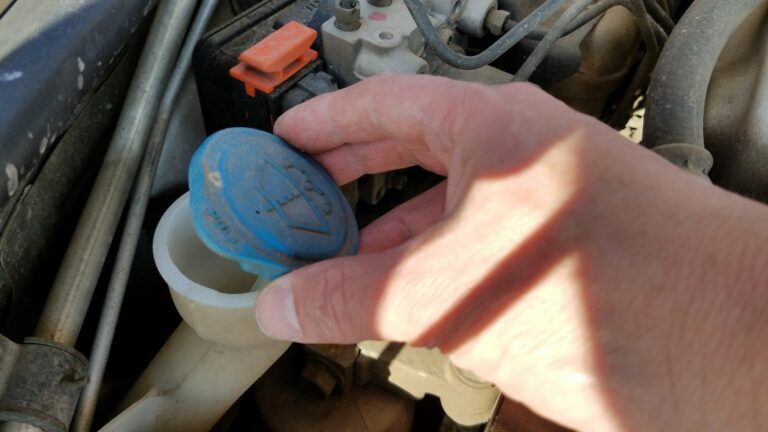
After the system thaws, look for cracks, wet spots, loose hoses, and signs that fluid has escaped. Check the fluid level and refill only with a washer product that meets the vehicle’s requirements and the expected weather conditions.
If the reservoir is difficult to reach or the tank appears damaged, do not remove parts unless you have the right skills and service information. A mechanic can inspect the pump, fittings, hoses, and tank without risking additional damage.
Look for visible damage
Check accessible parts for leaks or cracks without reaching near hot or moving components.
Replace unsuitable fluid
Follow the owner’s manual and product directions when removing or replacing a summer mixture.
Step 4: Test the System Briefly
Once the system is fully thawed, the reservoir contains suitable fluid, and there are no obvious leaks, test the washers briefly. A normal spray pattern and a steady fluid level are good signs that the system is working again.
If the pump makes an unusual sound, no fluid reaches the glass, or fluid leaks out, stop the test. The blockage may remain, or freezing may have damaged a component. Have the system inspected before relying on it while driving.
Signs of success
Fluid reaches the windshield in a normal spray pattern, the pump sounds normal, and no leaks appear.
When the problem continues
Stop testing and arrange a professional inspection if the system stays blocked or damaged.
How to Prevent Windshield Washer Fluid From Freezing Again
Prevention starts with using the right fluid before temperatures fall. Drivers in colder parts of the United States should check the label and choose a winter formula rated for the temperatures they may encounter. Drivers in milder states should still prepare for an occasional freeze if their local forecast calls for one.
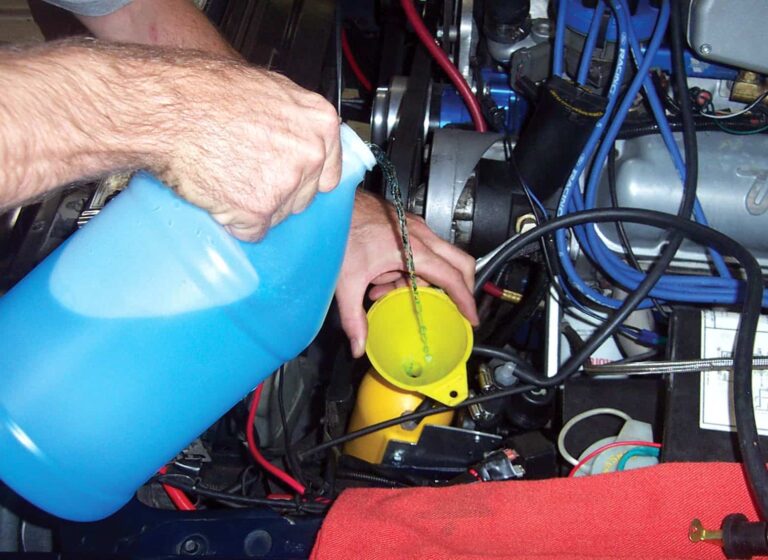
Replacing summer fluid before winter is more reliable than waiting for the system to freeze. Follow the product instructions and vehicle manual when changing the fluid. Where the old mixture remains in the lines, adding winter fluid to the tank alone may not immediately provide full protection throughout the system.
A covered parking space may help protect the vehicle from some weather exposure, but it cannot replace suitable fluid. An unheated garage can still fall below freezing, so do not assume that parking indoors makes summer fluid safe.
Source: jeepfixes.com
Choose a winter-rated formula
Match the product’s stated freeze protection to the coldest conditions you expect, with suitable allowance for local weather changes.
Avoid unnecessary dilution
Do not add plain water to a winter mixture unless the product specifically permits it and the resulting protection remains suitable.
Prepare before a cold snap
Check the reservoir and replace unsuitable summer fluid before freezing weather arrives.
Check the whole system
After changing the fluid, follow the manual and product instructions to ensure the correct mixture reaches the washer lines and nozzles.
Keep up with routine checks
Inspect the fluid level and look for leaks so a low reservoir or damaged hose does not catch you by surprise.
Does Adding Winter Washer Fluid to Summer Fluid Work?
It can improve freeze protection, but the final result depends on the amount and type of each fluid. If a large amount of summer fluid or water remains, the mixture may not meet the temperature rating printed on the winter-fluid container.
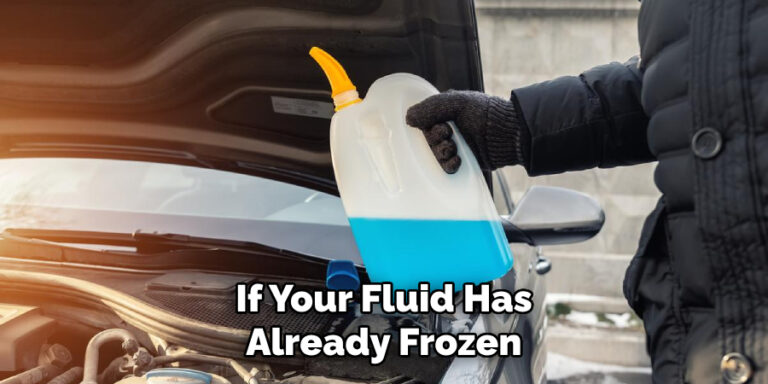
For reliable protection, follow the winter product’s directions for replacing the old mixture. If the washer system is already frozen, adding more fluid will not instantly clear ice from the reservoir or lines. Thaw the system first, then replace the unsuitable mixture safely.
Before freezing begins
Replace the summer mixture as directed so the final fluid has appropriate protection.
After freezing occurs
Allow the system to thaw before attempting to replace the fluid or test the pump.
Why You Should Never Use Engine Antifreeze
Engine coolant and windshield washer fluid serve different purposes. Never pour radiator coolant or engine antifreeze into the washer reservoir, even if the goal is to prevent freezing.
Coolant can leave a harmful film on the windshield and seriously reduce visibility when sprayed onto the glass. It may also damage paint or trim. Use only a suitable washer product, and keep all automotive fluids away from children and animals.
Use the correct product
Choose windshield washer fluid with the needed cold-weather rating rather than substituting engine coolant.
Follow safe handling rules
Read product warnings, avoid contact, keep containers closed, and store fluids away from children and pets.
What to Do If Washer Fluid Freezes While You Are Driving
If the washers stop working while you are on the road, focus on visibility first. Road spray, salt, dust, and slush can build up on the windshield quickly, especially on busy highways in winter. Do not keep pressing the washer control if you suspect the system is frozen.
If the windshield becomes too dirty to see clearly, slow down carefully and move to a safe place when possible. Avoid sudden maneuvers, and do not continue driving when visibility is unsafe. Use a safe stopping area and arrange a way to clean the glass or have the washer system thawed.
Do not pour hot water on a cold windshield to remove ice or thaw washer fluid. A sudden temperature change may damage the glass, and water can freeze again. Use the vehicle’s defroster and suitable ice-removal tools according to the owner’s manual.
Source: vehiclefreak.com
Stop relying on the washer system
Repeatedly pressing the control will not solve a frozen blockage and may strain the pump.
Prioritize a clear view
If road grime or ice makes it hard to see, find a safe place to stop rather than continuing in unsafe conditions.
Thaw and inspect before resuming normal use
Restore proper fluid flow and check for leaks or damage before depending on the washers again.
Common Mistakes to Avoid When Washer Fluid Freezes
A frozen washer system may look like a small problem, but the wrong fix can make it worse. Gentle thawing, a proper fluid replacement, and a careful inspection are safer than using improvised chemicals or intense heat.
Do not assume that a pump is broken just because the nozzles do not spray. Ice may still be blocking a hose or nozzle. At the same time, do not assume that every problem will disappear after thawing; leaks and electrical faults need separate attention.
Source: vautobasics.com
Do not keep running the pump
Stop if no fluid comes out during freezing weather. Allow the system to thaw before testing it again.
Do not pour boiling water into the tank
Rapid temperature changes may damage the plastic reservoir or nearby parts.
Do not add random household liquids
Alcohol, spirits, solvents, and other improvised additives may damage paint, seals, hoses, or pump components. Use a suitable washer product.
Do not use engine coolant
Coolant can severely reduce visibility if sprayed onto the windshield and is not a safe substitute for washer fluid.
Do not ignore leaks
A cracked tank or damaged hose can drain the new fluid and leave the washers unusable. Repair the source of the leak.
Do not drive with unsafe visibility
If you cannot see the road clearly, stop somewhere safe and resolve the visibility problem before continuing.
When Should You Call a Mechanic?
Seek professional help if the washer system does not work after it has thawed fully, if fluid leaks from the reservoir, or if the pump remains silent when briefly tested under the conditions described in the owner’s manual. A mechanic can check the electrical supply, fuse, pump, hoses, nozzles, and tank for the actual cause.
Professional inspection is also sensible if the reservoir is difficult to access or you suspect a cracked tank. Some vehicles place washer components behind body panels or in tight spaces, making removal more complex than a simple fluid refill.
Do not replace the pump solely because the washers stopped working during a freeze. A blocked nozzle, frozen line, empty tank, or blown fuse may cause similar symptoms. Diagnosis after thawing can help avoid unnecessary repairs.
Source: jeepcorner.com
The system remains blocked
No spray returns after the vehicle and all accessible washer components have thawed.
The pump does not operate
The pump remains silent after thawing and a basic fluid-level check, suggesting a possible fuse, wiring, switch, or pump fault.
Fluid leaks from the vehicle
A damaged reservoir, hose, fitting, or seal may need repair or replacement.
You cannot access the damaged part safely
Use a qualified technician rather than forcing components apart or working near hot and moving engine parts.
Frequently Asked Questions
Q
Will windshield washer fluid freeze overnight?
Yes. Summer washer fluid or a water-heavy mixture may freeze overnight if temperatures fall below its freezing point. Winter fluid can also freeze if temperatures fall below its rated limit or if the mixture has been diluted. Check the product label and the local forecast before a cold night.
Q
Can frozen washer fluid crack the reservoir?
Yes, freezing can place stress on the reservoir because water expands as it turns to ice. A crack is possible, but it is not guaranteed. After thawing, inspect the tank and surrounding area for leaks. A damaged reservoir may need replacement.
Q
Will the washer fluid thaw when the engine warms up?
Sometimes. Engine heat may help thaw parts of the washer system located near warm components, but it may not reach the nozzles or all the fluid lines. A warm indoor location with the engine off is a safer, more predictable way to thaw the system gradually.
Q
Can I add winter washer fluid to frozen summer fluid?
Adding winter fluid does not instantly melt a frozen mixture or clear ice from a blocked line. Let the system thaw first, then replace the unsuitable mixture according to the product directions and owner’s manual. Residual summer fluid can dilute the new fluid and reduce its cold-weather protection.
Q
Can I use hot water to thaw frozen washer fluid?
Avoid boiling water and sudden heating. Rapid temperature changes can damage plastic components or glass. Let the system thaw gradually in a warm location, and do not pour hot water onto a cold windshield. If the reservoir is difficult to reach, ask a mechanic for help.
Q
Does frozen washer fluid always mean the pump is broken?
No. Ice in a nozzle, hose, or reservoir can prevent fluid from reaching the windshield even when the pump still works. Allow the system to thaw fully before testing it briefly. If it remains silent or fails to spray, have the pump and related parts checked.
Q
Is summer windshield washer fluid safe in winter?
Only if its stated freezing protection is suitable for the temperatures the vehicle will face. Many summer formulas are not designed for hard freezes. Before winter arrives, replace unsuitable fluid with a product rated for the expected cold and follow the vehicle manufacturer’s instructions.
✦ Wrapping Up
Conclusion
When windshield washer fluid freezes, ice can block the nozzles and hoses, stop normal fluid flow, strain the pump, and sometimes damage the reservoir or connected parts. It can also leave you without a reliable way to clean road grime from the windshield. The severity depends on the fluid mixture, the temperature, and where the ice forms.
The safest response is to stop operating the washers, allow the entire system to thaw gradually, and check for leaks or damage. Once the system is clear, use a suitable winter washer fluid that meets the vehicle’s requirements and the coldest temperatures expected in your area. If the washers still do not work, seek a proper diagnosis rather than replacing parts based on guesswork.
A small check before winter can prevent a frustrating problem on a cold morning. Read the fluid label, prepare for local weather, and make sure the washer system works before setting out on a trip.
💡 Key Takeaway
Check your washer fluid label today. If the product is not rated for the lowest temperatures expected where you drive, replace it before the next freeze. If the system is already frozen, stop using the pump, thaw it gradually in a safe warm location, inspect for leaks, and test it only after it has fully thawed.
Learn how to refill windshield washer fluid in a Honda Accord, locate the reservoir, choose the right fluid, avoid common mistakes, and troubleshoot spray problems.