Yes, a chipped windshield can often be repaired if the damage is small, shallow, and away from the driver’s main field of view. A professional must assess the chip’s size, depth, location, and shape before deciding whether repair is safe.
Across the United States, loose gravel, road debris, and stones kicked up by other vehicles can chip a windshield in seconds. A small mark on the glass may seem harmless, but heat, cold, road vibration, and sudden temperature changes can cause it to spread. Acting soon can preserve the option of repair instead of full replacement.
Most modern car windshields use laminated safety glass. Two glass layers hold a plastic layer between them, which helps keep the windshield together when it breaks. A repair technician can inject a special resin into suitable chips to improve clarity and restore some of the damaged glass’s strength. The result may not erase every mark, and repair is not suitable for every type of damage.
For U.S. drivers, the best next step is to check the chip’s location and condition, take clear photos, and contact a qualified auto glass shop. Your insurance policy, deductible, vehicle features, and state inspection rules may also affect the best choice. This guide explains how to tell when a chip may be repairable, what the process involves, and when replacement is the safer option.
How to Tell Whether a Chipped Windshield Can Be Repaired
A chipped windshield is often repairable when the impact is small, the damage has not spread far, and the affected area does not interfere with the driver’s view. However, there is no single size rule that applies to every vehicle or repair provider. The chip’s depth, shape, location, and condition all matter.
A technician checks whether the damage is limited to the outer glass layer or extends deeper. They also look for branching cracks, contamination, and damage near the edge. These details help determine whether resin can fill the damaged area and whether the repaired windshield will meet the required safety expectations.
A useful first step is to inspect the glass while the vehicle is parked in a safe place. Do not press on the chip or try to test its depth with a sharp object. If the mark blocks your view, the glass has loose pieces, or a crack is spreading, avoid driving until a qualified professional has assessed the vehicle.
Source: m.media-amazon.com
Small impact chip
A small chip with limited branching damage may be suitable for resin repair, especially when it is away from the driver’s main viewing area.
Star-shaped chip
Several short cracks may extend from one impact point. Some star breaks can be repaired, but longer branches and contamination can reduce the chance of success.
Bull’s-eye chip
This damage forms a rounded ring around the impact point. A clean, shallow bull’s-eye may be a good repair candidate, depending on its size and location.
Edge damage
A chip near the outer edge can affect the windshield’s strength and may be unsuitable for repair. Ask a technician to inspect it before driving.
Damage in the driver’s view
Even a small chip can distort light and distract the driver. Replacement may be recommended if a repair would leave a visible obstruction.
Does Chip Size Matter?
Yes. Smaller chips are often easier to repair because the damage may be more contained. Some repair services use a size limit based on the impact point or the total damaged area, while others also consider the number of chips and the length of any cracks.
A quarter-sized comparison can help you describe the damage when requesting a quote, but it is not a universal approval standard. A tiny chip can still be unsuitable if it is deep, dirty, or directly in the driver’s main line of sight. A larger chip may also fall outside a shop’s repair policy even when another provider would assess it.
Measure carefully
Estimate the full damaged area, including any short cracks that extend from the impact point. Do not assume the visible center tells the whole story.
Ask about repair limits
Confirm the provider’s size, location, and damage-type criteria before booking. These limits can differ among shops and repair standards.
Does Chip Depth Matter?
Yes. A repair is more likely to succeed when the damage is limited to a suitable area of the laminated glass. If the impact reaches the inner glass layer, affects the plastic interlayer, or creates severe structural damage, a simple resin repair may not be appropriate.
Do not use a pin, blade, or other object to probe the chip. A trained technician has the tools and experience to inspect it without making the damage worse.
Shallow damage
A small break in the outer glass layer may be suitable for professional resin injection.
Deep or complex damage
Damage through multiple layers or with extensive cracking may require windshield replacement.
When Should You Repair or Replace a Chipped Windshield?
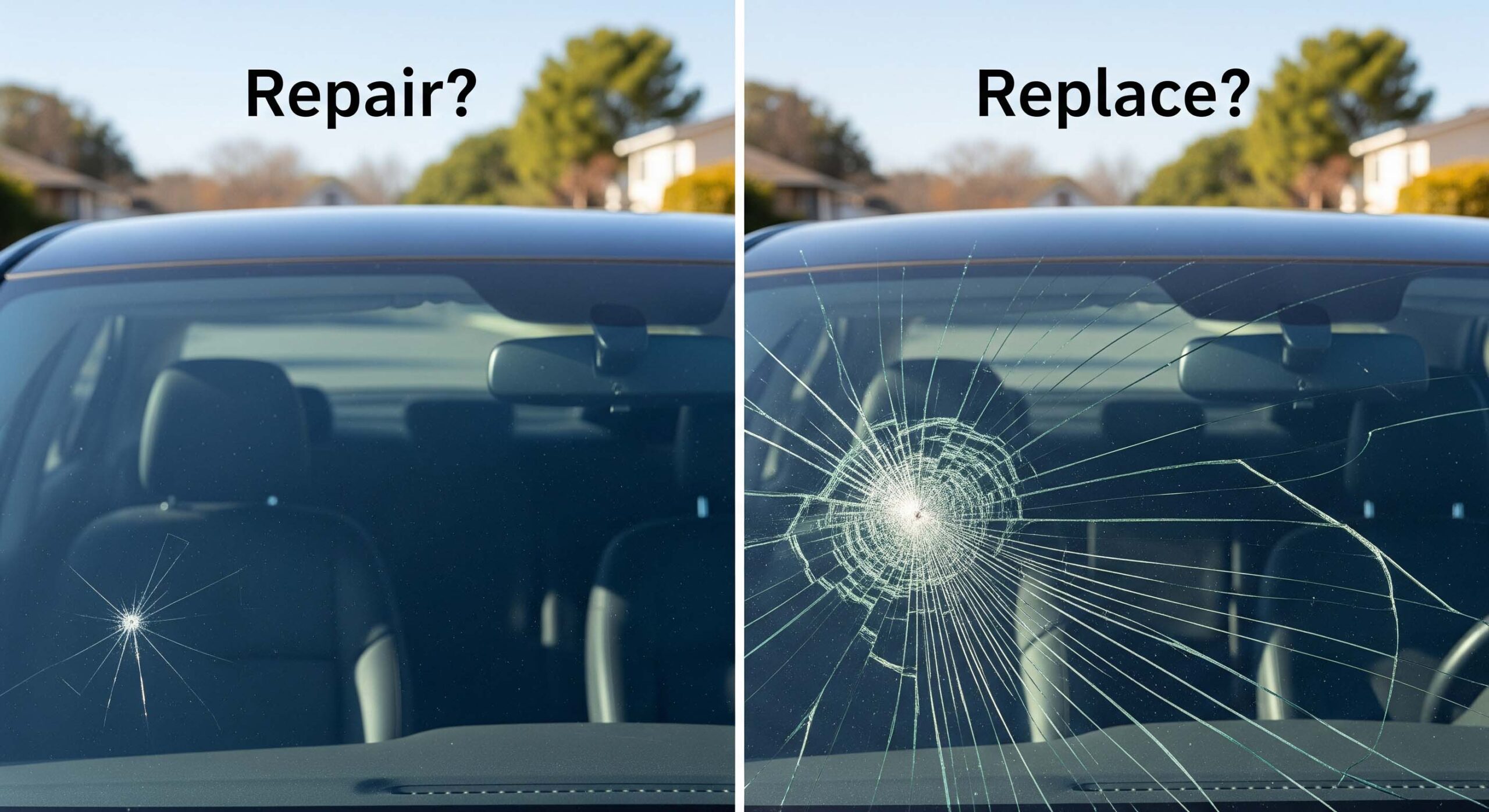
Choose repair when a qualified technician confirms that the damage is limited, suitable for resin treatment, and unlikely to leave a serious viewing obstruction. Choose replacement when the damage compromises the glass’s integrity, cannot be repaired to an acceptable standard, or creates a safety concern that repair cannot resolve.
The windshield does more than keep wind and rain out. It helps maintain the vehicle’s safety structure and can support proper airbag performance in a crash. A repair decision must therefore consider more than appearance or the cost of the work.
The Auto Glass Safety Council publishes the Repair of Laminated Automotive Glass Standard, ANSI/AGSC/NWRD/ROLAGS 002-2022. This standard addresses repairable damage, repair processes, performance criteria, and technician training. A qualified shop can use relevant industry guidance along with the vehicle maker’s requirements when deciding what work is appropriate.
Source: le-cdn.hibuwebsites.com
Repair may be suitable
The chip is small, the surrounding glass is stable, the damage meets the repair provider’s criteria, and the finished repair will not create an unacceptable obstruction.
Replacement may be necessary
The damage is extensive, reaches the edge, affects multiple glass layers, creates serious visibility problems, or fails the technician’s repair assessment.
Professional inspection is essential
When the damage type or depth is unclear, a technician should make the final decision rather than relying on a photo or a size estimate alone.
What If the Chip Is in the Driver’s Line of Sight?
Damage directly in front of the driver needs special attention because even a repaired chip may leave a small mark or distort the view. That can make it harder to see pedestrians, road signs, or vehicles in bright sunlight and at night.
Ask the technician whether repair would leave any remaining visual distortion and whether the location meets applicable state inspection rules. If the mark remains in a critical viewing area, replacement may be the safer choice.
Do not judge by size alone
A tiny chip can still create a viewing problem when it sits directly in front of the driver.
Check local requirements
Windshield inspection and visibility rules vary by state. Confirm the rules that apply to your vehicle and location.
What If the Chip Is Near the Windshield Edge?
The windshield’s outer edge is an important part of the installed glass system. Damage near that area may weaken the glass or affect its ability to remain securely bonded to the vehicle. A technician may recommend replacement even when the visible chip appears small.
Do not assume that filling an edge chip with resin will restore the windshield to its original condition. Ask the shop to explain the location-specific risks and the reason for its recommendation.
Request a close inspection
Tell the technician how close the chip is to the edge and whether any cracks extend toward the frame.
Follow the safety recommendation
If the technician determines that repair cannot provide an acceptable result, arrange replacement rather than delaying the decision.
How Professional Windshield Chip Repair Works
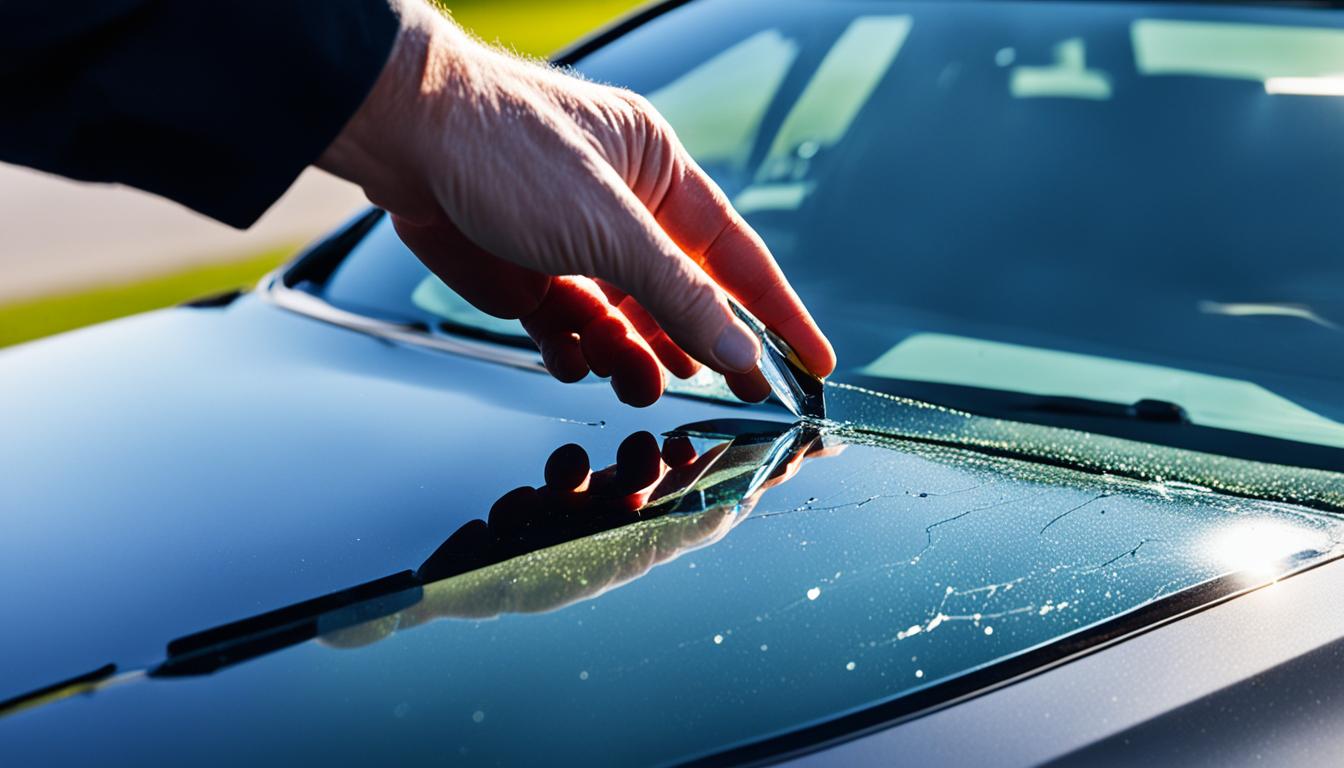
Professional windshield chip repair uses a special resin to fill suitable damage in laminated glass. The technician removes loose debris, positions a repair tool over the impact point, draws out trapped air when required, and introduces resin into the damaged area. The resin is then cured and finished according to the product and repair system’s instructions.
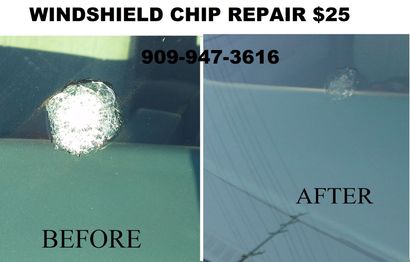
The purpose is to improve the glass’s strength and reduce the visibility of the chip. The process does not turn damaged glass into brand-new glass, and some marks may remain after a successful repair. Results depend on the chip’s type, age, cleanliness, and the repair method used.
Many straightforward chip repairs take around 30 minutes, although the actual time depends on the damage and the shop’s process. More complex damage may take longer to assess. Ask the provider how long the work will take and whether there are any post-repair instructions.
Source: miracleagc.com
Step 1: Inspect the damage
The technician checks the chip’s size, shape, depth, location, and surrounding cracks to decide whether repair is suitable.
Step 2: Prepare the impact area
The damaged area is cleaned and prepared using suitable tools. Keeping dirt and moisture out helps the repair process.
Step 3: Apply repair resin
A specialized tool helps the resin enter the damaged spaces. The method varies with the type of chip and repair equipment.
Step 4: Cure the resin
The technician cures the resin using the repair system’s specified method, which may involve ultraviolet light.
Step 5: Finish and inspect
The repaired area is finished and checked. The technician explains any remaining mark and whether the result meets the repair criteria.
How Successful Is a Windshield Chip Repair?
A successful repair stabilizes suitable damage and often makes the chip less noticeable. However, there is no guarantee that every mark will disappear or that the repaired area will look exactly like undamaged glass.
A fresh, clean chip may respond better than an old impact point filled with dirt, water, or residue. Chips with multiple branches can also be harder to fill completely. A technician should explain the likely cosmetic result before starting the work.
Signs of a good repair
The damaged area is filled as intended, the chip is less noticeable, and the technician confirms that the repair meets the applicable criteria.
When results are limited
A remaining mark, incomplete resin fill, or unsuitable damage pattern may limit the improvement. Ask whether further work is possible or replacement is needed.
Can a Repaired Chip Spread Later?
Yes. A repaired area can still develop additional cracking, particularly when the original damage was complex or the glass experiences stress. Repair lowers some risks but does not guarantee that the windshield will never crack again.
If a new crack appears, grows, or affects your view after the repair, contact the provider promptly. Ask about the repair warranty and whether the new damage calls for another assessment or full replacement.
Keep the repair record
Save the invoice, repair date, and warranty terms in case the damage changes.
Arrange a new assessment
Do not assume a growing crack is covered by the original repair. The provider must assess the new condition.
Can You Repair a Chipped Windshield at Home?
You may be able to repair a simple chip at home with a windshield repair kit, but DIY repair has limits. These kits usually contain resin and tools designed to help fill certain types of small impact damage. They are not suitable for every chip, and using one does not guarantee that the glass will be safe.
Before buying a kit, read its instructions and check the damage limits. Some kits are intended only for specific chip shapes and sizes. If the chip is in the driver’s viewing area, near the edge, deep, or already spreading, have a professional inspect it instead of attempting a home repair.
A failed DIY repair can leave the chip harder to treat because the area may contain unsuitable resin, trapped air, moisture, or contamination. If the damage is more complex than the kit allows, the safest next step is to contact an auto glass technician.
Source: blog.glass.net
Check the kit’s limits
Confirm that the instructions cover your type of chip, the damage size, and the vehicle glass involved.
Work only in suitable conditions
Follow the product’s temperature, cleaning, curing, and safety instructions. Avoid improvising with household glue or other products.
Do not force resin into the glass
Use only the supplied method. Extra pressure or incorrect tools can worsen the damage.
Stop if the damage changes
If a crack begins to spread or the kit cannot fill the chip as instructed, stop and arrange a professional assessment.
Why Household Glue and Nail Polish Are Poor Substitutes
Household glue, nail polish, and similar products are not substitutes for automotive windshield repair resin. They are not designed to restore the properties of damaged laminated safety glass and can complicate later repair work.
Clear tape may sometimes help keep loose surface dirt away while you arrange service, but it does not repair the chip or strengthen the windshield. Do not cover the damage in a way that blocks the driver’s view.
Use purpose-made products only
Choose a kit intended for automotive windshield chip repair, and follow the label exactly.
Prefer professional service for uncertain damage
A qualified technician can identify damage that a basic home kit cannot safely address.
When Is Professional Repair the Better Choice?
Professional repair is the better option when the chip’s depth is unclear, the damage has branches, or the location raises safety concerns. It is also useful when you want a documented assessment for insurance or need to confirm whether the glass should be replaced.
Ask the provider whether it follows the relevant laminated glass repair standard, what result it expects, and what its warranty covers. These questions help you compare services based on process and safety rather than price alone.
Request a written estimate
Ask for the repair cost, any extra charges, and the price difference if replacement becomes necessary.
Confirm the final recommendation
Have the technician explain why the chip is repairable or why the windshield needs replacement.
How Much Does Windshield Chip Repair Cost in the United States?
Windshield chip repair generally costs less than replacing the entire windshield, but the exact price varies by provider, region, damage type, and vehicle. A simple chip may cost considerably less than several chips or damage that requires a more involved assessment. Mobile service fees and local labor rates can also affect the total.
For a useful quote, describe the chip’s approximate size, location, shape, and whether cracks extend from it. Provide the vehicle’s year, make, and model. If your vehicle has cameras or sensors mounted near the windshield, mention them because replacement can involve extra work that a chip repair may not require.
Do not rely on a single national price as a guarantee. Ask two or three qualified providers for comparable estimates when the damage is safe to assess without delay. Make sure each quote states whether it covers inspection, materials, mobile service, taxes, and any warranty.
Source: static.wixstatic.com
Size and number of chips
A single small chip usually requires less work than multiple impact points or a chip with several long branches.
Vehicle design
Windshields with integrated cameras, sensors, heating elements, or special glass features can affect replacement costs.
Service location
Local labor rates, travel distance, and mobile appointments may change the final quote.
Insurance terms
Your deductible, coverage limits, and glass-specific benefits determine whether insurance lowers your out-of-pocket cost.
Is Windshield Chip Repair Cheaper Than Replacement?
Usually, yes. Repair treats a limited area of the existing windshield, while replacement requires removing the old glass and installing a new windshield with the correct adhesive and fitting process. Replacement may also require camera calibration or other checks when driver assistance systems are involved.
The lowest quote is not always the best value if it excludes needed work or does not explain the repair limits. Compare the recommended work, warranty, technician qualifications, and total price. If replacement is required for safety, the lower cost of repair is not a reason to choose an unsuitable fix.
Compare like for like
Ask each provider to quote the same repair or replacement scope, including relevant fees and required calibration.
Check warranty details
Confirm what is covered if the repair fails, the damage spreads, or the glass develops another problem.
Will Auto Insurance Cover Windshield Chip Repair?
Some U.S. auto insurance policies cover windshield chip repair, and some comprehensive policies offer glass benefits with a reduced or waived deductible. Coverage depends on the policy, insurer, state, and type of service. Repair coverage should never be assumed without checking the actual terms.
Call your insurer or review your policy before authorizing the work. Ask whether you can choose the repair shop, whether a deductible applies, and whether a claim could affect your policy. If the damage requires replacement, ask about glass coverage and any separate calibration costs.
Review comprehensive coverage
Check whether falling debris or other non-collision glass damage is covered under your policy.
Confirm the deductible
Find out whether the repair costs less than your deductible or qualifies for a glass-specific benefit.
Get authorization when required
Follow your insurer’s claim process before the work begins if prior approval is needed.
What to Do Immediately After a Rock Chips Your Windshield
Protect the damaged area and arrange an assessment as soon as you can. A fresh chip is often easier to repair before dirt, water, and road debris enter it or the damage spreads. Quick action also gives you more time to compare repair and replacement options.
Park in a safe place before inspecting the glass. Take photos from inside and outside the vehicle when it is safe to do so. Record the chip’s approximate size and location, and keep any insurance or service records related to the damage.
Avoid sudden temperature changes. Blasting a hot defroster onto cold damaged glass or directing very cold air at a hot windshield can add stress to the damaged area. Do not pour hot or cold water on the glass in an attempt to change its temperature.
Source: i.ytimg.com
Keep the chip clean and dry
Avoid washing the windshield or letting water collect in the damage before the repair. Ask the shop how best to protect the area if service is delayed.
Avoid pressure on the glass
Do not push the chip, slam doors unnecessarily, or attempt to remove glass fragments with sharp tools.
Book an assessment promptly
Contact a qualified auto glass provider and explain the damage location, size, and any spreading cracks.
Do not drive with unsafe visibility
If the damage blocks your view, the glass is unstable, or cracks are spreading rapidly, arrange safe transport or professional assistance.
Can You Drive With a Chipped Windshield?
Whether you can safely drive depends on the damage. A small chip away from the driver’s view may not immediately prevent a short trip, but the glass still needs prompt attention. A large chip, spreading crack, edge break, or obstruction in the driver’s view can create a serious safety concern.
State laws and vehicle inspection rules differ, so there is no single legal answer for every U.S. driver. If you cannot see the road clearly or the windshield appears unstable, do not drive the vehicle. Ask a qualified professional to advise whether it can be moved safely.
Minor damage outside the viewing area
Arrange prompt repair and avoid conditions that could make the chip spread. A technician should still assess whether driving is appropriate.
Damage affecting visibility
Do not continue driving if the chip or crack obstructs your view of traffic, people, or road hazards.
Rapidly spreading cracks
Stop in a safe place and seek professional advice about transport or repair.
How to Choose a Qualified Auto Glass Shop
Choose a provider that inspects the actual damage, explains the repair limits, and gives a clear estimate. Ask about technician training, the materials used, the warranty, and the standards followed for laminated glass repair.
If replacement is needed, ask whether the shop follows the applicable automotive glass replacement standard and the vehicle manufacturer’s installation requirements. Vehicles with advanced driver assistance systems may need camera calibration after replacement. The provider should explain whether calibration is required and how it will be completed.
Ask for the reason behind the recommendation
A reliable assessment should explain why repair is suitable or why replacement is necessary.
Check written terms
Review the estimate, warranty, materials, and any extra fees before approving the work.
Confirm vehicle-specific needs
Tell the provider about cameras, sensors, heating features, and other equipment attached to or integrated with the windshield.
Frequently Asked Questions
Q
Can a small windshield chip be repaired without replacing the glass?
Yes, many small chips can be repaired without replacing the windshield. The damage must meet the repair provider’s size, depth, location, and condition criteria. A professional inspection is the best way to confirm that repair is appropriate.
Q
How long does windshield chip repair take?
Many simple chip repairs take about 30 minutes, although timing varies with the damage, equipment, and provider. Ask the shop for an estimate before the appointment and follow its instructions after the repair.
Q
Will a windshield chip disappear completely after repair?
Not always. Resin often makes the chip less noticeable and can improve the strength of suitable damaged glass, but a faint mark may remain. The cosmetic result depends on the chip’s age, shape, size, and condition.
Q
Can rain make a windshield chip worse?
Water and dirt entering a chip can complicate repair, while temperature changes may add stress to damaged glass. Keep the area as clean and dry as practical and arrange an assessment promptly.
Q
Is it better to repair a windshield chip or replace the windshield?
Repair is generally preferred when the damage is limited and can be treated safely. Replacement is appropriate when the damage is too extensive, affects a critical viewing area, reaches the edge, or cannot meet repair criteria. The decision should be based on the technician’s assessment, not cost alone.
Q
Will insurance pay for a chipped windshield?
Some policies cover chip repair, sometimes with no deductible, but coverage varies by insurer, state, and policy terms. Check your benefits and any approval requirements before scheduling service.
Q
Can I use clear nail polish to fix a windshield chip?
No. Nail polish is not a substitute for automotive windshield repair resin and does not restore the glass’s intended strength. Use a suitable repair service or a purpose-made kit only when the damage meets the kit’s limits.
✦ Wrapping Up
Conclusion
A chipped windshield can often be repaired, especially when the damage is small, shallow, and away from the driver’s main field of view. Professional resin repair can improve the damaged area without replacing the whole windshield, but the result may leave a faint mark and cannot guarantee that the glass will never crack again.
The safest decision depends on the chip’s size, depth, shape, and location. Damage near the edge, in the driver’s viewing area, or across multiple glass layers may require replacement. U.S. drivers should also check local inspection rules, insurance benefits, and any vehicle-specific requirements before choosing a service.
Do not ignore a new chip or try to hide it with household products. Keep the damaged area clean and dry, avoid sudden temperature changes, and contact a qualified auto glass technician for an assessment. Prompt action can help preserve repair options and reduce the chance of a small problem becoming a larger one.
💡 Key Takeaway
Take clear photos of the chip, note its size and location, check your insurance coverage, and request a professional assessment. Repair the glass only if the technician confirms that the damage meets the relevant safety criteria; otherwise, arrange a suitable replacement.