To refill rear windshield washer fluid in a Toyota Highlander, locate the vehicle’s washer fluid reservoir under the hood, open the designated filler cap, and add windshield washer fluid suitable for your climate. Most Highlander configurations use a shared reservoir for the front and rear washers, but confirm the arrangement in your owner’s manual before adding fluid.
For Toyota Highlander owners in the United States, keeping the rear window washer working helps maintain visibility when road spray, dust, salt, and dirt collect on the back glass. The refill process is usually straightforward and does not require removing interior trim or accessing the rear hatch.
The main challenge is identifying the correct reservoir and understanding why the rear washer may stop spraying even when the front washer works. Reservoir arrangements, filler locations, and service details can vary by model year and powertrain, so use the owner’s manual for your specific Highlander rather than relying on a generic engine-bay diagram.
Where Is the Rear Windshield Washer Fluid Reservoir on a Toyota Highlander?
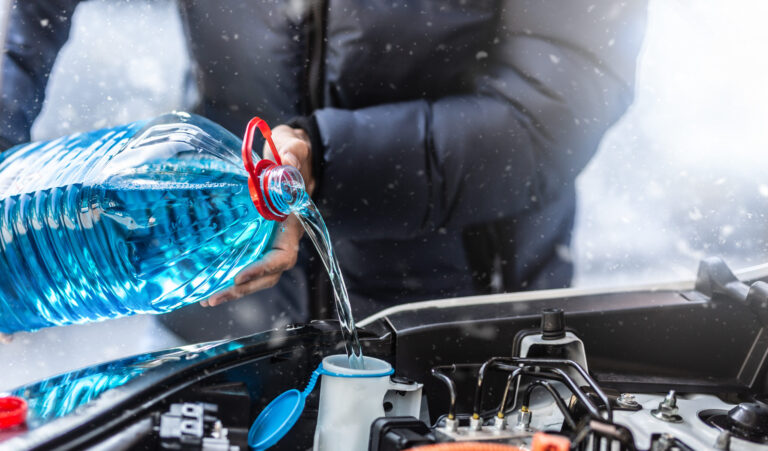
On many Toyota Highlander models sold in the United States, the windshield washer fluid reservoir is located in the engine compartment beneath the hood. Its filler neck usually has a cap marked with a windshield and spray symbol. This reservoir commonly supplies both the front windshield washers and the rear window washer.
The rear washer does not necessarily have a separate reservoir near the liftgate. If the rear window stops spraying, do not assume that you need to fill a second tank in the cargo area. Check the owner’s manual for the correct washer reservoir location and system arrangement for your model year.
The filler cap is generally plastic and may be blue or another color, depending on the vehicle. Color alone is not a reliable way to identify a fluid container. Confirm the washer symbol before opening the cap.
Source: di-uploads-pod23.dealerinspire.com
Washer fluid symbol
Look for a cap or marking showing a windshield with water spray. This identifies the washer fluid filling point.
Engine compartment
Open the hood and consult the under-hood diagram or owner’s manual if the filler neck is not immediately visible.
Model-year differences
The reservoir shape, access, and surrounding engine components can vary between gasoline, hybrid, and different-generation Highlander models.
How to Identify the Correct Filler Cap
Park on a level surface, turn off the engine, and allow hot engine components to cool before working under the hood. Open the hood using the procedure in your owner’s manual and secure it as directed.
Find the washer fluid symbol on the filler cap or nearby reservoir. Do not open a radiator cap, coolant reservoir, brake fluid reservoir, or engine oil filler to add washer fluid. These systems have different purposes and require different fluids.
Confirm before filling
If the symbol or reservoir is unclear, check the vehicle’s under-hood illustration and maintenance instructions before proceeding.
What You Need Before Refilling the Rear Washer
You generally need only suitable windshield washer fluid and access to the washer reservoir. A clean funnel can help if the filler neck is difficult to reach, although it is not always necessary. Check the vehicle manual and washer fluid label before starting.
Choose a premixed windshield washer fluid designed for automotive washer systems. In colder parts of the United States, select a product with a freezing-point rating suitable for the lowest temperatures your Highlander is likely to encounter. Summer formulas may not provide adequate freeze protection in winter.
Avoid adding plain water as a permanent replacement for washer fluid, especially where freezing weather is possible. Water can freeze in the reservoir, pump, hoses, and nozzles. It also lacks the cleaning agents found in proper washer fluid.
Source: i.ytimg.com
Correct washer fluid
Use an automotive windshield washer product appropriate for your climate and follow its label directions.
Clean funnel if needed
Use a clean funnel dedicated to washer fluid to reduce spills and prevent contamination.
Owner’s manual
Check the vehicle-specific instructions for the reservoir location, cap identification, and any special precautions.
Can You Use the Same Fluid for the Front and Rear Windows?
When the front and rear washers share a reservoir, the same compatible washer fluid supplies both systems. You do not need a special rear-window formula simply because the washer is mounted at the back of the vehicle.
Some vehicles can have different system layouts, so confirm the arrangement for your Highlander. Do not mix incompatible products or add concentrated fluid without following the manufacturer’s dilution instructions.
Cold-weather protection
Choose fluid rated for expected local temperatures, particularly if you drive in areas that experience freezing conditions.
How to Refill Rear Windshield Washer Fluid in a Toyota Highlander
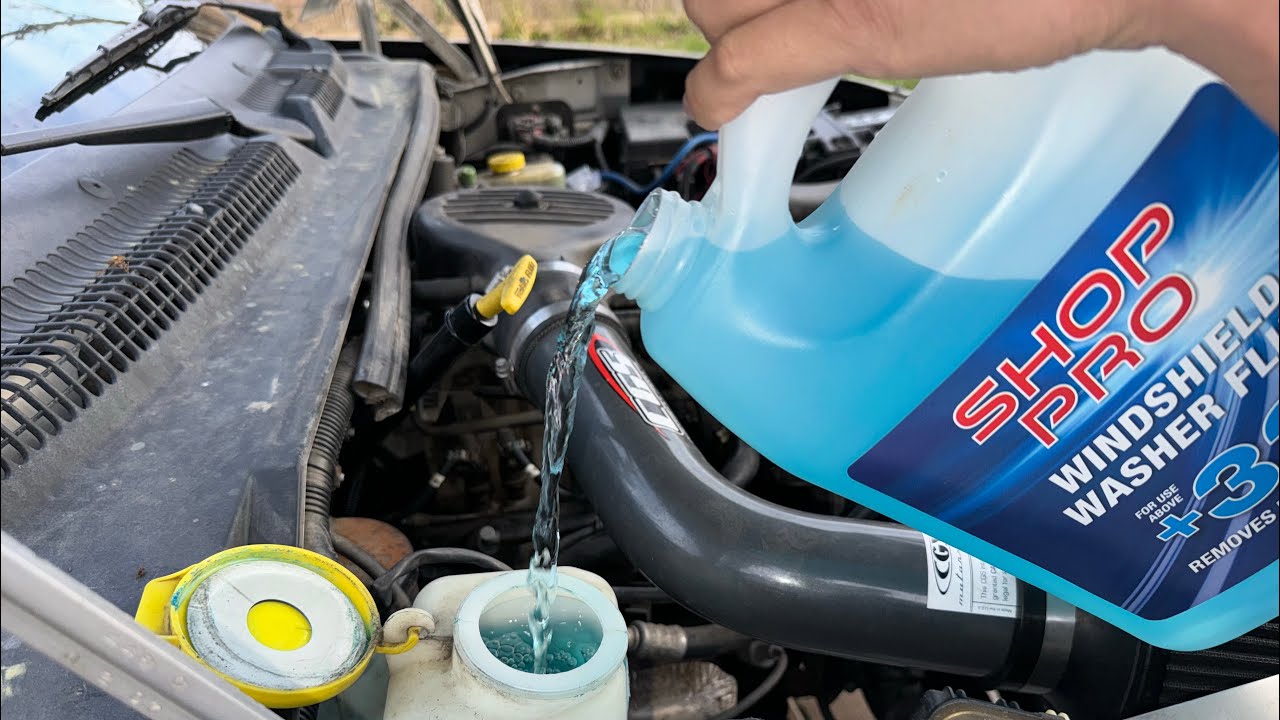
Refilling the rear windshield washer is usually the same basic process as topping up the front washer reservoir. You fill the designated washer fluid container under the hood; the vehicle’s washer system then delivers fluid to the rear nozzle when the rear washer control is activated.
Source: i.ytimg.com
Step 1: Park safely
Park on level ground, select Park, apply the parking brake, switch off the engine, and keep the key or remote away from unintended vehicle operation.
Step 2: Open the hood
Use the hood-release and support procedure specified in your Highlander’s owner’s manual. Keep hands and clothing away from hot or moving components.
Step 3: Locate the washer reservoir
Identify the filler cap using the windshield washer symbol and the vehicle-specific under-hood diagram. Do not rely on cap color alone.
Step 4: Open the filler cap
Remove the washer cap carefully. If the surrounding area is dirty, wipe away loose debris first so it does not fall into the reservoir.
Step 5: Add washer fluid
Pour the suitable washer fluid into the filler neck slowly. Pause periodically to prevent splashing and watch the fluid level if it is visible.
Step 6: Stop before overflow
Stop filling when the reservoir reaches its appropriate full level. Do not force additional fluid into the neck or assume a specific capacity without checking the manual.
Step 7: Close the cap
Secure the filler cap, clean up any spilled fluid, and close the hood according to the manufacturer’s instructions.
Step 8: Test the rear washer
With the vehicle in a safe stationary position and following the owner’s manual, activate the rear washer briefly. Check whether fluid reaches the rear glass and whether the spray pattern looks normal.
How to Know the Refill Worked
A successful refill restores the washer fluid supply, but it does not guarantee that every part of the system is functioning. The rear nozzle should deliver fluid when the rear washer is activated, provided the pump, hose, nozzle, and controls are working correctly.
If the reservoir was completely empty, the first brief activation may take a little longer to deliver fluid while the lines refill. Follow the manufacturer’s operating instructions and avoid running the washer continuously if no fluid appears.
Normal spray
Fluid reaches the rear glass and the nozzle sprays without obvious leaks or unusual pump noise.
No spray
Proceed to basic troubleshooting rather than repeatedly holding the washer control.
Why the Rear Washer May Not Work After Refilling
If the front washer works but the rear washer does not, the problem may be limited to the rear washer circuit. A full reservoir does not rule out a blocked nozzle, frozen fluid, a disconnected hose, a failed pump or valve, or an electrical fault.
Start with checks that are easy and safe. Confirm that the reservoir contains fluid, make sure the fluid is suitable for the weather, and inspect the rear nozzle for visible dirt or ice. If the front washer operates normally, avoid assuming that the entire washer system is defective.
Some washer systems use a pump that can operate in different directions or a valve arrangement to direct fluid to different outlets. Other configurations may differ. The exact design of your Highlander depends on its model year and equipment.
Source: i.ytimg.com
Reservoir still empty
Add compatible washer fluid to the proper level and inspect for signs of leakage if the reservoir empties again quickly.
Frozen washer fluid
Move the vehicle to a warmer location and allow the system to thaw naturally. Do not use an open flame, boiling water, or aggressive heat.
Clogged rear nozzle
Look for visible dirt or ice around the nozzle. Clean the accessible exterior gently without forcing sharp objects into the opening.
Disconnected or leaking hose
If fluid appears inside the liftgate, around interior trim, or beneath the vehicle, stop operating the washer and arrange an inspection.
Pump or electrical fault
If the rear washer remains inoperative after basic checks, a technician may need to inspect the pump, wiring, fuse, control, or fluid-routing components.
What If the Front Washer Works but the Rear Washer Does Not?
First, verify that the reservoir is full and that the rear washer control is being used correctly. Then check whether the rear nozzle is visibly obstructed and whether the weather could have frozen fluid in the line.
If the rear washer motor or pump makes noise but no fluid reaches the glass, a blockage, leak, or hose problem is possible. If there is no sound, the cause could involve the pump, electrical supply, switch, or a system-specific control. Neither symptom identifies a single failed part by itself.
Avoid removing liftgate trim or probing electrical connectors unless you have the correct service information and tools. If basic checks do not resolve the problem, professional diagnosis can prevent damage to clips, wiring, and interior panels.
Useful diagnostic clue
Compare front and rear washer operation, but remember that a shared reservoir does not necessarily mean every component is shared.
Common Mistakes to Avoid When Refilling Washer Fluid
The most common refill mistakes involve using the wrong container, selecting fluid unsuitable for the climate, overfilling, or repeatedly operating a washer that is not delivering fluid. Taking a moment to confirm the filler cap and fluid type helps avoid unnecessary repairs.
Do not pour washer fluid into the engine coolant reservoir, brake fluid reservoir, engine oil filler, or another vehicle system. If the wrong fluid is added to a container, do not start or operate the affected system. Seek vehicle-specific professional guidance about the appropriate corrective action.
Source: i.ytimg.com
Using the wrong fluid
Use washer fluid intended for automotive glass-cleaning systems, not engine coolant, household cleaners, or other automotive fluids.
Ignoring freezing conditions
Select fluid with appropriate freeze protection. A frozen line or reservoir can prevent spraying and may damage components.
Forcing a clogged nozzle open
Do not insert needles or other sharp tools deeply into the nozzle because they can damage the spray opening.
Running the washer continuously
Use brief test activations and stop if no fluid appears or the pump makes an abnormal sound.
Assuming every Highlander is identical
Use the owner’s manual for your model year and powertrain instead of relying on instructions for a different generation.
Is It Safe to Refill Washer Fluid With the Engine Running?
There is generally no need to run the engine to refill washer fluid. Switch the vehicle off before opening the hood or adding fluid, and follow the manufacturer’s hood-opening and safety instructions.
If a test requires the vehicle to be powered, follow the owner’s manual and keep clear of moving parts. Never place your hands near fans, belts, or other components that could move unexpectedly.
Safer approach
Refill with the vehicle switched off, close the reservoir cap and hood, and then perform the brief washer test according to the manual.
How Often Should You Refill a Toyota Highlander’s Washer Fluid?
There is no single refill interval that applies to every Toyota Highlander. Washer fluid consumption depends on driving conditions, weather, road grime, how often you clean the glass, and the condition of the washer system.
Check the reservoir periodically and top it up when the level is low. During winter driving, road salt and spray may increase washer use. Before a long road trip or a season with frequent rain, confirm that enough suitable fluid is available.
If the reservoir becomes empty unusually often, inspect for visible leaks and check whether the washer is being activated accidentally or used more frequently than expected. Repeated fluid loss without heavy use may indicate a leak or another system problem.
Source: i.ytimg.com
Before long trips
Check the washer fluid level and carry compatible fluid if you expect long stretches of driving in dirty or wet conditions.
During winter
Verify that the fluid has suitable freeze protection and that the rear nozzle sprays correctly.
When fluid disappears quickly
Look for visible signs of leakage and arrange an inspection if topping up does not solve the problem.
Does the Toyota Highlander Have a Low Washer Fluid Warning?
A low washer fluid warning is not available on every vehicle configuration. Whether your Highlander has a fluid-level sensor or dashboard warning depends on its model year and equipment.
Do not rely solely on a dashboard warning to determine the fluid level. If the rear washer begins spraying weakly or stops, check the reservoir and follow the troubleshooting steps even if no warning appears.
Check your equipment
Consult the owner’s manual for your specific Highlander to confirm whether a washer fluid level warning is fitted.
Frequently Asked Questions
Q
Does the Toyota Highlander have a separate rear windshield washer fluid reservoir?
Many Toyota Highlander models use one washer fluid reservoir for both the front and rear windows. A separate reservoir near the rear hatch is not generally necessary in these configurations. Confirm your model year’s arrangement in the owner’s manual before searching for another filler point.
Q
Where do I add rear windshield washer fluid in a Toyota Highlander?
On many Highlander models, you add rear washer fluid through the washer reservoir filler under the hood. Look for the windshield-and-spray symbol and verify the location in the owner’s manual. Do not add fluid to a container identified for coolant, brake fluid, or engine oil.
Q
Can I use regular windshield washer fluid for the rear window?
Yes, if your Highlander uses a shared washer reservoir, compatible automotive windshield washer fluid supplies both the front and rear washers. Choose a formula suitable for the temperatures you expect, and follow its label instructions. The rear window does not normally require a special fluid solely because it is at the back of the vehicle.
Q
Why does my Toyota Highlander rear washer not spray even though the reservoir is full?
Possible causes include a clogged nozzle, frozen fluid, a disconnected or leaking hose, a pump or valve issue, or an electrical fault. If the front washer works, the fault may be limited to the rear washer circuit. Begin with safe visual checks and seek professional diagnosis if the problem persists.
Q
Can I put water in the Toyota Highlander’s washer reservoir?
Water may provide temporary cleaning in warm conditions, but it is not an ideal substitute for proper washer fluid. It lacks the same cleaning additives and can freeze in cold weather, potentially blocking or damaging the system. Use automotive washer fluid appropriate for your climate.
Q
How much washer fluid does a Toyota Highlander hold?
Reservoir capacity can vary by model year and configuration. Check the owner’s manual or vehicle-specific service information for the correct capacity rather than relying on a generic figure. When topping up, pour slowly and stop at the appropriate full level.
Q
What should I do if washer fluid leaks from the rear hatch?
Stop operating the rear washer and inspect for visible signs of fluid around the liftgate, rear glass, or nearby trim. A disconnected or damaged hose may be allowing fluid to enter the hatch or interior. Have the hose and related components inspected if the source is not readily accessible, and avoid removing trim without the correct service instructions.
✦ Wrapping Up
Conclusion
Refilling the rear windshield washer fluid in a Toyota Highlander is usually a simple under-hood maintenance task. Locate the correct washer reservoir, add compatible fluid gradually, secure the cap, and test the rear washer briefly after finishing. Many Highlander models use the same reservoir for front and rear cleaning, but the owner’s manual is the best reference for confirming your vehicle’s exact setup.
If the rear window still receives no fluid after the reservoir is filled, investigate possible nozzle blockage, freezing, hose damage, or pump and electrical problems instead of repeatedly operating the washer. Prompt troubleshooting helps restore rear visibility and prevents a small maintenance issue from becoming a larger repair.
💡 Key Takeaway
Open your Toyota Highlander’s owner’s manual to confirm the washer reservoir location, refill it with climate-appropriate automotive washer fluid, and briefly test the rear washer. If it does not spray, stop and check for freezing, visible blockage, or leakage before arranging further diagnosis.
Learn how to install a windshield washer nozzle on a U.S. vehicle, including tools, removal, hose connection, aiming, testing, troubleshooting, and safety tips.